Top 20 “Sleep Tourism” Destinations in the USA (2026): Travel for Better Sleep & Wellness
Discover the top 20 sleep tourism destinations in the USA for 2026. From desert spas to mountain lodges, travel for better sleep, rest, and wellness.

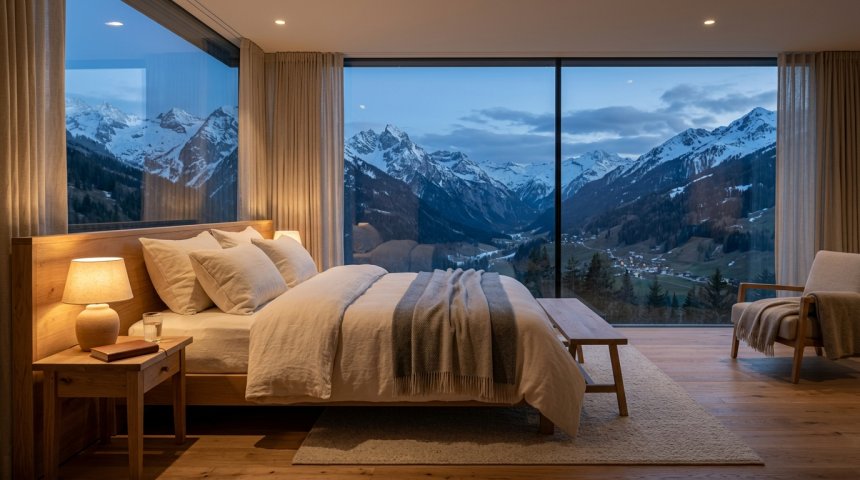
In 2026, travel trends indicate that millions of Americans will plan their vacations around a single, radical goal: a perfect night's sleep. This movement, known as sleep tourism, has become the fastest-growing segment of the wellness travel economy, turning "rest-first itineraries" into the new luxury. Whether you are soaking in a desert hot spring beneath a certified dark sky or listening to rain settle into a rainforest canopy, the essence of sleep tourism is defined by darkness, silence, and slowness—a deliberate counterweight to a life lived at full brightness and full speed.
What Is Sleep Tourism?
Sleep tourism is travel designed primarily to improve the quality of your rest. Unlike traditional trips built around sightseeing lists, a sleep trip is structured around the body's natural rhythms: bright, active mornings; gentle, unplugged evenings; and long, protected nights. The accommodations that define the category share a common DNA—true blackout, acoustic design, climate-controlled bedding, circadian lighting, and staff trained to treat quiet as a feature rather than an absence.
But the destination matters as much as the mattress. The best sleep destinations offer what no hotel engineering can fully replicate: natural white noise from waves, wind, or rain; air that is clean and cool; dark skies that allow melatonin to rise; and a culture that moves slowly enough for your nervous system to follow.
Why 2026 Is the Year of the Rest Trip
Several forces have converged to make this the era of the rest trip. Burnout and screen fatigue have turned sleep into a status symbol of health, and wearable devices have made millions of people aware—sometimes painfully aware—of their sleep debt. At the same time, remote work has made it possible to stay longer and travel slower, replacing the five-city sprint with a single, restorative base.
The hospitality industry has responded in kind. Sleep concierges, pillow menus, AI-adjusted mattresses, and "do not disturb until noon" policies have moved from novelty to standard in the wellness segment. In 2026, booking a trip to sleep is no longer a joke among travelers; it is a plan.
The Anatomy of a Sleep-Friendly Destination
Not every beautiful place is a restful one. The destinations on this list share a set of measurable qualities: low light pollution, low ambient noise, clean air, access to natural thermal waters or water sounds, and a pace of life that encourages early evenings. They also offer daytime ingredients that make nighttime easier—trails for gentle exertion, sunlight for circadian anchoring, and food cultures that favor light, early dinners over late, heavy ones. With that anatomy in mind, here are the twenty American destinations doing sleep best in 2026.
The Top 20 Sleep Tourism Destinations in the USA (2026)
1. Sedona, Arizona
Few places quiet the mind as quickly as Sedona. The red-rock amphitheaters absorb sound and light alike, the high-desert air stays dry and cool after sunset, and the town's entire culture is organized around wellness—from sunrise meditation at Airport Mesa to creek-side stillness along Oak Creek. Evenings end early here, and the surrounding dark skies let your melatonin do its work without competition.
Sleep-focused travelers gravitate to the canyon resorts and spa retreats—properties like Mii amo and L'Auberge de Sedona have built entire programs around rest, movement, and digital detox. Days fill with gentle hikes among the vortex sites; nights end with warm stone treatments and stargazing from a terrace. Spring and autumn offer perfect thermal comfort. Sleep signature: red-rock silence, dry air, spa-grade wind-down.
2. Santa Fe, New Mexico
At 7,000 feet, Santa Fe's light is bright by day and its nights are genuinely dark—the city has long protected its skies with careful lighting ordinances. Adobe walls hold the day's warmth into the evening, courtyards stay hushed, and the pace of life follows the old plaza rather than the feed.
The sleep ritual here is thermal: an evening soak among the pines at a mountain spa village, or a day trip to the historic mud baths and mineral pools of Ojo Caliente. Add Canyon Road gallery strolls at golden hour and light, early dinners. Fall and spring are ideal; winter adds fireplace quiet. Allow a night or two for altitude adjustment—it is worth it. Sleep signature: high-desert dark skies + warm mineral soaks.
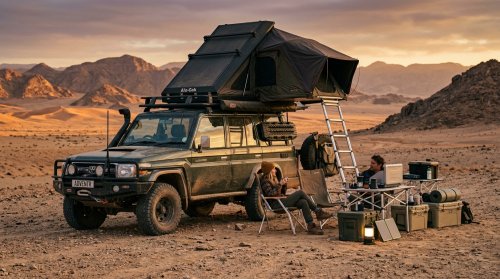
3. Desert Hot Springs & Joshua Tree, California
Desert Hot Springs sits atop a natural mineral aquifer, and its small spa hotels have turned that gift into a craft: warm, odorless mineral pools under a sky that goes properly black. Minutes away, Joshua Tree's boulder landscapes deliver some of the deepest silence in the lower 48, and the high desert's cool winter season is a secret gift for sleep travelers.
The classic program is simple—hike among the Joshua trees by day, soak at sunset, take a sound bath under the stars, and sleep with the window open to desert quiet. October through April is the sweet season; summer heat belongs to the brave. Sleep signature: mineral pools, desert hush, starlight instead of screens.
4. Big Sur, California
Big Sur is the coast at its most monastic. The surf pounds far below the cliffs as constant, natural white noise; redwoods shade the roads; and fog rolls in like a blanket drawn over the day. The region's iconic cliff-top properties famously remove televisions and phones from rooms, letting the ocean set the schedule.
Days are for slow forest walks and cliff-edge hot tubs; dinners are early and candlelit; nights belong to the sound of the Pacific. Late spring through fall offers clear skies, while winter storms turn the coast into the coziest theater on earth. Sleep signature: surf as natural white noise + enforced unplugging.
5. Ojai, California
Ojai is a valley that kept its small heartbeat. Orange-blossom and lavender scents drift through the air, downtown is a few quiet blocks of independent shops, and every evening the Topa Topa mountains glow pink for a few minutes—the famous "pink moment"—when the whole town seems to pause and watch.
Retreat centers and a historic valley inn anchor a culture of spa afternoons, farmers-market mornings, and gentle walks through Libbey Park. Spring brings blossom; autumn brings clarity. If your sleep problem is a racing mind, Ojai's pace is the prescription. Sleep signature: small-town rhythm + a sunset you actually watch.
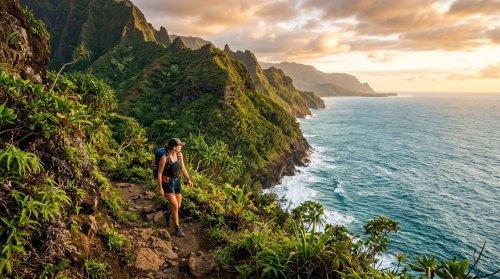
6. Kauai, Hawaii
The Garden Isle runs on island time, and its soundscape is a lullaby: trade winds in the palms, rain showers on the roof, surf on the reef. Building-height limits keep skylines low and nights dark, and a culture of early sunrises means the island goes to bed early and happily.
Sleep travelers favor the quieter north and west shores—Hanalei's slow mornings and Waimea's big skies. Days mix gentle beach walks with lomi lomi massage; evenings end on a lanai, listening. The shoulder months of April to June and September to November are calmest. Sleep signature: trade winds + wave rhythm + island pace.
7. Girdwood, Alaska
Tucked in a rainforest valley beneath Alyeska's peaks, Girdwood turns darkness into an attraction. From late autumn through early spring, aurora activity can light the sky, and some lodges even offer wake-up calls for the lights—proof that in Alaska, even the alarm clock can be restful.
Summer's midnight sun is its own lesson in sleep craft: long, tiring glacier hikes by day, blackout curtains by night. Year-round, the air is clean, the crowds are thin, and the hot tubs stay warm under the stars. Sleep signature: aurora seasons + crisp alpine air.
8. Olympic Peninsula, Washington
This is the wettest, quietest green in America. The Hoh Rain Forest is famous among acoustic ecologists as one of the country's last truly silent places, and rain on the mossy canopy is the world's most reliable white noise. Add the thermal pools of Sol Duc and the storm-watching beaches of the Pacific coast.
Sleep travelers hike short, soft trails by day, soak by evening, and sleep to rain or surf depending on which side of the mountains they chose. Late spring to fall is gentlest; winter rain is for those who want the full lullaby. Sleep signature: rain white noise + old-growth stillness.
9. Ouray, Colorado
Ouray is a Victorian postcard ringed by steep peaks, and its evening ritual is communal and ancient: a soak in the historic hot springs pool as the light leaves the mountains. The town is small enough that quiet hours feel natural, and the Box Canyon waterfall murmurs through the streets.
Days of alpine hiking—summer wildflower trails or winter's quiet snow walks—provide the good kind of tired. At 7,800 feet, allow a night to adjust; after that, the combination of altitude, exertion, and hot water is a sedative with a century-long track record. Sleep signature: alpine exertion + hot springs reward.
10. Hot Springs, Arkansas
America's original spa town has been prescribing warm water since long before wellness was an industry. The thermal waters of Bathhouse Row rise steaming from the mountain and are cooled into soakable pools, while the Ouachita Mountains keep the whole town at a porch-sitting pace.
The sleep ritual here is European in spirit: a slow thermal bath, a quiet walk beneath Hot Springs Mountain Tower at sunset, an early Southern dinner, and a night with the window open to hill air. Spring and autumn are perfect; winter is mild and uncrowded. Sleep signature: thermal baths + southern porch evenings.
11. Asheville & the Blue Ridge, North Carolina
Asheville wraps sleep in mountain mist. The Blue Ridge's waterfalls and high meadows offer gentle, restorative exertion; the elevation keeps summer nights cool; and the city's farm-to-table culture naturally favors early, light dinners that make for better rest.
Wellness inns and Parkway-side lodges add forest-bathing guides, spa menus, and porches built for fog-watching. October's foliage and May's green are the peak seasons for rest—book early, then sleep late. Sleep signature: blue ridge mist + waterfall sound.
12. Catskills, New York
Two hours from the city that never sleeps lies its antidote. A generation of design-led lodges has turned the Catskills into the capital of the rest reset: wood stoves, record players, sauna-and-cold-plunge circuits, and forests that swallow sound.
The formula is contrast—heat and cold, screen and silence, city and woods. Autumn foliage and winter snow are the classic seasons; summer adds quiet lakes. Come for two nights minimum: the first is for decompression, the second is where the magic starts. Sleep signature: forest reset + sauna-cold plunge contrast.
13. Stowe, Vermont
Stowe keeps the rhythms of a New England village: a white spire, a general store, meadows that glow in October, and mountain air that feels rinsed. Days are for slow foliage drives and walks across the Trapp Family Lodge meadows; evenings are for saunas and early dinners.
Winter is the quiet-season secret—snow absorbs sound the way moss does, and the village glows at holiday pace. Whenever you come, this is the sleep of clean air and honest walking. Sleep signature: crisp mountain air + slow village pace.
14. Acadia & Midcoast Maine
Off-season, the Maine coast exhales. Bar Harbor's summer crowds dissolve into fog, crisp air, and some of the best stargazing in the East; Camden and Rockport add harbor lights and inns that take quiet seriously. A distant foghorn is the region's lullaby.
Days are for coastal path walks and chowder lunches; evenings are for sunset at Bass Harbor Light and early bedtimes. Late September through October—foliage plus silence—is the sleep traveler's golden window. Sleep signature: salt air + off-season silence.
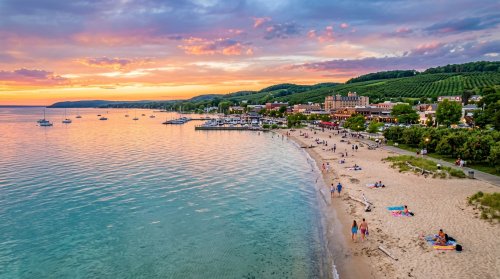
15. Mackinac Island, Michigan
Mackinac banned cars in 1898 and never looked back, which makes it the most effective noise ordinance in America. After the day-trippers catch the last ferry, the island belongs to hoofbeats, bicycle bells, and porch swings, and the night is astonishingly silent.
The ritual is an evening ride along the eight-mile shoreline road, then rocking on a porch with tea and fudge. June through September is the season; September is the quiet month. Staying overnight is the whole secret—this island sleeps early and beautifully. Sleep signature: car-free quiet + porch culture.
16. Door County, Wisconsin
Door County sits between two calm bodies of water, and the light over its orchards and lighthouses has a way of lowering your shoulders. Lavender farms bloom in early summer, cherry harvest follows, and the villages—Sister Bay, Ephraim, Fish Creek—keep a farm-stand slowness after Labor Day.
Sleep travelers walk the lakeshore at dusk, watch the sunset from a west-facing bluff, and sleep to water-level quiet. September and early October, when the orchards turn and the crowds thin, are the insider's choice. Sleep signature: lake air + lavender fields.
17. Sea Island, Georgia
Sea Island is Southern calm distilled: a resort island of live oaks, Spanish moss, and gentle tide, where the etiquette is unhurried and the porches are deep. The spa culture is serious, the beach is wide and soft, and the evenings smell of salt and jasmine.
The ritual is a dawn beach walk, a long shaded lunch, an afternoon nap nobody apologizes for, and an early dinner as the light goes gold. Spring and autumn are ideal; winter is mild, quiet, and restorative. Sleep signature: tidal rhythm + southern slow.
18. Cape Cod (Off-Season), Massachusetts
Summer Cape Cod is a festival; off-season Cape Cod is a sedative. From late September through spring, the dunes empty, the light turns gray-blue and painterly, and the inns light their fireplaces. A salt-air walk on a vacant beach does more for the nervous system than any gadget.
Days are for beachcombing and chowder; nights are for firelight and early bedtimes, with a foghorn as occasional accompaniment. This is the list's best-value entry—shoulder-season quiet without summer's crowds. Sleep signature: shoulder-season seas + hearth warmth.
19. Texas Hill Country
The Hill Country's ranch stays offer some of the widest dark skies on this list and a soundscape of crickets, wind in the oaks, and nothing else. Days are slow—ranch walks, a light barbecue lunch, a swim hole in season—and evenings are built around porch swings and the first stars.
Fredericksburg's guesthouses and Wimberley's creekside cabins anchor the region. October through April is the comfortable season; summer heat is for those who sleep late and swim early. Sleep signature: big-sky darkness + ranch pace.
20. Springdale & Zion, Utah
Springdale rests at the mouth of Zion like a town that knows the canyon is the main event. The Virgin River murmurs through the village, red cliffs glow at sunset, and Zion's certified dark skies make the last hour of the day properly dark. Canyon hiking provides the deepest, most satisfying fatigue in the American Southwest.
Sleep travelers hike in the cool morning, rest through the heat, and end with riverside dinners and early bedtimes. Spring and autumn are perfect; winter adds profound quiet and snow-dusted cliffs. Sleep signature: canyon fatigue + river sound.
How to Choose Your Sleep Destination
The right destination depends on your sleep personality. Deserts reward those who need absolute silence and starlight; forests suit those soothed by rain and shade; coasts work for travelers who fall asleep to rhythm; mountains are ideal for those whose bodies need honest fatigue. Consider season carefully—most of these places are at their quietest in shoulder seasons—and keep travel time honest: a red-eye to a sleep trip defeats its own purpose.
Sleeping Well Away From Home: The Science
Researchers describe the "first-night effect," in which one hemisphere of the brain stays alert in a new environment. The countermeasures are simple and portable: bring a familiar object or scent, keep a consistent wake time, get bright light within an hour of rising, and protect the last hour of the day from screens. The best sleep destinations institutionalize these habits for you—morning light walks, evening tech baskets, and menus that end caffeine at noon.
The Etiquette of Quiet Travel
Sleep tourism depends on shared resources: darkness and silence. Practice dark-sky etiquette with red lights after sunset, honor quiet hours as if they were law, and treat stillness as a commons. The quietest places on this list remain quiet because visitors protect them.
Conclusion
Sleep tourism represents a unique confluence of wellness science and the old joy of travel. In 2026, the movement stands as a testament to the idea that a trip can be measured not in sights seen but in nights truly rested. By matching the right landscape to the right traveler, and by protecting the darkness and silence that make rest possible, these twenty destinations continue to be compelling places to recover—and vibrant homes for the residents who keep them quiet.
FAQs
What exactly is sleep tourism? Sleep tourism is travel planned primarily around improving rest: sleep-focused accommodations, digital detox, natural light by day and darkness by night, and rituals like thermal soaks or sound baths. The itinerary serves the sleep, not the other way around.
Which is best for deep sleep: desert, forest, or coast? It depends on your nervous system. Deserts offer silence and dark skies, forests offer rain and shade as white noise, and coasts offer rhythmic surf. Most people find their answer after one trip in each landscape—which is a pleasant research program.
Are sleep retreats expensive? The range is wide: luxury spa resorts anchor the category, but many destinations on this list—state parks, quiet inns, ranch stays, and off-season coastal towns—are affordable precisely because they are quiet in shoulder seasons. Silence, happily, is free.
What is the best time of year to book a sleep trip? Shoulder seasons—spring and autumn—offer the quietest versions of most destinations. Winter is ideal for desert and hot-spring destinations, and for aurora travel in Alaska.
Can sleep tourism help with chronic insomnia? A sleep trip can reset habits, reduce stress, and demonstrate what good rest feels like, which many travelers find transformative. However, it is not medical treatment; chronic insomnia should be discussed with a healthcare professional, and a trip works best as a complement to care.
How long should a sleep-focused trip be? Three to five nights is the sweet spot: it allows the first-night effect to pass, lets the circadian rhythm settle, and begins to repay sleep debt. Even a two-night reset works if the destination is close and the phone stays away.
Beyond the Mattress: Rituals That Travel
The destinations on this list share more than quiet; they share rituals. Sound baths in the desert, forest bathing in the rainforest, hot-cold contrast in mountain springs, breathwork at sunset, and slow evening walks after dinner. These practices are the bridge between a nice bed and a transformed night, and they travel home with you—which is the true souvenir of sleep tourism.
The Role of Dark Skies in Rest
Light pollution suppresses melatonin and fragments sleep, which is why so many of the best sleep destinations are also the darkest places in the country. Certified and de facto dark-sky communities—from the deserts of Utah and Texas to the coasts of Maine—protect night as carefully as they protect land. In 2026, darkness has become a destination feature as marketable as a beach or a ski lift.
Sustainable & Slow Travel in 2026: A Final Word
As you plan your rest trip, consider the impact of your visit. Quiet and darkness are fragile resources, and the places on this list remain restful because communities protect them. Stay longer in fewer places, travel in shoulder seasons, support local inns and kitchens, and honor quiet hours as a gift you give to every sleeper around you.
In 2026, the "sleep tourism experience" is defined by a renewed appreciation for the slow, deliberate hours. It is found in the soak taken without a phone, the sunset watched without a lens, and the moment you wake without an alarm and realize the trip has already done its work. America's quiet places invite you not just to visit, but to rest—to become, for a few nights, part of a story written in starlight, rain, and tide. Enjoy the journey, breathe out slowly, and take the time to notice the details; in sleep tourism, the true magic is found with your eyes closed.
Share
What's Your Reaction?
 Like
0
Like
0
 Dislike
0
Dislike
0
 Love
0
Love
0
 Funny
0
Funny
0
 Angry
0
Angry
0
 Sad
0
Sad
0
 Wow
0
Wow
0