Discovering the Majesty Yosemite National Park 2026 Guide
Discovering the majesty of Yosemite National Park, California in 2026. Explore granite cliffs, waterfalls, and the stunning Sierra Nevada landscape.

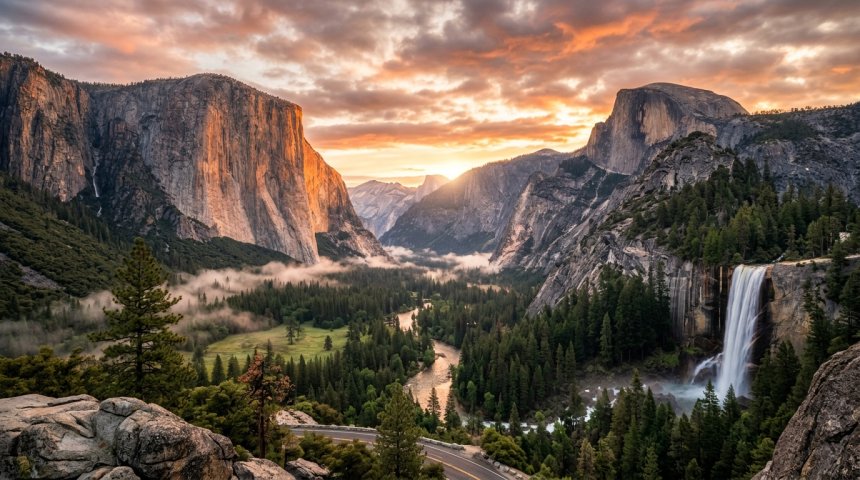
Yosemite National Park, a crown jewel of the American landscape, welcomes over four million visitors annually to its breathtaking expanse of nearly 1,200 square miles. As of 2026, this UNESCO World Heritage site remains one of the most significant protected wilderness areas in the United States, offering a profound glimpse into the geological forces that shaped the Sierra Nevada mountains. From the iconic granite monoliths of El Capitan and Half Dome to the thundering cascades of Yosemite Falls, the park provides an unparalleled sanctuary for those seeking to reconnect with the natural world.
The Geological Foundations of Yosemite
To truly appreciate the grandeur of Yosemite, one must look back millions of years. The park’s unique topography is the result of intricate geological processes, primarily the uplift of the Sierra Nevada range and the subsequent carving by massive glaciers. During the last ice age, glaciers moved through the V-shaped river valleys, widening and deepening them into the U-shaped valleys that characterize the park today.
The granite that forms the walls of Yosemite Valley is the result of molten rock, or magma, cooling deep beneath the earth's surface. Over millions of years, tectonic activity pushed this granite upward, and erosion stripped away the overlying rock layers, exposing the resilient stone we see today. This process is not static; even in 2026, the landscape continues to evolve through the persistent forces of weathering and rockfalls, reminding visitors that the park is a living, changing entity.
Exploring Yosemite Valley
The heart of the park is Yosemite Valley, a seven-mile-long canyon that holds the highest concentration of the park’s most famous landmarks. This is where most visitors begin their journey, and for good reason. The sheer scale of the valley walls, rising thousands of feet above the valley floor, creates a sense of wonder that few other places on Earth can match.
Yosemite Falls stands as one of the tallest waterfalls in North America. Its three-tiered drop is a spectacle of nature’s power, especially during the spring snowmelt. Visitors can hike to the base of the lower fall for a mist-filled experience or challenge themselves with the steep trek to the top of the upper fall for a panoramic view of the valley.
El Capitan, the world-renowned vertical rock formation, serves as a beacon for rock climbers from across the globe. Watching the tiny specks of climbers against the vast, smooth surface of the granite wall provides a scale that is almost impossible to comprehend. Meanwhile, Half Dome remains the quintessential symbol of the park. Its unique shape, formed by the exfoliation of granite layers, challenges thousands of hikers each year to reach its summit via the famous cable route.
The Biodiversity of the Sierra Nevada
Yosemite National Park is not just a collection of granite and water; it is a vital ecosystem supporting a staggering variety of flora and fauna. The park spans several life zones, from the low-elevation chaparral and oak woodlands to the high-alpine meadows and rocky peaks above the treeline.
In the lower elevations, black bears are perhaps the most famous residents. These intelligent creatures have adapted to the presence of humans, leading park officials to implement strict food storage regulations to ensure the safety of both visitors and the bears. Protecting these animals is a priority for park management in 2026, as human-wildlife conflict remains a persistent challenge in high-traffic areas.
The park is also home to the majestic giant sequoias, the largest trees on Earth. The Mariposa Grove, located near the southern entrance of the park, contains over 500 mature giant sequoias. Walking among these ancient giants, some of which are over 2,000 years old, offers a humbling perspective on time and endurance. Conservation efforts continue to focus on protecting these trees from climate-related threats, such as drought and wildfire, which have become more frequent in the 2020s.
Seasonal Transformations in 2026
Yosemite is a destination that reinvents itself with every season. In the spring, the park is a symphony of rushing water and blooming wildflowers. As the snow melts from the high country, the waterfalls reach their peak flow, and the valley floor turns a vibrant shade of green.
Summer brings warm, dry weather, making it the ideal time for high-altitude exploration. Trails like the Mist Trail or the ascent to Glacier Point are accessible, offering breathtaking vistas and cooler temperatures. However, summer is also the busiest time in the park, requiring careful planning regarding parking and accommodation. Many travelers choose to use the park's shuttle system to navigate the valley, reducing traffic congestion and their environmental footprint.
Autumn offers a quieter experience. As the crowds thin, the air turns crisp, and the deciduous trees begin to change color. The lower light levels cast long, dramatic shadows across the valley walls, making it a photographer’s paradise. It is often considered the best time for those looking for solitude and reflection.
Winter transforms Yosemite into a silent, frozen landscape. While many roads, such as Tioga Road and Glacier Point Road, close due to heavy snowfall, the valley remains open. Snowshoeing, cross-country skiing, and ice skating at the Curry Village rink become the primary activities. Seeing the granite domes dusted with snow is a magical experience that captures the raw, austere beauty of the Sierras.
Wilderness and Backcountry Adventures
For those who wish to venture beyond the paved roads and crowded viewpoints, Yosemite offers a vast wilderness area. Over 94% of the park is designated wilderness, meaning it is protected from development and accessible only by foot or horseback.
Backpacking in Yosemite requires a permit and a deep respect for Leave No Trace principles. Whether trekking to the remote reaches of the Tuolumne Meadows or exploring the high-altitude lakes of the Cathedral Range, the backcountry offers a level of immersion that is impossible to find elsewhere. It is here that visitors can truly experience the silence of the wilderness, interrupted only by the sound of wind in the pines or the call of a marmot.
In 2026, the park service emphasizes the importance of wilderness stewardship. As more people seek solace in nature, the pressure on these fragile environments grows. Hikers are encouraged to stay on marked trails and practice proper waste disposal to ensure that the backcountry remains pristine for future generations.
Historical Significance and Preservation
The history of Yosemite is deeply intertwined with the birth of the modern conservation movement. It was the advocacy of figures like John Muir and the foresight of President Abraham Lincoln that eventually led to the protection of this land. The Yosemite Grant Act of 1864 was a landmark moment, representing the first time a federal government set aside land specifically for public use and preservation.
Throughout the 20th century, the park faced various challenges, from the development of tourism infrastructure to the management of natural resources. Today, the focus has shifted toward balancing public access with the need to protect the park's fragile ecosystems. The management strategies employed in 2026 reflect a commitment to climate resilience, biodiversity conservation, and educational outreach.
Practical Tips for Visiting in 2026
Planning a trip to Yosemite requires preparation. Because of its popularity, reservations are often required for entry during peak periods. Visitors should check the official park website months in advance to secure lodging and entrance access.
When visiting, consider the following advice to make the most of your trip:
- Start your day early: Arriving before 8:00 AM helps avoid the worst of the traffic and ensures you find parking at popular trailheads.
- Respect the wildlife: Never feed the animals. Keep a safe distance from bears, deer, and other wildlife.
- Prepare for altitude: Much of the park is at high elevation. Drink plenty of water and take time to acclimate if you are planning strenuous hikes.
- Pack layers: Temperatures can fluctuate significantly throughout the day, especially between the valley floor and the high country.
- Use public transit: Once inside the park, use the free shuttle buses to travel between points of interest.
- Leave no trace: Pack out everything you pack in. The beauty of Yosemite depends on the collective responsibility of all who visit.
Photography and Artistic Inspiration
Yosemite has long been a source of inspiration for artists and photographers. From the dramatic black-and-white landscapes of Ansel Adams to the modern digital captures of today’s travelers, the park’s light and shadow have been documented in countless ways.
The key to great photography in Yosemite is patience. Wait for the "golden hour"—the time shortly after sunrise or before sunset—when the light hits the granite faces and brings out the warm, golden hues of the rock. Also, consider looking for reflections in the Merced River or capturing the movement of water in the various creeks that feed into the valley.
The Future of Yosemite
As we look toward the future, the primary challenge for Yosemite is climate change. Changing weather patterns, including more erratic snowfall and longer, hotter fire seasons, pose a direct threat to the park's ecosystems. In 2026, researchers are closely monitoring how the giant sequoias and alpine meadows are responding to these shifts.
Public engagement is more important than ever. By supporting conservation initiatives and participating in educational programs, visitors can play a role in the preservation of Yosemite. Whether through volunteering or simply by practicing responsible tourism, every individual contributes to the legacy of this national treasure.
Conclusion
Yosemite National Park is more than just a destination; it is a testament to the enduring power of nature and the importance of conservation. Its granite walls, ancient trees, and thundering waterfalls provide a space for reflection, adventure, and connection. As we navigate the complexities of the 21st century, places like Yosemite serve as vital reminders of what we stand to lose if we do not act as responsible stewards of the Earth. Whether you are a first-time visitor or a seasoned explorer, the park offers something unique to everyone who walks its trails. In 2026, the call of the wild remains as strong as ever, inviting us to step into the valley and experience the majesty of Yosemite for ourselves.
What is the best time of year to visit Yosemite?
The best time to visit depends on your interests. Spring (May and June) is ideal for waterfalls, as the snowmelt is at its peak. Summer (July through September) is best for hiking in the high country, though it is the busiest time. Autumn (October) offers pleasant temperatures and fewer crowds, while winter (November through March) is perfect for snow sports and experiencing the park’s quiet, dramatic beauty.
Do I need a permit to enter Yosemite in 2026?
Yes, depending on the time of year and specific activities. During peak seasons, the park often requires a vehicle reservation for entry. Additionally, if you plan to hike to the top of Half Dome, you must apply for a permit through a lottery system well in advance. Always check the current regulations on the official National Park Service website before planning your trip.
Are there options for lodging within the park?
Yes, Yosemite offers a variety of lodging options, ranging from historic hotels like The Ahwahnee to rustic cabins and tent cabins in Curry Village. There are also several campgrounds located throughout the park. Because demand is extremely high, it is highly recommended to book your accommodations as far in advance as possible, often up to a year ahead.
How can I stay safe while hiking in Yosemite?
Safety in Yosemite starts with preparation. Always carry the "ten essentials," including a map, compass, extra food and water, and proper clothing. Check the weather forecast before heading out, and be aware of your physical limits. If you are hiking in the backcountry, tell someone your itinerary. Finally, be mindful of wildlife; store food in bear-resistant containers to avoid attracting animals to your campsite.
Is the park accessible for people with disabilities?
Yosemite is committed to accessibility. Many of the most popular areas, including sections of the valley floor, are accessible via paved paths. The park also provides accessible shuttle buses and offers specific lodging and camping facilities designed for visitors with mobility challenges. It is best to review the park's accessibility guide online to plan your visit effectively.
How can I help protect Yosemite during my visit?
The best way to protect the park is to follow the "Leave No Trace" principles. This includes staying on marked trails, packing out all trash, and respecting wildlife by keeping a distance. You can also support the park by purchasing a pass, donating to the Yosemite Conservancy, or volunteering for trail maintenance programs. Your small actions contribute to the long-term health of the park's ecosystem.
The Geology of Granite: Understanding the Landscape
To truly appreciate the towering monoliths of Yosemite, one must look back millions of years. The park’s signature landscape is the result of a long, complex geological saga. It began with the slow cooling of molten rock—granodiorite—deep beneath the Earth’s surface. As the Sierra Nevada block was uplifted and tilted, these massive bodies of igneous rock were exposed to the elements.
However, the most dramatic changes occurred during the last few million years, primarily due to glacial activity. Massive rivers of ice carved deep, U-shaped valleys out of the pre-existing V-shaped river canyons, leaving behind the vertical cliffs, hanging valleys, and polished granite domes we see today. El Capitan and Half Dome are not merely mountains; they are the remnants of this intense glacial scouring. When you stand in the valley, you are standing on the floor of a former glacier, which explains the sheer steepness of the surrounding walls. Understanding this geological history adds a layer of awe to every view, turning a simple hike into a walk through deep time.
Flora and Fauna: A Biodiversity Hotspot
Yosemite’s dramatic elevation range—from roughly 2,000 feet at the park’s western boundary to over 13,000 feet at the summit of Mount Lyell—creates a diverse array of life zones. This variation allows the park to support an incredible number of species.
In the lower foothills, oak woodlands and chaparral dominate, providing habitat for mule deer, coyotes, and the elusive mountain lion. As you ascend, the transition into the montane forest introduces the towering Ponderosa pines, incense cedars, and the iconic giant sequoias. These ancient giants, found in groves like Mariposa, Tuolumne, and Merced, are among the largest living organisms on Earth. Their thick, fire-resistant bark is an evolutionary masterpiece, allowing them to survive the frequent low-intensity fires that historically cleared out competitive vegetation.
The high country, or subalpine and alpine zones, is a land of hardy, resilient life. Here, the trees become stunted and twisted, and the meadows burst into a brief but brilliant display of wildflowers during the short summer. It is in these high-altitude environments that you might spot the pika—a small, rabbit-like creature that spends its summer gathering grasses to survive the long, frozen winter—or the yellow-bellied marmot basking on sun-warmed rocks. Birdwatchers, too, find paradise here, with species ranging from the powerful peregrine falcon, which nests on the high granite cliffs, to the mountain chickadee and the great gray owl.
Protecting the Keystone Species: The Black Bear
Of all the animals in Yosemite, the American black bear is perhaps the most iconic and the most managed. With a population estimated between 300 and 500, these bears are an integral part of the ecosystem. Historically, bears in the park became accustomed to human food, leading to conflicts and dangerous interactions.
Today, the park’s "Keep Bears Wild" program is a model for wildlife management. The emphasis is entirely on preventing human-bear contact. Visitors are required to store all food, trash, and scented items in bear-resistant containers, and the park has installed hundreds of bear-proof lockers in campgrounds and parking lots. Because these bears are naturally wary of humans, the park rangers use "aversive conditioning" to keep them from approaching campsites. This ongoing effort has significantly reduced bear-related property damage and, more importantly, kept the bears healthy and wild. When you see a bear in the distance, it is a reminder of the delicate balance required to share space with such a magnificent predator.
The Cultural Heritage of the Ahwahneechee
Before Yosemite was a national park, it was the ancestral home of the Southern Sierra Miwok people, who called themselves the Ahwahneechee. They lived in the valley for thousands of years, managing the land through controlled burning and harvesting, which maintained the open meadows and abundant food sources.
The displacement of the Ahwahneechee during the mid-19th century, particularly following the Mariposa Indian War, is a somber chapter in the park's history. However, in recent decades, there has been a concerted effort to acknowledge and celebrate this deep connection. The Yosemite Museum and the Indian Village of Ahwahnee, located near the visitor center, offer visitors a chance to learn about the traditional lifestyle, basketry, and environmental practices of the indigenous people. In 2026, the park service continues to work with local tribes to ensure that their voices are part of the broader narrative of the valley, moving beyond the "pristine wilderness" myth to a more nuanced understanding of the landscape as a managed cultural space.
The Evolution of Climbing Culture
Yosemite is the undisputed epicenter of rock climbing in the United States. Since the mid-20th century, climbers have flocked to the valley to test themselves against the sheer granite faces of El Capitan and Sentinel Rock. The evolution of climbing techniques, from the early days of pitons and heavy steel gear to the modern era of cams, lightweight ropes, and free soloing, has been largely written here.
In the 1960s and 70s, legendary figures like Royal Robbins, Warren Harding, and Yvon Chouinard transformed the sport, turning "big wall" climbing into a legitimate pursuit. Today, the climbing community in the valley is as vibrant as ever. Whether it is the elite athletes pushing the boundaries of what is possible on the Nose of El Capitan or the bouldering enthusiasts working on technical problems in the meadows, the culture of climbing is woven into the fabric of the park. For the casual visitor, watching climbers through binoculars as they navigate the vertical miles of granite is a thrilling, albeit dizzying, way to spend an afternoon.
Exploring the Merced and Tuolumne River Watersheds
Water is the lifeblood of Yosemite. The park contains two major river systems: the Merced River, which flows through Yosemite Valley, and the Tuolumne River, which drains the high-country wilderness to the north. Both rivers are designated "Wild and Scenic," a federal recognition that protects them from dams and development.
The Merced River is famous for its powerful waterfalls—Yosemite Falls, Bridalveil Fall, and Nevada Fall—which are fed by the melting snowpack. In the heat of summer, the river becomes a popular spot for rafting and swimming, offering a refreshing respite from the valley sun. The Tuolumne River, conversely, is characterized by its high-altitude meadows and dramatic canyons. The Tuolumne Meadows area is one of the largest subalpine meadows in the Sierra Nevada and serves as a critical habitat for high-elevation flora and fauna. By protecting these watersheds, the park ensures the health of the entire regional ecosystem, providing clean water to the communities downstream and maintaining the essential moisture that keeps the valley green.
Stargazing: A Dark Sky Sanctuary
Because of its distance from major urban centers and its strict lighting policies, Yosemite offers some of the best stargazing in California. On a clear night, the lack of light pollution reveals the Milky Way in such stunning detail that it can feel as though you are looking at a three-dimensional map of the galaxy.
The best places for stargazing are the open meadows, such as El Capitan Meadow or Sentinel Meadow, where the view of the sky is unobstructed by trees. In the summer, the park often hosts astronomy programs where amateur and professional astronomers set up telescopes, allowing visitors to view distant nebulae, rings of Saturn, and lunar craters. Experiencing the night sky in Yosemite is a humbling reminder of the scale of the universe, providing a quiet, contemplative end to a day of physical exertion.
The Architectural Legacy: The Ahwahnee and Beyond
Yosemite’s architecture is a lesson in "Parkitecture"—a style designed to harmonize with the natural environment. The most famous example is The Ahwahnee, a historic hotel built in 1927. Its design features native stone and timber, with massive windows that frame views of the surrounding cliffs. The hotel was built to attract wealthy travelers, but it remains a symbol of the park’s commitment to providing luxury that respects the landscape.
Beyond the hotel, the park’s infrastructure—from the stone bridges that cross the Merced River to the rustic cabins of Curry Village—reflects a design philosophy that prioritizes natural materials and muted color palettes. Even the newer facilities are designed with sustainability in mind, utilizing solar energy and water-saving technologies to minimize the park's impact. Exploring the buildings of Yosemite is an exploration of how humans have attempted to live within this wild place, seeking a balance between convenience and preservation.
Volunteer Opportunities: Giving Back to the Park
For those who want to do more than just visit, Yosemite offers several ways to contribute. The Yosemite Conservancy is the primary nonprofit partner, funding projects ranging from trail restoration to wildlife research. Many visitors choose to become "citizen scientists," participating in bird counts or invasive species monitoring during their stay.
Volunteer programs are also available for those who can commit a longer period, allowing individuals to work alongside park staff on trail crews or in visitor education. These programs provide a unique perspective on the park, moving the experience from passive observation to active stewardship. Whether it is clearing a blocked path or helping to educate other visitors about fire safety, volunteering is a rewarding way to ensure the park remains a vibrant and healthy destination for the future.
Navigating the High Country: Tioga Road
Tioga Road is one of the most scenic drives in the United States. Stretching 39 miles across the high Sierra, it takes visitors from the valley floor to the alpine tundra of Tuolumne Meadows. This road is typically only open from late spring to early autumn due to the heavy snowfall that buries the region for most of the year.
The drive is a masterclass in ecological transition. As you climb, you leave the giant sequoias and Ponderosa pines behind, entering a landscape of granite spires, crystal-clear alpine lakes, and expansive, grass-filled basins. Key stops along the way include Olmsted Point, which offers a unique, side-on view of the back of Half Dome, and Tenaya Lake, a stunning, glacier-fed expanse of water that is perfect for a picnic or a cold swim. For those who want to escape the heat and crowds of the valley, the high country is the ultimate sanctuary.
The Role of Fire in the Ecosystem
Fire is perhaps the most misunderstood element of the Yosemite ecosystem. For decades, the policy was to suppress every fire as quickly as possible. However, ecologists eventually realized that this led to an unnatural buildup of "fuel"—dead wood and thick brush—that made subsequent fires much more destructive.
Today, the park uses a combination of prescribed burns and "managed lightning fires" to restore the natural cycle. Controlled fires clear out the understory, recycle nutrients back into the soil, and create the gaps in the forest canopy that allow new seedlings to grow. This approach has proven effective in mitigating the risk of catastrophic wildfires, ensuring that the giant sequoias and other fire-adapted species can continue to thrive. It is a bold, science-based approach that requires constant communication with the public, but it is essential for the long-term survival of the park’s forests.
Challenges of 2026: Balancing Access and Conservation
As we move further into the 2020s, the primary challenge for the National Park Service is managing the sheer number of people who want to experience Yosemite. With millions of visitors arriving annually, the park is under immense pressure. The implementation of reservation systems and vehicle quotas has been controversial but necessary to prevent the gridlock and environmental degradation that plagued the park in the late 2010s.
The goal is to shift the visitor experience from one of consumption to one of appreciation. By encouraging visitors to spend more time in less-traveled areas, providing better public transportation, and emphasizing the educational aspects of the park, the management hopes to create a sustainable model of tourism. The challenge is to maintain Yosemite as a "people's park" while ensuring that it does not become a victim of its own popularity.
The Lasting Impression of Yosemite
There is a profound, almost spiritual, quality to Yosemite. It is a place where the scale of the world is made visible, where the ancient granite and the rushing water combine to create a landscape that defies description. For many, a single trip to the valley is a life-changing event. It resets the internal clock, demands a slower pace, and encourages a deeper appreciation for the natural world.
Whether you leave with a camera full of photos, a journal filled with reflections, or simply a memory of the way the sun hits the face of El Capitan at dusk, you carry a piece of Yosemite with you. It is a reminder that there are still wild places left in the world—places that demand our respect, our protection, and our wonder. As you plan your visit in 2026 and beyond, remember that you are part of a long lineage of people who have come here seeking beauty, and you are now part of the history of its protection. Keep the trails clean, keep the wildlife wild, and keep the sense of awe that brought you here in the first place. Yosemite is waiting, and it is more than enough.
Preparing for the Unexpected: Weather and Safety
Even in the peak of summer, Yosemite can be unpredictable. The high Sierra is prone to sudden afternoon thunderstorms, which can bring lightning, hail, and rapid temperature drops. Being prepared for these shifts is a critical component of safety. Always carry a rain shell and extra layers, even if the morning starts with clear, blue skies.
Additionally, the physical demands of the park should not be underestimated. The elevation gain on many trails is significant, and the combination of thin air and steep terrain can quickly exhaust the unprepared hiker. Listen to your body, stay hydrated, and don't be afraid to turn back if the trail proves too challenging. The granite will be there on another day; your safety is the priority. By keeping your expectations realistic and your gear well-maintained, you ensure that your Yosemite experience is defined by adventure rather than adversity.
The Future of Research and Education
Yosemite is not just a destination; it is a living laboratory. Throughout the year, researchers from universities and government agencies work in the park to study everything from glacial retreat to the migration patterns of birds. These studies provide the data needed to make informed management decisions, helping the park adapt to the challenges of a changing climate.
Educational outreach remains a pillar of the park’s mission. From the junior ranger programs that introduce children to the wonders of nature to the advanced workshops for professional photographers and naturalists, the park is a place of constant learning. By investing in these programs, the park ensures that the next generation of stewards is ready to take up the mantle. When you visit, take the time to attend a ranger-led talk or visit one of the education centers. You will come away with a much deeper understanding of the complex, interconnected web of life that makes Yosemite the crown jewel of the American West.
Share
What's Your Reaction?
 Like
0
Like
0
 Dislike
0
Dislike
0
 Love
0
Love
0
 Funny
0
Funny
0
 Angry
0
Angry
0
 Sad
0
Sad
0
 Wow
0
Wow
0