The Ultimate Guide to Las Vegas, Nevada: 2026 Travel Tips
Planning a trip to Las Vegas, Nevada? Discover the best of the Entertainment Capital in 2026 with our ultimate guide to resorts, dining, and travel.

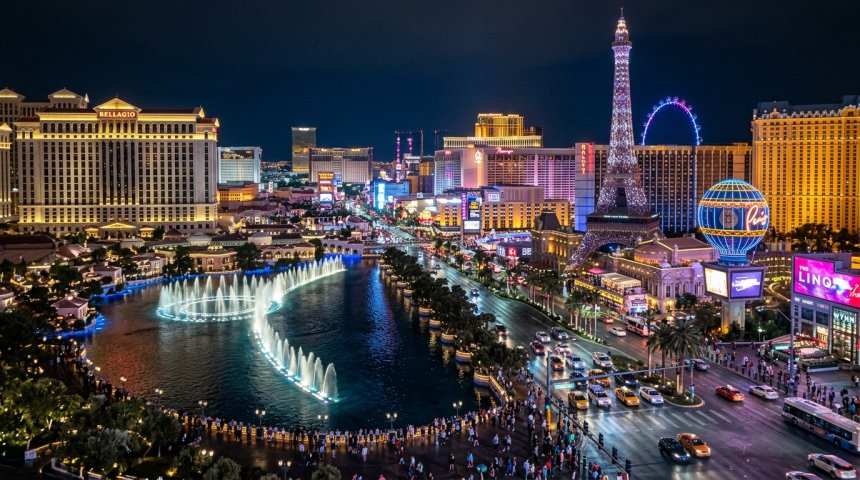
Las Vegas is a city that defies expectations. With over 40 million visitors annually as of 2026, it remains one of the most resilient and dynamic travel destinations on the planet. Often referred to as the Entertainment Capital of the World, Las Vegas is more than just a cluster of neon lights in the Mojave Desert; it is a complex ecosystem of luxury, history, innovation, and high-stakes commerce. Whether you are a first-time tourist wandering the Strip or a seasoned professional attending a trade show at the expanded convention centers, understanding the rhythm of this city is essential for a successful trip.
The Evolution of the Las Vegas Strip
The history of Las Vegas is a story of constant reinvention. What began as a dusty railroad stop in the early 20th century has transformed into a global hub for hospitality and gaming. In 2026, the skyline is dominated by massive, integrated resort complexes that serve as cities within cities. The evolution of the Strip reflects broader trends in global tourism, moving from a focus strictly on gambling to a diverse portfolio of entertainment, fine dining, and immersive technology.
The current landscape is defined by the integration of digital infrastructure into the guest experience. Resorts now prioritize seamless connectivity, using artificial intelligence to personalize everything from room temperature preferences to curated show recommendations. As the city continues to expand, urban planners are focusing on sustainability, implementing advanced water reclamation systems to combat the arid desert climate. This commitment to the environment ensures that Las Vegas remains a viable destination for generations to come.
Understanding the Geography of Las Vegas
To navigate Las Vegas effectively, one must distinguish between the Strip, Downtown, and the surrounding residential areas. The Strip, a four-mile stretch of Las Vegas Boulevard, is where the most iconic resorts reside. It is a pedestrian-friendly zone, though its massive scale often catches visitors off guard. Walking from one end of a single mega-resort to the other can take twenty minutes, so planning your route is vital.
Downtown Las Vegas, centered around the Fremont Street Experience, offers a different flavor. It is grittier, more historic, and often more affordable. This is where the original spirit of the city lives, with vintage casinos standing alongside modern boutique hotels. Beyond these hubs, the Las Vegas Valley encompasses neighborhoods like Summerlin and Henderson, which offer a glimpse into the daily lives of the nearly 700,000 people who call this city home.
The Gaming Industry and Modern Entertainment
While gambling remains a pillar of the local economy, the definition of entertainment in Las Vegas has shifted significantly in 2026. The rise of integrated resorts means that gaming floors are often secondary to the massive theaters, nightclubs, and culinary experiences on offer. The city has become a premier destination for live sports, following the successful introduction of major professional franchises that play in state-of-the-art arenas.
Furthermore, the integration of virtual reality and interactive gaming has brought a new demographic to the city. Resorts are increasingly designing "skill-based" gaming zones that appeal to younger generations who grew up with consoles rather than slot machines. This transition is not just a trend; it is a fundamental shift in how the city captures revenue and keeps guests engaged for longer periods.
Fine Dining and Culinary Excellence
Las Vegas has shed its reputation as a city of cheap buffets and late-night greasy spoons. Today, it is a legitimate culinary powerhouse. In 2026, the city boasts more Michelin-starred chefs per square mile than almost any other location in the United States. From high-end sushi prepared with fish flown in daily from Tokyo to avant-garde molecular gastronomy, the dining scene is as diverse as the population itself.
The key to enjoying the food scene is to look beyond the obvious. While the celebrity-chef restaurants on the main floor of the major casinos are excellent, the true gems are often hidden in the off-Strip districts or tucked away in the lobbies of boutique hotels. Many visitors find that the best meals are discovered by venturing into the local neighborhoods where chefs are experimenting with fusion concepts that haven't yet hit the mainstream Strip.
Navigating Logistics and Transportation
Getting around Las Vegas requires a strategy. While the city is famous for its bright lights and walkability, it is physically massive. In 2026, the transit system has been bolstered by expanded monorail routes and autonomous shuttle services that connect key tourist hubs. However, ride-sharing apps remain the primary mode of transit for most visitors.
Traffic on the Strip can be notoriously slow, especially during major conventions or holiday weekends. If you are staying at a major resort, it is often faster to walk through the interior of the casino than it is to take a taxi along the boulevard. For those planning to explore the surrounding natural beauty, such as Red Rock Canyon or the Hoover Dam, renting a car is highly recommended. Parking at major resorts has largely transitioned to paid models, so it is wise to factor this into your travel budget.
The Rise of Immersive Experiences
The most significant change in Las Vegas over the last few years has been the move toward total immersion. The city is no longer just about watching a show; it is about being part of one. Large-scale digital displays and haptic feedback environments have turned standard sightseeing into a multi-sensory journey. These attractions utilize cutting-edge projection mapping to transform the physical architecture of buildings into living art.
This shift has also influenced the way hotels are designed. Modern rooms are built with smart glass that changes opacity, integrated sound systems that sync with the city’s light shows, and climate control that anticipates your arrival. The goal is to create a frictionless experience where the technology disappears, leaving only the sensation of luxury and excitement.
Natural Wonders Beyond the Neon
One of the best-kept secrets of Las Vegas is its proximity to breathtaking natural landscapes. Just thirty minutes from the chaos of the Strip, you can find yourself in the serene silence of the Mojave Desert. Red Rock Canyon, with its towering sandstone peaks, provides a stark contrast to the man-made marvels of the city.
For those who enjoy hiking, rock climbing, or photography, the desert offers endless opportunities. It is crucial to remember that the climate in Nevada is unforgiving. Heat exhaustion is a real danger, even for those who consider themselves fit. Always carry more water than you think you need and avoid strenuous outdoor activities during the peak afternoon hours between June and September.
Planning Your 2026 Itinerary
When drafting your itinerary for a visit in 2026, start by identifying your primary goal. Are you there for the nightlife, the conventions, the food, or the outdoor activities? Because the city is so large, trying to do too much in one day will result in exhaustion. A better approach is to cluster your activities by geography. Spend one day exploring the North Strip, another in the center, and a third in Downtown or the surrounding desert.
It is also wise to book your major experiences—such as high-profile shows or dinner reservations at popular restaurants—well in advance. The digital concierge services at most major resorts allow you to build your schedule weeks before you arrive, ensuring you don't miss out on the most popular events.
Safety and Etiquette in the City
Las Vegas is generally safe, but like any large urban center, it requires common sense. Stick to well-lit areas, be aware of your surroundings, and keep your belongings secure in crowded spaces. The city’s hospitality staff are trained professionals; treating them with respect goes a long way in ensuring you get the best service possible.
Etiquette in the casinos is also something to keep in mind. If you are participating in table games, observe the house rules and avoid using your phone while at the table. Tipping is a standard part of the culture, not just for dealers, but for waitstaff, bellhops, and valet drivers. Showing appreciation for the hard-working staff of Las Vegas is the hallmark of a seasoned traveler.
The Economic Impact of Conventions
Business travel is the quiet engine that keeps Las Vegas running. In 2026, the city remains the world leader in trade show and convention hosting. The massive expansion of facilities has allowed for even larger gatherings, which in turn fuels the growth of local tech startups and service industries. If you are visiting for a conference, be prepared for high hotel occupancy rates and higher prices during major events. It is always a good idea to check the city's convention calendar before finalizing your travel dates.
Sustainability and Future Growth
Las Vegas is often criticized for its resource consumption, but in 2026, the city is making strides toward a greener future. Large-scale solar arrays now power significant portions of the grid, and water conservation efforts have become a mandate for all major resorts. The city is proving that even in the middle of a desert, it is possible to build a sustainable urban environment if the commitment to innovation is strong enough.
What is the best time of year to visit Las Vegas?
The ideal time to visit depends on your tolerance for heat. Spring (March to May) and Fall (September to November) offer the most pleasant weather, with temperatures ranging from 70 to 85 degrees Fahrenheit. Summer months are extremely hot, often exceeding 105 degrees, which can limit outdoor activities. However, summer is also when pool parties and nightlife are at their peak. Winter is mild and often cheaper, making it a great time for budget-conscious travelers.
Do I need a car to get around Las Vegas?
You do not strictly need a car if you plan to stay on the Strip, as walking, ride-sharing, and the monorail are sufficient. However, if you plan to visit Red Rock Canyon, the Hoover Dam, or local neighborhoods, renting a car is highly recommended. Keep in mind that parking fees at major resorts have become standard, so factor that into your overall budget.
Is Las Vegas still a gambling-focused city?
While gambling remains a significant part of the identity of Las Vegas, the city has evolved into a comprehensive resort destination. In 2026, guests are just as likely to visit for world-class dining, professional sports, immersive theater, and high-end shopping as they are for the casino floor. The modern Las Vegas experience is defined by variety rather than a singular focus on gaming.
How can I find the best deals on hotels?
The best way to find deals is to book directly through the resort’s website and join their loyalty programs. These programs often provide exclusive discounts, room upgrades, and waived resort fees. Additionally, visiting during the middle of the week rather than on weekends can significantly lower the cost of your stay. Avoiding major convention dates is another effective strategy for saving money.
Is Las Vegas family-friendly?
Yes, Las Vegas has moved beyond its "Sin City" reputation to offer a wide array of family-oriented activities. Many resorts feature elaborate pools, arcades, and interactive museums. There are also numerous non-gaming shows, such as magic acts, circus-style performances, and animal encounters, that are suitable for all ages. However, parents should be aware that the Strip can become very crowded and rowdy at night, so it is best to plan family activities for the daytime.
What is the legal age for gambling in Nevada?
The legal age for gambling in the state of Nevada is 21. This age limit is strictly enforced across all casinos. If you are 21 or older, you must be prepared to show a valid government-issued photo ID upon request. This rule also applies to consuming alcohol and entering certain nightclubs or lounges. Always carry your identification when exploring the city.
Conclusion
Las Vegas in 2026 is a testament to the power of human ingenuity and the desire for entertainment. It is a city that never stops evolving, constantly finding new ways to surprise and delight its visitors. Whether you are walking the neon-lit Strip, exploring the rugged beauty of the surrounding desert, or enjoying a meal prepared by a world-class chef, the experience is uniquely Las Vegas. By understanding the logistics, respecting the local culture, and planning your trip with a clear vision of what you want to achieve, you can ensure that your visit to this desert oasis is nothing short of extraordinary. The city waits for no one, but for those who know how to navigate it, it offers an experience that simply cannot be replicated anywhere else on Earth. As you prepare for your journey, keep in mind that the magic of Las Vegas is not just in the spectacle, but in the memories you create while navigating its vibrant, ever-changing landscape.
The Evolution of Sports Tourism
For decades, Las Vegas was famously resistant to the arrival of major professional sports leagues. The fear was that the influence of gambling would compromise the integrity of the games. However, the last decade has seen a complete reversal of this stance, transforming the city into one of the most vibrant sports capitals in the United States. In 2026, the landscape is defined by the roaring crowds at Allegiant Stadium, home to the Las Vegas Raiders, and the T-Mobile Arena, where the Vegas Golden Knights have turned hockey into a local obsession.
The "Vegas Golden Knights Effect" cannot be overstated. When the NHL team arrived, it galvanized the local community in a way that few could have predicted. It gave residents a sense of civic identity that existed independently of the tourism industry. This success paved the way for the Raiders, the Aces (WNBA), and a host of major international sporting events, including Formula 1 races that now wind directly through the city streets.
For the modern traveler, this means that your trip to Las Vegas can now revolve entirely around game days. The atmosphere in the city on a weekend when a major event is taking place is electric. Bars, sportsbooks, and restaurants curate specific experiences for fans, turning the entire Strip into a giant viewing party. Even if you aren't a die-hard sports fan, the energy of the city during these times is infectious. It is recommended to check the sporting calendar before you book, as hotel prices and crowd sizes fluctuate significantly during major games and tournaments.
Art and Culture Beyond the Casino Floor
While the neon lights and slot machines often dominate the headlines, Las Vegas has quietly cultivated a sophisticated art and culture scene that rivals major metropolitan centers like New York or Los Angeles. The Arts District, located just north of the Strip, has evolved into a thriving neighborhood filled with independent galleries, mural-covered walls, and performance spaces.
The First Friday festival, held monthly in the Arts District, is a must-visit for anyone looking to see the creative pulse of the city. It brings together thousands of locals for an evening of live music, art installations, and street food. It is here that you find the "real" Las Vegas—the one populated by artists, small business owners, and residents who are building a community outside the resort corridor.
Furthermore, the city’s museums have matured. The Neon Museum, where the historic signs of old Las Vegas go to "retire," offers a poignant look at the city's architectural history. The Mob Museum, housed in a historic federal courthouse, provides a gripping, detailed account of the city’s complex relationship with organized crime. These institutions provide essential context for understanding how a dusty railroad town in the middle of the Mojave transformed into a global gaming icon.
The Nuances of Las Vegas Hospitality
The service industry in Las Vegas is arguably the most efficient in the world. Because the city relies so heavily on tourism, the standard for hospitality is incredibly high. However, navigating this requires a bit of "insider knowledge."
Tipping is the social lubricant of Las Vegas. Whether it is a valet, a cocktail server, or a concierge, a small gratuity often opens doors that might otherwise remain closed. This is not just about being polite; it is about recognizing the labor that goes into maintaining the seamless facade of the resorts. A well-placed tip at a front desk, often referred to as the "sandwich method" (placing a bill between your ID and credit card), can occasionally lead to a room upgrade or a better view, provided you ask politely if any complimentary upgrades are available.
Additionally, the concept of the "concierge" has evolved. In 2026, many of these roles are handled by sophisticated AI-driven apps, but the human touch remains irreplaceable. Don’t hesitate to speak to the human concierge at your hotel. They are masters of the city’s "hidden" inventory—the last-minute show tickets, the off-menu items at restaurants, and the exclusive access to lounges that you won’t find on a travel website.
Culinary Adventures: From Street Food to Michelin Stars
The food scene in Las Vegas is a microcosm of global cuisine. Because the city caters to millions of visitors from every corner of the planet, the quality and variety of dining are unparalleled. You can start your day with a world-class croissant at a patisserie, have a mid-day lunch at a high-end food truck, and finish with a multi-course tasting menu prepared by a celebrity chef.
One trend that has taken hold in 2026 is the "elevated casual" experience. Resorts are moving away from stuffy, formal dining rooms in favor of vibrant, social spaces where the food is world-class but the atmosphere is relaxed. These restaurants often feature open kitchens, communal seating, and menus designed for sharing. It is a reflection of the younger, more social traveler that now makes up a large portion of the city's demographic.
For those on a budget, don't overlook the "hidden" dining spots. The food courts in the older downtown casinos or the ethnic restaurants located in the Chinatown district—just a few miles west of the Strip—offer some of the best culinary value in the country. If you want to eat like a local, head to Spring Mountain Road. It is a sprawling corridor of authentic Asian cuisine, ranging from Sichuan hot pot to Vietnamese pho and Japanese ramen, that has become the preferred dining destination for the city's culinary professionals.
The Architecture of Excess
The physical appearance of the Las Vegas Strip is a constant project of reinvention. The architecture here is designed to be disorienting, a deliberate strategy to keep visitors focused on the interior environments where the "action" happens. In 2026, this has reached its peak with the integration of massive LED skins that wrap around entire buildings.
Walking the Strip is an architectural tour of the world—or at least, a dream-like version of it. You move from the canals of Venice to the pyramids of Giza to the skyscrapers of New York City, all within a few miles. While critics have historically called this "kitsch," there is a growing appreciation for the sheer audacity of these structures. They represent a unique form of American folk art, built on a scale that defies logic.
When you are walking, take a moment to look up. The integration of light and structure is most impressive after sunset. The way the buildings interact with the night sky, creating a glowing canyon of light, is a sight that never loses its impact. It is a testament to the fact that Las Vegas is a city designed to be seen in the dark.
The Role of Technology in Modern Gambling
Technology has fundamentally changed the way people gamble in Las Vegas. While the traditional slot machine with a physical lever is a relic of the past, the new generation of gaming machines are marvels of software engineering. They feature high-definition graphics, immersive soundscapes, and complex narratives that make the experience feel more like a video game than a simple game of chance.
Moreover, the rise of mobile sports betting apps has changed the dynamic of the casino floor. You no longer need to be physically at a sportsbook to place a bet. You can sit at a pool, a restaurant, or even in your hotel room and wager on events happening in real-time. This has made the casino floor less about the mechanics of betting and more about the social environment. The modern gambler is often looking for a space to congregate, watch, and share the experience with others, rather than just staring at a screen in isolation.
Preparing for the Desert Climate
It is impossible to overstate the importance of respecting the desert environment. While the resorts are climate-controlled paradises, the moment you step outside, you are in a harsh, arid landscape. The humidity in Las Vegas is consistently low, which means that you can become dehydrated without even realizing it.
The "dry heat" is a common phrase, but do not let it fool you. It can be deceptive because you don't feel the sweat evaporating, leading to a false sense of security. Always carry a refillable water bottle. Many hotels now offer filtered water stations throughout their properties. If you are planning to spend time at the pools, remember that the sun is significantly stronger at this elevation. Use high-SPF sunscreen, wear a hat, and seek shade during the hottest part of the day.
If you are traveling with children, be especially vigilant. Kids are often so distracted by the excitement of the city that they forget to drink water. Establish a "water break" schedule to ensure everyone stays hydrated and healthy.
The Future of the "Vegas Experience"
As we look toward the latter half of the 2020s, the trajectory of Las Vegas seems clear: it is moving toward becoming a "hyper-city." This is a destination that integrates physical reality with digital overlays, where the boundaries between entertainment, commerce, and daily life continue to blur.
We are seeing the early stages of this with the rise of the "Metaverse-ready" resorts, where guests can interact with digital assets within the hotel environment. We are also seeing the integration of advanced robotics in service roles, from automated room service delivery to robotic bartenders. While some purists may lament the loss of the "old-school" Vegas charm, these innovations are what keep the city competitive in a global market where entertainment options are increasingly digital and remote.
Las Vegas is betting on the idea that humans will always crave physical presence. It is a city that thrives on the friction of real-world interaction—the sound of the crowd at a concert, the taste of a meal shared with friends, the feeling of the desert wind on your face. By combining the best of technological advancement with the timeless human need for communal experience, Las Vegas is positioning itself to remain the entertainment capital of the world for decades to come.
A Final Word of Advice
If there is one piece of advice for a visitor to Las Vegas in 2026, it is this: surrender to the pace of the city. Do not try to force a schedule that leaves you exhausted. The city is designed to be overwhelming, but it is also designed to be whatever you need it to be.
If you want to spend three days in a dark, quiet spa, you can do that. If you want to spend seventy-two hours straight at a blackjack table, you can do that too. If you want to explore the history of the mob, hike through canyons, or see the world’s most advanced live performances, all of those doors are open.
Las Vegas is a mirror. It reflects the desires, the energy, and the curiosity of the people who walk its streets. Approach it with an open mind, a sense of adventure, and a healthy respect for the desert, and you will find that it is far more than just a place to lose money. It is a place to find wonder, to experience the extraordinary, and to be reminded that in a world that is increasingly predictable, there is still room for a little bit of magic.
The Social Fabric of the City
Beyond the neon and the tourists, Las Vegas is a city of over two million people. It has a robust suburban life, a thriving local education system, and a diverse community that is often invisible to the average visitor. When you leave the Strip, you find quiet residential neighborhoods, lush parks, and a thriving local economy that is completely independent of the gaming industry.
This "hidden" Las Vegas is where the true character of the city resides. It is in the local coffee shops in Summerlin, the community theaters in Henderson, and the farmers' markets that pop up on weekends. Engaging with this side of the city can provide a much deeper appreciation for what it means to live and work in the Mojave Desert. Many visitors who return to Las Vegas year after year eventually find themselves spending more time in these local pockets than on the Strip. It is a way to ground the experience, to move from the temporary, artificial environment of the resort to the authentic life of the city.
Embracing the Unexpected
Finally, the most memorable moments in Las Vegas are rarely the ones you planned. It is the conversation you strike up at a bar with someone from halfway across the world, the street performer who captures your attention for an hour, or the view of the city lights from a helicopter as you fly over the valley at night.
Allow yourself the freedom to deviate from your itinerary. If you see a crowd gathering, join it. If you hear music coming from a lounge you hadn’t planned to visit, walk in. Las Vegas is a city of serendipity. By staying flexible and keeping your eyes open to the possibilities, you ensure that your trip is not just a vacation, but a series of moments that stay with you long after the neon has faded from your memory.
The city is a grand, unfolding performance. You are not just an audience member; you are part of the cast. The way you choose to interact with the city, the risks you take, and the connections you make—these are the things that define your Las Vegas story. Whether you leave with a fortune or just a collection of stories, the city will have left its mark on you, and you, in your own small way, will have left your mark on it.
Reflections on the "Entertainment Capital"
The title "Entertainment Capital of the World" is a heavy one to carry, but Las Vegas wears it with a kind of restless, nervous energy. It is a city that is never satisfied with its current success. The moment a new resort opens, the blueprints for the next one are already being drawn. This constant cycle of destruction and creation is the heartbeat of the city.
In 2026, we see this most clearly in the way the city is integrating its past with its future. The preservation of classic mid-century architecture is happening alongside the construction of avant-garde, tech-forward structures. This contrast is what makes the city visually and intellectually stimulating. It is a place where you can eat at a restaurant that has been a staple since the 1950s and then walk ten minutes to a venue that uses technology that won’t be available to the general public for another decade.
This duality is the soul of Las Vegas. It is a place that honors its history of excess while simultaneously pushing the boundaries of what is possible in the modern age. It is a city that invites you to dream, to play, and to explore. No matter how many times you have visited, there is always something new to discover, a new corner to turn, and a new experience to be had.
As you conclude your research and begin your journey, remember that the best way to experience Las Vegas is to bring your own brand of energy to the table. The city provides the stage, the lights, and the drama—but you are the one who determines the outcome of your visit. Enjoy the spectacle, respect the desert, and above all, enjoy the ride. The neon is waiting, and the city is ready to show you exactly what it is made of.
Final Logistics Check
Before you head to the airport or start your drive, double-check your checklist one last time. Have you confirmed your reservations? Do you have your ID handy? Have you packed for the desert? Is your budget flexible enough to account for the "Vegas factor"?
Most importantly, are you ready to be surprised? Las Vegas is a master of the unexpected. It thrives on subverting your expectations and challenging your assumptions. If you go in with an open heart and a sense of humor, you will find that the city rewards you in ways you didn't anticipate.
The desert is vast, the lights are bright, and the possibilities are, for all intents and purposes, endless. Welcome to the vibrant, chaotic, and utterly unique experience that is Las Vegas. May your trip be as memorable as the city itself.
Share
What's Your Reaction?
 Like
0
Like
0
 Dislike
0
Dislike
0
 Love
0
Love
0
 Funny
0
Funny
0
 Angry
0
Angry
0
 Sad
0
Sad
0
 Wow
0
Wow
0