Top 10 U.S. Wildlife Travel Destinations in 2026: American Safaris, National Parks and Eco‑Tour Trends
The United States is emerging as one of the world’s most diverse wildlife travel markets. From grizzly bears and gray wolves to manatees, sea turtles and humpback whales, U.S. travelers don’t have to leave the country to experience safari‑style adventures. In 2026, wildlife tourism in America is expected to keep growing as travelers look for nature‑focused, sustainable trips and unique encounters beyond crowded city breaks.


Below are ten of the most promising U.S. wildlife travel destinations for 2026, along with key experiences and business angles that show how wildlife tourism is reshaping the American travel industry.
1. Yellowstone & Grand Teton: The Classic American Safari
The Greater Yellowstone Ecosystem, spanning Wyoming, Montana and Idaho, is often called “America’s Serengeti.” It’s one of the best places in the world to see large mammals in their natural habitat.
Signature wildlife:
- Bison, elk, pronghorn and mule deer
- Grizzly and black bears
- Gray wolves and coyotes
- Bald eagles, trumpeter swans and other raptors
Top travel experiences:
- Dawn and dusk wildlife drives in Lamar Valley and Hayden Valley
- Guided wolf‑watching trips with spotting scopes and expert naturalists
- Spring “calving season,” when bison and elk give birth
- Photography tours focused on bears, landscapes and geothermal features
Business impact:
Yellowstone and neighboring Grand Teton support a year‑round ecosystem of guides, lodges, outfitters, shuttle companies and local eateries. Demand is rising for small‑group, higher‑end wildlife tours, remote‑work friendly cabins and shoulder‑season packages that spread visitation beyond peak summer months.
2. Alaska: Bears, Whales and Big Wilderness
Alaska remains the ultimate U.S. frontier for wildlife travel. Its remote landscapes attract visitors from around the world who want encounters that feel rare and genuinely wild.
Signature wildlife:
- Brown bears (grizzlies), black bears and polar bears (in limited regions)
- Humpback and orca whales
- Moose, Dall sheep and caribou
- Puffins, sea otters and Steller sea lions
Top travel experiences:
- Bear viewing in Katmai and Lake Clark National Parks, often accessed by small plane or boat
- Whale watching in Southeast Alaska near Juneau and Sitka
- Glacier and fjord cruises in Kenai Fjords National Park
- Denali wildlife safaris featuring moose, bears and caribou
Business impact:
Short summer seasons mean Alaska’s operators must maximize revenue in a limited window. Cruise lines, local tour companies, floatplane operators and small lodges are increasingly marketing “eco‑certified” and low‑impact trips to attract travelers who care about conservation and climate‑aware travel.
3. Everglades, Florida: America’s Subtropical Wetland
The Florida Everglades offer an entirely different kind of wildlife travel—one based on subtropical wetlands, mangroves and an intricate web of waterways.
Signature wildlife:
- Alligators and American crocodiles
- Manatees and dolphins in coastal waters
- Iconic bird life, including herons, egrets, ibises and roseate spoonbills
- Elusive Florida panthers and bobcats (rarely seen but important to the ecosystem)
Top travel experiences:
- Guided kayaking and canoe tours through mangrove tunnels
- Educational boat tours that highlight birds, reptiles and ecosystem health
- Manatee viewing in nearby coastal areas during cooler months
- Bird‑watching during winter migration seasons
Business impact:
The Everglades region supports airboat tours, eco‑lodges, local restaurants and outfitters. At the same time, there is rising pressure to balance tourism with environmental protection. Companies that emphasize ethical wildlife viewing, limit disturbance and partner with conservation organizations are better positioned to attract future travelers and avoid regulatory backlash.
4. Great Smoky Mountains: Accessible Biodiversity Hotspot
Straddling Tennessee and North Carolina, Great Smoky Mountains National Park is the most visited national park in the United States, and its popularity increasingly includes wildlife‑focused travelers.
Signature wildlife:
- Black bears, white‑tailed deer and wild turkeys
- Salamanders and diverse amphibians (the park is often called the “Salamander Capital of the World”)
- Songbirds and migratory birds
Top travel experiences:
- Early morning drives in Cades Cove and Cataloochee Valley to spot black bears and deer
- Guided bird‑watching and photography outings
- Spring wildflower season combined with wildlife viewing
- Night walks and educational programs focusing on fireflies and nocturnal species
Business impact:
Surrounding gateway towns have seen a boom in cabins, short‑term rentals, campgrounds and glamping resorts. There is growing opportunity for curated, small‑group wildlife tours that differentiate from generic scenic drives, as well as wellness‑plus‑nature packages aimed at visitors from Atlanta, Charlotte, Nashville and beyond.
5. Pacific Northwest & Olympic Peninsula: Rainforest, Coast and Marine Life
Washington State’s Olympic Peninsula offers an unusual combination of temperate rainforest, rugged coastline and mountain habitats—making it a compelling wildlife travel destination in a compact region.
Signature wildlife:
- Roosevelt elk and black bears
- Gray whales, orcas and harbor seals along the coast
- Sea birds, bald eagles and shorebirds
Top travel experiences:
- Whale watching tours from Puget Sound and the Strait of Juan de Fuca
- Wildlife walks in Hoh Rain Forest and Quinault rain forest areas
- Beachcombing and tidepool exploration on the Pacific coast
- Multi‑day itineraries that combine Seattle city stays with wildlife‑focused side trips
Business impact:
The Pacific Northwest benefits from strong air connectivity and a tech‑driven remote work population that can combine work and wildlife travel. Operators are building packages that mix whale watching, coastal hikes and culinary tourism, appealing to higher‑spend visitors looking for “soft adventure” rather than extreme expeditions.
6. California Coast & Channel Islands: Marine Wildlife Highway
The California coast, from Monterey Bay to the Channel Islands, functions as a highway for marine life. These waters are among the best in North America for whale watching and ocean wildlife tours.
Signature wildlife:
- Humpback, gray and blue whales (depending on season)
- Dolphins, sea lions and harbor seals
- Sea otters in areas like Monterey Bay
- Nesting seabirds on offshore islands
Top travel experiences:
- Whale watching cruises from San Diego, Long Beach, Santa Barbara and Monterey
- Day trips to Channel Islands National Park for birding, snorkeling and sea cave kayaking
- Guided sea otter viewing and coastal hikes
- Multi‑day coastal road trips linking wildlife stops with wine regions and national parks
Business impact:
California’s marine wildlife travel supports charter boat operators, eco‑tour companies, coastal hotels and local restaurants. As awareness of ocean conservation grows, businesses that adopt responsible viewing guidelines, reduce plastic use and support marine research are gaining reputational advantages in a competitive market.
7. American Prairie & Great Plains: New Frontier for “American Safari”
Beyond famous mountain parks and coasts, the Great Plains are quietly positioning themselves as the next big story in U.S. wildlife travel.
Signature wildlife:
- Bison, pronghorn, elk and deer
- Prairie dogs, coyotes and raptors
- Migratory birds, including sandhill cranes in certain regions
Top travel experiences:
- Bison‑focused safaris on protected prairies and private reserves in states like Montana, South Dakota and Nebraska
- Bird migration viewing along the Central Flyway, including sandhill crane gatherings
- Stars‑plus‑wildlife packages that combine night sky observation with daytime prairie ecology tours
Business impact:
“American safari” concepts are creating new revenue streams in rural communities traditionally dependent on agriculture and extractive industries. Lodges, ranch stays and guided tours can draw visitors seeking open spaces, dark skies and quieter alternatives to crowded national parks.
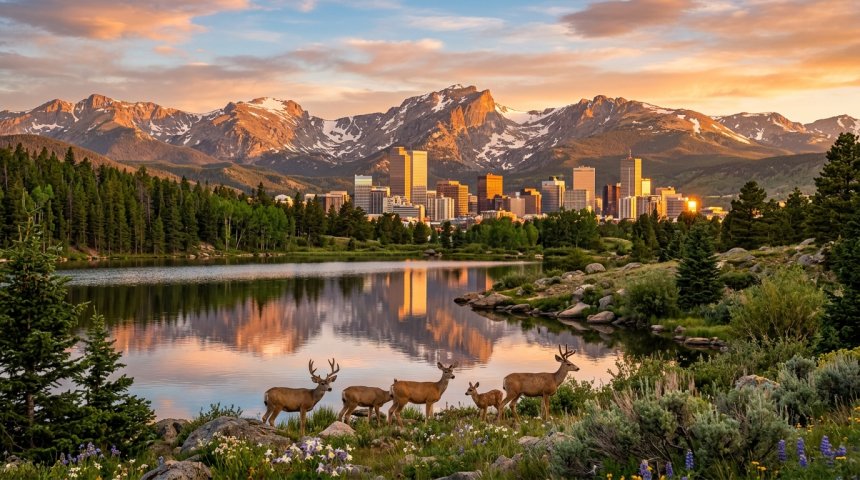
8. Rocky Mountain National Park & Colorado Rockies: High‑Altitude Wildlife
Colorado offers easily accessible high‑altitude ecosystems and charismatic wildlife that appeal to both first‑time visitors and repeat mountain travelers.
Signature wildlife:
- Elk, mule deer and bighorn sheep
- Moose in certain valley areas
- Marmots, pikas and alpine bird species
Top travel experiences:
- Fall elk rut viewing along Trail Ridge Road and in meadows near Estes Park
- Sunrise and sunset photography tours targeting wildlife and mountain light
- Snowshoe and winter wildlife tracking trips run by guides and naturalists
- Year‑round lodging and cabin stays catering to remote workers and extended vacations
Business impact:
Rocky Mountain gateway towns like Estes Park, as well as ski‑resort communities that diversify into four‑season tourism, rely on wildlife as part of their brand. Travel businesses are layering in educational content—guided walks, ranger talks, citizen science programs—to appeal to families and travelers who want more than a scenic drive.
9. Hawaii (Maui, Kauai, Big Island): Ocean and Island Wildlife
Hawaii’s natural appeal goes beyond beaches. Its islands are home to unique marine life, endemic birds and rare ecosystems found nowhere else on earth.
Signature wildlife:
- Humpback whales (primarily winter and early spring)
- Sea turtles and reef fish
- Hawaiian monk seals (endangered and protected)
- Native forest birds in higher elevation areas
Top travel experiences:
- Whale‑watching cruises from Maui and other islands during migration season
- Guided snorkel and kayak tours that emphasize responsible wildlife viewing
- Forest hikes on Kauai and the Big Island focused on native plants and bird life
- Educational experiences about invasive species, coral reefs and island conservation
Business impact:
Hawaii’s tourism economy depends on maintaining the balance between visitor numbers and environmental health. Operators that follow strict wildlife interaction rules, limit group sizes and invest in reef‑safe practices are better positioned as regulators and consumers demand more responsible travel.
10. Wetlands and Flyways of the Midwest and South: Birding and Seasonal Spectacles
From the Mississippi Flyway to the Gulf Coast, the U.S. hosts some of the world’s most impressive bird migrations and wetland wildlife spectacles.
Signature wildlife:
- Migratory waterfowl, shorebirds and songbirds
- Sandhill cranes, snow geese and pelicans
- Alligators, turtles and wetland mammals in southern regions
Top travel experiences:
- Spring and fall birding festivals in states like Texas, Louisiana, Arkansas and Missouri
- Guided photography workshops that focus on mass migrations
- Boat and boardwalk tours through wildlife refuges and national wildlife areas
- Combined trips that mix birding with food, music and cultural tourism in nearby cities
Business impact:
Birding tourism is a niche but growing segment that can fill hotel rooms and restaurants in shoulder seasons. Communities near national wildlife refuges are investing in observation towers, trails and visitor centers, while private guides create premium, small‑group experiences for enthusiasts who are willing to travel and spend for rare sightings.
Key Wildlife Travel Trends Shaping the U.S. Market in 2025
Across these destinations, several clear trends are influencing how travelers choose, book and experience wildlife trips in the United States:
-
Ethical and Responsible Wildlife Viewing
Travelers are more aware of the impact of human behavior on animals. Demand is rising for operators who keep safe distances, avoid baiting or harassment, and follow scientific guidelines. -
Small‑Group, High‑Value Experiences
Instead of large bus tours, many visitors are booking small vans, safari‑style vehicles, private guides and specialty workshops. This allows businesses to charge higher margins while reducing crowding. -
Shoulder‑Season and Year‑Round Wildlife Travel
To avoid peak crowds and extreme weather, travelers are discovering spring and fall wildlife events such as elk rutting, bird migrations and whale migrations. This creates opportunities for more stable, year‑round revenue. -
Remote Work and Extended Stays
Travelers who can work from anywhere are booking cabins, lodges and rentals near wildlife destinations for weeks or months, then stacking weekend safaris and park visits on top of their work schedule. -
Data‑Driven Trip Planning
Search trends, social media and real‑time wildlife reports are guiding where people go. Destinations that share accurate wildlife updates and educational content online can capture more organic traffic and bookings.
Building a Wildlife Travel Strategy in the U.S.
For travel businesses, media outlets and investors, wildlife tourism offers a rare combination of strong demand and long‑term growth potential—if it’s managed carefully.
- Tour Operators can specialize in one ecosystem (e.g., bears in Alaska, wolves in Yellowstone, whales in California) and build a strong brand around expertise and ethical practices.
- Hotels and Rentals can position themselves as wildlife‑friendly bases with early breakfast options, packed lunches, gear storage and partnerships with local guides.
- Destinations and DMOs (Destination Marketing Organizations) can promote lesser‑known wildlife seasons and areas to spread visitors more evenly, reducing strain on single hot spots.
- Content Creators and News Sites can drive traffic by covering wildlife forecasts, regulatory changes, conservation success stories and new tour offerings.
As climate change, conservation policy and consumer behavior evolve, wildlife travel in the United States will continue to change. But one thing is clear: travelers are increasingly seeking experiences that feel real, wild and meaningful—and they’re willing to spend on destinations and brands that deliver those moments responsibly.
Share
What's Your Reaction?
 Like
0
Like
0
 Dislike
0
Dislike
0
 Love
0
Love
0
 Funny
0
Funny
0
 Angry
0
Angry
0
 Sad
0
Sad
0
 Wow
0
Wow
0