Honolulu & O‘ahu, Hawaii: Your Ultimate Island Guide 2026
Explore Honolulu & O‘ahu, Hawaii in 2026! Discover vibrant city life, stunning beaches, rich culture, and unforgettable adventures on 'The Gathering Place'.

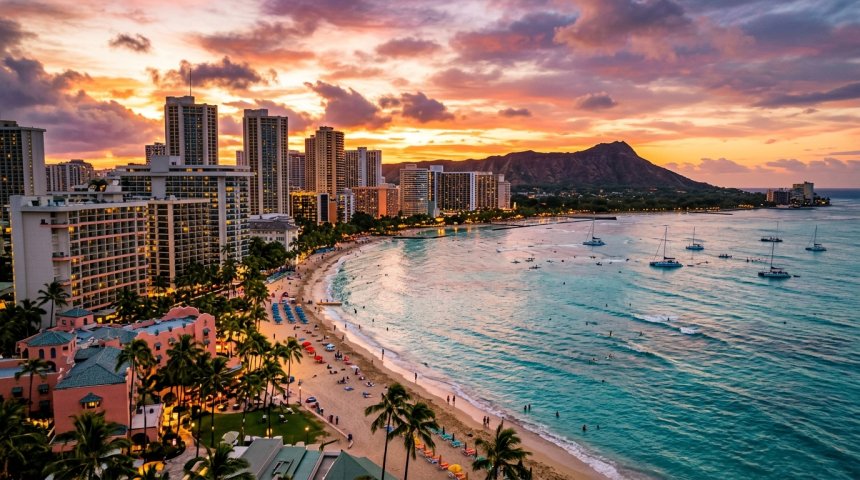
Honolulu, the vibrant capital of Hawaii, welcomes over 10 million visitors annually, making it one of the most popular tourist destinations in the United States. But Oʻahu, the island on which Honolulu sits, is far more than just its bustling city center. It's a place where ancient traditions meet modern innovation, where dramatic volcanic landscapes give way to world-famous surf breaks, and where the spirit of aloha permeates every corner. This island, known as "The Gathering Place," truly offers something for everyone, from the sun-drenched shores of Waikīkī to the historic battlefields of Pearl Harbor and the lush rainforests of the North Shore.
Oʻahu's allure lies in its incredible diversity. It's a melting pot of cultures, a hub of economic activity, and a natural paradise. From the majestic peaks of the Koʻolau and Waiʻanae mountain ranges to the crystal-clear waters teeming with marine life, the island is a testament to nature's artistry. Whether you're seeking adventure, relaxation, cultural immersion, or a taste of island life, Oʻahu promises an unforgettable experience. This guide delves deep into what makes Oʻahu and its capital, Honolulu, so special, exploring its history, attractions, culture, and the unique spirit that draws people from across the globe.
The Enchanting Landscape of Oʻahu
Oʻahu's geography is a stunning mosaic shaped by volcanic activity and the relentless power of the Pacific Ocean. The island is broadly divided into distinct regions, each with its own character and appeal.
The South Shore: Honolulu and Waikīkī's Embrace
This is the most populated and developed part of Oʻahu, dominated by the urban sprawl of Honolulu and the iconic resort strip of Waikīkī. Honolulu itself is a city of contrasts. Gleaming skyscrapers stand alongside historic buildings, reflecting a rich past and a dynamic present. The city is the political and economic heart of Hawaii, but it also boasts beautiful beaches, lush parks, and a thriving arts and culinary scene.
Waikīkī, once a retreat for Hawaiian royalty, is now a world-renowned destination for beach lovers and surfers. Its crescent-shaped beach, backed by towering hotels and vibrant shops, is a postcard-perfect image of tropical paradise. The gentle waves here are ideal for beginner surfers, and the lively atmosphere makes it a hub of activity day and night. Beyond the beach, Waikīkī offers upscale shopping, diverse dining options, and a vibrant nightlife.
Diamond Head (Lēʻahi), a majestic volcanic tuff cone, presides over the eastern end of Waikīkī. This iconic landmark offers a challenging but rewarding hike to its summit, providing panoramic views of the coastline and the Pacific Ocean. The crater itself is a geological marvel, a remnant of a volcanic eruption that occurred thousands of years ago.
The East Side: Windward Wonders
The Windward Coast, facing the prevailing trade winds, is characterized by dramatic, emerald-green cliffs, lush valleys, and stunning beaches. The Koʻolau mountain range forms a breathtaking backdrop, its jagged peaks often shrouded in mist.
- Kailua and Lanikai: These towns are famous for their pristine beaches, consistently ranked among the best in the world. Kailua Beach Park offers soft white sand, calm waters perfect for swimming and kayaking, and excellent windsurfing conditions. Lanikai Beach, often described as paradise, boasts powdery sand and turquoise waters dotted with Mokulua Islands, two picturesque islets offshore.
- Hanauma Bay Nature Preserve: This crescent-shaped bay, a collapsed volcanic cone, is a protected marine life conservation area and one of the most popular snorkeling spots in Hawaii. Its shallow, clear waters are teeming with vibrant coral reefs and a dazzling array of tropical fish, offering an unparalleled underwater spectacle. Due to its popularity and conservation efforts, access is regulated, requiring reservations.
- Makapuʻu Point: Home to the historic Makapuʻu Point Lighthouse, this area offers spectacular coastal views. The paved trail to the lighthouse is popular for hiking and whale watching during the winter months. The dramatic cliffs and blowholes along this stretch of coast are a sight to behold.
The North Shore: Legendary Waves and Laid-Back Vibes
The North Shore is the undisputed mecca of big-wave surfing during the winter months. Renowned surf breaks like Waimea Bay, Banzai Pipeline, and Sunset Beach attract professional surfers and spectators from around the globe. The sheer power and beauty of these waves are awe-inspiring, even if you're not a surfer yourself.
Beyond the surf, the North Shore retains a more rural and laid-back atmosphere. Charming towns like Haleʻiwa offer a glimpse into a slower pace of life, with art galleries, surf shops, and local eateries.
- Waimea Valley: This lush botanical garden and cultural site offers a peaceful escape. A paved path winds through ancient Hawaiian archaeological sites and diverse plant collections, leading to a beautiful waterfall where visitors can swim.
- Laniakea Beach: Often called "Turtle Beach," this spot is famous for its frequent sightings of Hawaiian green sea turtles (honu) basking on the sand. It's a magical experience, but it's crucial to observe these protected creatures from a respectful distance.
- ʻEhukai Beach Park (Banzai Pipeline): While not for the casual swimmer due to its powerful shore break, this beach is legendary among surfers for its iconic, hollow waves that break over a shallow reef.
The West Side: Majestic Mountains and Secluded Shores
The Waiʻanae mountain range dominates the West Side of Oʻahu, presenting rugged, dramatic landscapes. This region is less developed than the south and east, offering a more authentic and less crowded experience.
- Kaʻena Point State Park: Located at the northwesternmost tip of Oʻahu, this rugged and remote park offers dramatic coastal scenery, hiking trails, and is a crucial nesting site for albatross. The drive to the park's entrance is scenic, and the trails provide a sense of true wilderness.
- Mākaha Beach Park: Known for its powerful waves that attract experienced surfers, Mākaha also offers beautiful sandy shores and a more local feel.
- Ko Olina Lagoons: This resort area features a series of man-made, protected lagoons that are perfect for families and those seeking calm swimming conditions.
A Tapestry of History and Culture
Oʻahu's story is deeply intertwined with the history of Hawaii itself. From ancient Polynesian voyagers to the establishment of the Hawaiian Kingdom and its eventual annexation, the island has witnessed pivotal moments that have shaped its identity.
Ancient Hawaiʻi: The Land of the Aliʻi
Before European contact, Oʻahu was a thriving center of Polynesian life. The island was divided into districts called moku, and powerful chiefs, known as aliʻi, ruled over the land and its people. The ancient Hawaiians developed a sophisticated society with complex social structures, religious practices, and a deep understanding of the natural world. They were skilled navigators, farmers, and fishermen, living in harmony with the āina (land).
Archaeological sites across Oʻahu, such as the Puʻu o Mahuka Heiau State Monument on the North Shore, offer glimpses into this ancient past. These sacred sites, once used for religious ceremonies and gatherings, are remnants of a rich cultural heritage.
The Hawaiian Kingdom: A Monarchy in the Pacific
In 1795, Kamehameha I, the great unifier of the Hawaiian Islands, conquered Oʻahu, bringing the island under his rule and establishing the Kingdom of Hawaiʻi. Honolulu gradually emerged as the kingdom's capital, a center of commerce and diplomacy. During the 19th century, the monarchy faced increasing influence from foreign powers, leading to significant social and political changes.
The ʻIolani Palace in Honolulu stands as a testament to this era. It is the only royal palace in the United States and offers a fascinating look into the lives of Hawaiian monarchs like King Kalākaua and Queen Liliʻuokalani. The palace grounds also contain the King Kamehameha Statue, a prominent landmark.
The Impact of Western Contact and Annexation
The arrival of missionaries and traders in the 19th century brought significant changes to Hawaiian society, including the introduction of Christianity, Western education, and new economic systems. The overthrow of Queen Liliʻuokalani in 1893 and the subsequent annexation of Hawaii by the United States in 1898 marked a profound turning point in the island's history.
Pearl Harbor: A Defining Moment in World History
No visit to Oʻahu is complete without a visit to Pearl Harbor. This historic naval base on the island's southern coast was the site of the devastating Japanese attack on December 7, 1941, an event that propelled the United States into World War II. Today, Pearl Harbor is a national memorial, honoring the servicemen and women who lost their lives. The USS Arizona Memorial, the Battleship Missouri Memorial, and the Pearl Harbor Aviation Museum offer poignant and educational experiences, reflecting on a crucial chapter in global history.
Oʻahu Today: A Blend of Traditions
Modern Oʻahu is a vibrant multicultural society, a harmonious blend of Native Hawaiian, Asian, European, and American influences. This rich cultural tapestry is evident in its language, cuisine, festivals, and everyday life. The spirit of aloha – a concept encompassing love, peace, compassion, and mutual respect – is deeply ingrained in the island's culture and is something visitors often feel during their stay.
Experiencing Oʻahu: Activities and Attractions
Oʻahu offers an unparalleled range of activities, catering to every interest and energy level.
Beaches and Water Sports: Sun, Sand, and Surf
The beaches of Oʻahu are legendary, offering diverse experiences:
- Waikīkī Beach: Perfect for swimming, sunbathing, and learning to surf. Numerous surf schools offer lessons for all ages and skill levels.
- Hanauma Bay: A world-class snorkeling destination, renowned for its abundant marine life and clear, calm waters.
- North Shore Beaches (Waimea Bay, ʻEhukai Beach, Sunset Beach): Famous for their massive waves in winter, attracting expert surfers. In summer, these beaches often have calmer conditions suitable for swimming and bodyboarding.
- Kailua Beach and Lanikai Beach: Consistently ranked among the world's most beautiful beaches, ideal for swimming, kayaking, and relaxing.
Beyond surfing, Oʻahu is a paradise for:
- Snorkeling and Diving: Explore vibrant coral reefs and encounter sea turtles, colorful fish, and even dolphins.
- Kayaking and Paddleboarding: Glide across calm bays or explore the coastline.
- Boat Tours and Cruises: Enjoy sunset sails, dolphin watching excursions, or whale watching tours during the winter season.
- Fishing: From deep-sea fishing adventures to local pier fishing, the waters around Oʻahu offer ample opportunities.
Hiking and Nature Exploration: Trails and Vistas
Oʻahu's diverse topography provides incredible hiking opportunities:
- Diamond Head (Lēʻahi): An iconic hike offering spectacular views of Waikīkī and the coastline. The summit trail is paved but steep in places.
- Manoa Falls Trail: A relatively easy hike through a lush rainforest, leading to a beautiful waterfall. This trail is often misty and humid, adding to the tropical ambiance.
- Koko Head Crater Trail: A strenuous hike up a former railway track, rewarding adventurers with panoramic views of the south shore.
- Makapuʻu Point Lighthouse Trail: A paved, moderate hike offering stunning ocean views and opportunities for whale watching in season.
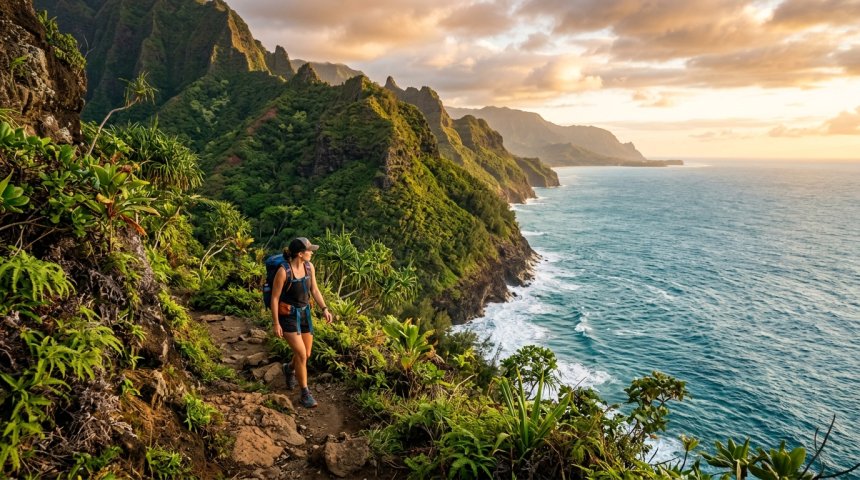
- Kaʻena Point Trails: Offering coastal hikes with dramatic ocean vistas and a chance to see seabirds and seals.
Cultural Immersion: History, Arts, and Traditions
Oʻahu is rich in cultural experiences:
- ʻIolani Palace: Step back in time and explore the only royal palace in the United States, learning about Hawaii's monarchy.
- Bishop Museum: The premier museum for Hawaiian and Pacific cultural and natural history. It houses extensive collections of artifacts, exhibits, and research.
- Polynesian Cultural Center: Located on the North Shore, this living museum showcases the cultures of Polynesia through interactive exhibits, performances, and demonstrations.
- Honolulu Museum of Art: Discover a diverse collection of Asian, European, American, and Hawaiian art.
- Chinatown, Honolulu: Explore one of the oldest Chinatowns in the United States, a vibrant district filled with markets, temples, and diverse culinary offerings.
- Attend a Luʻau: Experience traditional Hawaiian food, music, and hula performances for a festive cultural evening.
Culinary Delights: A Taste of Paradise
Oʻahu's food scene is as diverse as its population, offering a fusion of flavors from around the world:
- Local Favorites: Don't miss trying poke (cubed raw fish), lau lau (pork or fish wrapped in taro leaves and steamed), kalua pig (slow-roasted pork), and shave ice.
- Plate Lunches: A quintessential Hawaiian meal, typically consisting of two scoops of rice, a scoop of macaroni salad, and an entrée like teriyaki chicken, katsu, or BBQ beef.
- Fresh Seafood: Enjoy the bounty of the Pacific with freshly caught fish prepared in various delicious ways.
- International Cuisine: From authentic Japanese ramen and Korean barbecue to Vietnamese pho and Italian pasta, Honolulu offers a world-class dining experience.
- Farmers' Markets: Sample fresh, local produce, tropical fruits, and artisanal treats.
Shopping: From Souvenirs to High Fashion
Oʻahu offers a wide array of shopping experiences:
- Waikīkī: Home to luxury boutiques, surf shops, and souvenir stores.
- Ala Moana Center: One of the largest open-air shopping malls in the world, featuring a vast selection of department stores, designer brands, and local shops.
- Haleʻiwa Town: Browse unique art galleries, surf shops, and boutiques selling local crafts and fashion.
- Local Craft Fairs: Discover handmade jewelry, art, and other unique souvenirs.
Planning Your Oʻahu Adventure
To make the most of your trip to Oʻahu, careful planning is essential.
When to Visit
Oʻahu enjoys a tropical climate year-round, with average temperatures ranging from the mid-70s to the mid-80s Fahrenheit (24-29 Celsius).
- Peak Season (Winter: December - March): This is the busiest time, especially around the holidays. The North Shore experiences its famous big waves, making it a prime time for surf enthusiasts and spectators. Expect higher prices and larger crowds.
- Shoulder Seasons (Spring: April - May; Fall: September - November): These months offer pleasant weather, fewer crowds, and potentially lower prices. The surf on the North Shore begins to calm down, and the South Shore waves are typically more manageable.
- Off-Peak Season (Summer: June - August): While generally warm and sunny, this period can also see more rain, particularly on the windward side. It's a good time for swimming and water sports across the island, and you might find better deals on accommodation.
Getting Around Oʻahu
- Rental Car: The most flexible option for exploring the island at your own pace, especially if you plan to visit areas outside of Honolulu and Waikīkī. Book in advance, especially during peak season.
- Public Transportation (TheBus): Oʻahu has an extensive public bus system that serves most major attractions. It's an affordable option, but travel times can be longer.
- Ride-Sharing Services: Available in Honolulu and surrounding areas.
- Taxis: Readily available in tourist areas.
- Trolleys and Shuttles: Many hotels offer shuttle services, and tourist trolleys operate in Waikīkī and surrounding areas.
Accommodation
Oʻahu offers a wide range of accommodation options:
- Resorts: Primarily concentrated in Waikīkī, offering luxurious amenities and beachfront access.
- Hotels: Available in various price ranges throughout Honolulu and other parts of the island.
- Vacation Rentals: A popular option for families or longer stays, offering more space and amenities like kitchens.
- Boutique Hotels and Guesthouses: Offer a more intimate and unique experience, often found in areas like Haleʻiwa.
Responsible Tourism
As visitors, it’s important to be mindful of Oʻahu’s natural beauty and cultural heritage.
- Respect the
ʻĀina(Land): Stay on marked trails, do not disturb natural habitats, and pack out everything you pack in. - Protect Marine Life: Do not touch or feed sea turtles, dolphins, or coral reefs. Use reef-safe sunscreen.
- Conserve Water: Hawaii relies on limited freshwater resources. Be mindful of your water usage.
- Support Local Businesses: Shop at local stores, eat at local restaurants, and purchase authentic Hawaiian crafts.
- Learn and Respect Local Customs: Be open to learning about Hawaiian culture and traditions.
The Enduring Spirit of Aloha
Oʻahu is more than just a collection of beautiful beaches and famous landmarks. It’s a place where the warmth of the sun is matched by the warmth of its people. The spirit of aloha is palpable – a feeling of welcome, friendship, and deep connection to the land and sea.
Whether you're catching your first wave in Waikīkī, hiking to the summit of Diamond Head, exploring the solemn grounds of Pearl Harbor, or simply enjoying a sunset with the sound of the waves as your soundtrack, Oʻahu offers a profound sense of peace and wonder. It’s an island that invites you to slow down, breathe in the fragrant air, and embrace the unique rhythm of island life. From the bustling energy of Honolulu to the serene beauty of its natural landscapes, Oʻahu truly embodies "The Gathering Place," a destination that brings people together and leaves an indelible mark on their hearts.
Frequently Asked Questions about Honolulu & Oʻahu
What is the best time of year to visit Oʻahu?
The best time to visit Oʻahu depends on your priorities. For surfing on the North Shore, winter (December to March) brings the biggest waves. For pleasant weather with fewer crowds and potentially lower prices, the shoulder seasons (April to May and September to November) are ideal. Summer (June to August) is warm and sunny, great for swimming and water sports, but can be busier and sometimes rainier on the windward side.
How can I get around Oʻahu without a car?
You can effectively explore Oʻahu without a car using TheBus, Oʻahu's public bus system, which is extensive and affordable. Ride-sharing services and taxis are also available, particularly in Honolulu and Waikīkī. Many hotels offer shuttle services, and tourist trolleys operate in popular areas. However, a rental car offers the most flexibility for exploring more remote parts of the island.
What are the must-visit historical sites on Oʻahu?
Key historical sites include Pearl Harbor, a solemn memorial to World War II; ʻIolani Palace, the only royal palace in the U.S., offering insight into Hawaii's monarchy; and the Bishop Museum, the state museum of natural and cultural history. Puʻu o Mahuka Heiau State Monument on the North Shore is also significant for understanding ancient Hawaiian practices.
What is the difference between Honolulu and Oʻahu?
Oʻahu is the island, and Honolulu is its capital city, located on the southeastern side of the island. While Honolulu is a major urban center with attractions like Waikīkī, Pearl Harbor, and the airport, Oʻahu encompasses the entire island, including the famous North Shore surf spots, lush valleys, and more rural coastal areas.
What are some family-friendly activities on Oʻahu?
Families will enjoy Hanauma Bay for snorkeling (reservations required), the calm waters of the Ko Olina Lagoons, learning to surf in Waikīkī, visiting the Honolulu Zoo, and exploring the Polynesian Cultural Center. Many beaches offer gentle waves suitable for children, and the Manoa Falls trail is a relatively easy hike through a rainforest.
What does "aloha" truly mean?
"Aloha" is a Hawaiian word with a deep and multifaceted meaning. It signifies love, affection, peace, compassion, and a sense of connection. It's often used as a greeting (hello) and a farewell (goodbye), but more importantly, it embodies a spirit of kindness, respect, and mutual understanding that is central to Hawaiian culture.
Experiencing Oʻahu's Natural Wonders: Beyond the Beaches
While Oʻahu is globally renowned for its iconic beaches, the island offers a wealth of natural beauty and adventure for those willing to venture beyond the sand. The dramatic landscapes, from volcanic craters to verdant rainforests, provide a stunning backdrop for exploration and recreation.
Hiking and Nature Exploration: Trails and Vistas
Oʻahu's diverse topography provides incredible hiking opportunities:
-
Diamond Head (Lēʻahi): An iconic hike offering spectacular views of Waikīkī and the coastline. The summit trail is paved but steep in places, leading to a historic bunker and breathtaking panoramic vistas. The hike typically takes 1.5 to 2 hours roundtrip. Reservations are now required for out-of-state visitors, so plan ahead.
-
Manoa Falls Trail: A relatively easy hike through a lush, emerald rainforest, leading to a beautiful, cascading waterfall. This trail is often misty and humid, adding to the tropical ambiance, and it’s a popular spot for filming. Keep an eye out for the diverse plant life and listen for the sounds of native birds. The trail is approximately 1.6 miles roundtrip and can be muddy, so wear appropriate footwear.
-
Koko Head Crater Trail: A strenuous and challenging hike up a former railway track, rewarding determined adventurers with unparalleled 360-degree views of the south shore, Hanauma Bay, and the Koʻolau mountain range. This hike is essentially a steep climb of over 1,000 steps, testing your endurance. It’s best tackled in the cooler parts of the day and requires good physical condition.
-
Makapuʻu Point Lighthouse Trail: A paved, moderate hike offering stunning ocean views and opportunities for whale watching during the winter months (December to May). The trail winds its way up to the historic Makapuʻu Lighthouse, providing expansive vistas of the windward coast, offshore islets, and the vast Pacific Ocean. It's a family-friendly option, approximately 2 miles roundtrip.
-
Kaʻena Point Trails: Offering coastal hikes with dramatic ocean vistas and a chance to see nesting seabirds and the endangered Hawaiian monk seal (if you're lucky and respectful). The trails lead to the westernmost point of Oʻahu, a sacred and rugged landscape. The Mokuleʻia side offers a longer, more remote hike, while the Waiʻanae side is more accessible.
Waterfalls and Natural Pools
Beyond the popular Manoa Falls, Oʻahu has other natural water attractions:
-
ʻĀiʻao Falls: A less-visited waterfall accessible via a moderate hike, offering a more secluded experience. The trail can be slippery, and caution is advised.
-
Waimea Valley: Located on the North Shore, this beautiful botanical garden features a paved walking path leading to a picturesque waterfall where visitors can swim in the cool, refreshing water (lifeguards are on duty, and safety rules apply). The valley itself is rich in cultural significance and natural beauty.
Marine Life and Coastal Exploration
Oʻahu's coastline is teeming with marine life and offers incredible opportunities for observation and interaction:
-
Hanauma Bay Nature Preserve: A stunning crescent-shaped bay formed within a volcanic cone, renowned for its vibrant coral reefs and abundant marine life. It’s a protected marine life conservation district, offering some of the best snorkeling on the island. Reservations are required for entry, and strict rules are in place to protect the fragile ecosystem.
-
ʻOʻahu’s North Shore: Famous for its legendary surf breaks during the winter months (Waimea Bay, Banzai Pipeline, Sunset Beach), the North Shore also offers calmer waters in the summer, ideal for swimming, snorkeling, and paddleboarding. Explore sea turtle resting spots at Laniakea Beach (Turtle Beach), but remember to keep a respectful distance.
-
ʻEwa Beach and the West Coast: While less developed, this area offers opportunities for tide pooling and observing marine life in a more natural setting.
Cultural Immersion: History, Arts, and Traditions
Oʻahu is rich in cultural experiences that offer a deep dive into Hawaii's unique heritage:
-
ʻIolani Palace: Step back in time and explore the only royal palace in the United States, learning about Hawaii's monarchy, its rulers, and the eventual overthrow. Guided tours provide fascinating insights into the lives of King Kalākaua and Queen Liliʻuokalani.
-
Bishop Museum: The premier museum for Hawaiian and Pacific cultural and natural history. It houses extensive collections of artifacts, exhibits, and research, chronicling the rich heritage of the Polynesian people and the natural evolution of the islands.
-
Polynesian Cultural Center: Located on the North Shore, this immersive living museum showcases the cultures of Polynesia through interactive exhibits, engaging performances, and hands-on demonstrations. It’s a comprehensive experience that highlights the traditions, music, dance, and lifestyles of various island nations.
-
Honolulu Museum of Art: Discover a diverse collection of Asian, European, American, and Hawaiian art, spanning centuries and cultures. The museum also features beautiful Japanese gardens and offers various exhibitions and educational programs.
-
Chinatown, Honolulu: Explore one of the oldest Chinatowns in the United States, a vibrant and bustling district filled with colorful markets selling exotic produce and herbs, ornate temples, traditional apothecaries, and a diverse array of culinary offerings that reflect its rich history.
-
Attend a Luʻau: Experience traditional Hawaiian food, music, and hula performances for a festive and memorable cultural evening. Many resorts and dedicated venues offer luaus that showcase authentic cuisine like kalua pig, poi, and laulau, alongside captivating entertainment.
-
Puʻuhonua o Hōnaunau National Historical Park (Big Island, but often visited from Oʻahu): While primarily on the Big Island, understanding the concept of a "place of refuge" is crucial to Hawaiian history. On Oʻahu, sites like the Kukaniloko Birthstones State Monument offer glimpses into ancient Hawaiian sacred practices.
Culinary Delights: A Taste of Paradise
Oʻahu's food scene is as diverse as its population, offering a fusion of flavors from around the world, influenced by its multicultural heritage:
-
Local Favorites: Don't miss trying poke (cubed raw fish, often marinated with soy sauce, sesame oil, and onions), lau lau (pork or fish wrapped in taro leaves and steamed until tender), kalua pig (slow-roasted pork traditionally cooked in an imu, an underground oven), and shave ice (finely shaved ice topped with colorful syrups, often served with ice cream or azuki beans at the bottom).
-
Plate Lunches: A quintessential Hawaiian meal, typically consisting of two scoops of white rice, a scoop of creamy macaroni salad, and a generous entrée like teriyaki chicken, crispy katsu (breaded cutlet), BBQ beef, or loco moco (a hamburger patty over rice, topped with a fried egg and gravy).
-
Fresh Seafood: Enjoy the bounty of the Pacific with freshly caught fish prepared in various delicious ways, from grilled mahimahi and ahi tuna steaks to garlic shrimp trucks on the North Shore.
-
International Cuisine: From authentic Japanese ramen and delicate sushi to savory Korean barbecue, flavorful Vietnamese pho, and classic Italian pasta, Honolulu offers a world-class dining experience catering to every palate. Don't forget to explore the diverse offerings in Chinatown.
-
Farmers' Markets: Sample fresh, local produce, exotic tropical fruits like mangoes, papayas, and lychees, and artisanal treats. These markets are a great way to connect with local farmers and taste the island's harvest.
-
Food Trucks: Oʻahu boasts a vibrant food truck scene, offering everything from gourmet burgers and tacos to authentic local grinds and sweet treats. The North Shore is particularly famous for its shrimp trucks.
Shopping: From Souvenirs to High Fashion
Oʻahu offers a wide array of shopping experiences, catering to every budget and taste:
-
Waikīkī: Home to luxury designer boutiques, surf brand flagship stores, and countless souvenir shops selling everything from aloha shirts and leis to local crafts and trinkets.
-
Ala Moana Center: One of the largest open-air shopping malls in the world, featuring a vast selection of department stores, international designer brands, popular retailers, and unique local shops. It’s a shopper’s paradise with a comprehensive range of goods.
-
Haleʻiwa Town: This charming surf town on the North Shore is known for its unique art galleries showcasing local artists, surf shops selling vintage and custom boards, and boutiques offering island-inspired fashion, jewelry, and home decor.
-
Local Craft Fairs and Markets: Throughout the island, you can find pop-up markets and craft fairs where local artisans sell handmade jewelry, unique artwork, ceramics, clothing, and other authentic Hawaiian souvenirs. This is the perfect place to find a truly special memento.
-
Kakaʻako: This rapidly developing urban neighborhood is home to trendy boutiques, art galleries, and unique retail spaces, particularly around the SALT at Our Kakaʻako complex.
Planning Your Oʻahu Adventure
To make the most of your trip to Oʻahu, careful planning is essential. Understanding the island's climate, transportation options, and accommodation styles will help you create an unforgettable experience.
When to Visit Oʻahu
Oʻahu enjoys a tropical climate year-round, with average temperatures ranging from the mid-70s to the mid-80s Fahrenheit (24-29 Celsius). The trade winds usually provide a pleasant breeze, but humidity can be high, especially during the summer months.
-
Peak Season (Winter: December - March): This is the busiest time, especially around the holidays. The North Shore experiences its famous large, powerful waves, attracting professional surfers and spectators. Expect higher prices for flights and accommodation, and larger crowds at popular attractions. The weather is generally pleasant, with sunny days and cooler evenings.
-
Shoulder Seasons (Spring: April - May; Fall: September - November): These months offer a sweet spot with excellent weather, fewer crowds than peak season, and potentially lower prices for travel and lodging. The surf on the North Shore begins to calm down, and the South Shore waves are typically more manageable, making it ideal for swimming and beginner surfing.
-
Off-Peak Season (Summer: June - August): While generally warm and sunny across the island, this period can also see more rainfall, particularly on the windward side (east coast). It's a good time for swimming, snorkeling, and water sports across the island due to calmer ocean conditions. You might find better deals on accommodation during these months, but it remains a popular time for families due to school holidays.
Getting Around Oʻahu
Navigating Oʻahu is relatively straightforward, with several options available depending on your travel style and budget.
- Rental Car: The most flexible and recommended option for exploring the island at your own pace, especially if you plan to visit areas outside of Honolulu and Waikīkī, such as the North Shore, Windward coast,
Share
What's Your Reaction?
 Like
0
Like
0
 Dislike
0
Dislike
0
 Love
0
Love
0
 Funny
0
Funny
0
 Angry
0
Angry
0
 Sad
0
Sad
0
 Wow
0
Wow
0