Ultimate San Francisco & Bay Area Guide 2026: Innovation & Culture
Explore San Francisco & the Bay Area, California in 2026: iconic landmarks, tech innovation, rich culture, and stunning natural beauty await.

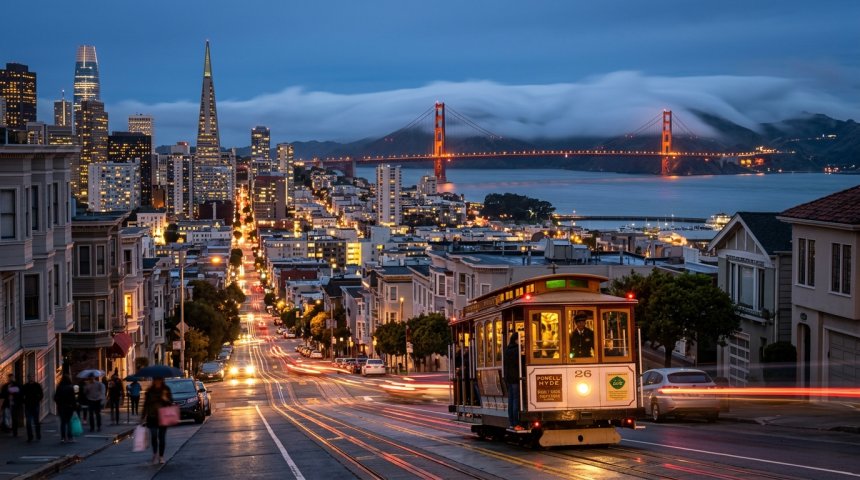
Did you know that the San Francisco Bay Area, a region synonymous with technological advancement, is also home to some of the most stunning natural landscapes in the United States? In 2026, this vibrant metropolitan area continues to captivate millions with its unique blend of groundbreaking innovation, diverse cultural influences, and breathtaking scenery. From the iconic Golden Gate Bridge to the bustling tech hubs of Silicon Valley, the Bay Area offers a compelling narrative of human achievement and natural splendor. This comprehensive exploration delves into what makes San Francisco and its surrounding Bay Area a truly remarkable place to live, work, and visit.
The Golden Gate City: San Francisco's Enduring Allure
San Francisco, the city by the bay, is a place that defies easy categorization. Its rolling hills, Victorian architecture, and famous fog create a picturesque setting, while its history as a hub for social movements and counterculture adds a layer of depth. In 2026, the city remains a global center for finance, culture, and tourism, drawing visitors and residents from every corner of the globe.
A Glimpse into History and Culture
San Francisco's story is one of resilience and transformation. Originally inhabited by the Ohlone people, the area was colonized by Spain in the late 18th century. The California Gold Rush of 1849 catapulted San Francisco into rapid growth, transforming it from a small settlement into a bustling port city. The city's vibrant spirit was tested by the devastating 1906 earthquake and fire, but San Franciscans rebuilt with remarkable determination.
Throughout the 20th century, San Francisco became a crucible for cultural change. It was a focal point for the Beat Generation in the 1950s, the Summer of Love in the 1960s, and a leading center for LGBTQ+ rights. These historical threads weave through the city's modern identity, contributing to its reputation as an open, progressive, and creatively charged metropolis.
Iconic Landmarks and Unforgettable Experiences
No visit to San Francisco is complete without experiencing its world-renowned landmarks. The Golden Gate Bridge, a marvel of engineering and an enduring symbol of the city, offers spectacular views, especially when the fog rolls in. Alcatraz Island, the infamous former federal prison, provides a fascinating glimpse into a darker chapter of American history, with gripping audio tours that bring its past to life.
Fisherman's Wharf is a bustling hub of activity, famous for its sea lions, seafood stalls, and street performers. Nearby, Pier 39 offers shops, restaurants, and entertainment, all with stunning bay views. The city's diverse neighborhoods each offer unique charm: the colorful Victorian houses of the Painted Ladies in Alamo Square, the vibrant streets of Chinatown (the oldest in North America), the bohemian atmosphere of North Beach, and the upscale boutiques of Union Square.
For art and culture enthusiasts, San Francisco boasts world-class institutions. The de Young Museum and the Legion of Honor house impressive art collections, while the San Francisco Museum of Modern Art (SFMOMA) showcases contemporary masterpieces. The California Academy of Sciences in Golden Gate Park offers a fascinating blend of aquarium, planetarium, natural history museum, and rainforest.
The Culinary Scene: A World on a Plate
San Francisco's culinary landscape is as diverse and dynamic as its population. The city is a paradise for food lovers, with an abundance of Michelin-starred restaurants, innovative farm-to-table establishments, and international eateries. From authentic dim sum in Chinatown to fresh Dungeness crab at the wharf, the options are endless. The Ferry Building Marketplace is a must-visit, housing artisanal food vendors, local produce, and gourmet shops. The region's proximity to fertile agricultural lands means that fresh, seasonal ingredients are readily available, influencing a culinary philosophy that emphasizes quality and sustainability.
Silicon Valley: The Global Epicenter of Technology
Just south of San Francisco lies Silicon Valley, a region that has fundamentally reshaped the modern world. This stretch of Santa Clara Valley is home to the headquarters of countless technology giants and a vibrant ecosystem of startups, venture capital firms, and research institutions. In 2026, its influence on global innovation remains unparalleled.
A History of Innovation
The seeds of Silicon Valley's technological dominance were sown decades ago. Early pioneers in radio and electronics, such as Hewlett-Packard, laid the groundwork. The establishment of Stanford University's research park in the 1950s fostered a symbiotic relationship between academia and industry, encouraging the commercialization of new technologies. The development of the semiconductor industry in the 1960s and 70s, followed by the personal computer revolution and the rise of the internet, cemented the region's status as a tech powerhouse.
The term "Silicon Valley" itself, coined in the early 1970s by journalist Don Hoefler, refers to the prevalence of silicon chip manufacturers in the area. This region has consistently been at the forefront of advancements in computing, software, biotechnology, and more recently, artificial intelligence and sustainable technologies.
The Titans of Tech and the Startup Culture
Today, Silicon Valley is the operational heart of companies like Apple, Google (Alphabet), Meta (Facebook), Netflix, and many others that have become household names. These corporations not only drive technological progress but also shape the economic and social fabric of the region. Their campuses are often sprawling, state-of-the-art facilities designed to foster collaboration and attract top talent.
Beyond the established giants, Silicon Valley is renowned for its dynamic startup culture. The availability of venture capital funding, a supportive network of entrepreneurs, and a culture that embraces risk-taking create an environment where new ideas can flourish. Incubators and accelerators help nascent companies develop their products and business models, with the hope of achieving the next big breakthrough. This constant churn of innovation, while exhilarating, also contributes to the region's high cost of living and intense competition.
The Impact and Challenges
The technological advancements originating from Silicon Valley have had a profound impact on global society, transforming communication, commerce, entertainment, and virtually every aspect of daily life. However, this rapid growth has also brought significant challenges. The immense success of the tech industry has driven up housing costs to astronomical levels, creating affordability crises and contributing to significant income inequality. Traffic congestion is a persistent issue, and the environmental impact of rapid development is a growing concern.
In 2026, the Bay Area's tech sector is increasingly grappling with these challenges. There's a growing emphasis on sustainable practices, ethical AI development, and finding solutions to the housing crisis. The region's ability to navigate these complex issues will be crucial for its continued success and its role as a global leader in innovation.
Beyond the Cities: Exploring the Bay Area's Diverse Landscapes
While San Francisco and Silicon Valley often capture the spotlight, the broader Bay Area encompasses a rich tapestry of natural beauty, charming towns, and diverse ecosystems. This region offers a welcome respite from the urban hustle and bustle, providing opportunities for outdoor recreation and a deeper connection with nature.
Marin Headlands and the Golden Gate National Recreation Area
Just north of San Francisco, across the Golden Gate Bridge, lie the Marin Headlands. Part of the vast Golden Gate National Recreation Area, this rugged peninsula offers stunning coastal vistas, historic lighthouses, and excellent hiking trails. The views of the Golden Gate Bridge from the Marin Headlands are arguably some of the most iconic in the world. Battery Spencer, a former military installation, provides a prime vantage point for photographers and sightseers. The area is also a haven for wildlife, with opportunities to spot whales during migration seasons.
Muir Woods National Monument
A short drive from the Marin Headlands is Muir Woods National Monument, a sanctuary of towering old-growth redwood trees. Walking among these majestic giants, some of which are over a thousand years old, is a truly awe-inspiring experience. The hushed silence of the forest, broken only by the chirping of birds and the gentle rustle of leaves, offers a profound sense of peace and wonder. The park preserves a vital coastal redwood ecosystem, a testament to the importance of conservation efforts.
Wine Country: Napa and Sonoma Valleys
To the north of the Bay Area lie the world-renowned wine regions of Napa Valley and Sonoma Valley. These picturesque valleys are characterized by rolling hills covered in vineyards, charming towns, and world-class wineries. Visitors can indulge in wine tasting, savor gourmet cuisine, and enjoy the serene beauty of the countryside. Napa Valley is known for its Cabernet Sauvignon and Chardonnay, while Sonoma offers a wider variety of wines, including Pinot Noir and Zinfandel. Beyond wine, the region boasts a vibrant culinary scene, farm stands brimming with local produce, and a relaxed, sophisticated atmosphere.
East Bay: Berkeley, Oakland, and Beyond
Across the bay to the east, cities like Berkeley and Oakland offer their own distinct character. Berkeley is famous for its renowned university, UC Berkeley, and its history as a center for free speech and activism. Its vibrant downtown area features independent bookstores, eclectic shops, and a diverse array of restaurants.
Oakland, a major port city, is undergoing a renaissance, celebrated for its burgeoning arts scene, diverse culinary offerings, and lively music venues. Lake Merritt, a large tidal lagoon in the heart of Oakland, is a popular spot for recreation and community events. The East Bay also offers access to beautiful regional parks, such as Redwood Regional Park and Tilden Regional Park, providing ample opportunities for hiking and enjoying nature.
South Bay and Peninsula: Nature and Technology Intertwined
The peninsula and South Bay areas, while heavily influenced by Silicon Valley, also possess significant natural beauty. The Santa Cruz Mountains offer a rugged landscape with opportunities for hiking and exploring redwood forests. The coastal towns along Highway 1, such as Half Moon Bay and Santa Cruz, provide a charming seaside escape. Further inland, areas like Big Basin Redwoods State Park (though still recovering from past fires) are vital for preserving California's iconic redwood ecosystems.
The Bay Area's Economic Landscape: A Tale of Two Worlds
The economic landscape of the San Francisco Bay Area in 2026 is characterized by remarkable prosperity, driven largely by the technology sector, but also by significant disparities.
The Tech Boom and its Economic Engine
The technology industry is the undisputed economic engine of the Bay Area. Companies headquartered here are global leaders, employing hundreds of thousands of people and generating trillions of dollars in market capitalization. This sector fuels high-paying jobs, attracts significant venture capital investment, and drives innovation across numerous fields. The presence of major tech companies creates a ripple effect, supporting a vast network of ancillary businesses, from software development and cybersecurity firms to specialized consulting services and venture capital funds. The continuous influx of investment and talent ensures that the Bay Area remains at the cutting edge of technological development.
Beyond Tech: Diverse Industries
While tech dominates headlines, the Bay Area boasts a diverse economy. The region is a significant hub for biotechnology and life sciences, with numerous research institutions and companies focused on medical advancements. Finance and banking are also crucial sectors, with San Francisco serving as a major financial center on the West Coast. Tourism is another vital industry, drawing millions of visitors annually to San Francisco's attractions and the region's natural beauty. Healthcare, education, and advanced manufacturing also play important roles in the Bay Area's economic tapestry. The presence of world-class universities like Stanford and UC Berkeley fosters a highly educated workforce, benefiting a wide range of industries.
The Challenge of Affordability and Inequality
The immense economic success of the Bay Area, particularly the tech sector, has come at a significant cost: extreme housing unaffordability and widening income inequality. The demand for housing far outstrips supply, driving up rents and home prices to some of the highest levels in the nation. This makes it increasingly difficult for essential workers, young families, and even many professionals to afford to live in the region.
This affordability crisis has led to significant demographic shifts, with many long-time residents and lower-income families being priced out. The resulting income disparity between highly paid tech workers and those in service or lower-wage industries is stark. Addressing these issues of affordability and inequality is one of the most pressing challenges facing the Bay Area in 2026, with ongoing debates and policy initiatives aimed at finding sustainable solutions. Efforts include exploring new housing development models, implementing rent control measures, and investing in public transportation to connect more affordable areas to job centers.
Transportation and Infrastructure: Navigating the Bay
The Bay Area's geography, with its numerous waterways and sprawling landscape, presents unique transportation challenges. In 2026, the region continues to invest in and grapple with its complex transit systems.
Public Transportation Networks
The San Francisco Municipal Transportation Agency (SFMTA) operates buses, streetcars, and the historic cable cars within the city. The Bay Area Rapid Transit (BART) system connects San Francisco with the East Bay, South Bay, and San Francisco International Airport, forming the backbone of regional public transit. Caltrain provides commuter rail service along the peninsula, connecting San Francisco to San Jose and further south. Numerous other local bus agencies, such as AC Transit in the East Bay and SamTrans on the peninsula, fill in the gaps. Ferries also offer a scenic and efficient way to travel across the bay, connecting cities like San Francisco, Oakland, and Sausalito.
Despite these extensive networks, public transportation faces challenges, including funding, capacity, and service frequency, particularly in less densely populated areas. Efforts are underway to expand and modernize these systems, including proposed extensions and upgrades to BART and Caltrain.
The Role of the Automobile
The automobile remains a dominant mode of transportation for many in the Bay Area, especially for those commuting between suburbs or in areas less served by public transit. The region is crisscrossed by a network of highways, including Interstate 80, U.S. Route 101, and Interstate 280. However, this reliance on cars leads to significant traffic congestion, particularly during peak hours, and contributes to air pollution.
Emerging Trends: Micromobility and Autonomous Vehicles
The Bay Area is also a hotbed for innovation in transportation. Bicycle-sharing programs and electric scooter rentals (micromobility) have become increasingly popular for short-distance travel, particularly in denser urban areas. Furthermore, the region is a leading testbed for autonomous vehicle (AV) technology, with numerous companies conducting trials on public roads. While the widespread adoption of AVs is still evolving, they hold the potential to reshape urban mobility in the coming years.
Environmental Stewardship and Sustainability
Given its stunning natural beauty and its role as a hub of innovation, the Bay Area is increasingly focused on environmental stewardship and sustainability in 2026.
Protecting Natural Resources
The region is blessed with a wealth of natural resources, from the redwood forests of Muir Woods to the coastal ecosystems along the Pacific Ocean. Numerous organizations and government agencies work tirelessly to protect these areas. The Golden Gate National Recreation Area, for example, preserves significant natural and historic sites. Efforts are underway to restore coastal habitats, protect endangered species, and manage water resources sustainably.
Addressing Climate Change
Like much of the world, the Bay Area is actively working to address the challenges posed by climate change. Many cities and counties have set ambitious goals for reducing greenhouse gas emissions, increasing the use of renewable energy, and promoting energy efficiency. The region is a leader in developing and deploying clean energy technologies, from solar power to advanced battery storage.
Sustainable Urban Development
There is a growing emphasis on sustainable urban development practices. This includes promoting public transportation, encouraging cycling and walking, and designing energy-efficient buildings. Efforts are also being made to reduce waste, increase recycling rates, and promote a circular economy. The Bay Area's tech industry is also playing a role, with companies investing in research and development for sustainable technologies, from electric vehicles to carbon capture solutions.
Conclusion: A Region of Enduring Dynamism
San Francisco and the Bay Area in 2026 represent a compelling paradox: a global epicenter of technological advancement and economic power, set against a backdrop of profound natural beauty and facing significant societal challenges. From the iconic landmarks of San Francisco and the groundbreaking innovations of Silicon Valley to the serene redwood forests and world-class wineries, the region offers an unparalleled diversity of experiences.
The Bay Area's story is one of constant evolution. It is a place that has consistently reinvented itself, from its Gold Rush origins to its current status as a tech mecca. The spirit of innovation, resilience, and cultural dynamism continues to define this extraordinary corner of California. As the region navigates the complexities of affordability, inequality, and environmental sustainability, its ability to adapt and find solutions will undoubtedly shape its future and its enduring legacy. The Bay Area remains a testament to human ingenuity and a place where the future is not just imagined, but actively built.
Frequently Asked Questions
What is the primary economic driver of the San Francisco Bay Area?
The primary economic driver of the San Francisco Bay Area is the technology sector, often referred to as Silicon Valley. This industry encompasses a vast array of companies involved in software development, hardware manufacturing, internet services, biotechnology, and artificial intelligence. This sector generates significant employment, attracts massive investment, and fuels innovation across the globe.
What are some of the most iconic landmarks in San Francisco?
Some of the most iconic landmarks in San Francisco include the Golden Gate Bridge, a world-renowned suspension bridge; Alcatraz Island, the former federal penitentiary; Fisherman's Wharf, a bustling waterfront area; and the Painted Ladies, a row of colorful Victorian houses. The city also boasts numerous other attractions like Chinatown, Union Square, and various museums.
How does public transportation work in the Bay Area?
The Bay Area has a multi-layered public transportation system. BART (Bay Area Rapid Transit) is a regional rail system connecting San Francisco, the East Bay, and the South Bay. Caltrain offers commuter rail service along the peninsula. Within San Francisco, the SFMTA manages buses, streetcars, and historic cable cars. Numerous other local bus agencies serve different counties. Ferries also provide cross-bay transportation.
What is the significance of Silicon Valley?
Silicon Valley is globally recognized as the world's leading hub for technological innovation and venture capital. It is home to the headquarters of many of the world's largest technology corporations and a vibrant ecosystem of startups. The region has been instrumental in the development of personal computers, the internet, mobile technology, and emerging fields like artificial intelligence.
What are the main environmental challenges facing the Bay Area?
The Bay Area faces several environmental challenges, including addressing the impacts of climate change (such as sea-level rise), managing air quality, ensuring sustainable water resources, and protecting its diverse natural ecosystems from development and pollution. The region is actively pursuing renewable energy, conservation efforts, and sustainable urban planning to mitigate these issues.
Can you recommend some natural attractions outside of San Francisco?
Certainly! Beyond San Francisco, the Bay Area offers numerous natural attractions. These include the majestic old-growth redwood trees at Muir Woods National Monument, the scenic coastal trails and views of the Golden Gate Bridge from the Marin Headlands, and the renowned wine regions of Napa Valley and Sonoma Valley. The East Bay also offers beautiful parks like Redwood Regional Park.
The region's commitment to environmental stewardship is also evident in its efforts to promote sustainable agriculture in surrounding areas, supporting local food movements and reducing the carbon footprint associated with food transportation. Urban planning initiatives increasingly prioritize green spaces, permeable surfaces to manage stormwater runoff, and the integration of renewable energy sources into new developments. The Bay Area's tech prowess is also being leveraged to develop environmental solutions, from smart grid technologies that optimize energy consumption to advanced monitoring systems for air and water quality.
The Bay Area's dynamic blend of natural splendor and human endeavor makes it a truly remarkable region. Its capacity for innovation, coupled with a growing awareness of its environmental responsibilities, positions it as a crucial player in shaping a sustainable future, not just for California, but for the world. The ongoing dialogue between economic growth, social equity, and environmental health will continue to define its trajectory for decades to come.
Exploring the Wider Bay Area: Beyond San Francisco and Silicon Valley
While San Francisco and Silicon Valley often capture the spotlight, the broader Bay Area encompasses a diverse tapestry of cities, landscapes, and cultures, each contributing to the region's unique character. Exploring these areas reveals a richer understanding of the Bay Area's multifaceted identity.
The East Bay: Diversity and Culture
Across the Bay Bridge from San Francisco lies the East Bay, a region characterized by its vibrant diversity, rich cultural scenes, and stunning natural landscapes.
Oakland, the largest city in the East Bay, is a dynamic hub of art, music, and culinary innovation. Its waterfront, including Jack London Square, offers lively entertainment and dining options, while its diverse neighborhoods showcase a rich tapestry of cultures. Oakland's revitalized downtown and burgeoning arts districts reflect its ongoing transformation. The city is also a significant port and a center for various industries beyond tech.
Further inland, cities like Berkeley are renowned for their progressive spirit, academic excellence (home to the prestigious University of California, Berkeley), and vibrant counter-culture history. Telegraph Avenue remains a lively street, reflecting its bohemian past, while the university campus itself is a beautiful landmark.
The East Bay is also home to extensive parklands, including the Redwood Regional Park and Tilden Regional Park, offering hiking, biking, and breathtaking views of the bay. These green spaces provide crucial recreational opportunities and contribute to the region's environmental health.
The Peninsula: Innovation and Coastal Beauty
Stretching south from San Francisco, the Peninsula is a long, narrow strip of land that is synonymous with technological innovation and offers stunning coastal scenery.
Palo Alto, the "Birthplace of Silicon Valley," is home to Stanford University and a concentration of tech giants and venture capital firms. Its charming downtown offers upscale shopping and dining.
Further south, cities like Mountain View (home to Google) and Sunnyvale are central to the tech industry's operations. These cities are characterized by modern corporate campuses and a high concentration of tech professionals.
The western side of the Peninsula offers a dramatic contrast with its rugged coastline. Half Moon Bay is a picturesque coastal town known for its pumpkin patches, beautiful beaches, and the famous Mavericks surf spot. Driving along Highway 1 here provides spectacular ocean vistas and access to numerous state beaches and parks, offering a refreshing escape from the urban bustle.
The South Bay: The Heart of Silicon Valley
Often used interchangeably with Silicon Valley, the South Bay is the undisputed epicenter of the global technology industry.
San Jose, the largest city in the Bay Area by population, is the de facto capital of Silicon Valley. It boasts a thriving tech sector, with major companies like IBM and Adobe having significant presences. The city has invested heavily in downtown revitalization, creating a more vibrant urban core with museums, theaters, and diverse dining options. The Tech Interactive museum is a popular destination for families and tech enthusiasts.
The surrounding cities like Santa Clara (home to Intel and Levi's Stadium, home of the NFL's San Francisco 49ers) and Cupertino (home to Apple) are integral to the tech ecosystem. The landscape here is a mix of sprawling corporate campuses, suburban residential areas, and increasingly, denser urban development aimed at accommodating the growing population.
The South Bay also offers access to natural beauty, including the Santa Cruz Mountains, providing opportunities for hiking and enjoying scenic drives.
The North Bay: Wine Country and Coastal Charm
North of San Francisco, across the iconic Golden Gate Bridge, lies the North Bay, a region celebrated for its world-class wineries, picturesque coastal towns, and dramatic natural landscapes.
Marin County is known for its affluent communities, stunning natural parks, and a laid-back lifestyle. Sausalito, a charming bayside city, offers stunning views of the San Francisco skyline and a vibrant waterfront. Further north, Muir Woods National Monument protects ancient groves of towering redwood trees, offering a serene and awe-inspiring experience. The Marin Headlands provide unparalleled opportunities for hiking and viewing the Golden Gate Bridge from a different perspective.
The Napa Valley and Sonoma Valley are globally renowned for their vineyards, producing some of the world's finest wines. These regions offer picturesque rolling hills covered in vines, charming towns like Napa, Sonoma, and Healdsburg, and a sophisticated culinary scene. Wine tasting tours are a major draw, attracting visitors from around the globe.
The coastal areas of the North Bay, such as Point Reyes National Seashore, offer wild, windswept beaches, dramatic cliffs, and abundant wildlife, providing a stark contrast to the manicured vineyards inland.
The Tri-Valley: Wine, History, and Open Spaces
Located east of the East Bay, the Tri-Valley region encompasses the cities of Pleasanton, Livermore, and Dublin. This area offers a blend of suburban living, burgeoning tech presence, historical significance, and expanding wine country.
Livermore is known for its historical role in the wine industry, boasting some of the oldest wineries in California, and is also a significant center for scientific research, housing the Lawrence Livermore National Laboratory.
Pleasanton offers a charming downtown area and is a growing hub for businesses. The region as a whole provides a more spacious, less densely populated alternative to the core Bay Area cities, while still maintaining good connectivity. The open spaces and parks in this region provide ample opportunities for outdoor recreation.
Conclusion: A Region of Enduring Dynamism
San Francisco and the Bay Area in 2026 represent a compelling paradox: a global epicenter of technological advancement and economic power, set against a backdrop of profound natural beauty and facing significant societal challenges. From the iconic landmarks of San Francisco and the groundbreaking innovations of Silicon Valley to the serene redwood forests and world-class wineries, the region offers an unparalleled diversity of experiences. The Bay Area's story is one of constant evolution. It is a place that has consistently reinvented itself, from its Gold Rush origins to its current status as a tech mecca. The spirit of innovation, resilience, and cultural dynamism continues to define this extraordinary corner of California. As the region navigates the complexities of affordability, inequality, and environmental sustainability, its ability to adapt and find solutions will undoubtedly shape its future and its enduring legacy. The Bay Area remains a testament to human ingenuity and a place where the future is not just imagined, but actively built.
Frequently Asked Questions
What is the primary economic driver of the San Francisco Bay Area?
The primary economic driver of the San Francisco Bay Area is the technology sector, often referred to as Silicon Valley. This industry encompasses a vast array of companies involved in software development, hardware manufacturing, internet services, biotechnology, and artificial intelligence. This sector generates significant employment, attracts massive investment, and fuels innovation across the globe.
What are some of the most iconic landmarks in San Francisco?
Some of the most iconic landmarks in San Francisco include the Golden Gate Bridge, a world-renowned suspension bridge; Alcatraz Island, the former federal penitentiary; Fisherman's Wharf, a bustling waterfront area; and the Painted Ladies, a row of colorful Victorian houses. The city also boasts numerous other attractions like Chinatown, Union Square, and various museums.
How does public transportation work in the Bay Area?
The Bay Area has a multi-layered public transportation system. BART (Bay Area Rapid Transit) is a regional rail system connecting San Francisco, the East Bay, and the South Bay. Caltrain offers commuter rail service along the peninsula. Within San Francisco, the SFMTA manages buses, streetcars, and historic cable cars. Numerous other local bus agencies serve different counties. Ferries also provide cross-bay transportation.
What is the significance of Silicon Valley?
Silicon Valley is globally recognized as the world's leading hub for technological innovation and venture capital. It is home to the headquarters of many of the world's largest technology corporations and a vibrant ecosystem of startups. The region has been instrumental in the development of personal computers, the internet, mobile technology, and emerging fields like artificial intelligence.
What are the main environmental challenges facing the Bay Area?
The Bay Area faces several environmental challenges, including addressing the impacts of climate change (such as sea-level rise), managing air quality, ensuring sustainable water resources, and protecting its diverse natural ecosystems from development and pollution. The region is actively pursuing renewable energy, conservation efforts, and sustainable urban planning to mitigate these issues.
Can you recommend some natural attractions outside of San Francisco?
Certainly! Beyond San Francisco, the Bay Area offers numerous natural attractions. These include the majestic old-growth redwood trees at Muir Woods National Monument, the scenic coastal trails and views of the Golden Gate Bridge from the Marin Headlands, and the renowned wine regions of Napa Valley and Sonoma Valley. The East Bay also offers beautiful parks like Redwood Regional Park.
Share
What's Your Reaction?
 Like
0
Like
0
 Dislike
0
Dislike
0
 Love
0
Love
0
 Funny
0
Funny
0
 Angry
0
Angry
0
 Sad
0
Sad
0
 Wow
0
Wow
0