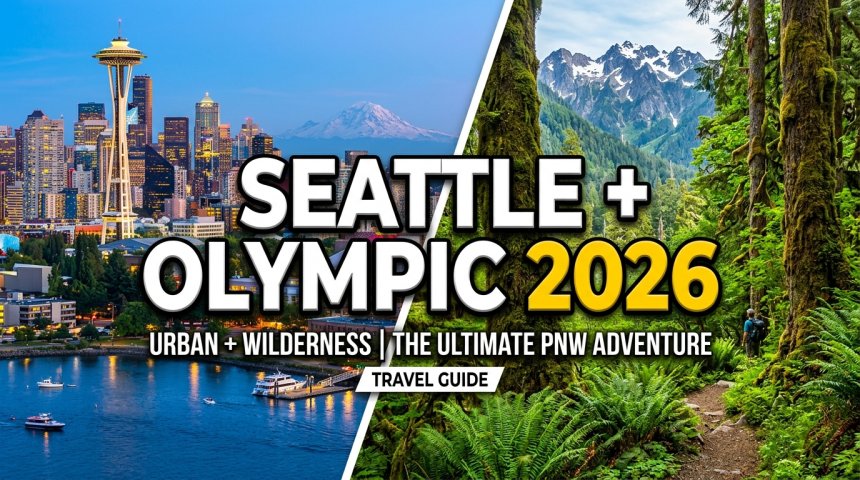
The Ultimate Guide: Seattle & Olympic National Park 2026
The ultimate guide to your 2026 trip: explore Seattle's urban culture and Olympic National Park's wild beauty. Plan your Pacific Northwest adventure now!

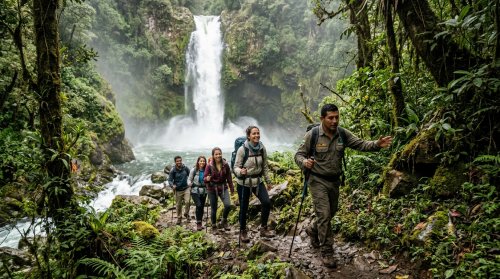
In 2026, the Pacific Northwest remains one of the most sought-after travel destinations in the world, attracting millions of visitors who seek the perfect blend of urban innovation and raw, untamed wilderness. According to recent travel industry reports, tourism in Washington State has seen a steady 12% increase this year, driven largely by travelers looking to combine the sophisticated, coffee-scented streets of Seattle with the mystical, rugged landscapes of Olympic National Park. The contrast is stark: one moment you are standing in the shadow of the Space Needle, surrounded by the hum of high-tech industries, and a few hours later, you are walking through a temperate rainforest where the air is thick with the scent of moss and ancient cedar.
This guide explores how to navigate the intersection of city life and nature, providing insights into the best routes, hidden gems, and practical tips for your 2026 adventure. Whether you are a solo traveler seeking solitude or a family looking for a diverse vacation, the journey from the urban core of Seattle to the wild fringes of the Olympic Peninsula is a rite of passage for any nature lover.
Understanding the Seattle Experience
Seattle is more than just a gateway to the mountains; it is a cultural titan. As of 2026, the city has evolved to prioritize green urban planning and sustainable tourism. The downtown core has undergone significant revitalization, making the waterfront more accessible than ever before. If you start your trip here, you are positioning yourself at the heart of Pacific Northwest culture.
The city is defined by its neighborhoods. Capitol Hill serves as the hub for nightlife and indie music, while Ballard offers a glimpse into the city's maritime history with its famous locks and Scandinavian roots. Pike Place Market, a destination that never loses its charm, remains the pulse of the city. In 2026, the market has introduced new sustainability initiatives, ensuring that local farmers and craftspeople remain the centerpiece of the experience.
For those interested in the technological landscape, the influence of industry giants like Amazon and Microsoft continues to shape the skyline. However, the true beauty of Seattle lies in how these modern structures interact with the natural surroundings. From almost any high point in the city, you can catch a glimpse of the Olympic Mountains across the Puget Sound, serving as a constant, snow-capped reminder of the adventure that awaits just a ferry ride away.
The Ferry Connection and the Road to the Peninsula
The journey from Seattle to the Olympic Peninsula is an experience in itself. While you can drive around the southern tip of the Puget Sound, the most iconic route involves the Washington State Ferries. Taking the ferry from downtown Seattle to Bainbridge Island is a quintessential Pacific Northwest activity. As you pull away from the dock, the skyline of Seattle shrinks, replaced by the deep blue waters of the Sound and the looming silhouette of the Olympic Mountains.
Once you arrive on Bainbridge Island, you are already halfway to the wilderness. The drive from the ferry terminal toward the Olympic National Park entrance is a scenic transition. You pass through small, charming towns like Poulsbo—often called Little Norway—where the influence of early immigrants remains strong. By the time you reach the eastern edge of the Olympic Peninsula, the pace of life slows down significantly. The hustle of the city is replaced by the winding roads of Highway 101, which encircles the park like a protective belt.
Exploring the Diversity of Olympic National Park
Olympic National Park is unique because it encompasses three distinct ecosystems: rugged coastline, temperate rainforest, and alpine peaks. It is this diversity that makes the park a UNESCO World Heritage site and a top priority for travelers in 2026. Because the park is so vast, it is nearly impossible to see everything in one trip. Instead, focus on the distinct regions that define the landscape.
The coastline of the Olympic Peninsula is unlike any other in the United States. Beaches like Ruby Beach and Rialto Beach are characterized by massive, bleached driftwood logs, jagged sea stacks, and a constant, misty atmosphere. In 2026, park officials have emphasized the importance of tide pool safety and protecting the fragile marine life that inhabits these rocky shores. Walking along these beaches, you feel small against the power of the Pacific Ocean.
The Magic of the Hoh Rain Forest
If the coast provides a sense of vastness, the Hoh Rain Forest provides a sense of intimacy. This is one of the quietest places in the United States, and it is a must-visit for anyone traveling to the region this year. The canopy is so dense that it feels as though time has stopped. Massive sitka spruces and western hemlocks are draped in thick, hanging club moss, creating a cathedral-like atmosphere that is both eerie and beautiful.
The Hoh Rain Forest is part of a temperate ecosystem that receives over 140 inches of rainfall annually. This moisture is what fuels the lush, vibrant green landscape. When you walk the Hall of Mosses trail, you are stepping into a world that feels prehistoric. In 2026, the National Park Service has implemented timed-entry reservations for the Hoh area during peak summer months to manage the flow of visitors and protect the delicate ground cover from erosion. Planning ahead is essential to ensure you get a spot in this ethereal forest.
Alpine Wonders: Hurricane Ridge and Beyond
For those who crave elevation, Hurricane Ridge is the crowning jewel of the park’s alpine region. Located just a short drive from Port Angeles, the road to Hurricane Ridge takes you from sea level to over 5,000 feet in less than an hour. The panoramic views from the top are breathtaking, offering a look at the jagged peaks of the interior Olympic Mountains.
In 2026, the mountain environment at Hurricane Ridge remains sensitive to climate shifts. Visitors are encouraged to stay on marked trails to protect the fragile alpine wildflowers that bloom during the short summer season. Whether you are there to spot a black-tailed deer or to gaze at the massive glaciers that cling to the mountainsides, the scale of the landscape is humbling. It is a place where you can truly understand the geological forces that shaped the Pacific Northwest.
The Cultural Landscape of Port Angeles and Forks
The towns surrounding Olympic National Park are as much a part of the experience as the park itself. Port Angeles serves as the primary gateway to the northern side of the park. It is a working-class town with a rich history of timber and fishing. Today, it has transformed into a hub for adventure tourism, offering everything from kayak rentals to guided mountain treks.
Then there is Forks. Famous for its role in pop culture, the town has embraced its reputation while maintaining its identity as a logging community. In 2026, visitors to Forks will find a town that is well-equipped to handle the influx of travelers, with cozy lodges, local diners, and a deep appreciation for the surrounding wilderness. It serves as an excellent base camp for exploring the western side of the park, including the Hoh Rain Forest and the wild, rocky beaches of the coast.
Sustainable Travel in 2026
As we navigate the environment in 2026, the concept of "Leave No Trace" is more critical than ever. The popularity of Olympic National Park has grown, and with that growth comes the responsibility to protect the land for future generations. When visiting, always pack out what you pack in, respect wildlife by keeping a safe distance, and be mindful of the noise levels in quiet zones like the Hoh Rain Forest.
Many visitors in 2026 are opting for electric vehicle rentals to explore the peninsula, taking advantage of the growing number of charging stations in towns like Port Angeles and Forks. Additionally, supporting local businesses in these towns helps sustain the communities that serve as the stewards of the land. By spending your money at local bakeries, gear shops, and independent lodges, you are contributing to the economic health of the region.
The Best Time to Visit
Timing your trip to Seattle and Olympic National Park is key to a successful experience. While the summer months—July through September—offer the most reliable weather, they are also the busiest. If you prefer to avoid the crowds, consider visiting in the shoulder seasons of late May or early October.
In May, the waterfalls are at their peak flow, and the wildflowers are beginning to bloom. In October, the autumn colors in the valleys provide a stunning contrast to the deep green of the evergreens. Regardless of when you visit, you must be prepared for the weather. The Pacific Northwest is famous for its rain, and the Olympic Peninsula is no exception. Always carry a high-quality raincoat and layers, as the temperature can drop significantly once you move away from the coast or head up into the mountains.
Logistics: Getting Around and Staying Put
Navigating the region requires a bit of planning. If you are flying into Seattle-Tacoma International Airport, renting a car is the most practical way to see the park. Public transportation exists but is limited once you leave the urban core. Many visitors choose to spend two or three days in Seattle before heading out to the peninsula for an additional four to five days.
When it comes to accommodation, the options are as varied as the landscape. You can stay in luxury hotels in downtown Seattle, historic lodges within the national park—such as the Lake Crescent Lodge—or opt for a rustic cabin in the woods. Booking in advance is mandatory for 2026, especially for the popular in-park lodges, which often fill up months ahead of time.
Wildlife Encounters and Safety
Olympic National Park is home to a diverse array of wildlife, including black bears, mountain goats, Roosevelt elk, and even mountain lions. While spotting these animals is a highlight for many, it is important to remember that they are wild. Always keep a respectful distance and never feed the animals.
Safety on the trails is another priority. The terrain can be challenging, especially in the high country where trails may be covered in snow well into the summer. Always check the official park website for current trail conditions and closures before you head out. If you are planning a long hike, make sure to tell someone your route and expected return time. The wilderness is beautiful, but it is also unforgiving, and being prepared is the best way to enjoy your adventure safely.
Reflections on the Pacific Northwest
There is a unique energy in the Pacific Northwest that is hard to find anywhere else. It is a place where nature is not just a destination but a way of life. The connection between the urban sophistication of Seattle and the untamed wild of the Olympic Peninsula creates a balance that satisfies both the need for comfort and the desire for adventure.
In 2026, as you stand on a remote beach watching the fog roll in over the Pacific, or as you look out over the glittering lights of Seattle from a ferry deck, you realize that this region is a testament to the enduring power of the natural world. It invites you to slow down, breathe the fresh air, and appreciate the complexity of an ecosystem that has thrived for millennia.
Why Visit Seattle and Olympic National Park?
The combination of Seattle and Olympic National Park offers a travel experience that is both intellectually stimulating and physically restorative. In Seattle, you can immerse yourself in history, art, and innovation, while the national park provides a necessary escape into the natural world. This duality makes the region a perfect destination for those who want to see the best of what the Pacific Northwest has to offer. Whether you are interested in urban exploration or wilderness trekking, this corner of the country delivers in ways that are both expected and surprising.
What is the best way to travel between Seattle and Olympic National Park?
The most popular and scenic way to travel is by taking the Washington State Ferry from downtown Seattle to Bainbridge Island. From there, you can drive your rental car toward the Olympic Peninsula. This route saves time and offers stunning views of the Puget Sound and the Olympic Mountains, making it a highlight of the journey for many visitors.
Do I need a permit to visit Olympic National Park in 2026?
While you generally do not need a permit for standard day-use entry to the park, you do need a park pass, which can be purchased at the entrance or online. However, for specific activities like wilderness camping or visiting certain high-traffic areas during peak season, you may need a reservation or a wilderness permit. It is highly recommended to check the official park website for the most current requirements before your trip.
What should I pack for a trip to the Olympic Peninsula?
The most important items are high-quality waterproof layers. Even in the summer, the weather can change rapidly, especially in the mountains or on the coast. You should pack sturdy hiking boots, a reliable raincoat, warm layers like fleece or wool, and a daypack. If you plan to visit the tide pools, water-resistant shoes or boots with good grip are essential for navigating the slick, rocky surface of the beaches.
Are there guided tours available for the park?
Yes, there are many guided tours available, ranging from photography workshops and guided hikes to wildlife-watching excursions. These tours can be a great way to learn about the history, ecology, and hidden gems of the park from knowledgeable local experts. Booking a tour is especially helpful if you are unfamiliar with the area or if you want to access harder-to-reach locations safely.
Can I visit both the rainforest and the coast in one day?
While it is geographically possible to visit both the Hoh Rain Forest and the coast in a single day, it will be a long and busy day. Both regions are spectacular and deserve their own dedicated time. If you have limited time, it is better to pick one region per day to fully experience the beauty of the landscape without feeling rushed. If you are determined to see both, start your day early in the rainforest and head to the coast in the afternoon to enjoy the sunset.
Is it safe to hike alone in the national park?
Hiking alone can be safe if you are well-prepared and stick to well-marked trails. However, you should always inform someone of your planned route and expected return time. Carry a map and compass, or a reliable GPS device, as cell phone service is extremely limited or non-existent in many parts of the park. Be aware of your surroundings, stay alert for wildlife, and always carry the "ten essentials" for hiking to ensure you are ready for any situation.
Deep Dive: The Ecology of the Olympic Peninsula
To truly appreciate Olympic National Park, one must understand that it is essentially three distinct ecosystems bundled into one massive, protected territory. This diversity is a direct result of the park's topography. As moisture-heavy air travels from the Pacific Ocean, it hits the Olympic Mountains and is forced upward, dumping massive amounts of precipitation on the western slopes. This creates the temperate rain forests, like the Hoh and the Quinault, which are among the wettest places in the contiguous United States. These forests are characterized by a profound sense of silence, broken only by the drip of water from moss-draped branches or the distant call of a Roosevelt elk.
As the air masses continue eastward and descend, they lose their moisture, creating a "rain shadow" effect that results in much drier, sunnier conditions on the eastern side of the peninsula. This is why you can experience lush, misty rainforests in the morning and dry, sunny meadows in the afternoon. Understanding this climatic variation is essential for planning your wardrobe and your itinerary. When you visit in 2026, take a moment to notice these transitions; it is a masterclass in geography that is visible to the naked eye as you drive along Highway 101.
Culinary Adventures: From Seattle’s Markets to Peninsula Foraging
A trip to this region would be incomplete without indulging in the local culinary scene. Seattle, as a global city, offers a fusion of cultures, with a heavy emphasis on fresh, local seafood. Dungeness crab, wild-caught salmon, and Penn Cove mussels are staples that you will find in almost any high-end restaurant in the city. However, as you move toward the Olympic Peninsula, the food culture shifts.
In Port Angeles and Forks, the dining experience is more rugged and comfort-focused. Think hearty clam chowder, locally sourced elk burgers, and blackberry pies made from the wild berries that grow in abundance along the roadsides in late summer. For those with an interest in the land, there are guided foraging tours available in the region that teach visitors how to identify edible mushrooms and plants. While you should never forage in the national park itself, the surrounding national forests and private lands offer a glimpse into the bounty of the Pacific Northwest.
The Art of Slow Travel: Unplugging in 2026
In our hyper-connected world, the Olympic Peninsula offers a rare opportunity to disconnect. In 2026, many travelers are embracing "slow travel," a movement that encourages staying in one area longer to foster a deeper connection with the environment. Instead of rushing to check off every major site in the park, consider spending three days in a single cabin near Lake Crescent or Ruby Beach.
By staying put, you allow yourself the luxury of watching the fog lift off the water at dawn or observing how the tide changes the shape of the beach throughout the day. This approach also reduces your carbon footprint, as you minimize the amount of driving you do. The park is vast, and attempting to see it all in two days often results in spending more time behind the wheel than on the trail. By slowing down, you give yourself the mental space to actually absorb the grandeur of the ancient hemlocks and the raw power of the Pacific surf.
Photography Tips for the Olympic Peninsula
The light in the Pacific Northwest is unique. Because of the frequent cloud cover, the region often experiences "soft light"—a photographer’s dream. This diffused lighting eliminates harsh shadows, making it perfect for capturing the intricate textures of the rainforest ferns or the subtle colors of a tide pool.
When photographing the coast, such as at Rialto Beach or Second Beach, look for the "sea stacks"—massive, jagged rock formations that rise out of the ocean. These are best photographed during the "blue hour," the time just before sunrise or just after sunset when the sky takes on a deep, moody indigo hue. If you are shooting in the rainforest, a tripod is essential, as the canopy is quite dark. A polarizing filter can also help cut the glare off wet leaves and stones, allowing the deep, vibrant greens of the forest to pop in your images. Remember, in 2026, technology is great, but the best camera is the one you have with you—and the best shot is the one you take after you've put the camera down to simply observe the scene.
The Importance of Indigenous History
The Olympic Peninsula is the ancestral home of several Coast Salish tribes, including the Quileute, the Hoh, the Makah, and the Klallam. Their history and culture are deeply intertwined with the land and the sea. As you travel through the park, it is important to recognize that these lands were stewarded by these indigenous peoples for thousands of years before the park’s establishment.
Many of the tribal nations have cultural centers and museums that offer an incredible perspective on the history of the region. A visit to the Makah Cultural and Research Center in Neah Bay, for example, provides a fascinating look at the Ozette archaeological site, where a mudslide 500 years ago preserved an entire village, offering a rare window into the sophisticated lifestyle of the Makah people. Engaging with this history adds a layer of depth to your trip, transforming it from a simple vacation into a meaningful educational experience.
Navigating the "Digital Wilderness"
While 2026 is an era of constant connectivity, the Olympic Peninsula remains one of the few places where you can easily find a "dead zone." Do not rely solely on your smartphone for navigation. Download offline maps of the entire peninsula before you leave Seattle, and bring a physical paper map of the park.
If you are using a GPS device, ensure it is fully charged and have a backup power bank. Many of the most beautiful trailheads are tucked away on forest service roads that are poorly marked. If you find yourself lost, do not panic. Stay on the marked trail, and if you are truly unsure of your location, return to the last point where you were certain of your path. Being self-reliant is part of the charm of the Olympic wilderness, and it is a skill that will make you a more confident traveler.
Preparing for the "Big One" and Wilderness Safety
While it is a somber topic, the Pacific Northwest is geologically active. Visitors should be aware of the basics of earthquake safety, particularly along the coast where tsunami evacuation routes are clearly marked. Familiarize yourself with these signs when you arrive at beach locations. While the risk of a major event during your trip is statistically minuscule, knowing the safety protocols is part of being a responsible traveler in this environment.
Furthermore, when hiking, always carry the "ten essentials," which include navigation tools, sun protection, extra clothing, a headlamp, first aid supplies, a fire starter, a multi-tool, extra food, extra water, and emergency shelter. Even a short day hike in the Olympic range can turn into an emergency if the weather shifts or you take a wrong turn. By carrying these items, you ensure that you are prepared for the unexpected, allowing you to focus on the beauty of the landscape rather than worrying about your safety.
The Legacy of Olympic National Park
As your trip concludes, you will likely find that the Olympic Peninsula leaves a lasting impression on you. It is a place that challenges the senses and demands your full attention. Whether it is the sheer size of the Sitka spruce trees, the roar of the waves against the driftwood-strewn beaches, or the clarity of the stars above the high-country meadows, the park offers a profound connection to the natural world.
In 2026, the park faces challenges—climate change, increasing visitor numbers, and the need for infrastructure maintenance. Your presence as a visitor is a vote for the value of these protected spaces. By practicing sustainable tourism, respecting the wildlife, and honoring the history of the land, you play a small but vital role in ensuring that the Olympic Peninsula remains a sanctuary for generations to come.
As you return to Seattle and prepare for your journey home, take a moment to reflect on what you have seen. You have traversed from the urban pulse of a tech-forward city to the ancient, quiet heart of a temperate rainforest. This contrast is the defining characteristic of the Pacific Northwest. It is a region of constant evolution and enduring tradition, a place where the modern world and the ancient wilderness exist side by side. Your journey through this landscape is not just a trip; it is an invitation to engage with the world in a more intentional, observant, and appreciative way. Carry that spirit with you long after you have left the mossy trails and the mountain air behind. Safe travels, and may your time in Washington be as transformative as the landscape itself.
Share
What's Your Reaction?
 Like
0
Like
0
 Dislike
0
Dislike
0
 Love
0
Love
0
 Funny
0
Funny
0
 Angry
0
Angry
0
 Sad
0
Sad
0
 Wow
0
Wow
0