Spectacular 2026 Guide: Denver & Rocky Mountain National Park
Explore Denver & Rocky Mountain National Park, Colorado in 2026. Discover alpine trails, wildlife, and scenic mountain towns in this ultimate guide.

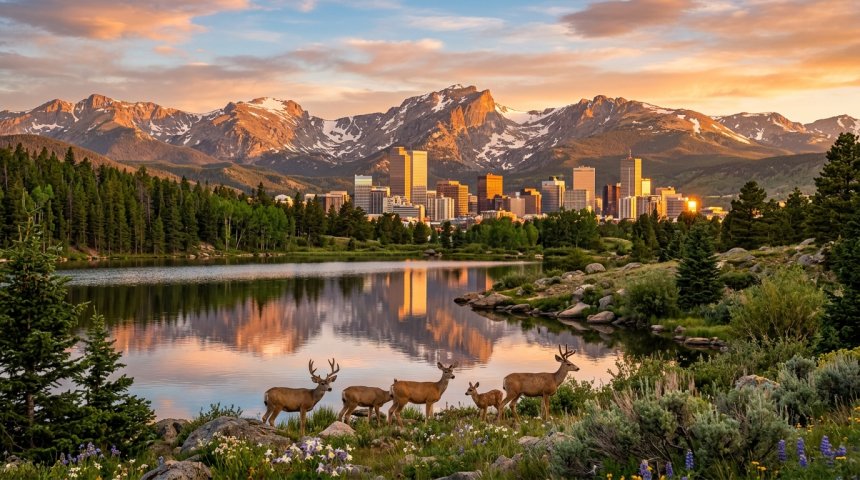
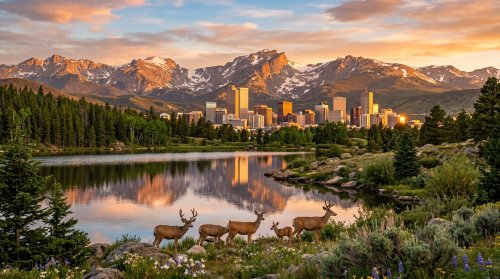
In 2026, travel trends indicate that over 30 million visitors will traverse the sun-drenched streets of the Mile High City and ascend the soaring alpine roads of the Rocky Mountains. This region, often referred to as the rooftop of America, serves as a bridge between a dynamic modern metropolis and one of the most breathtaking wilderness landscapes on the continent. Whether you are strolling the mural-lined blocks of the RiNo Art District or watching the first light of dawn turn the summits of the Continental Divide rose-gold, the essence of Colorado remains defined by its altitude, its adventurous spirit, and its profound connection to the mountains.
The Heart of Colorado: Denver in 2026
Denver is a city that feels approachable despite its size. Despite being a global hub for aerospace, technology, and the outdoor industry, its character remains rooted in the laid-back friendliness of the American West. In 2026, the city has successfully integrated rapid growth with a commitment to green space, maintaining an extensive park system, hundreds of miles of urban trails, and a downtown that prioritizes pedestrians as much as vehicles.
The city's geography is defined by its position at the edge of the High Plains, just miles from the foothills of the Front Range. Visitors often find that the best way to understand Denver is to spend a morning at historic Union Station, the beautifully restored transit hub that anchors Lower Downtown, before heading toward the RiNo Art District. RiNo has undergone a massive transformation over the last decade, evolving from an industrial warehouse zone into a creative neighborhood that serves as the epicenter of Denver's modern innovation economy, its walls covered in world-class street art.
The Gateway to the Rockies
Moving west from Denver, the landscape reveals a different side of Colorado. This is a terrain shaped by ancient uplifts and ice-age glaciers. Within an hour of leaving the city, suburban sprawl gives way to pine-covered foothills and snow-capped summits. The transition is so dramatic that locals measure their lives by it—the mountains are always present on the western horizon, a constant reminder that wilderness is never far away.
Rocky Mountain National Park, established in 1915, protects more than 415 square miles of this alpine landscape. With over 300 miles of hiking trails and dozens of peaks exceeding 12,000 feet, it remains one of the most visited national parks in the country. In 2026, timed-entry reservation systems have become a primary tool for managing crowds, ensuring that the fragile ecosystems of the high country remain protected for future generations to explore.
Trail Ridge Road and the Alpine World
The park's most iconic experience is Trail Ridge Road, the highest continuous paved road in the United States, which climbs to 12,183 feet. Driving it feels like ascending into the sky: within a couple of hours, you pass from ponderosa pine forests through subalpine spruce and fir, and finally into the open alpine tundra, a landscape more commonly associated with the Arctic than the lower 48 states. At the Alpine Visitor Center, visitors step out into thin, crisp air to look across a sea of peaks.
To the east, the Bear Lake corridor offers some of the most accessible and beloved hikes in the park, leading to Dream Lake and Emerald Lake beneath the sheer wall of Hallett Peak. To the west, the Kawuneeche Valley traces the headwaters of the Colorado River, a quiet, willow-lined meadow where moose are frequently spotted. And for the ambitious, Longs Peak—the park's lone fourteener at 14,259 feet—remains a rite of passage for Colorado hikers.
Wildlife and the Ethics of Observation
The park is home to elk, bighorn sheep, moose, black bears, mountain goats, and countless smaller creatures like marmots and pikas. In 2026, wildlife viewing has become one of the region's most popular activities, particularly in autumn during the elk rut, when the bugling of bull elk echoes through the meadows at dawn and dusk.
Park officials and conservation organizations emphasize responsible observation: maintain distance, never feed wildlife, and give animals the right of way. The beauty of the Rockies is inextricably linked to the wildness of its inhabitants, and protecting that wildness is a shared responsibility of every visitor.
The Cultural Fabric of Denver
The culture of Denver and the Colorado mountains is a unique blend of old-west sensibilities and forward-thinking progress. The region is home to prestigious institutions such as the University of Colorado, the Colorado School of Mines, and the University of Denver. These institutions don't just provide education; they drive the economy, fuel the arts, and anchor the region's reputation as a center of aerospace and outdoor innovation.
Beyond academia, the music and arts scene has evolved into one of the most vibrant in the country. Red Rocks Amphitheatre, carved into the foothills west of the city, is widely regarded as one of the most beautiful concert venues on Earth, where natural sandstone acoustics pair with unforgettable sunsets. The Denver Art Museum, the Clyfford Still Museum, and the immersive installations of Meow Wolf's Convergence Station demonstrate the breadth of the city's artistic identity.
A Culinary Scene Rooted in the West
The culinary scene has evolved into one of the most exciting in the country. While traditional Colorado staples like green chile, bison burgers, and pan-seared trout remain popular, the modern dining scene in Denver and Boulder is incredibly diverse. International influences have made their way into the local cuisine, resulting in a fusion of high-plains ingredients with global techniques.
Denver is also one of the great craft beer capitals of the world, with dozens of breweries spanning neighborhoods from LoDo to the Highlands. In the mountain towns, the farm-to-table movement has expanded to include "field-to-fire" practices. Restaurants in Estes Park and Boulder are leading the way in transparency, working directly with ranchers and foragers so diners know exactly where their food came from. This connection between the consumer and the source is emblematic of the values held by many in the region.
Exploring the Mountain Towns: Estes Park, Boulder, and Golden
Just a short trip from Denver lie the towns that give the region its small-town charm. Estes Park, the eastern gateway to Rocky Mountain National Park, has embraced its history as a mountain resort while developing into a thriving community of artists, outfitters, and small business owners. The historic Stanley Hotel, which inspired Stephen King's The Shining, still presides over the town, and the surrounding valleys offer endless trails and viewpoints.
To the south, Boulder offers a more refined, upscale experience. With its pedestrian Pearl Street, its backdrop of the Flatirons, and its proximity to world-class hiking and climbing, Boulder attracts nature lovers and foodies alike. The city is also a hub of wellness and scientific culture, and in 2026, it remains one of the most desirable—and most expensive—places to live in the country.
Between Boulder and the mountains lies Golden, a town built on brewing and mining history. Home to the famous Coors Brewery and the grave of Buffalo Bill on Lookout Mountain, Golden offers a compact, friendly downtown and immediate access to trails along Clear Creek.
Seasonal Rhythms: Why Timing Matters
The experience of visiting Denver and the Rockies varies drastically by season. Summer is the peak tourist season, characterized by warm days, cool mountain evenings, and a calendar full of festivals and concerts. However, late September is widely considered the most magical time to visit: the aspens turn brilliant gold, the air is crisp, and the elk bugle in the meadows.
Winter in Colorado is cold and snowy, but it offers world-class skiing and snowboarding within a couple of hours' drive, along with cozy mountain towns that take on a storybook charm during the holiday season. Spring brings the return of life to the valleys, with wildflowers blooming in the foothills and waterfalls swelling with snowmelt, making it an excellent time for hiking before the summer crowds arrive.
Economic and Environmental Challenges in 2026
As we look at the state of the region in 2026, it is impossible to ignore the environmental challenges facing these communities. Reduced snowpack, prolonged drought, and intense wildfire seasons are no longer distant threats; they are realities that local planners are actively addressing. Forest health projects, fire mitigation efforts, and water conservation initiatives are central to the state's climate resilience strategy.
Economically, the region is thriving, but the cost of living remains a significant hurdle. The desirability of the Front Range has driven real estate prices to record highs, leading to ongoing debates about housing affordability and the preservation of Colorado's character. Despite these challenges, the region remains a beacon for those who value both opportunity and outdoor life. The commitment to sustainability and the transition to renewable energy sources, particularly solar and wind, are key pillars of the state's long-term economic strategy.
The Future of Mountain Tourism
As we move deeper into 2026, the way people interact with the Rockies is changing. Digital guides, shuttle reservations, and real-time trailhead parking data are becoming common, allowing visitors to plan smarter trips and reduce congestion. Yet, the core of the experience remains unchanged: the smell of pine after rain, the sound of wind through the aspens, and the sight of a snowcapped summit catching the last light of day.
Tourism boards are increasingly focusing on "slow travel," encouraging visitors to spend more time in fewer locations. This approach not only provides a more meaningful experience for the traveler but also reduces the strain on local infrastructure and helps to distribute the economic benefits of tourism more evenly throughout the year.
Navigating Denver's Neighborhoods
Denver's neighborhoods are distinct, each with its own personality and history. LoDo, with its brick warehouses and ballpark, is the historic heart of the city. RiNo offers street art and taprooms. Capitol Hill is known for its historic mansions and lively streets, while the Highlands offers a mix of old cottages and new rooftops with skyline views. Washington Park, with its gardens and lawns, showcases the city's love of outdoor living.
For those interested in the region's intellectual roots, a walk through the Pearl Street area in Boulder is essential. It is a place where the past and future of Western thought seem to collide, with bookstores and cafes serving as the modern-day forums for academic debate.
The Legacy of the Mountains
The history of the Colorado mountains is a history of elevation. From the Ute and Arapaho peoples who moved through the valleys long before settlement, to the miners who chased silver and gold into the high country, to conservationists like Enos Mills who championed the creation of the national park, the mountains have defined the identity of the region. Today, this legacy is preserved in numerous museums, historic sites, and the park itself.
The Role of Conservation in 2026
Environmental stewardship is a defining feature of life in Colorado in 2026. Efforts to protect watersheds, restore forests, and manage wildlife are critical to the state's climate resilience strategy. The National Park Service, along with local conservancies, manages thousands of acres of land, ensuring that public access to the mountains is maintained and that critical habitats are protected from overuse and development.
These efforts are not just about protecting the environment; they are about protecting the way of life in Colorado. The outdoor industry, the tourism sector, and the identity of the mountain towns all depend on the health of the Rocky Mountain ecosystem. As the climate continues to change, the people of Colorado are proving to be leaders in finding innovative solutions to protect their high country.
A Balanced View of Mountain Life
Living on the Colorado Front Range is not without its challenges. The weather can be unpredictable, the altitude takes adjustment, and the cost of living is high. However, for those who choose to call this region home, the trade-offs are worth it. There is a deep sense of community that is often lacking in more transient parts of the country. Neighbors look out for one another, and there is a shared respect for the history and the natural beauty that surrounds them.
For the visitor, this translates into a warm welcome and an authentic experience. Whether you are staying in a grand hotel in downtown Denver or a remote cabin near Grand Lake, you will find that the people of Colorado are proud of their home and happy to share it with those who take the time to understand it.
Conclusion
Denver and Rocky Mountain National Park represent a unique confluence of urban energy and alpine wilderness. In 2026, the region stands as a testament to the idea that progress does not have to come at the expense of the past. By carefully balancing the preservation of its natural treasures with the needs of a modern, forward-looking society, Colorado continues to be a compelling destination for travelers and a vibrant home for its residents.
The beauty of the mountains, the depth of the history, and the strength of the community create an experience that is both grounding and inspiring. Whether you are exploring the murals of RiNo, watching the sunset gild the summits from Trail Ridge Road, or learning about the mining history of the high country, you are participating in a story that has been unfolding for centuries—and one that continues to evolve with every season of snowmelt.
FAQ
What is the best time of year to visit Denver and Rocky Mountain National Park? The best time to visit is generally from late spring through early fall, with September as the standout month. During this period, the weather is mild, the aspens turn gold, and the summer crowds begin to thin. However, summer is excellent for those who want to enjoy high-alpine hikes and Trail Ridge Road, which is typically fully open from late May through October, while winter offers world-class skiing and a quiet, festive mountain atmosphere for those who don't mind the cold.
How do I get around the region? Denver is a very navigable city with a growing public transportation system that includes light rail and the A Line to the airport. For those looking to explore the mountains beyond the city, renting a car is highly recommended. While some mountain towns are accessible via shuttle or bus, having a vehicle provides the flexibility to explore Trail Ridge Road, the park's trailheads, and the various towns along the Front Range.
Is the region suitable for families with children? Absolutely. Denver is incredibly family-friendly, with world-class attractions like the Denver Museum of Nature & Science, the Denver Zoo, and the Children's Museum of Denver. Outside of the city, the park offers plenty of activities for children, including easy lakeside hikes, junior ranger programs, and wildlife viewing opportunities designed to engage younger visitors.
What are the must-see historical and natural sites in the area? Trail Ridge Road in Rocky Mountain National Park is the most essential experience, covering viewpoints like the Alpine Visitor Center and Many Parks Curve. Outside the park, Red Rocks Amphitheatre, the historic Stanley Hotel in Estes Park, and the Pearl Street Mall in Boulder are highly recommended. In Denver, Union Station, the Denver Art Museum, and the RiNo Art District round out the list.
How has climate change affected the Rocky Mountains? Climate change has led to reduced snowpack, longer wildfire seasons, and shifts in wildlife habitat. In response, the state and federal partners have invested heavily in resilient strategies, such as forest health projects, fire mitigation, improved water conservation, and the protection of natural barriers like wetlands and forests, which help absorb storm and flood energy.
What is the culinary specialty of the region? Colorado is famous for its green chile, craft beer, bison, trout, and—for the adventurous—Rocky Mountain oysters. Each of these reflects the deep connection to the Western landscape. In addition to these staples, the region is known for its local produce, including peaches from Palisade and sweet corn from Olathe, all of which are frequently featured at farm-to-table restaurants.
Exploring the Park: Beyond the Trailheads
While the Bear Lake corridor serves as the bustling heart of the park, Rocky Mountain National Park offers a distinct, rugged charm that feels worlds away from the busy viewpoints. The Old Fall River Road, a narrow gravel route opened in 1920, winds up the mountainside in a series of switchbacks, offering a slow, historic ascent that mirrors the experience of early motorists. The Wild Basin area in the south reveals waterfalls and deep forests, while the remote Kawuneeche Valley on the west side provides a peaceful retreat from the more densely visited areas to the east.
Further afield, the town of Grand Lake, the western gateway to the park, offers a masterclass in mountain charm. Its boardwalk-lined main street, painstakingly maintained, provides a picturesque backdrop for one of the most charming downtowns in Colorado. Here, the focus is on quiet observation and the preservation of natural ecosystems, offering a peaceful counterpoint to the energetic city to the east.
The Unique Ecology of the Alpine Tundra
No discussion of the Rockies is complete without mentioning the tundra. The alpine zone, found above roughly 11,500 feet, is not merely a scenic viewpoint; it is a fragile ecosystem where plants grow only millimeters per year and animals like the pika are uniquely adapted to the cold. In 2026, both parks and visitors have become leaders in sustainable tourism, with local initiatives focused on minimizing the impact of the millions of summer visitors. Staying on designated trails, shuttle programs, and an emphasis on "leave no trace" principles have become the standard, reflecting a commitment to protecting the fragile environment that makes the park so special.
The Role of the Arts in Mountain Identity
The Colorado mountains have long been a muse for artists, writers, and musicians. The unique quality of the light—often described as "painterly" due to the clarity of the high-altitude air—has drawn generations of landscape painters to towns like Estes Park and Boulder. Music, too, is the lifeblood of the community, from the iconic stage of Red Rocks to the intimate venues of mountain towns. This artistic legacy is not just a relic of the past; it is a living, breathing force that shapes the region's social fabric and continues to attract creative minds from around the globe.
Sustainable Travel in 2026: A Final Word
As you plan your journey through Denver and the Rocky Mountains, consider the impact of your visit. The region's beauty is delicate, and its history is a shared heritage. By choosing to travel during the shoulder seasons, supporting local, independent businesses, and respecting the conservation areas that protect the high country, you contribute to the longevity of these remarkable places.
In 2026, the "Colorado experience" is defined by a renewed appreciation for the slow, deliberate pace of mountain life. It is found in the time spent watching elk in a meadow at dawn, the conversation shared with a local brewer, and the moment you realize that the history of this place is not behind glass, but written into the very stone, snow, and sky that surround you. Colorado invites you not just to observe, but to engage—to become a temporary part of a story that, while centuries old, remains as vibrant and relevant as the next snowfall on the Divide. Enjoy the journey, breathe in the pine-scented air, and take the time to notice the details; in the Rockies, the true magic is often found in the quietest corners of the high country.
Share
What's Your Reaction?
 Like
0
Like
0
 Dislike
0
Dislike
0
 Love
0
Love
0
 Funny
0
Funny
0
 Angry
0
Angry
0
 Sad
0
Sad
0
 Wow
0
Wow
0