Magnetic 2026 Guide: Boston and the New England Coast
Explore Boston and the New England Coast in 2026. Discover historic cities, maritime charm, and scenic shorelines in this ultimate travel guide.

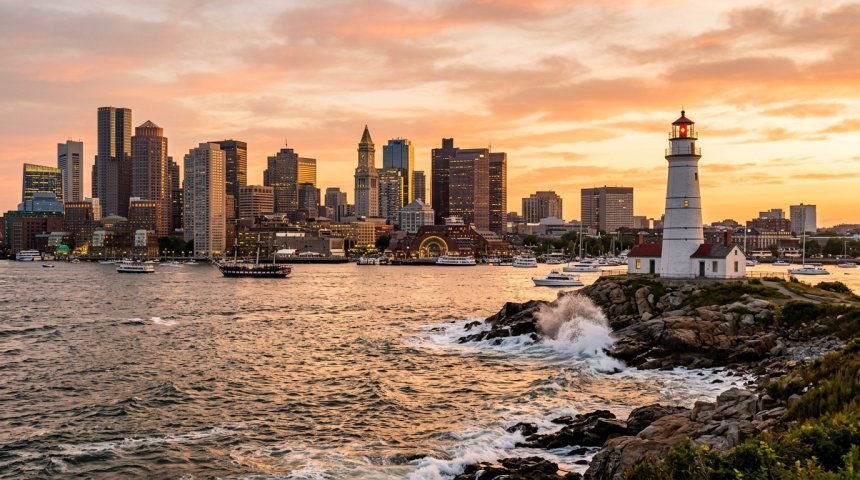
In 2026, travel trends indicate that over 20 million visitors will traverse the historic streets of Boston and the rugged, breathtaking coastlines of Massachusetts. This region, often referred to as the cradle of American liberty, serves as a bridge between a storied colonial past and a thriving, modern coastal economy. Whether you are walking the cobblestone paths of the North End or watching the sunrise over the Atlantic in Cape Ann, the essence of New England remains defined by its resilience, its deep intellectual roots, and its profound connection to the sea.
The Heart of Massachusetts: Boston in 2026
Boston is a city that feels like a village. Despite being a global hub for biotechnology, higher education, and financial services, its layout is still dictated by the winding colonial streets laid out centuries ago. In 2026, the city has successfully integrated cutting-edge urban planning with its historic preservation efforts. The Freedom Trail remains the city's most iconic attraction, drawing millions who wish to trace the footsteps of the American Revolution.
The city’s geography is dominated by the Charles River, which acts as a serene divide between the bustling downtown district and the academic enclaves of Cambridge. Visitors often find that the best way to understand Boston is to spend a morning in the Public Garden, the oldest botanical garden in the United States, before heading toward the Seaport District. The Seaport has undergone a massive transformation over the last decade, evolving into a glass-and-steel neighborhood that serves as the epicenter of Boston’s modern innovation economy.
Maritime Heritage and the New England Coastline
Moving north and south from Boston, the New England coastline reveals a different side of Massachusetts. This is a landscape shaped by glacial activity and centuries of maritime industry. To the north, the rocky shores of Cape Ann, home to Gloucester and Rockport, offer a glimpse into the life of the working fisherman. Gloucester, the oldest seaport in the United States, continues to be a vital hub for the Atlantic fishing industry. The famous "Man at the Wheel" statue stands as a testament to the thousands of fishermen who lost their lives at sea, reminding visitors that the beauty of the coast is inextricably linked to the dangers of the ocean.
To the south lies the iconic Cape Cod, a hook-shaped peninsula that has served as a sanctuary for artists, writers, and vacationers for generations. The Cape is defined by its shifting sand dunes, its salt marshes, and its quaint villages where shingle-style architecture dominates the landscape. In 2026, environmental conservation efforts have become a primary focus for local governments, ensuring that the fragile ecosystems of the Cape Cod National Seashore remain protected for future generations to explore.
The Cultural Fabric of Massachusetts
The culture of Boston and the Massachusetts coast is a unique blend of old-world sensibilities and forward-thinking progress. The region is home to some of the world's most prestigious universities, such as Harvard University and the Massachusetts Institute of Technology. These institutions don't just provide education; they drive the economy, fuel the arts, and influence the political discourse of the entire nation.
Beyond academia, the culinary scene has evolved into one of the most vibrant in the country. While traditional New England staples like clam chowder, lobster rolls, and baked beans remain popular, the modern dining scene in cities like Boston and Salem is incredibly diverse. International influences have made their way into the local cuisine, resulting in a fusion of traditional coastal ingredients with global techniques. The seafood in this region is world-renowned, primarily because it is sourced from the cold, nutrient-rich waters of the Gulf of Maine and the Atlantic Ocean.
Exploring the North Shore: Salem and Beyond
Just a short trip north of Boston lies the North Shore, a region that feels like a step back in time. Salem, famous for the 1692 witch trials, has embraced its history while developing into a thriving community of artists and small business owners. The Peabody Essex Museum in Salem is one of the oldest continuously operating museums in the country and houses an extraordinary collection of maritime art and international treasures.
Further along the coast, towns like Newburyport offer a more refined, upscale experience. With its historic Federal-style architecture and its proximity to the Parker River National Wildlife Refuge, Newburyport attracts nature lovers and history buffs alike. The refuge is a critical stopover for migratory birds, and in 2026, it remains a premier destination for birdwatchers who travel from around the world to witness the peak migration seasons.
The South Shore and the Islands
The South Shore, stretching from Quincy down toward Plymouth, is deeply rooted in the history of the Pilgrims. Plymouth Rock, though modest in size, serves as a powerful symbol of the arrival of the Mayflower and the beginning of the English settlement in North America. The living history museums in the area provide an immersive experience, allowing visitors to step into the lives of the early settlers and understand the complexities of their interactions with the Wampanoag people.
Beyond the mainland, the islands of Martha’s Vineyard and Nantucket offer a unique, isolated charm. Accessible only by ferry or air, these islands have maintained a distinct character that feels separate from the rest of the world. In 2026, the islands continue to grapple with the balance between tourism and preservation. The rolling moors of Nantucket and the dramatic clay cliffs of Aquinnah on Martha’s Vineyard remain some of the most beautiful natural landscapes in the entire state.
Economic and Environmental Challenges in 2026
As we look at the state of the coast in 2026, it is impossible to ignore the environmental challenges facing these communities. Sea-level rise and coastal erosion are no longer distant threats; they are realities that local planners are actively addressing. Large-scale infrastructure projects are being designed to mitigate flood risks in low-lying areas of Boston, such as the Seaport and the North End.
Economically, the region is thriving, but the cost of living remains a significant hurdle. The desirability of the Massachusetts coast has driven real estate prices to record highs, leading to ongoing debates about housing affordability and the preservation of the "New England character." Despite these challenges, the region remains a beacon for those who value both tradition and progress. The commitment to sustainability and the transition to renewable energy sources, particularly offshore wind, are key pillars of the state's long-term economic strategy.
Seasonal Rhythms: Why Timing Matters
The experience of visiting the New England coast varies drastically by season. Summer is the peak tourist season, characterized by warm days, cool ocean breezes, and a calendar full of festivals and community events. However, autumn is widely considered the best time to visit. The fall foliage in New England is legendary, with the landscape transforming into a vibrant display of reds, oranges, and yellows.
Winter in Massachusetts is cold and often snowy, but it offers a quiet, contemplative atmosphere. Many of the coastal towns take on a Dickensian charm during the holiday season, with lights reflecting off the snow-covered streets and cozy inns offering warmth and hospitality. Spring brings the return of life to the marshes and the reopening of coastal trails, making it an excellent time for hiking and cycling before the summer crowds arrive.
The Future of Coastal Tourism
As we move deeper into 2026, the way people interact with the Massachusetts coast is changing. Digital guides and augmented reality tours are becoming common, allowing visitors to overlay historical images onto modern street views. Yet, the core of the experience remains unchanged: the smell of the salt air, the sound of the foghorn, and the sight of a lighthouse cutting through the dark.
Tourism boards are increasingly focusing on "slow travel," encouraging visitors to spend more time in fewer locations. This approach not only provides a more meaningful experience for the traveler but also reduces the strain on local infrastructure and helps to distribute the economic benefits of tourism more evenly throughout the year.
Navigating Boston’s Historic Districts
Boston’s neighborhoods are distinct, each with its own personality and history. Beacon Hill, with its brick sidewalks and gas lamps, is often cited as one of the most beautiful residential neighborhoods in the country. It is a place where the history of the abolitionist movement and the city’s literary elite converge. Nearby, the Back Bay offers a contrast with its wide, grand boulevards and Victorian brownstones.
The South End is known for its incredible density of Victorian townhouses and its diverse community. It has become a culinary hotspot, with many of the city’s most innovative chefs opening restaurants in converted industrial spaces. For those interested in the city’s intellectual roots, a walk through the Harvard Square area in Cambridge is essential. It is a place where the past and future of American thought seem to collide, with bookstores and cafes serving as the modern-day forums for academic debate.
The Maritime Legacy of the Massachusetts Coast
The history of the Massachusetts coast is a history of the sea. From the merchant ships that made Boston a global power in the 18th century to the whaling industry that brought wealth to Nantucket and New Bedford, the ocean has defined the economic prosperity of the region. Today, this legacy is preserved in numerous maritime museums and historic sites.
The USS Constitution, docked in the Charlestown Navy Yard, remains the oldest commissioned naval vessel afloat in the world. Known as "Old Ironsides," it is a marvel of 18th-century engineering and a symbol of American naval strength. Visitors can board the ship and talk to the sailors who maintain her, gaining a firsthand look at the life of a 19th-century crew member.
The Role of Conservation in 2026
Environmental stewardship is a defining feature of life on the Massachusetts coast in 2026. Efforts to restore salt marshes and protect barrier beaches are critical to the state's climate resilience strategy. Organizations like the Trustees of Reservations manage thousands of acres of land, ensuring that public access to the coast is maintained and that critical habitats are protected from development.
These efforts are not just about protecting the environment; they are about protecting the way of life in New England. The fishing industry, the tourism sector, and the identity of the coastal towns all depend on the health of the Atlantic ecosystem. As the climate continues to change, the people of Massachusetts are proving to be leaders in finding innovative solutions to protect their shoreline.
A Balanced View of Coastal Life
Living on the New England coast is not without its challenges. The weather can be unpredictable, the winters are long, and the cost of living is high. However, for those who choose to call this region home, the trade-offs are worth it. There is a deep sense of community that is often lacking in more transient parts of the country. Neighbors look out for one another, and there is a shared respect for the history and the natural beauty that surrounds them.
For the visitor, this translates into a warm welcome and an authentic experience. Whether you are staying in a grand hotel in downtown Boston or a remote cottage on the tip of Cape Cod, you will find that the people of Massachusetts are proud of their home and happy to share it with those who take the time to understand it.
The Evolution of the New England Culinary Scene
The culinary evolution of the region is perhaps one of the most exciting aspects of visiting in 2026. While the "New England Clam Bake" remains a classic, the modern kitchen is experimenting with sustainable aquaculture and hyper-local sourcing. Chefs are working directly with local fishermen to feature underutilized species, helping to relieve the pressure on overfished stocks while providing diners with fresh, exciting flavors.
In Boston, the farm-to-table movement has been expanded to include "boat-to-table" practices. Restaurants in the Seaport and the North End are leading the way in transparency, allowing diners to know exactly where their fish was caught and by whom. This connection between the consumer and the source is emblematic of the values held by many in the region.
The Intellectual Climate of the Region
It is difficult to overstate the influence of the region's academic institutions on the culture of Massachusetts. The presence of so many students and researchers creates a high-energy environment where ideas are constantly being challenged and refined. This intellectual curiosity permeates the local culture, from the public lecture series held in Boston’s libraries to the independent bookshops that thrive in towns across the state.
In 2026, the synergy between academia and industry is stronger than ever. The "Innovation District" in Boston is a direct result of this collaboration, with startups emerging from labs at MIT and Harvard to solve global problems in medicine, energy, and technology. This creates a unique atmosphere where you might be sitting in a coffee shop next to a Nobel Prize winner or a student developing the next big software breakthrough.
Conclusion
Boston and the New England coast represent a unique confluence of history, nature, and innovation. In 2026, the region stands as a testament to the idea that progress does not have to come at the expense of the past. By carefully balancing the preservation of its colonial roots with the needs of a modern, forward-looking society, Massachusetts continues to be a compelling destination for travelers and a vibrant home for its residents.
The beauty of the coast, the depth of the history, and the strength of the community create an experience that is both grounding and inspiring. Whether you are exploring the narrow alleys of Beacon Hill, watching the sunset over the dunes of Cape Cod, or learning about the maritime history of Gloucester, you are participating in a story that has been unfolding for centuries—and one that continues to evolve with every passing tide.
What is the best time of year to visit Boston and the New England coast?
The best time to visit is generally during the autumn months, specifically September and October. During this period, the weather is mild, the summer crowds have dissipated, and the region is famous for its spectacular fall foliage. However, summer is excellent for those who want to enjoy the beaches and coastal activities, while winter offers a quiet, festive atmosphere for those who don't mind the cold.
How do I get around the New England coast?
Boston is a very walkable city with an efficient public transportation system known as the "T." For those looking to explore the coast beyond the city, renting a car is highly recommended. While some coastal towns are accessible via commuter rail or bus, having a vehicle provides the flexibility to explore the more remote stretches of the North and South Shores and the various towns on Cape Cod.
Is the region suitable for families with children?
Absolutely. Boston is incredibly family-friendly, with world-class museums like the Museum of Science and the New England Aquarium. Outside of the city, the coastal towns offer plenty of activities for children, including whale watching tours, sandy beaches for swimming, and historic sites that offer interactive programs designed to engage younger visitors.
What are the must-see historical sites in the area?
The Freedom Trail in Boston is the most essential historical experience, covering key sites like the Old North Church and the Paul Revere House. Outside of Boston, the Plymouth Patuxet Museums in Plymouth provide a fascinating look at the early settlement period. Additionally, the Salem Witch Museum and the various maritime museums in Gloucester and Nantucket are highly recommended for those interested in specific aspects of regional history.
How has climate change affected the Massachusetts coastline?
Climate change has led to rising sea levels and an increase in the frequency of coastal flooding, particularly during storm surges. In response, the state and local municipalities have invested heavily in resilient infrastructure, such as improved drainage systems, seawall reinforcements, and the protection of natural barriers like salt marshes, which help absorb storm energy.
What is the culinary specialty of the region?
New England is famous for its seafood, particularly clam chowder, lobster rolls, fried clams, and fresh oysters. Each of these dishes reflects the deep connection to the Atlantic Ocean. In addition to seafood, the region is known for its seasonal produce, including cranberries, apples, and maple syrup, all of which are frequently featured in local recipes and at farm-to-table restaurants.
Exploring the North Shore: Beyond the City Limits
While Boston serves as the urban heart of the region, the North Shore offers a distinct, rugged charm that feels worlds away from the bustle of the capital. Stretching from the historic shipyards of Charlestown up toward the New Hampshire border, this stretch of coastline is defined by its rocky cliffs, charming harbors, and a seafaring heritage that remains palpable in every village.
Salem, perhaps the most famous of these towns, has successfully navigated the balance between its dark 1692 witch-trial history and its identity as a vibrant, modern maritime city. Visitors today find a sophisticated arts scene, high-end boutiques, and a marina that serves as a hub for both commercial fishing and recreational sailing. A short drive away, the town of Gloucester remains the oldest continuously operating fishing port in the United States. Walking along the docks of the "Harbor Loop," one can still see the weathered faces of fishermen unloading their daily catch, a tradition that has anchored the local economy since the 1600s. The nearby Cape Ann region is a haven for artists, drawn for over a century to the dramatic light and crashing surf that characterize this part of the Atlantic.
Further north, the town of Newburyport offers a masterclass in historic preservation. Its Federal-style architecture, painstakingly maintained, provides a picturesque backdrop for one of the most charming downtowns in New England. The nearby Parker River National Wildlife Refuge provides a vital sanctuary for migratory birds and offers miles of pristine, protected barrier beaches. Here, the focus is on quiet observation and the preservation of natural ecosystems, offering a peaceful retreat from the more densely populated areas to the south.
The South Shore and the Gateway to the Cape
The South Shore, stretching from Quincy down toward the Cape Cod Canal, offers a different flavor of coastal life. This region is characterized by sprawling sandy beaches, quiet coves, and towns that have transitioned from colonial agricultural outposts to thriving residential suburbs. Plymouth, often referred to as "America’s Hometown," remains a focal point for those interested in the complexities of the colonial encounter. The modern approach to interpreting the history of the Wampanoag people and the Pilgrims has moved toward a more inclusive, nuanced narrative, acknowledging the deep, often painful, history of the land long before the Mayflower arrived.
As you head further south, the landscape begins to flatten, signaling the approach to Cape Cod. The towns of Duxbury and Marshfield are known for their expansive salt marshes and thriving oyster farms. Duxbury oysters, in particular, have gained a reputation among gourmands worldwide for their distinct brine and clean, crisp finish. Tasting an oyster here, plucked from the cold, nutrient-rich waters just hours before, is a hallmark of the authentic South Shore experience.
The Unique Ecology of the Islands: Nantucket and Martha’s Vineyard
No discussion of the Massachusetts coast is complete without mentioning the islands. Nantucket and Martha’s Vineyard are not merely vacation destinations; they are unique ecosystems and cultural enclaves with histories that set them apart from the mainland.
Nantucket, located 30 miles off the coast, was once the whaling capital of the world. Its cobblestone streets, lined with historic whaling mansions, tell the story of a time when the island’s ships dominated the global oil industry. Today, the island is a testament to preservation; strict building codes have ensured that the town remains largely as it looked in the 19th century. Beyond the town center, the island is a landscape of heathlands, cranberry bogs, and windswept beaches. The Nantucket Conservation Foundation manages a significant portion of the island, ensuring that its wild, natural character remains intact despite the pressures of seasonal tourism.
Martha’s Vineyard, larger and more diverse in its geography, offers a blend of upscale, pastoral landscapes and rugged coastal cliffs. From the iconic gingerbread cottages of Oak Bluffs to the dramatic clay cliffs of Aquinnah—a site of great spiritual and cultural significance to the Wampanoag Tribe—the island is a place of profound beauty. In 2026, both islands have become leaders in sustainable tourism, with local initiatives focused on minimizing the carbon footprint of the thousands of summer visitors. Electric ferries, bike-share programs, and an emphasis on local, island-grown produce have become the standard, reflecting a commitment to protecting the fragile environment that makes these islands so special.
The Role of the Arts in Coastal Identity
The Massachusetts coast has long been a muse for artists, writers, and musicians. The unique quality of the light—often described as "painterly" due to the way it reflects off the water and the shifting coastal clouds—has drawn generations of landscape painters to towns like Rockport and Provincetown.
In Provincetown, located at the very tip of Cape Cod, the arts are the lifeblood of the community. Known for its tolerance, creative spirit, and history as the site of the first landing of the Pilgrims, it has evolved into a world-class destination for the LGBTQ+ community, artists, and those seeking an unconventional lifestyle. The galleries lining Commercial Street feature works that range from traditional maritime scenes to avant-garde contemporary pieces. This artistic legacy is not just a relic of the past; it is a living, breathing force that shapes the town's social fabric and continues to attract creative minds from around the globe.
Sustainable Travel in 2026: A Final Word
As you plan your journey through Boston and the New England coast, consider the impact of your visit. The region’s beauty is delicate, and its history is a shared heritage. By choosing to travel during the shoulder seasons, supporting local, independent businesses, and respecting the conservation areas that protect the coastline, you contribute to the longevity of these remarkable places.
In 2026, the "New England experience" is defined by a renewed appreciation for the slow, deliberate pace of life. It is found in the time spent walking through a quiet marsh at dawn, the conversation shared with a local shopkeeper, and the moment you realize that the history of this place is not behind glass, but written into the very stone, sand, and sea that surround you. Massachusetts invites you not just to observe, but to engage—to become a temporary part of a story that, while centuries old, remains as vibrant and relevant as the next tide coming in. Enjoy the journey, breathe in the salt air, and take the time to notice the details; in New England, the true magic is often found in the quietest corners of the coast.
Share
What's Your Reaction?
 Like
0
Like
0
 Dislike
0
Dislike
0
 Love
0
Love
0
 Funny
0
Funny
0
 Angry
0
Angry
0
 Sad
0
Sad
0
 Wow
0
Wow
0