7 Critical Signs Your Equipment Needs Urgent Maintenance
Discover 7 critical signs your industrial equipment needs urgent maintenance to prevent costly downtime, protect your plant, and improve reliability.

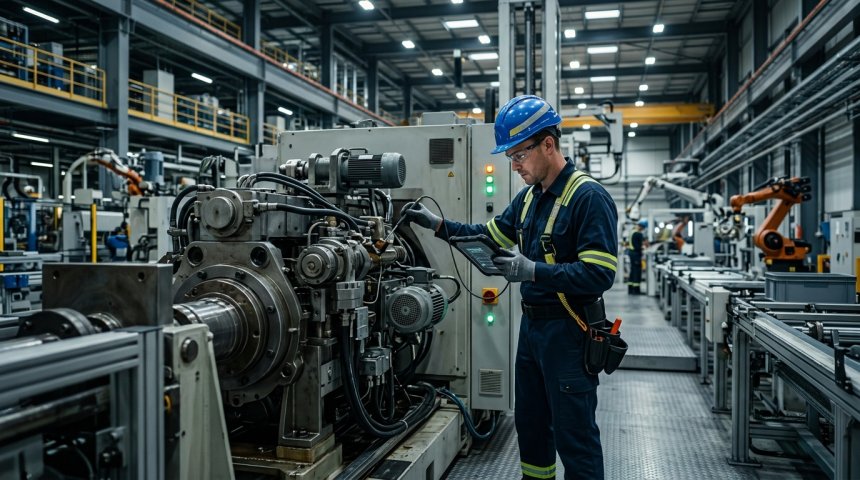
Introduction: The Critical Importance of Timely Industrial Equipment Maintenance
Unplanned downtime in a busy industrial plant can cost thousands of dollars every single hour. Heavy machinery works hard every day, absorbing constant mechanical stress, friction, and thermal cycles. When equipment runs continuously under harsh factory conditions, small mechanical flaws develop beneath the surface long before a machine grinds to a complete halt.
Modern production schedules often push physical assets to their absolute limits. In many facilities, managers mistakenly treat machinery like home appliances—ignoring them until something stops working. However, waiting for an outright breakdown is the most expensive way to manage an industrial facility. Reactive repairs regularly cost three to four times more than scheduled upkeep. Emergency fixes require rush shipping for spare parts, expensive overtime labor for field mechanics, and lost production capacity that directly threatens customer trust.
Beyond lost revenue, mechanical degradation carries serious life-safety risks for shop floor personnel. A jammed drive shaft, blown hydraulic line, or seized gear assembly can cause catastrophic mechanical explosions, fires, or structural collapses. The Occupational Safety and Health Administration (OSHA) makes it clear that worker protection depends directly on machine integrity. In its official machinery maintenance guidance, OSHA identifies early warning signs such as inappropriate noise and visible defects as red flags that demand prompt technical review.
Industrial machines rarely fail without warning. Instead, they drop subtle clues through sound, movement, temperature, and performance. Recognizing these signals allows operators and plant managers to arrange professional interventions before an operational minor issue turns into a safety disaster. Catching problems early keeps operators safe, extends asset lifespans, and preserves the facility budget.
Sign 1: Unusual Noises and Excessive Mechanical Vibration
Every piece of factory machinery has an acoustic baseline—the familiar hum, rhythmic click, or constant whir of smooth, normal operation. Experienced machine operators know this baseline intimately. When an industrial asset suddenly changes its song, the mechanical assembly is screaming for help.
Decoding Strange Sounds: Squeals, Knocks, and Grinding
Sudden or evolving acoustic changes indicate internal mechanical distress. A high-pitched squeal often points to loose, slipping, or worn drive belts that have lost their grip on pulleys. Squealing can also reveal dry metal surfaces scraping against each other because of lubrication failure.
In contrast, deep knocking or thumping sounds usually point to mechanical play within rotating components. Loose wrist pins, worn connecting rods, or damaged internal counterweights strike against neighboring parts during motion. High-friction metallic grinding indicates that protective fluid films have evaporated or broken down. When protective lubricants vanish, metal surfaces make direct contact, shedding microscopic metallic shavings directly into the gear oil.
According to OSHA pre-operation guidelines, operators must report unusual noises and mechanical vibrations immediately rather than trying to push through a work shift. Ignoring a new noise allows microscopic surface imperfections to turn into structural fractures across shafts, gear teeth, and bearing races.
The Danger of Unchecked Vibration
Vibration is both a common symptom and a destructive cause of machine degradation. While heavy equipment naturally generates minor shaking, abnormal shaking points to serious mechanical issues: * Severe Shaft Misalignment: Drive shafts that do not line up precisely force bearings to carry heavy loads they were never designed to hold. * Rotational Imbalance: Dirt buildup on fan impellers, uneven blade erosion, or missing balance weights create asymmetric centrifugal forces that shake the entire housing. * Mechanical Looseness: Loose structural foundation bolts or cracked support frames allow minor rotational forces to amplify into violent wobbles.
Unchecked vibration travels outward through floor plates, adjacent piping, and electrical conduit, loosening fittings and damaging nearby delicate instrumentation.
What Professional Technicians Look For
Qualified reliability specialists do not simply rely on listening with a screwdriver pressed to an ear. Certified technicians use specialized electronic vibration analyzers to measure velocity, acceleration, and displacement across multiple axes.
As detailed in the DOE motor systems sourcebook, formal vibration analysis allows engineers to identify developing mechanical problems long before outright physical failure occurs. Spectral analysis can isolate a damaged outer bearing race from an unbalanced motor rotor based strictly on exact vibration frequencies. Bringing in professionals ensures that technicians locate the precise root cause rather than replacing parts at random.
Sign 2: Abnormal Operating Temperatures and Chronic Overheating
Friction naturally creates heat, but industrial equipment is engineered to dissipate that thermal energy through cooling jackets, heat sinks, circulating lubricants, and radiator fans. When operating temperatures climb above standard manufacturer parameters, the machine is losing its battle against friction and electrical resistance.
Identifying the Causes of Excessive Heat
Chronic overheating stems from several common mechanical and electrical defects: 1. Lubrication Breakdown: Old or contaminated grease breaks down chemically, losing its film strength and allowing metal-on-metal friction to spike thermal output. 2. Cooling System Obstructions: Radiator cores, air intake filters, and heat exchanger tubes quickly accumulate oil mist, airborne dust, and factory debris, suffocating heat transfer surfaces. 3. Internal Mechanical Binding: Over-tightened bearing housings or warped structural guides force motors to pull excessive mechanical amperage to overcome drag. 4. Electrical Overloads: Low supply voltage, phase imbalances, or failing stator insulation cause electric motors to run extremely hot, scorching internal protective varnishes.
Operating a piece of machinery with elevated temperatures rapidly degrades the chemical structure of its industrial oils. High heat accelerates oxidation, turning fluid lubricants into thick, sticky sludges that starve components of necessary lubrication.
Regulatory Safety Protocols for Overheating Machinery
Operating overheated equipment is a severe safety hazard. Extreme heat can set fire to nearby combustible dust, vaporize hydraulic sprays into explosive mists, or cause high-pressure metal housings to crack.
Because of these catastrophic safety risks, federal workplace standards contain strict mandates. For instance, federal safety regulations state that when a powered industrial vehicle develops a hazardous temperature above normal operating limits, workers must remove it from service until authorized technicians correct the root cause. Under OSHA instrument panel guidance, operators should never operate equipment when engine temperature or transmission indicators signal an unsafe condition.
Long-Term Risks to Structural and Electrical Components
Ignoring abnormal thermal spikes shortens asset lifespans dramatically. In electric motors, running just ten degrees Celsius above the rated insulation temperature cut winding lifespans in half.
In hydraulic systems, intense heat degrades rubber seals, softens protective O-rings, and causes premature fluid breakdown. Structural metal housings expand unevenly under sustained thermal stress, warping precision-machined tolerances and causing rotating components to seize up. When an industrial machine begins to overheat, only trained maintenance professionals possess the thermal imaging cameras, flow sensors, and diagnostic tools needed to trace the source of heat dissipation failures and restore safe thermal limits.
Sign 3: Fluid Leaks in Fuel, Hydraulic, and Lubrication Systems
Fluid leaks are among the most visible indications of internal system failure, yet operators often dismiss minor drips as ordinary factory wear. A puddle forming beneath an industrial press or a wet film coating a forklift chassis represents an active loss of system integrity. In high-demand manufacturing environments, industrial fluids serve as the lifeblood of production machinery, transmitting hydraulic power, reducing mechanical friction, and carrying thermal energy away from moving parts.
The True Cost of Leaks: Safety, Slipping, and Fires
A leaking machine causes problems that extend far beyond fluid replacement costs. Pooling oil on plant floors creates severe slip-and-fall hazards for operating crews and transport traffic. Even more alarming is the catastrophic fire risk associated with petroleum-based oils and volatile fuels.
When pressurized hydraulic lines develop pinhole breaches, they release atomized fluid mists that catch fire instantly upon touching hot engine exhaust manifolds or electrical contactors. Because of these severe risks, regulatory agencies enforce strict guidelines regarding active fluid loss. According to OSHA forklift safety standards, any powered industrial truck with a fuel-system leak must not be operated until it is properly repaired, and daily pre-operation inspections must actively flag all visible leaks and defects.
+-------------------------------------------------------------------+
|               FLUID LEAK RISK AND IMPACT MATRIX                  |
+----------------------+--------------------+-----------------------+
| Fluid System Type    | Primary Hazard     | System Consequence    |
+----------------------+--------------------+-----------------------+
| Hydraulic Fluid      | Fire & Injection   | Loss of Actuation,    |
|                      | Slip Hazards       | Actuator Drift        |
+----------------------+--------------------+-----------------------+
| Fuel Lines           | Immediate Fire &   | Engine Stalling,      |
|                      | Explosion Risk     | Air in Fuel Rail      |
+----------------------+--------------------+-----------------------+
| Lubricating Oil      | Metal Scoring &    | Bearing Seizure,      |
|                      | Overheating        | Gear Tooth Fractures  |
+----------------------+--------------------+-----------------------+
| Coolant Lines        | Thermal Warping    | Head Cracking, Blown  |
|                      | Electrical Shorts  | Gaskets, Seizures     |
+----------------------+--------------------+-----------------------+
Why Tightening a Fitting Rarely Fixes the Problem
When operators spot fluid pooling beneath a pump or valve manifold, their initial reaction is often to grab an adjustable wrench and crank down on the nearest threaded fitting. This common habit frequently makes the damage worse.
Most high-pressure connections rely on precision-formed elastomeric O-rings, metal compression rings, or machined flared faces to hold fluid under operating pressure. Over-torquing a leaking fitting pinches and splits hardened rubber seals, strips internal aluminum threads, and distorts metal sealing faces.
External leaks often point to deep internal problems rather than simple loose hardware:
- Systemic Pressure Spikes: Sticking relief valves produce pressure spikes that blow out secondary seals.
- Severe Fluid Contamination: Abrasive particulate debris tears through rod wipers and directional valve spools.
- Cavitation Damage: Trapped air bubbles implode violently against metallic fittings, eroding pipe walls from the inside out.
The Professional Diagnostic Approach
When certified maintenance specialists investigate fluid system leaks, they look beyond the damp spot on the floor. Professionals use ultraviolet fluorescent tracer dyes, electronic sniffers, and calibrated torque tools to locate the true point of escape without damaging fragile alloy components.
Trained technicians inspect internal relief valves, evaluate fluid degradation curves, and analyze return-line filters for microscopic metal shavings. By identifying whether an external leak stems from fluid overheating, seal degradation, or mechanical shock loading, a professional technician prevents secondary component failures throughout the entire hydraulic circuit.
Sign 4: Persistent Instrument Warning Lights and Gauge Irregularities
Modern industrial equipment relies on an array of electronic sensors and mechanical gauges to monitor the machine's internal environment. These diagnostic tools track oil pressure, fluid temperature, electrical current, and filter differential pressures. When an instrument light illuminates on an operator panel or an analog needle sweeps into a red warning zone, the machine is warning you that internal operating parameters have drifted past safe engineering limits.
Moving Beyond the "Tape-Over-the-Light" Mentality
In busy production facilities under strict delivery deadlines, operators can fall victim to normalization of deviance. When a warning indicator remains lit day after day while the machine appears to run normally, teams begin viewing the light as an annoyance rather than an active emergency. Some workers ignore blinking LEDs, clear software trouble codes, or place adhesive tape directly over the indicator.
This mindset invites sudden catastrophic failure. Dashboard alarms trigger only after internal parameters exceed safe operating tolerances. For example, federal OSHA machine instrument guidance states clearly that workers should never operate equipment when oil-pressure, engine-temperature, or transmission-temperature indicators signal an unsafe condition, requiring immediate reporting to authorized maintenance personnel.
[Operating Parameter] ---> [Acceptable Range] ---> [Dashboard Warning Triggered]
                                                              |
                                                              v
[Sudden Total Failure] <--- [Unchecked Operation] <--- [Operator Ignores Alarm]
A glowing oil pressure light does not mean pressure will drop tomorrow; it indicates that critical bearings may already be running dry right now.
Reading the Story Told by Fluctuating Gauges
A warning light indicates that a threshold has already been breached, but fluctuating analog gauges reveal an evolving internal failure in real time. Machine operators should remain alert to subtle gauge behaviors:
- Erratic Oil Pressure Swings: Pointers that shudder or drop sharply during acceleration point to pump cavitation, low fluid levels, or a clogged pickup screen.
- Creeping Coolant Gauges: Temperature needles that steadily march upward under standard operating loads reveal scaling inside heat exchangers, slipping water pump belts, or early head gasket leaks.
- Pneumatic Pressure Fluctuations: Wide cyclical drops in air receiver pressure indicate failing compressor intake valves, worn piston rings, or ruptured internal bladders.
Sensor Failure Versus Mechanical Catastrophe
A common defense for running equipment with an active alarm is the assumption that the sensor itself is faulty. While electronic pressure transducers, thermistors, and float switches do wear out over time, treating every alert as a sensor glitch is dangerous.
Only professional technicians have the specialized tools needed to differentiate between a bad sensor and an imminent mechanical disaster:
- Inline Mechanical Verification: Technicians plumb calibrated manual test gauges directly into the fluid passages to verify whether digital sensor readouts match actual hydraulic pressures.
- Signal Loop Testing: Technicians use digital multimeters and signal generators to measure circuit voltage, ground integrity, and resistance values across wire harnesses.
- Control Module Diagnostics: Technicians connect computerized scan tools to read pending fault codes, freeze-frame engine data, and historical duty cycles.
If an alert turns out to be an electrical sensor fault, that sensor must be replaced immediately by a qualified specialist. Operating blind without working safety instrumentation leaves expensive factory assets entirely unprotected against real physical failures.
Sign 5: Noticeable Pressure Drops and Sluggish Machine Performance
Industrial machinery operates on predictable cycle times and precise force outputs. When a hydraulic press takes twice as long to complete a single stamping cycle, or a pneumatic pick-and-place robot stumbles while lifting normal production loads, the equipment is losing internal mechanical efficiency. Sluggish performance is a tangible indicator that internal components are wearing out and can no longer generate or hold the energy required for production.
Understanding Internal Pressure Loss and Bypass
To generate high mechanical forces, closed hydraulic and pneumatic circuits depend on tight internal clearances. High-precision gear pumps, vane assemblies, and piston rings seal fluid chambers with tolerances measured in thousandths of an inch.
As equipment logs thousands of working hours without proper care, microscopic abrasives in the fluid scour these sealing surfaces. When internal wear creates loose mechanical gaps, pressurized fluid chooses the path of least resistance. Instead of pushing against a hydraulic cylinder piston to move a heavy steel die, the fluid flows backward across worn pump gears and slipping valve spools. This internal bypass robs the tool of its operating speed and physical output.
According to federal OSHA crane and derrick inspection rules, low operating speeds and low system pressures serve as critical performance indicators that warn of severe internal damage inside hydraulic and pneumatic pumps and motors.
Expected Force: [========================================] 100%
Actual Force:   [============================] 70%
                └── Lost to Internal Bypass ──┘ (30% Energy Wasted as Heat)
When pressure drops occur, electric motors pull higher electrical currents to compensate for the lost mechanical advantage. This cycle wastes energy and generates excessive thermal stress across the drive train.
Distinguishing Power Source Deficiencies from Mechanical Drag
When industrial equipment begins running slowly, machine owners often struggle to locate the root cause. A sluggish system typically results from one of two mechanical issues:
-
Hydraulic and Pneumatic Delivery Problems:
- Worn pump impellers failing to hit design flow ratings.
- Collapsed suction line hoses that starve high-pressure pumps.
- Clogged inline fluid filters forcing systems into constant bypass mode.
- Sticking proportional relief valves venting drive pressure straight back into reservoir tanks.
-
Structural and Kinematic Binding:
- Dry linear guide ways and unlubricated bronze bushings creating immense physical drag.
- Warped structural machine frames binding sliding platens during vertical travel.
- Galling metal-on-metal tracks caused by misaligned counterweights or guide shoes.
- Over-tightened shaft packing glands generating severe friction on rotating drive shafts.
How Certified Specialists Restore System Output
Fixing sluggish machinery requires more than turning an external pressure screw to force the system harder. Dialing up pressure relief valves on a worn system simply forces failing pumps to work under higher strain, accelerating pump failure and risking explosive hose ruptures.
Certified maintenance technicians use diagnostic flow meters to conduct pump testing under full load. By measuring fluid flow against varied operating pressures, professionals identify exactly how much fluid is escaping past worn internal surfaces.
Specialists also use laser measurement tools to check mechanical alignments along machine ways, verify that guide rails remain parallel, and ensure that slide tolerances match manufacturer specifications. Professional maintenance addresses internal flow loss and physical friction directly, restoring operating cycle speeds safely without risking catastrophic mechanical overloads.
Sign 6: Visible Structural Wear, Stress Fractures, and Surface Cracking
Heavy machinery endures punishing physical forces every day. Over months and years of constant operation, cyclical loads slowly fatigue steel frames, support arms, and mounting brackets. What begins as a microscopic hairline fault can quickly spread across high-stress junctions, eventually threatening the entire machine frame.
Identifying Dangerous Surface Flaws
During routine walk-arounds, machine operators should look closely at load-bearing points, weld seams, and mechanical pivot pins. Surface warnings rarely stay minor for long:
- Paint Flaking and Rust Lines: Paint does not stretch. When structural steel bends beyond its design limits, paint chips away along the bend line. A fine trail of red rust often forms along the crack as bare metal meets ambient moisture.
- Elongated Bolt Holes: Vibration and cyclic twisting can cause bolt holes to stretch into egg-shaped openings. This slop allows connected components to shift, placing heavy shear stress on fasteners.
- Surface Pitting and Spalling: Drive rollers, gear teeth, and crane tracks suffer from surface metal flaking away under excessive contact loads.
According to federal machinery safeguarding guidance, worn parts, cracks, and visible defects are primary warning signs of mechanical danger. Even small cracks require swift inspection before operational stresses split the metal apart.
Initial Micro-Fracture ──> Cyclic Loading ──> Paint Flaking & Rust ──> Catastrophic Structural Rupture
Why Welding Over Cracks Is Not a Real Fix
When a crack appears on a machine frame, maintenance crews are often tempted to grab a shop welder and lay down a quick bead of metal over the split. This patch job can actually make the damage worse. Structural steel requires proper stress relief, beveling, preheating, and certified structural welding techniques.
Without professional metallurgical analysis, a quick weld simply creates a brittle heat-affected zone right beside the original crack. Professional repair teams test structural integrity using magnetic particle checks, liquid dye penetrants, and ultrasonic flaw detectors. These non-destructive testing tools let specialists see how far a crack reaches beneath the surface. From there, certified technicians grind out the crack completely, relieve internal stresses, and reinforce the underlying joint to manufacturer specifications.
Sign 7: Exceeded Operating Hour Thresholds and Declining Diagnostic Trends
Industrial equipment operates under strict engineering limits. Relying on visual checks alone leaves facility owners vulnerable to silent mechanical wear that happens deep inside sealed housings. Operating meters and diagnostic data trends show exactly when internal parts are nearing their engineered end of life.
The Limits of Run-to-Failure Schedules
Modern machinery relies on hour meters to guide service schedules, much like an odometer in a work truck. Running equipment past these built-in limits puts expensive sub-assemblies on borrowed time. Federal workplace safety rules highlight that powered industrial truck maintenance schedules depend directly on operating hours. Operators should never exceed manufacturer-recommended service intervals because lubricants break down, seals turn brittle, and bearings develop subsurface fatigue.
Safe Operation ──> Recommended Hour Limit ──> Accelerated Wear ──> Multi-Component Breakdown
Tracking Diagnostic Trends Over Time
Routine professional servicing does far more than change filters. It tracks subtle machine changes through systematic condition monitoring. The U.S. Department of Energy explains that predictive maintenance strategies, such as regular vibration logging and oil analysis, allow technicians to map baseline machine health and catch developing defects long before parts fail.
When professional fluid lab reports show rising counts of iron, copper, or silicon, internal bushings and cylinder walls are wearing away. Paired with thermal imaging and electrical current tests, diagnostic trends give plant teams the foresight to schedule overhauls during planned stops rather than suffering unexpected failures mid-shift.
The Hidden Costs of Deferred Repairs: Unplanned Downtime and Safety Hazards
Putting off equipment service might look like a simple way to protect short-term budgets, but running troubled machinery always carries a steep price tag. Postponed repairs compound across entire production facilities, turning minor maintenance tasks into catastrophic capital losses.
Compounding Unplanned Downtime
When a worn machine breaks during peak production, the fallout reaches far beyond the repair shop:
- Idle Assembly Labor: Entire shifts of workers stand waiting while machines sit cold.
- Ruined Work-in-Progress: Delicate product runs inside stamping dies, kilns, or thermoformers spoil instantly when line power stops.
- Expedited Freight and Parts: Emergency deliveries of replacement assemblies cost significantly more than planned restocks.
Serious Workplace Safety Hazards
Operating damaged equipment puts plant staff in real physical danger. High-pressure hydraulic leaks can lead to fluid injection injuries, cracked structural arms can drop heavy loads, and seized gearboxes can throw metal fragments across the floor.
To protect workers, workplace rules state that damaged industrial trucks must be pulled from service immediately and repaired only by authorized technicians. Taking shortcuts with equipment safety risks workplace injuries, steep regulatory fines, and legal liability. Professional servicing keeps equipment running smoothly and keeps plant crews safe.
In-House Pre-Shift Inspections vs. Certified Professional Maintenance
Keeping industrial hardware running requires steady teamwork between floor operators and certified technicians. Knowing where daily operator duties stop and professional service begins helps ensure plant safety and maintain warranty coverage.
The Role of Daily Operator Checklists
Every production shift should begin with a structured walk-around. Operators work closely with their machinery, making them the first line of defense
against emerging mechanical problems. By checking basic fluid levels, inspecting for visual damage, and testing control switches before turning on the power, operators spot trouble early. Shift inspections take only a few minutes, but they create a clear operational baseline that keeps minor wear from turning into an unmanageable crisis.
When to Call in Certified Specialists
While daily checks reveal surface defects, certified technicians must handle deeper internal repairs. Complex rebuilds require advanced diagnostic computers, specialized balancing tools, and strict compliance with [hazardous energy control standards](https://www.osha.gov/control-hazardous-energy/) during lockout and tagout procedures. Attempting to repair complex drivetrains, recalibrate hydraulic circuits, or service high-pressure boilers without certified training risks severe personal injury, equipment destruction, and voided manufacturer warranties. Floor operators are trained to spot and report anomalies; certified technicians possess the specialized tools to solve them safely.
Conclusion: Protecting Equipment Reliability and Operational Longevity
Industrial machinery operates continuously across manufacturing, warehousing, and processing facilities. When equipment runs without interruption, facilities maintain schedules, orders ship on time, and operating margins stay intact. Mechanical work inevitably causes wear. Plant managers and floor supervisors must watch for seven core warning signs: unusual vibration, abnormal heat, leaking fluids, dashboard warning lights, sluggish cycle times, structural cracks, and exceeded service hour thresholds.
Treating machinery maintenance as an afterthought invites unexpected downtime, inflated repair costs, and serious shop floor hazards. Proactive teams listen to their machines, address early warnings, and bring in certified professionals before small issues escalate into catastrophic failures.
Building a Proactive Maintenance Culture
Shifting a facility from a reactive "firefighting" mindset to a proactive reliability model requires commitment across every level of the organization. As federal safety authorities emphasize in their [woodworking machine maintenance guidelines](https://www.osha.gov/etools/woodworking/production/machine-maintenance), scheduled upkeep and regular cleaning prevent mechanical failures while protecting operators from severe workplace hazards.
A dependable facility culture treats maintenance not as an unwanted operational expense, but as a critical safeguard for uptime. Operators should feel empowered to report unusual sounds or sluggish performance without fear of slowing production. When floor staff and maintenance specialists communicate openly, minor adjustments replace emergency overhauls.
Daily Shift Inspection ──> Early Defect Reporting ──> Certified Assessment ──> Reliable Operation
Long-Term Value and Asset Protection
Heavy industrial machines represent massive capital investments meant to deliver value across decades of service. Managing these physical assets responsibly demands structured oversight. Comprehensive programs like the [Department of Energy maintenance management guidelines](https://www.energy.gov/documents/archivedoe-o-4330-4bmaintenance-management-program1994-02-10pdf) show that tracking diagnostic data and performing scheduled servicing prolongs machinery life, stabilizes operating budgets, and maximizes overall return on investment.
When industrial equipment receives expert care, systems run cooler, consume less power, and maintain tighter tolerances. Protecting operational longevity is not a matter of luck—it comes
Share
What's Your Reaction?
 Like
0
Like
0
 Dislike
0
Dislike
0
 Love
0
Love
0
 Funny
0
Funny
0
 Angry
0
Angry
0
 Sad
0
Sad
0
 Wow
0
Wow
0