Girdwood, Alaska: The Complete 2026 Travel Guide
A human guide to Girdwood, Alaska: Alyeska Resort, Chugach powder, aurora hunting, summer hiking, and honest tips for the rainforest ski town.

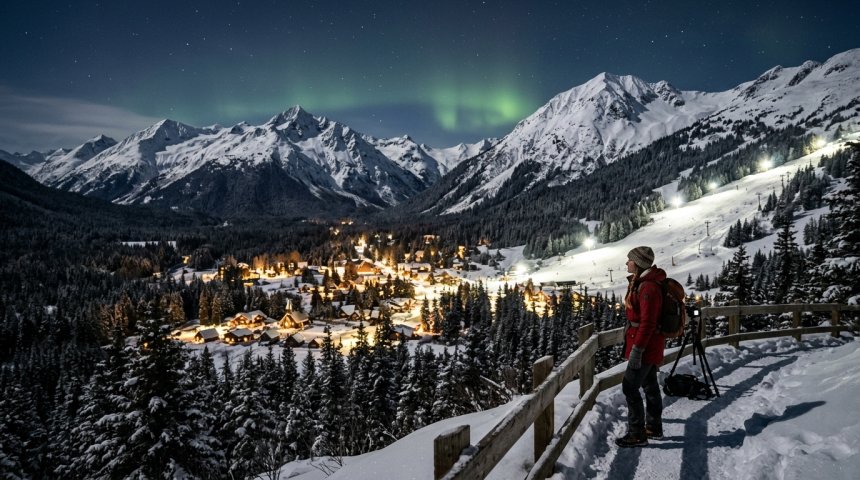
The first thing that breaks your brain about Girdwood is the trees. You are in Alaska, a place your imagination has pre-loaded with tundra, glaciers, and endless white horizons. But as you drive forty minutes south of Anchorage along the Seward Highway, hugging the shoreline of Turnagain Arm with tidal mudflats stretching to the horizon on one side and sheer granite walls on the other, you turn into the valley and enter something that feels geographically impossible.
Towering Sitka spruce and hemlock, draped in thick green moss, close in around the road. Ferns the size of cars line the creek beds. The air is heavy, damp, and smells like wet bark and ocean salt. You have entered a temperate rainforest, nestled at the base of the Chugach Mountains, where some of the deepest, lightest powder snow on Earth falls directly onto dense evergreen canopy. This is Girdwood. It is a town of contradictions: a world-class ski resort buried in a jungle, a winter wonderland that receives more rain than Seattle, and a community so fiercely independent it feels like it exists in its own time zone, regardless of what the clock says.
I remember arriving here for the first time in late February, expecting a barren, frozen landscape. Instead, I stepped out of the car into a gentle, misty drizzle, surrounded by ancient trees dripping with moisture, while above the cloud ceiling, seven thousand feet up, the sun was shining on thirty inches of fresh champagne powder. That dissonance is the entire Girdwood experience. It demands that you abandon your expectations and accept the mountain’s terms. If you try to force this place into a standard ski-town or summer-vacation box, you will be frustrated. If you surrender to the rhythm of the tides, the fog, and the forest, you will find one of the most uniquely beautiful places in North America.
This guide is not a brochure. It is a collection of hard-won lessons from multiple trips across every season. We will cover how to navigate the legendary snow, why the summer might actually be superior to winter, how to read the weather like a local, where to eat when everything closes at 9 PM, and how to respect a landscape that is as generous as it is unforgiving. Let’s get into the woods.
Understanding the Geography: Why Girdwood Is Weird
To understand Girdwood, you have to understand its position. It sits at the northern tip of Turnagain Arm, a long, narrow inlet of Cook Inlet that experiences some of the most extreme tides in the world—up to thirty-five feet of vertical change twice a day. At low tide, vast expanses of glacial silt are exposed, creating an otherworldly, moon-like landscape. At high tide, the water rushes back in with terrifying speed. Never walk on the mudflats. People have died because the incoming tide moves faster than a human can run. Admire them from the highway pullouts or the Winner Creek trail bridge.
Behind the town rise the Chugach Mountains, specifically the front range that catches storms rolling in from the Gulf of Alaska. This geographic setup creates a microclimate that defines everything. Moisture-laden ocean air hits the mountains and is forced upward, cooling rapidly and dumping precipitation. In winter, this means legendary snowfall—averaging over 650 inches annually at the summit of Alyeska Resort. In summer, it means frequent rain, lush vegetation, and temperatures that rarely exceed 70°F.
The town itself is small, unincorporated, and spread out along a single main road (Alyeska Highway) that winds through the forest. There is no downtown grid. Buildings are tucked into the trees, connected by wooden boardwalks and trails. It feels less like a municipality and more like a collection of people who agreed to live in the same beautiful, challenging forest. This lack of urban structure is intentional. Girdwood resisted development pressures that would have turned it into a generic resort town, and the result is a place that prioritizes nature over convenience. Embrace the walkability, the boardwalks, and the feeling of being slightly lost in the woods. That’s the point.
Getting There and Getting Around
Girdwood is located approximately 37 miles south of Anchorage via the Seward Highway. The drive takes 45 minutes to an hour, depending on weather and traffic. This highway is one of the most scenic drives in Alaska, following the coastline with constant views of Turnagain Arm and the Chugach range. Watch for Dall sheep on the rocky slopes above the road, especially near Beluga Point. They blend perfectly with the limestone and are easy to miss if you’re not scanning.
Renting a Car: You absolutely need a vehicle. Rideshares are unreliable outside of peak ski season, and the town is too spread out to navigate solely on foot unless you’re staying directly at Alyeska Resort. In winter, ensure your rental has proper winter tires or studded tires. The Seward Highway can ice over quickly, and the steep roads leading up to accommodations require traction. All-wheel drive is strongly recommended from October through April.
Getting Around Town: Once in Girdwood, park your car and use the extensive boardwalk and trail system. The Girdwood Trail System connects neighborhoods, businesses, the resort base, and trailheads without requiring you to walk on the road. It’s well-maintained, signed, and usable year-round (with microspikes in winter). Biking is excellent in summer; many lodges offer cruiser rentals. In winter, fat biking on groomed trails is a growing scene.
Field Note: Cell service is generally reliable in town but spotty on upper mountain trails and remote hikes. Download offline maps before heading out. Gas is available in Girdwood but at a premium; fill up in Anchorage if budget matters.
When to Go: Four Distinct Personalities
Girdwood doesn’t have a “best” season. It has four completely different personalities, each rewarding different types of travelers.
Deep Winter (December – March): The Powder Capital
This is when Girdwood earns its global reputation. Snowfall is consistent, light, and deep. Temperatures hover between 10°F and 30°F at the base, colder at summit. Days are short in December (less than six hours of daylight) but lengthen rapidly; by March, you have twelve-plus hours of golden light. This is prime skiing/snowboarding season, heli-skiing conditions, and aurora viewing (when skies clear). Expect crowds during holidays and weekends; midweek in January and February offers the best balance of snow quality and solitude.
Spring (April – May): The Transition Magic
Locals’ favorite secret. Days are long, temperatures warm to 30-50°F, and the snowpack stabilizes. Skiing transitions to corn snow in the mornings and spring slush in the afternoons. Crowds vanish. Wildlife becomes active: moose with calves appear in the valley, bears emerge from dens, migratory birds return. Hiking lower elevations becomes possible as snow melts, though higher trails remain snow-covered into June. Accommodation prices drop significantly. The catch? Weather is unpredictable—you might get a perfect bluebird day or a late-season storm dumping two feet. Flexibility is mandatory.
Summer (June – August): The Green Explosion
The rainforest fully awakens. Temperatures range from 50-70°F, with occasional spikes into the 70s. Wildflowers blanket alpine meadows by July. Salmon runs peak in Ship Creek and nearby streams, drawing bears and eagles. Hiking, mountain biking, rafting, and glacier tours are in full swing. Daylight is nearly endless in June (19+ hours), tapering to 15 hours by August. Rain is frequent but often light; sunny breaks are glorious. This is the best season for non-skiers, families, and those wanting to explore beyond the ski hill. Mosquitoes arrive in late June/July; bring repellent.
Fall (September – November): The Moody Gold
Perhaps the most photogenic season. Cottonwoods and birches turn brilliant gold against dark evergreens and grey skies. First snow dusts the peaks by late September. Crowds are minimal. Aurora season begins as nights darken. Fishing remains excellent through September. By November, ski season kicks off, but early season conditions can be thin; check resort reports before booking. Fall embodies Girdwood’s moody, atmospheric beauty better than any other season. Pack layers and waterproof everything.
Alyeska Resort: More Than Just Lifts
Alyeska Resort is the gravitational center of Girdwood, but reducing it to “a ski area” misses the point. It’s a year-round destination embedded in the forest, with infrastructure designed to minimize environmental impact.
Winter Operations
Seven lifts serve terrain ranging from gentle beginner slopes to expert-only chutes and bowls. The signature experience is riding the Glacier Express quad to the top of Mount Alyeska (2,639 ft base elevation, summit access via chairlift to 3,000+ ft). On clear days, views stretch across Turnagain Arm to the Kenai Peninsula. Snow quality is consistently light due to maritime influence; Girdwood powder is drier than coastal ranges but heavier than interior Alaska. Avalanche mitigation is aggressive; always check daily forecasts and respect closures. Backcountry access is abundant but requires proper gear, training, and permits. Hire a guide if unfamiliar with Chugach avalanche terrain.
Night skiing operates Thursday-Saturday during peak season, illuminated by floodlights cutting through fog—a surreal, intimate experience unlike daytime cruising. Terrain parks cater to all levels, and the learning program is highly regarded for patient instruction suited to variable conditions.
Summer Transformation
When snow melts, Alyeska transforms. The Glacier Express runs as a scenic lift, carrying hikers, bikers, and sightseers to alpine meadows bursting with wildflowers. Mountain bike trails range from flowy intermediates to technical downhill runs; bike rentals and lessons available onsite. The Roundhouse Restaurant at the top offers lunch with panoramic views—reservations essential. Guided nature walks, yoga sessions, and concerts populate the summer calendar. Even non-adventurers enjoy wandering the base area’s shops, art galleries, and forest-framed patios.
Beyond the Slopes
Alyeska isn’t just recreation; it’s cultural hub. The hotel hosts rotating art exhibits featuring Alaskan artists. Spa services utilize local botanicals. Dining ranges from casual cafeteria fare to fine dining at Seven Glaciers (accessible via lift, reservation-only, dress code enforced). Events span from winter festivals to summer solstice celebrations. Staying onsite provides convenience but sacrifices immersion; balancing resort amenities with town exploration yields the richest experience.
Hiking the Chugach: Trails for Every Threshold
Girdwood’s trail network is vast, varied, and meticulously maintained. Regardless of fitness level or ambition, there’s a path that rewards effort appropriately. Always carry bear spray, know how to use it, make noise on blind corners, and check recent wildlife activity reports at visitor centers or trailhead kiosks.
Winner Creek Trail (Easy/Moderate | 2-4 miles RT)
The quintessential Girdwood introduction. Follows a creek through old-growth rainforest, crossing hand-tram bridges (human-powered cable cars!) over rushing water. Ends at a stunning gorge with waterfall views. Well-trodden, family-friendly, and stunning in any season. Microspikes needed in winter. Combine with adjacent Berry Pickers Trail for loop options.
Crow Pass Trail (Moderate/Hard | 8-21 miles RT or thru-hike)
Historic route following gold rush-era paths. Lower sections traverse lush forest and alder thickets; upper reaches climb into alpine tundra with glacier views. Can be done as day hike to Raven Glacier viewpoint (~8 miles RT) or multi-day backpacking trip continuing to Eagle River Valley. Stream crossings require caution; check water levels post-rain. Rewards include wildflower meadows, marmot colonies, and sweeping vistas. Permit required for overnight camping.
Mount Alyeska Summit Trail (Strenuous | 7 miles RT)
Direct ascent alongside ski lifts. Steep, relentless climb gaining ~2,500 feet. Views expand exponentially with elevation; summit offers 360-degree panoramas unmatched in region. Start early to avoid afternoon clouds and heat exposure. Descend via lift ($ fee) if knees protest. Not recommended in wet/slippery conditions; trail erodes easily. Best June-September.
Johnson Pass Trail (Moderate | 10 miles RT)
Less crowded alternative climbing toward ridgeline overlooking Turnagain Arm. Passes through diverse ecosystems: dense forest, subalpine scrub, open tundra. Historic significance as part of Iditarod National Historic Trail. Excellent berry picking in late summer (blueberries, crowberries). Moderate grade makes it accessible yet satisfying. Wildlife sightings common; maintain awareness.
Winter Trail Etiquette & Safety
Summer trails become winter playgrounds but demand adjusted expectations. Snowshoeing and cross-country skiing share paths; yield rules apply (skiers descending have right-of-way; snowshoers stay off ski tracks). Fat biking permitted on designated routes only. Avalanche risk exists even on seemingly benign slopes; consult forecast center daily. Hypothermia danger persists despite mild temps; wind chill and moisture accelerate heat loss. Tell someone your plan, carry emergency bivy, and turn back if conditions deteriorate. No summit is worth a rescue.
Water Adventures: Rivers, Glaciers, and Tidal Drama
Water defines Girdwood’s identity. Engaging with it safely unlocks dimensions inaccessible from land.
Glacier Cruises & Kayaking
Day trips depart from nearby Whittier or Seward ports, accessing tidewater glaciers calving into fjords. Closer options include guided kayak tours in Resurrection Bay or Portage Lake, paddling among icebergs with seal haulouts and bird rookeries. Operators provide dry suits and safety briefings; no experience needed. Book months ahead for summer dates. Multi-day expeditions available for immersive wilderness travel.
Whitewater Rafting
Six Mile Creek, twenty minutes south, delivers Class III-IV rapids through steep canyon walls. Half-day trips suit beginners; full-day runs challenge experienced paddlers. Outfitters supply gear and guides; wetsuits mandatory even in summer. Shoulder seasons (May/Sept) offer lower flows and fewer crowds; peak summer brings bigger waves and warmer air. Age restrictions apply; verify with operator.
Fishing Charter & Shore Access
Saltwater charters target halibut, salmon, and rockfish departing from Bird Point or Whittier. Freshwater opportunities abound: Ship Creek (Anchorage-bound, 30 min north) hosts king and silver salmon runs June-August; roadside streams near Girdwood offer pink salmon in July. Obtain license online beforehand; regulations strict and enforced. Fly-out trips to remote rivers available for dedicated anglers. Respect catch limits and practice catch-and-release where appropriate.
Tidal Awareness
Turnagain Arm’s tides dictate coastal access. Consult tide tables before exploring shorelines, beachcombing, or launching boats. Incoming tides move deceptively fast; never assume you can outrun rising water. Mudflats trap vehicles and pedestrians alike; stay on established paths and viewpoints. Bore tides (tidal bores) occur during large tidal exchanges; surfable waves attract experts but pose lethal risks to unprepared observers. View safely from elevated vantage points only.
Eating, Drinking, and the Early-Closing Reality
Girdwood’s culinary scene punches above its weight but operates on Alaskan time. Most kitchens close by 9 PM; bars may linger later but food service stops early. Plan accordingly. Reservations strongly advised for dinner, especially weekends and holidays.
Breakfast & Coffee Rituals
Start slow. Jack Sprat Coffee House anchors morning routines with excellent espresso, pastries, and hearty breakfast burritos in cozy, book-lined space. Outdoor seating overlooks creek; indoor fireplace warms chilly mornings. Arrive before 9 AM to avoid lines. Silver Tip Bakery opens earlier for grab-and-go muffins, scones, and strong coffee; perfect fuel for early trail starts. Both spots embody Girdwood’s communal vibe; expect conversations with locals and fellow travelers.
Lunch Between Adventures
Midday refueling balances speed and satisfaction. Alyeska Resort’s Glacier Brewhouse offers pub classics and craft beer with mountain views; convenient for skiers/hikers transitioning activities. Girdwood Brewing Company combines brewery taproom with solid food menu (burgers, salads, pizzas) in industrial-chic space; dog-friendly patio popular in summer. For quicker bites, Double Musky Inn serves Cajun-inspired seafood and gumbo in eclectic, art-filled setting; cash-only, quirky charm. Food trucks occasionally pop up near trailheads or events; follow social media for schedules.
Dinner Destinations
Evenings reward planning. Seven Glaciers Restaurant (Alyeska Resort) is the splurge: upscale Pacific Northwest cuisine, floor-to-ceiling windows framing twilight forests, impeccable service. Reserve weeks ahead; dress smart-casual. Crow’s Nest (also Alyeska) offers similar ambiance with broader menu and slightly relaxed formality; great for families celebrating milestones. Downtown favorites include Kaladi Brothers Coffee & Eatery (comfort food, vegetarian options, warm atmosphere) and Pioneer Grill (classic diner fare, generous portions, late-night bar crowd). Vegetarian/vegan options improving but limited; communicate dietary needs clearly when reserving.
Groceries & Self-Catering
Cooking saves money and accommodates odd schedules. Girdwood Grocery stocks essentials, local produce, meats, and pantry staples; prices reflect remoteness but selection adequate. Liquor store adjacent. Supplement with Anchorage supermarkets en route for specialty items or bulk purchases. Farmers market (summer Sundays) features local honey, jams, baked goods, and crafts; supports community directly. Coolers useful for transporting perishables from city; lodge fridges vary in reliability.
Where to Stay: Forest Immersion vs. Resort Convenience
Accommodation choice shapes your Girdwood experience profoundly. Options cluster into three categories, each serving different priorities.
Alyeska Resort Hotel & Condos
Maximum convenience: ski-in/ski-out access, on-site dining/spa/pool, shuttle connections. Ideal for short stays, non-drivers, or those prioritizing slope time. Trade-offs: higher cost, less neighborhood immersion, standardized resort feel. Summer perks include lift access and event proximity. Book early for peak seasons; packages sometimes bundle meals/lift tickets.
Lodges, B&Bs, and Boutique Inns
Balance comfort and character. Properties like Hotel Alyeska (distinct from resort tower), Blueberry Hill B&B, or Ski Inn offer personalized hospitality, homemade breakfasts, and forest settings steps from trails. Hosts provide invaluable local intel on conditions, hidden gems, and wildlife sightings. Shared bathrooms common in historic properties; verify amenities. Quieter than resort base; better sleep quality for sensitive travelers. Mid-range pricing; value shines in shoulder seasons.
Vacation Rentals & Cabins
Deepest immersion: private homes/cabins scattered throughout valley. Platforms like Airbnb/Vrbo list options ranging from modern condos to rustic A-frames. Full kitchens enable self-catering; yards allow gear drying and star gazing. Location critical: verify distance to desired activities (some rentals require driving to trails/resort). Read reviews carefully regarding cleanliness, heating, and host responsiveness. Best for groups, extended stays, or travelers craving autonomy. Book 3-6 months ahead for winter/summer peaks.
Camping & RV Parks
Budget-conscious and nature-forward. Bird Creek Campground (state-run, 10 min north) offers basic sites amid cottonwoods; reservable, vault toilets, no hookups. Alyeska Campground (private, closer to town) adds showers and dump station; tent/RV friendly. Dispersed camping allowed in Chugach National Forest with permit; follow Leave No Trace principles strictly. Bear-proof containers mandatory; store food securely. Summer solstice camping magical; autumn colors spectacular. Winter camping possible but advanced preparation essential; check ranger station for conditions.
Wildlife Encounters: Respectful Coexistence
Girdwood shares space with animals that command awe and caution. Sightings are privileges, not guarantees. Behavior determines outcomes.
Bears (Black & Brown/Grizzly)
Both species inhabit the valley. Black bears more common in forested areas; browns frequent alpine zones and salmon streams. Carry bear spray visibly on hip/chest; practice deployment before entering wilderness. Make noise continuously (“Hey bear!” clapping, talking) especially near streams, thick brush, or windy days. Never approach cubs; sow aggression protective. Store food/scented items in bear-proof containers or vehicles; never in tents. Report aggressive bears to rangers immediately. Most encounters end peacefully with calm retreat; panic escalates danger.
Moose
Abundant year-round, especially dawn/dusk near wetlands and roads. Massive bodies block trails unexpectedly; give wide berth (50+ yards). Cows with calves extremely defensive; avoid entirely. Bulls rutting in fall unpredictable; loud vocalizations signal agitation. Vehicle collisions frequent; scan road edges constantly, reduce speed in known corridors. Moose don’t yield; you do.
Birds & Marine Life
Bald eagles nest along Turnagain Arm; observe from distance using binoculars. Ptarmigan camouflage perfectly in tundra; watch footing to avoid stepping on them. Seals haul out on mudflats at low tide; keep 100-yard buffer. Whales (belugas, orcas) visible from highway pullouts during tidal exchanges; never pursue by boat. Migratory songbirds fill forests May-August; dawn chorus unforgettable. Binoculars enhance every encounter; photography secondary to observation.
Ethical Framework
Wildlife existed here millennia before tourism. Your presence is temporary; their survival depends on undisturbed habitat. Never feed animals (illegal, habituates them to humans, leads to euthanasia). Keep dogs leashed always; off-leash pets provoke attacks and stress wildlife. Pack out all trash including biodegradable items. Silence phones near habitats. Share sightings responsibly; geotagging sensitive locations invites overcrowding and degradation. Be the guest this landscape deserves.
Day Trips: Expanding the Radius
Girdwood anchors exploration of greater Southcentral Alaska. Several destinations enrich understanding of regional ecology and history within manageable drives.
Portage Valley & Begich-Boggs Visitor Center (20 min south)
Glacially carved valley showcasing succession ecology. Short walks interpret retreating ice, revegetation stages, and wildlife adaptation. Visitor center exhibits explain geology and climate change impacts. Adjacent Portage Lake offers kayaking and iceberg viewing. Combine with Whittier tunnel drive (vehicle reservation required) for Prince William Sound access. Educational complement to Girdwood’s recreational focus.
Whittier & Prince William Sound (1 hr + tunnel transit)
Historic port town accessed via 2.5-mile Anton Anderson Memorial Tunnel (one-lane, timed entry; reserve slot online). Gateway to glacier cruises, sea kayaking, and marine wildlife tours. WWII history palpable in abandoned military structures. Limited lodging/services; day-trip feasible from Girdwood. Check tunnel schedule meticulously; missed window adds hours. Summer congestion significant; arrive early.
Anchorage Cultural Resources (45 min north)
Urban counterpoint to wilderness immersion. Alaska Native Heritage Center celebrates Indigenous cultures through dance, storytelling, and village replicas. Anchorage Museum contextualizes natural/cultural history with world-class exhibits. Restaurant/shopping options diversify palate and provisions. Strategic stopover en route to/from Girdwood; avoids backtracking. Winter aurora viewing superior due to darker skies north of city lights.
Kenai Peninsula Fjords (2-3 hrs south)
Extended excursion rewarding dedicated travelers. Exit Glacier (near Seward) allows walking to ice face; Harding Icefield hikes reveal vast frozen expanse. Boat tours from Seward showcase tidewater glaciers, puffins, whales, and sea otters. Overnight in Seward/Homer enables deeper exploration. Contrasts Girdwood’s forested mountains with exposed coastal glaciation. Summer-only accessibility for most attractions; winter visits limited to road-accessible viewpoints.
Practical Realities: Embracing the Unpredictable
Girdwood rewards preparedness and punishes rigidity. Internalize these truths before arrival.
Weather Fluidity
Forecasts suggest trends, not certainties. Conditions shift hourly; valley fog may obscure base while summit blazes in sun. Layer clothing religiously: moisture-wicking base, insulating mid, waterproof/windproof shell. Avoid cotton; retains moisture, accelerates hypothermia. Waterproof boots essential year-round; trails perpetually damp. Pack extra socks, gloves, hat regardless of season. Sunscreen vital; UV reflection off snow/water intensifies exposure. Hydrate aggressively; cold/dry air masks dehydration.
Daylight Extremes
Winter darkness compresses activity windows; headlamps mandatory for afternoon outings. Summer midnight sun disrupts circadian rhythms; eye masks aid sleep. Plan strenuous activities for optimal light/windows; save flexible tasks (reading, museums, cafes) for marginal weather. Golden hours extended in shoulder seasons; photographers rejoice. Adjust meal/sleep schedules gradually; jet lag compounds with photoperiod shock.
Connectivity Limitations
Cell coverage gaps persist despite improvements. WiFi varies by property; don’t assume streaming capability. Download maps, trail guides, tide tables, and emergency contacts offline. Inform someone of itinerary/check-in times when venturing remote. Satellite communicators (Garmin inReach, Zoleo) prudent for backcountry travel. Embrace digital detox; presence enhances experience more than documentation.
Cost Consciousness
Remoteness inflates prices. Fuel, groceries, dining, and lodging exceed Lower 48 averages. Budget realistically; sticker shock derails enjoyment. Offset costs via self-catering, free trails, and shoulder-season travel. Tipping customary (15-20%); service workers endure harsh conditions. Support local businesses; dollars circulate within community. Value measured in memories, not transactions.
Community Respect
Girdwood residents chose this life deliberately. They tolerate tourism but resent entitlement. Observe quiet hours; sound carries in forest. Yield to locals on trails/roads; they commute through your playground. Ask permission before photographing people/private property. Learn basic etiquette: “please,” “thank you,” patience in lines. Volunteer for trail maintenance or cleanup events if staying extended; reciprocity builds goodwill. You are visiting someone’s home; act accordingly.
A Season-Agnostic Three-Day Framework
Adapt based on conditions, but this skeleton works year-round.
Day 1: Orientation & Immersion Arrive, settle in, decompress from travel. Explore town via boardwalks; visit Jack Sprat for coffee, browse galleries. Easy hike (Winner Creek) to calibrate body to terrain/elevation. Early dinner (Kaladi Brothers or Pioneer Grill). Rest; adjust to altitude/light cycle. Evening: stargaze or aurora watch (winter) / sunset stroll (summer).
Day 2: Signature Experience Commit to primary draw: skiing/snowboarding (winter), summit hike/bike (summer), glacier tour (shoulder). Dedicate full day; don’t rush. Pack lunch/snacks; on-mountain options limited/expensive. Post-activity recovery: soak in hot tub, stretch, hydrate. Celebratory dinner (Seven Glaciers or Crow’s Nest reservations secured prior). Reflect on day’s sensations; journal/photos optional.
Day 3: Integration & Departure Prep Slower pace. Revisit favorite spot or tackle moderate trail (Johnson Pass/Raven Glacier). Last-minute shopping/grocery restock. Leisurely brunch (Silver Tip or Glacier Brewhouse). Pack methodically; damp gear needs drying time. Departure buffer accounts for weather delays/highway incidents. Final glance at mountains; gratitude practice internalized.
FAQs
Do I need specialized gear for Girdwood? Yes, season-dependent. Winter: insulated waterproof boots, layered synthetics/wool, goggles, helmet (skiing), avalanche beacon/shovel/probe (backcountry). Summer: rain jacket/pants, sturdy hiking boots, bug spray, bear spray. Year-round: headlamp, first aid kit, water purification, navigation tools. Rent locally if traveling light; shops stock condition-appropriate equipment.
Is Girdwood safe for solo travelers? Generally yes, with precautions. Standard wilderness safety applies: inform others of plans, carry communication devices, trust instincts. Town feels welcoming; harassment rare. Solo female travelers report positive experiences. Nighttime visibility limited; stick to lit/boardwalk areas after dark. Join group tours for remote activities; shared logistics enhance safety and camaraderie.
How does Girdwood compare to other Alaskan destinations? More accessible than remote bush communities; wilder than Anchorage. Less crowded than Denali; greener than Fairbanks. Unique rainforest-mountain interface distinguishes it from tundra-dominated regions. Combines ski-resort infrastructure with authentic frontier town ethos. Ideal first-time Alaska destination offering diversity without extreme remoteness. Complements rather than replaces Interior/North Slope visits.
Can I visit Girdwood without skiing? Absolutely. Summer hiking, biking, kayaking, wildlife viewing, and cultural exploration stand independently. Winter alternatives include snowshoeing, fat biking, spa visits, museum tours, and aurora photography. Non-skiers often appreciate town’s pace and forest immersion more than slope-focused visitors. Communicate interests when booking lodging/tours; providers tailor recommendations accordingly.
What’s the biggest mistake first-timers make? Underestimating weather variability and overpacking itineraries. Attempting too much in unstable conditions leads to disappointment or danger. Build flexibility buffers; prioritize quality over quantity. Second error: neglecting layering/systems thinking. Single heavy coat fails where modular layers succeed. Third: ignoring local knowledge. Rangers, shop staff, and hosts possess real-time insights no app provides. Ask questions; humility prevents mishaps.
Conclusion: The Forest Remembers Everything
On my last evening in Girdwood, I sat on a cabin porch wrapped in wool, watching fog weave through spruce branches as twilight dissolved into indigo. Somewhere distant, a train whistle echoed off canyon walls, fading into the sound of Winner Creek murmuring over stones. No notifications pinged. No deadlines loomed. Just the slow breath of a forest that had stood since before memory, indifferent to human schedules, generous to those who matched its cadence.
That’s what Girdwood offers beyond recreation: recalibration. In a world accelerating toward digital abstraction, this place insists on tangible reality—the weight of wet wood, the burn of uphill lungs, the taste of glacial meltwater, the silence between heartbeats when a moose steps onto the trail. It asks nothing of you except attention. Gives everything in return if you’re willing to receive it slowly.
Come to Girdwood. Bring waterproof layers and open curiosity. Hike until your legs remind you they exist. Eat food prepared by hands that know this valley. Sleep deeply in darkness unbroken by streetlights. And when the mountain fog lifts just enough to reveal a ridge glowing gold against grey sky, don’t reach for your phone first. Stand still. Breathe. Let the forest imprint itself behind your eyelids. Technology captures images; presence captures transformation. Girdwood specializes in the latter.
The trees here have witnessed millennia of storms, migrations, and quiet regenerations. They’ll witness yours too, briefly, tenderly. Honor that exchange. Leave lighter than you arrived, carrying not souvenirs but shifted perspective. That’s the true return on investment in this rainforest ski town that defies categorization and rewards surrender. Go gently. Listen deeply. The mountain is speaking.
Share
What's Your Reaction?
 Like
0
Like
0
 Dislike
0
Dislike
0
 Love
0
Love
0
 Funny
0
Funny
0
 Angry
0
Angry
0
 Sad
0
Sad
0
 Wow
0
Wow
0