Orlando, Florida: The Ultimate 2026 Travel Guide
Orlando, Florida: the ultimate guide for your 2026 trip. Discover top theme parks, local gems, and expert tips for an unforgettable Central Florida vaca...

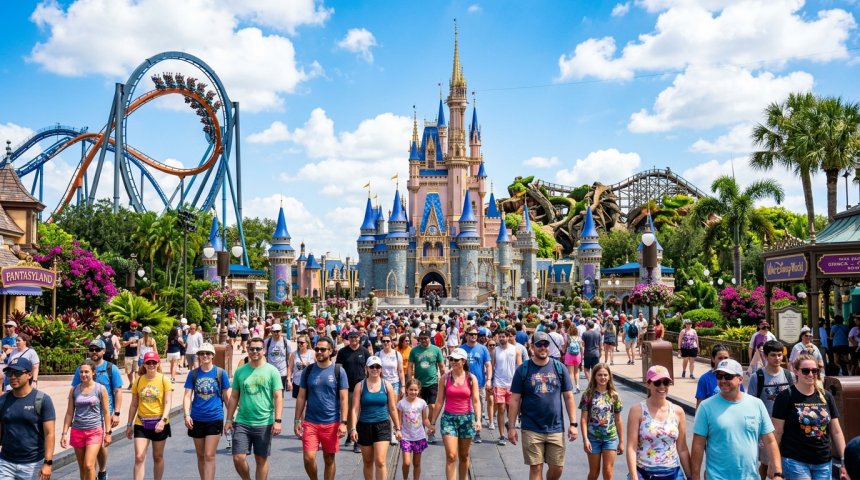
In 2026, Orlando, Florida, maintains its status as the most visited destination in the United States, welcoming over 75 million visitors annually. Beyond the iconic castle spires and high-speed roller coasters, this Central Florida metropolis has evolved into a sophisticated hub of culture, gastronomy, and natural beauty. Whether you are planning a family vacation, a business retreat, or a solo adventure, understanding the nuances of Orlando is essential for navigating one of the most dynamic travel markets on the planet.
The Evolution of Orlando
What was once a quiet agricultural region defined by citrus groves has transformed into a sprawling global tourism giant. The turning point occurred in the mid-20th century when large-scale entertainment developers recognized the potential of the area's flat terrain and favorable climate. Today, Orlando is a tapestry of master-planned communities, world-class theme parks, and expanding urban districts that cater to a diverse demographic.
The city is no longer just a place to visit for a week of thrills; it is a burgeoning residential and professional destination. With the expansion of the Orlando International Airport and the integration of high-speed rail, the accessibility of the city has reached new heights in 2026. Experts often note that Orlando's growth is a masterclass in urban planning, balancing the needs of a local population with the infrastructure required to support millions of transient guests.
Navigating the Theme Park Landscape
The core of Orlando's identity remains its theme parks. Walt Disney World Resort and Universal Orlando Resort are the primary anchors of the local economy. Each resort offers unique experiences, from the immersive storytelling of Star Wars: Galaxy's Edge at Disney’s Hollywood Studios to the cinematic thrills found in Universal's Islands of Adventure.
When visiting these parks in 2026, the strategy has shifted from simple ticket purchasing to comprehensive digital planning. Guests utilize sophisticated mobile applications to manage queue times, dining reservations, and park-to-park transportation. Seasoned travelers emphasize the importance of the "off-peak" mentality. Visiting during the shoulder seasons—typically late January, early February, and late August—can drastically reduce wait times and improve the overall guest experience.
Beyond the Parks: The Cultural Heart of Central Florida
While the parks grab the headlines, the local culture of Orlando is hidden in its neighborhoods. Districts like Winter Park, Thornton Park, and the Milk District offer a glimpse into the authentic life of Floridians. Winter Park, in particular, is celebrated for its brick-lined streets, boutique shopping, and the historic Rollins College campus. A boat tour through the Winter Park Chain of Lakes provides a serene contrast to the high-octane energy of the nearby theme parks.
The arts scene in Orlando has also seen a significant resurgence. The Dr. Phillips Center for the Performing Arts serves as the crown jewel of the downtown area, hosting Broadway-caliber shows, concerts, and community events. For those interested in visual arts, the Orlando Museum of Art offers rotating exhibitions that highlight both regional talent and international masterpieces.
Gastronomy: A Culinary Melting Pot
Orlando's culinary scene is one of the most underrated aspects of the city. Because the region attracts talent from around the globe, the restaurant offerings are remarkably diverse. You can find authentic Vietnamese cuisine in the Mills 50 district, high-end steakhouses in the tourist corridors, and innovative farm-to-table dining experiences throughout the city’s residential outskirts.
In 2026, the focus has shifted toward sustainability and local sourcing. Many of Orlando’s top chefs are collaborating with Florida farmers to bring fresh ingredients to the table, challenging the stereotype that theme park destinations only offer fast food. Food festivals, such as those hosted at Epcot or local downtown food truck gatherings, allow visitors to sample a wide array of flavors in a single outing.
The Natural Beauty of Central Florida
Travelers often overlook the fact that Orlando is situated in a landscape defined by wetlands, springs, and lush greenery. For those looking to escape the concrete and glass of the resorts, natural Florida is only a short drive away. Wekiwa Springs State Park is a local favorite, offering crystal-clear, 72-degree water that is perfect for swimming, kayaking, and canoeing. The park serves as a reminder of what the landscape looked like before the rise of tourism infrastructure.
Wildlife enthusiasts should also explore the Tibet-Butler Preserve. This area provides a quiet sanctuary for indigenous flora and fauna, including gopher tortoises and various species of wading birds. The proximity of these natural wonders to the bustling city center is one of Orlando’s most unique characteristics, providing a necessary breath of fresh air for busy travelers.
Strategic Planning for Your 2026 Visit
A successful trip to Orlando requires a balance of structure and spontaneity. Because the city is vast and traffic can be significant, choosing a "home base" is the first step. If your priority is theme park access, staying on-property at a resort hotel is highly recommended. Not only does this provide early entry benefits, but it also simplifies transportation.
However, if you are interested in exploring the city’s diverse neighborhoods, a rental car or a ride-share strategy is essential. Downtown Orlando and the surrounding areas are not as walkable as other major cities, so planning your logistics before you arrive will save you hours of frustration. Additionally, always check the local weather forecast; while 2026 has seen mild patterns, Florida’s summer afternoons are prone to sudden, heavy rain showers, which often clear up just as quickly as they arrive.
The Future of Orlando Tourism
As we look further into the future, Orlando is positioning itself as a leader in "smart city" technology. Infrastructure upgrades, such as the implementation of advanced traffic management systems and the integration of AI in tourism services, are designed to make the guest experience smoother and more efficient. The focus is moving toward hyper-personalization, where visitors receive recommendations based on their specific interests, whether that be extreme sports, luxury shopping, or historical exploration.
Moreover, the city is doubling down on its commitment to environmental conservation. New regulations regarding water usage and waste management in the tourism sector are being implemented to ensure that the beauty of Central Florida is preserved for generations to come. This forward-thinking approach ensures that Orlando remains a world-class destination that evolves alongside the needs of its visitors.
What is the best time of year to visit Orlando?
The best time to visit depends on your tolerance for crowds and heat. Many experts suggest visiting in late January or early February when school is in session and the weather is pleasantly cool. If you prefer warmer temperatures for swimming, late spring or early autumn are ideal. While summer offers the most activity, it also comes with high humidity and peak crowds, so plan accordingly if you choose to travel during the warmer months.
Are theme parks the only thing to do in Orlando?
Absolutely not. While the theme parks are the primary draw, Orlando offers a wealth of activities including world-class museums, performing arts centers, outdoor state parks, and a thriving local food scene. You can spend your morning kayaking in a natural spring, your afternoon exploring an art gallery, and your evening enjoying a farm-to-table meal in one of the city's historic neighborhoods.
How do I get around Orlando efficiently?
The most efficient way to get around Orlando depends on your itinerary. If you are staying within a single theme park resort, utilize the provided shuttles and monorails. If you plan to explore the city, a rental car is usually the most flexible option. Ride-sharing services are also widely available and effective for shorter trips between hotels and downtown areas.
Is Orlando a budget-friendly destination?
Orlando can be as budget-friendly or as luxury-focused as you make it. While theme park tickets and on-site dining can be expensive, the city offers many free or low-cost activities, such as exploring state parks, visiting public art installations, and enjoying the vibrant atmosphere of local districts like Winter Park. Planning ahead and looking for bundle deals on tickets and accommodation can help keep costs under control.
What should I pack for a trip to Orlando?
Comfort is key in Orlando. Regardless of the season, bring high-quality walking shoes, as you will likely cover significant distances. Pack lightweight, breathable clothing for the daytime and a light jacket for indoor air-conditioned spaces or cooler winter evenings. A reliable rain poncho or a compact umbrella is a must-have, as short afternoon rain showers are a common occurrence in Florida.
How far in advance should I book my trip?
For the best selection of accommodations and to secure dining reservations, it is recommended to book your trip at least four to six months in advance. If you are planning to visit during major holidays or spring break, booking even earlier is advisable. Early planning allows you to take advantage of package deals and ensures that you have a clear roadmap for your travel dates.
Conclusion: A City of Endless Possibilities
Orlando, Florida, stands as a testament to the power of imagination and infrastructure. In 2026, the city continues to redefine what a vacation destination can be, blending the high-energy excitement of global theme parks with the quiet charm of local culture and the pristine beauty of Florida's natural landscapes. By moving beyond the traditional tourist path and embracing the diverse experiences the city has to offer, travelers can create a truly unique itinerary.
Whether you are a thrill-seeker, a culture enthusiast, or a family looking for a memorable getaway, Orlando provides the perfect backdrop. The key to enjoying this vibrant metropolis is preparation, an open mind, and a willingness to explore the hidden gems that lie just outside the gates of the major attractions. As the city continues to innovate and grow, it remains a place where the magic of discovery is always within reach, ensuring that every visitor leaves with stories that will last a lifetime. Orlando is not just a destination; it is an experience that changes with every visit, inviting you back to see what has evolved, what has been created, and what remains timeless in the heart of the Sunshine State.
The Evolution of the "Vacation Capital"
To understand the current state of Orlando in 2026, one must appreciate the sheer velocity of its evolution. Only a few decades ago, the region was primarily defined by orange groves and cattle ranches, with a sudden, transformative injection of tourism infrastructure that placed it on the global map. Today, that transition is complete, and the city has entered a phase of "mature growth." This phase is characterized by a shift from quantity to quality; developers and city planners are no longer just building new attractions, but are refining the existing urban fabric to be more sustainable, accessible, and culturally rich.The integration of advanced transit systems, such as the expansion of high-speed rail connections, has significantly altered how visitors interact with the region. By linking Orlando to other major Florida hubs, the city has become a central node in a larger, more interconnected travel network. This infrastructure shift allows visitors to split their time between the Atlantic coast, the Gulf beaches, and the inland magic of Orlando with unprecedented ease. For the modern traveler, this means that an Orlando vacation is no longer a self-contained bubble; it is a gateway to the entire Sunshine State.
Sports and Entertainment Beyond the Theme Parks
While the theme parks often dominate the conversation, Orlando has quietly cemented its reputation as a premier sports and entertainment destination. The city is home to the Amway Center, a state-of-the-art arena that hosts the Orlando Magic, as well as high-profile concerts and sporting events. The addition of the Orlando City Stadium has also energized the local soccer culture, with "The Wall"—the world’s largest standing-only supporter section—providing an electric atmosphere that rivals European stadiums.Beyond professional leagues, Orlando has become a hub for international sports training and tournaments. The proximity to world-class facilities means that throughout the year, the city plays host to youth championships, professional golf tournaments, and training camps for athletes across various disciplines. For the visitor, this means that the sports calendar is always packed. Whether you are a fan of basketball, soccer, tennis, or golf, the city’s commitment to sports infrastructure ensures that there is always a high-stakes event to attend.
The Academic and Innovation Corridor
A lesser-known, yet vital, aspect of Orlando’s identity is its emergence as a tech and academic hub. The University of Central Florida (UCF), one of the largest universities in the nation, has fostered a thriving ecosystem of innovation, particularly in the fields of simulation, modeling, and digital media. This academic strength has bled into the tourism industry, manifesting in the sophisticated, tech-driven experiences found in the parks today.This innovation corridor is not just for students; it is an economic engine that attracts talent from around the world, contributing to the city's cosmopolitan demographic. The "Medical City" at Lake Nona is another prime example of this growth. What was once empty land is now a sprawling cluster of research institutions, hospitals, and biotech firms. This development has brought a new demographic to the area—professionals, researchers, and entrepreneurs—which in turn has spurred the development of high-end residential areas, gourmet dining, and sophisticated retail centers. For the traveler, this means that parts of Orlando now feel like a sleek, modern metropolis, offering a stark and refreshing contrast to the more traditional tourist zones.
Shopping: From Souvenirs to High Fashion
Shopping in Orlando is a multi-faceted experience that caters to every budget and taste. The city’s retail landscape is anchored by massive outlet malls, such as the Orlando International Premium Outlets and the Orlando Vineland Premium Outlets, which draw bargain hunters from across the globe. These centers are essentially destinations in their own right, requiring hours of exploration.However, for those seeking a more refined shopping experience, the city offers high-end districts like The Mall at Millenia, which features luxury boutiques and international brands. For a more local, boutique feel, the streets of Winter Park’s Park Avenue are unparalleled. Here, you can find independent bookstores, artisanal jewelry shops, and local fashion houses that reflect the unique aesthetic of Central Florida. This blend of massive, convenience-driven retail and curated, local shopping creates a balanced experience for the visitor who enjoys both the thrill of a bargain and the charm of a boutique find.
The Rise of Wellness Tourism
In recent years, Orlando has seen a significant shift toward wellness and rejuvenation. Recognizing that a week of theme park hopping can be physically exhausting, many of the region’s resorts have expanded their spa and wellness offerings to world-class standards. From hydrotherapy pools and salt caves to mindfulness retreats and yoga sessions held in botanical gardens, the focus is now on recovery.This trend extends to the city's dining scene, which now features an abundance of plant-based, organic, and health-conscious options. It is no longer difficult to find a nutrient-dense, locally sourced meal in the heart of the tourist district. This shift reflects a broader change in the modern traveler’s mindset, which prioritizes balance and well-being even while on vacation. By offering these restorative experiences, Orlando is successfully repositioning itself as a place where one can recharge as effectively as one can explore.
Nightlife and Entertainment Districts
When the sun sets on the theme parks, the city’s nightlife begins to hum. Downtown Orlando is the primary hub for this after-hours energy. Areas like Church Street and Wall Street Plaza are lined with bars, clubs, and live music venues that cater to a diverse crowd. The vibe here is distinctly urban and local, a far cry from the choreographed spectacles of the parks.For those who prefer a more relaxed evening, the Disney Springs and Universal CityWalk areas offer a "best of both worlds" experience. These complexes provide high-quality dining, live entertainment, and late-night shopping in a pedestrian-friendly environment. Whether you are looking for a high-energy dance floor, a sophisticated jazz lounge, or a family-friendly bowling alley, the nightlife options in Orlando are vast and varied. The key is to venture beyond your hotel room; the city’s nightlife is most rewarding when you are willing to explore different pockets of the metropolitan area.
The Logistics of Group Travel
Orlando is, by design, one of the best places in the world for group and multi-generational travel. The infrastructure—from large-scale suite hotels and vacation rental homes to theme park group packages—is built to accommodate families and groups of friends. However, coordinating a large group requires a different set of strategies.Communication is paramount. In 2026, the use of shared digital itineraries and group-focused apps has become the standard. These tools allow groups to split up for the day—with some members heading to the water parks while others explore the local museums—and then easily reconvene for dinner. When booking, look for properties that offer common living areas and kitchens, as these spaces are invaluable for groups looking to spend quality time together outside of the park gates. The goal is to maximize the shared experience while maintaining the flexibility for individual interests.
Embracing the "Slow Travel" Philosophy
If you have the luxury of time, consider adopting a "slow travel" approach to your Orlando visit. Instead of trying to hit every major attraction in a frantic four-day sprint, consider a longer, two-week stay. This allows you to integrate more deeply into the rhythm of the city. You might spend a few days at the parks, but then dedicate an entire week to exploring the surrounding counties.Visit the historic towns of Mount Dora or Clermont, take a drive through the rural landscapes of Lake County, or spend a day volunteering with local environmental initiatives. This approach not only provides a more meaningful and relaxed vacation, but it also helps to distribute the economic impact of tourism more broadly across the region, supporting small businesses that are often overlooked by the average visitor. By slowing down, you gain a perspective on Orlando that most tourists never see: a vibrant, growing community with a deep connection to its history and its natural environment.
The Importance of Local Events
Before finalizing your travel dates, check the local event calendar. Orlando is a city that loves a festival. Throughout the year, you can find events ranging from international film festivals and food and wine showcases to major sporting events and cultural celebrations. Attending a local event can be the highlight of a trip, offering a chance to mingle with residents and experience the city’s culture in a way that the theme parks cannot provide.From the annual Florida Film Festival in Maitland to the various seasonal celebrations in downtown Orlando, these events provide a unique window into the city’s soul. They are often held in public spaces, parks, or community centers, allowing for a more authentic and intimate experience. Planning your trip around one of these events can add a layer of depth to your itinerary, ensuring that your time in Orlando is as culturally rich as it is fun.
Sustainability: A Growing Priority
As a city built on the back of tourism, Orlando is acutely aware of the environmental impact of its industry. In 2026, there is a palpable shift toward greener practices across the board. Major theme park operators have invested heavily in solar energy, water conservation, and waste-reduction programs. Many hotels have also adopted LEED-certified building practices and eliminated single-use plastics.Visitors can contribute to these efforts by making conscious choices. Opt for public transit or ride-sharing when possible, support businesses that prioritize local sourcing, and be mindful of your water and energy usage while staying in hotels. This collective effort is essential for protecting the delicate Florida ecosystem, including the wetlands and springs that make the region so unique. By being a responsible traveler, you help ensure that Orlando remains a beautiful and viable destination for generations to come.
The Human Element: The People of Orlando
Ultimately, what makes Orlando a world-class destination is its people. The city’s workforce is a diverse tapestry of individuals from all over the world, many of whom have settled here to provide the hospitality and service that the city is famous for. Their passion, creativity, and dedication are the real magic behind the scenes.When you engage with the people you meet—from the hotel staff and park employees to the local shop owners and tour guides—you get a sense of the pride they have in their city. Many are eager to share their favorite local spots or offer tips on how to navigate the area. Taking the time to connect with the people who make Orlando run adds a personal touch to your trip that you won’t find in any brochure. It turns a standard vacation into a human experience, reminding us that behind every attraction and every building is a community of people working to make your visit memorable.
Final Reflections on the "City Beautiful"
As we conclude this exploration, it is clear that Orlando is far more than a collection of theme parks. It is a complex, evolving, and vibrant city that offers something for everyone, provided they are willing to look beyond the surface. It is a place where the boundaries between the real and the imagined blur, but it is also a place with a very real, very grounded heart.In 2026, Orlando stands at a crossroads of innovation and tradition. It is successfully navigating the challenges of rapid growth while striving to preserve the natural beauty and community spirit that make it unique. For the traveler, this means that the opportunities are endless. Whether you are coming for the thrill of a roller coaster, the quiet of a spring, the sophistication of a downtown arts center, or the diversity of the local culinary scene, you will find that Orlando rewards the curious.
So, pack your bags with an open mind and a sense of adventure. Prepare for the heat, embrace the rain, and be ready to be surprised. Orlando is a city that never stops creating, and with every visit, you are invited to be a part of its ongoing story. Whether you are a first-time visitor or a seasoned veteran returning to see what’s new, remember that the true magic of Orlando is not just in the attractions you see, but in the experiences you create and the memories you take home. Welcome to the City Beautiful—a place where the possibilities are as vast as the imagination itself.
A Note on Safety and Preparedness
While Orlando is a safe and welcoming destination, it is always wise to practice standard travel safety. Stay aware of your surroundings, especially in high-traffic tourist areas, and keep your belongings secure. When utilizing ride-share services, always verify the driver's information and vehicle details through the app.For those traveling with children, the parks provide extensive resources, including "lost child" protocols and designated rest areas. Familiarize yourself with these resources upon entering any large venue. Additionally, keep a digital copy of your important documents, such as passports and insurance information, in a secure, cloud-based storage system. Being prepared allows you to focus on the fun, knowing that you have taken the necessary steps to ensure a smooth and worry-free experience.
The Accessibility of Orlando
Accessibility is a major focus for Orlando’s tourism sector. The city has made significant strides in ensuring that its attractions, transportation, and public spaces are accessible to visitors with disabilities. Most major theme parks offer comprehensive services, including specialized queue management, sensory-friendly areas, and accessible viewing locations for parades and shows.If you or a member of your party has specific accessibility needs, it is recommended to reach out to the guest services department of your hotel or the theme parks well in advance of your arrival. They are generally very accommodating and can provide detailed information on how to best navigate the facilities. By prioritizing accessibility, Orlando ensures that the magic of the city is available to everyone, regardless of their physical or sensory needs. This commitment to inclusivity is one of the pillars of the city's success as a global destination.
The Enduring Appeal of the Sunshine State
Orlando’s location in the heart of Florida provides a distinct advantage: the climate and the geography. Even on the busiest days, the proximity to the natural environment offers a necessary reprieve. The ability to spend a morning in a high-tech theme park and an afternoon in a tranquil, untouched swamp is a duality that few other cities can offer.This connection to the land is a vital part of the Florida experience. It serves as a reminder of the state’s history and its future. As you travel through the region, take note of the flora and fauna—the towering palm trees, the blooming azaleas, and the occasional sighting of local wildlife. These elements are not just decoration; they are the foundation of the environment that allows Orlando to thrive. Respecting and appreciating this environment is part of being a good visitor, and it adds a layer of appreciation for the city that goes beyond the man-made wonders.
Final Advice: Stay Flexible
If there is one piece of advice that holds true for every Orlando traveler, it is this: stay flexible. Despite the best-laid plans, things will change. A ride might close, a storm might roll in, or you might find a hidden gem that you want to spend more time exploring. Don't let a rigid itinerary ruin your experience.The best moments in travel are often the ones you didn't plan for. Embrace the spontaneity. If you find yourself enjoying a quiet lunch in a local café more than the next scheduled activity, give yourself permission to stay. The parks and the city will be there tomorrow. The beauty of a vacation is the freedom to choose your own path, and in a city as diverse and exciting as Orlando, there is no "wrong" way to spend your time. Enjoy the journey, savor the moments, and let the magic of the city reveal itself to you in its own time.
Share
What's Your Reaction?
 Like
0
Like
0
 Dislike
0
Dislike
0
 Love
0
Love
0
 Funny
0
Funny
0
 Angry
0
Angry
0
 Sad
0
Sad
0
 Wow
0
Wow
0