The Ultimate Guide to Sedona, Arizona: 2026 Red Rock Escape
The ultimate guide to Sedona, Arizona in 2026. Discover red rock trails, spiritual energy vortices, and the best experiences in this stunning desert oasis.

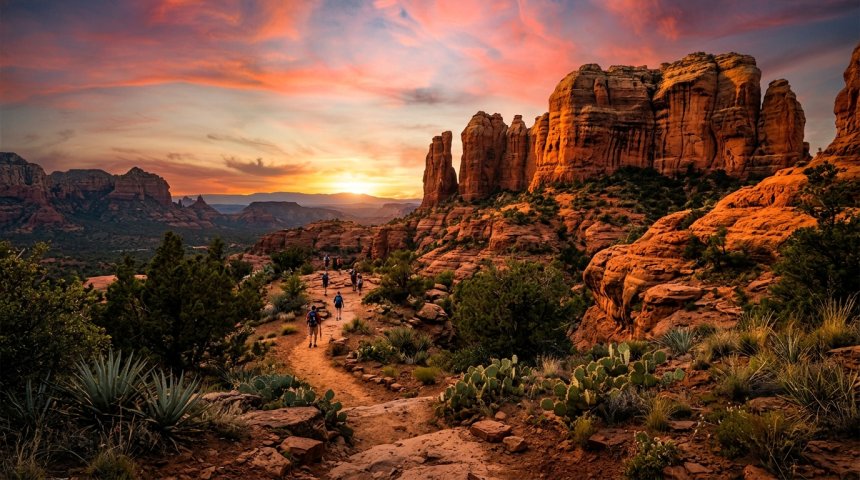
Sedona, Arizona, is often described as a place where the earth meets the sky in a spectacular display of geological artistry. Every year, more than three million visitors flock to this high-desert sanctuary, drawn by the magnetic allure of its towering sandstone formations and a reputation for spiritual rejuvenation. According to data from the Arizona Office of Tourism, Sedona consistently ranks as one of the top destinations in the United States for travelers seeking a blend of outdoor adventure and holistic wellness. Whether you are an adrenaline junkie looking to conquer technical mountain bike trails or a soul-searcher hoping to tap into the famous energy vortices, Sedona offers an experience that is as diverse as its landscape.
Understanding the Geology of the Red Rocks
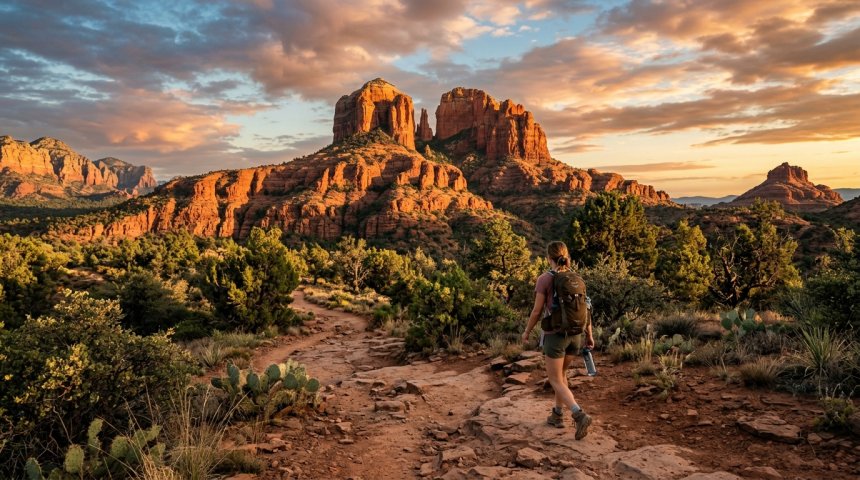
The iconic red hues that define the Sedona skyline are not merely the result of aesthetic chance; they are the product of millions of years of geological evolution. The primary rock layer responsible for this vibrant appearance is the Schnebly Hill Formation. This thick, reddish-orange sandstone is rich in iron oxide, which acts as a natural pigment when exposed to the elements.
When you stand at the base of formations like Cathedral Rock or Bell Rock, you are looking at layers of history that date back to the Permian Period. Geologists often note that the erosion patterns in Sedona are unique due to the way the softer layers of siltstone and mudstone crumble beneath the harder sandstone caps. This process creates the dramatic spires, buttes, and mesas that make the region a photographer’s paradise. As noted by experts at the United States Geological Survey, the stability of these formations is constantly challenged by weather, making the landscape a dynamic and ever-changing monument to time.
Beyond the color, the sheer scale of these formations commands respect. Standing in the shadows of these giants, it is easy to see why indigenous populations, including the Yavapai and Apache tribes, held this land in such high regard. The topography is not just scenery; it is a living history book that tells the story of ancient oceans and shifting deserts.
The Myth and Mystery of Sedona Vortices
Perhaps the most talked-about aspect of Sedona is the concept of the vortex. A vortex is defined as a place where the earth is believed to be exceptionally alive with energy. Proponents of this theory suggest that these sites facilitate prayer, meditation, and healing. While there is no scientific measurement for these energy centers, the psychological and emotional impact on visitors is undeniable.
There are four primary vortex sites in Sedona: Airport Mesa, Cathedral Rock, Boynton Canyon, and Bell Rock. Each is said to have a different type of energy. For instance, Boynton Canyon is often described as a place of balance, where the masculine and feminine energies of the earth meet. Airport Mesa is frequently cited for its invigorating, upward-flowing energy, making it a popular spot for sunrise and sunset meditation.
Regardless of your personal belief system, the silence and majesty of these locations provide a profound sense of peace. Many visitors report feeling a sense of clarity or a "reset" after spending time at these sites. When planning your visit, it is helpful to approach these areas with an open mind, focusing on the natural beauty and the quiet introspection they naturally cultivate.
Outdoor Adventures for Every Skill Level
Sedona is widely considered a world-class destination for outdoor recreation. With over 400 miles of hiking and biking trails, the sheer variety of terrain is staggering. Whether you are a casual walker or a seasoned mountaineer, there is a path tailored to your abilities.
For those seeking a moderate challenge, the West Fork Trail in Oak Creek Canyon is an absolute must. This trail takes you through a lush riparian environment, offering a stark contrast to the arid red rocks above. The trail crosses the creek multiple times, providing shade and the soothing sound of running water, which is a rare treat in the Arizona desert.
If you are looking for a more strenuous outing, consider the hike to the summit of Bear Mountain. This is not a trail for the faint of heart, as it involves significant elevation gain and rocky terrain. However, the panoramic views from the top provide a bird’s-eye perspective of the entire Sedona valley, stretching all the way to the San Francisco Peaks near Flagstaff.
Mountain biking has also exploded in popularity in the region. The International Mountain Bicycling Association has recognized Sedona as a "Ride Center" destination, citing the high density of trails and the quality of the technical terrain. From the flowy, beginner-friendly paths at the Bell Rock Pathway to the challenging, gravity-defying drops of the Hangover Trail, the mountain biking scene here is truly legendary.
The Thriving Arts and Culture Scene
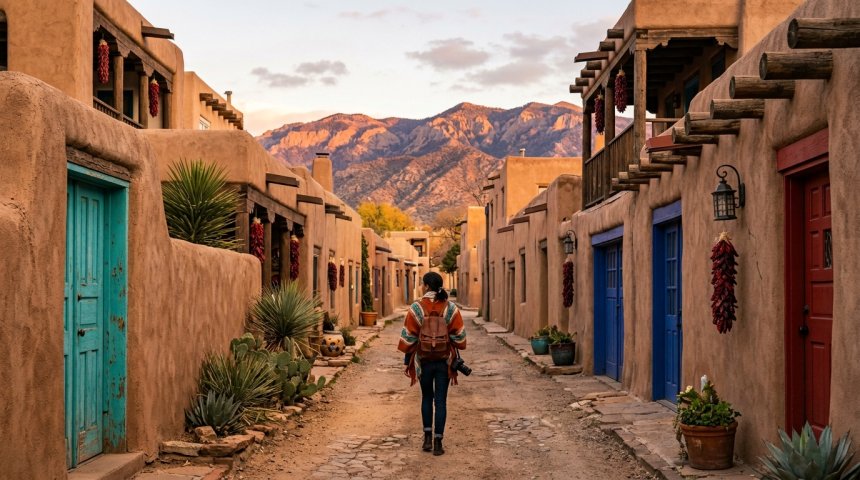
While nature is the primary draw, Sedona’s human-made culture is just as vibrant. The city has long been a haven for artists, writers, and musicians who find inspiration in the changing light and dramatic vistas. Tlaquepaque Arts and Shopping Village is the heart of this cultural district. Designed to resemble a traditional Mexican village, this complex features cobblestone paths, sycamore trees, and an array of galleries featuring local jewelry, pottery, and fine art.
The local arts scene is heavily influenced by the heritage of the Southwest. You will find a blend of traditional Native American crafts and contemporary fine art. Many galleries host artist demonstrations, allowing visitors to see the creative process in action. This cultural richness extends to the culinary scene as well. Sedona’s restaurants pride themselves on using locally sourced ingredients, often incorporating Southwestern flavors like green chilies, agave, and prickly pear into modern, innovative dishes.
Wellness and Spiritual Tourism
In 2026, the global wellness movement has reached new heights, and Sedona remains at the forefront of this trend. Beyond the vortexes, the city is home to a high concentration of spas, yoga retreats, and meditation centers. Many of these establishments focus on holistic health, offering services like sound healing, reiki, and guided forest bathing.
The philosophy behind Sedona’s wellness industry is simple: the environment itself is a tool for healing. By disconnecting from the digital world and reconnecting with the rhythmic silence of the high desert, visitors are encouraged to prioritize their mental and physical well-being. It is common to find retreats that combine hiking with mindfulness practices, creating a holistic experience that addresses both the body and the mind.
Navigating the Seasons in Sedona
Understanding the climate is crucial for a successful trip to Sedona. Because the city sits at an elevation of approximately 4,350 feet, it experiences four distinct seasons, each with its own charm.
Spring (March through May) is arguably the most popular time to visit. The temperatures are mild, and the desert wildflowers are in full bloom. However, this is also the peak tourist season, so expect crowds at popular trailheads and restaurants. If you plan to visit during this time, booking your accommodations well in advance is essential.
Summer (June through August) can be quite hot, with daytime temperatures frequently exceeding 95 degrees Fahrenheit. While the heat can be intense, it is a dry heat, which many find more tolerable than humid climates. Early morning and late evening are the best times for outdoor activities during these months. Monsoon season usually begins in July, bringing dramatic afternoon thunderstorms that can cool the air and turn the desert landscape into a vibrant, lush green.
Autumn (September through November) offers perhaps the best weather of the year. The scorching heat of summer fades, replaced by crisp, cool evenings and sunny days. The changing colors of the cottonwood trees along Oak Creek provide a stunning contrast to the red rocks.
Winter (December through February) is a hidden gem for budget-conscious travelers. While it can get cold and occasional light snow dusts the red rocks, the sight of snow-capped peaks against a backdrop of deep red is truly magical. It is also the quietest time of year, making it perfect for those seeking solitude and a slower pace.
Sustainable Tourism and Environmental Stewardship
As a premier destination, Sedona faces the challenge of balancing high visitor numbers with the need to protect its fragile ecosystem. The "Sedona Sustainable Tourism Plan" is a cornerstone of the city’s approach to management. Visitors are encouraged to practice "Leave No Trace" principles, which include packing out all trash, staying on marked trails to protect native vegetation, and respecting wildlife.
The city has also implemented shuttle systems for some of the busiest trailheads to reduce traffic congestion and minimize the environmental impact of vehicles. Using these public transport options is a great way to support the local effort to keep Sedona beautiful for future generations. When you visit, remember that you are a guest in a delicate environment; your choices directly influence the health of the landscape.
Planning Your Logistics
When traveling to Sedona, the most common gateway is Phoenix Sky Harbor International Airport, located about two hours south. From there, you can rent a car or take a shuttle service to Sedona. Once you arrive, having a car is highly recommended if you plan to explore beyond the main town center, as many of the best trailheads and scenic vistas are spread out.
Accommodations in Sedona range from luxury resorts and boutique hotels to cozy bed-and-breakfasts and campgrounds. If you are looking for a splurge, the resorts nestled in the canyons offer unparalleled views and world-class amenities. For a more immersive experience, camping in the Coconino National Forest allows you to wake up right in the heart of the red rock country.
Dining options are plentiful, but it is wise to make reservations for dinner, especially on weekends and during the high season. Many restaurants offer outdoor patios, which are highly recommended for taking advantage of the stunning views and pleasant evening air.
The Legacy of Sedona: A Personal Journey
Ultimately, Sedona is more than just a destination; it is a feeling. It is the silence that hangs in the air when you reach a high vantage point, the warmth of the sun on the red sandstone, and the sense of possibility that seems to permeate the landscape. Whether you come for the hiking, the art, the wellness, or simply to escape the grind of daily life, Sedona offers a space to breathe and reflect.
It is a place that demands your attention but rewards you with a perspective that is hard to find anywhere else. As you walk through the canyons and gaze up at the towering cliffs, you are reminded of your place in the vast, ancient history of the earth. It is a humbling and empowering experience that stays with you long after you have returned home.
Frequently Asked Questions
What is the best time of year to visit Sedona?
The best time to visit Sedona is generally during the spring (March to May) and the fall (September to November). During these months, the weather is mild and pleasant, making it ideal for hiking, mountain biking, and exploring the outdoors. While summer is beautiful, it can be very hot, and winter, while peaceful, can bring cooler temperatures and occasional snow.
Do I need a permit to hike in Sedona?
Many of the most popular trailheads in Sedona require a Red Rock Pass. This is a recreation fee area, and the funds from the pass are used to maintain the trails, parking lots, and facilities. You can purchase a daily or weekly pass at various kiosks throughout the city, at the visitor center, or online. Some areas, such as those within the Coconino National Forest, might have specific requirements, so it is always a good idea to check the latest signage at the trailhead.
What is a vortex and are they real?
A vortex is a site that is believed to be a center of concentrated energy rising from the earth. In Sedona, these are considered places of spiritual reflection and healing. While there is no scientific measurement for these energy fields, many visitors report feeling a sense of peace, clarity, or rejuvenation after visiting sites like Bell Rock or Boynton Canyon. Whether you view them as metaphysical phenomena or simply as beautiful, tranquil places to meditate, they are a significant part of the Sedona experience.
Is Sedona family-friendly?
Yes, Sedona is an excellent destination for families. There are many easy, flat trails that are suitable for children, such as the Bell Rock Pathway or the West Fork Trail. Many resorts offer family-oriented amenities, and the town itself has plenty of shops, restaurants, and parks that cater to visitors of all ages. Educational opportunities abound, with local guides offering tours that explain the geology and history of the area in a way that is engaging for younger travelers.
How many days should I spend in Sedona?
While you can see the highlights of Sedona in a weekend, a trip of four to five days allows you to fully immerse yourself in the area. This timeframe gives you enough time to hike a few major trails, visit the arts district, take a jeep tour, and perhaps enjoy a wellness treatment or a day of quiet meditation. Because there is so much to see and do, many visitors find that a longer stay allows for a more relaxed and fulfilling experience.
Are there guided tours available in Sedona?
Yes, Sedona offers a wide variety of guided tours. You can book jeep tours that take you off-road into the rugged backcountry, guided hiking tours that provide insight into the local flora and fauna, and even spiritual tours focused on vortex exploration. There are also helicopter and hot air balloon tours if you want to see the red rocks from a completely different perspective. Booking these in advance is recommended, especially during the busy spring and fall seasons.
Conclusion
Sedona, Arizona, stands as a testament to the enduring beauty of the American Southwest. Its unique combination of geological wonder, cultural depth, and opportunities for personal renewal makes it a destination that caters to a wide spectrum of interests. By approaching the region with respect for its environment and a spirit of curiosity, visitors can unlock the secrets of the red rocks and carry the peace of the desert with them long after they leave. As we look toward the experiences of 2026, Sedona remains a vital sanctuary for those seeking to reconnect with the natural world and find balance in an increasingly fast-paced life. Whether you are climbing the highest peak or sitting quietly in a gallery, Sedona invites you to slow down, look up, and be inspired by the timeless majesty of the desert.
The Hidden Side of Sedona: Lesser-Known Gems
While the iconic landmarks like Cathedral Rock and the Chapel of the Holy Cross often dominate social media feeds and travel brochures, the true essence of Sedona is often found in the quiet corners that remain tucked away from the main tourist hubs. For those willing to venture off the beaten path, the region reveals a more intimate side of the high desert.
Consider exploring the Red Rock-Secret Mountain Wilderness, which offers a starkly different experience from the crowded trails surrounding the city center. Here, the landscape feels wilder and more untamed. The hike to Devil’s Bridge is famous for a reason, but if you seek solitude, trails like the A.B. Young Trail—an arduous, switchback-heavy ascent—reward hikers with panoramic views of the canyon floor that few others will see in a single day.
Furthermore, the local stargazing scene is a quiet revolution. Sedona is an International Dark Sky Community, meaning light pollution is strictly regulated to preserve the clarity of the night sky. While many visitors enjoy the sunset and return to their hotels, the real magic happens at midnight. Driving just a few miles outside of the city limits to spots like Dry Creek Road or the Mescal Trailhead parking area allows you to witness the Milky Way in such vivid detail that it feels as though you could reach out and touch the constellations. Bringing a blanket and a thermos of tea to sit under the vast, sparkling canopy is perhaps the most profound way to end a day in the high desert.
The Culinary Evolution: From Cowboy Grub to Farm-to-Table
The culinary scene in Sedona has undergone a remarkable transformation over the last decade. While you can still find classic Southwestern staples—think green chile enchiladas, hearty bison burgers, and prickly pear margaritas—the city has quietly emerged as a destination for refined, locally sourced dining.
Many of the top-tier restaurants in the area now partner with farms in the nearby Verde Valley, which has become a burgeoning hub for viticulture and organic agriculture. This "farm-to-table" ethos is evident in the menus of upscale bistros that highlight seasonal ingredients like heirloom tomatoes, desert-grown greens, and locally raised trout. Dining in Sedona is no longer just about fueling up after a hike; it has become an experience that reflects the terroir of the region.
The emergence of the Verde Valley Wine Trail has also shifted the local social scene. Just a short drive away, towns like Cornville and Page Springs are home to lush vineyards that thrive in the mineral-rich soil and ideal climate. Spending an afternoon sipping a glass of crisp Viognier or bold Syrah while overlooking the vineyards with a backdrop of distant red cliffs provides a sophisticated counterpoint to the rugged outdoor activities that define the day.
Understanding the Spiritual Heritage of the Yavapai-Apache
To truly understand Sedona, one must look beyond the New Age movement and acknowledge the deep, ancestral roots of the Indigenous peoples who have called this region home for centuries. The Yavapai and Apache nations are the original stewards of this land, and their history is etched into the very canyons that modern hikers traverse.
The Palatki and Honanki Heritage Sites are essential stops for anyone interested in the human history of the area. These sites contain remarkable examples of pictographs and petroglyphs, some dating back nearly a thousand years. These are not merely ancient doodles; they represent complex cultural, religious, and observational knowledge of the cosmos and the environment. Visiting these sites requires a shift in perspective—from a "tourist" to a "witness." By reading the interpretive signs and respecting the sacred nature of these locations, visitors can gain a more profound appreciation for the longevity of human presence in these canyons.
It is important to approach these sites with the understanding that they are not just "ruins," but living history. Many local organizations work closely with tribal members to ensure that the stories of the land are told accurately, honoring the traditions and the ongoing connection that the Yavapai-Apache people maintain with the Sedona region.
The Art of Slow Travel: A Philosophy for Sedona
In an era of "bucket list" travel where people often try to cram as much as possible into a short trip, Sedona is the perfect place to practice the art of "slow travel." This approach is about quality over quantity—spending three hours sitting on a rock watching the light change on the canyon walls rather than trying to hit five different trailheads in one day.
Slow travel in Sedona might look like this: waking up early to drink coffee on a balcony while the sun creeps down the red cliffs, spending the morning wandering through the Tlaquepaque Arts & Shopping Village without a specific destination in mind, and dedicating the afternoon to a single, meditative hike. It is about letting the environment dictate your pace rather than an itinerary.
This mindset shift is exactly what allows the "vortex" energy—whether one believes in the metaphysical or simply the psychological impact of silence—to take hold. When you stop rushing, you start noticing the details: the way the light catches the needles of a Juniper tree, the sound of the wind moving through the canyon, and the subtle, earthy scent of the desert floor after a light rain. This is where the true rejuvenation occurs.
Essential Gear for the Sedona Explorer
Preparation is key to an enjoyable experience in the high desert, and having the right gear can make the difference between a comfortable outing and a challenging one. Because the elevation is significant, the sun is much stronger than it is at sea level. Even in the winter, the UV index can be high, making sun protection non-negotiable. Wide-brimmed hats, polarized sunglasses, and high-SPF sunscreen should be in every daypack.
Footwear is another critical consideration. While some of the easier paths are flat, the majority of the terrain is rocky, uneven, and filled with loose gravel. A sturdy pair of hiking boots with good ankle support and aggressive tread is highly recommended. If you plan on doing significant mileage, wool-blend socks are essential to prevent blisters.
Hydration in the desert is a science. You should aim to drink significantly more water than you think you need. A hydration bladder that holds at least two liters is ideal for longer hikes. Additionally, carry a small pack of electrolytes; the dry heat can cause you to lose fluids and salts faster than you realize, and simple water intake is sometimes not enough to prevent fatigue.
Finally, consider the "Ten Essentials" of hiking, even for short trips: a map (and a compass or GPS), a headlamp with extra batteries, a small first-aid kit, a multi-tool, and a light windbreaker. Even if you plan to be back before dark, the weather in the mountains can change rapidly, and being prepared provides peace of mind that allows you to fully enjoy the adventure.
The Future of Sedona: Balancing Growth and Preservation
As Sedona continues to grow in popularity, the local government and community members are engaged in an ongoing, complex conversation about the future. The challenge is clear: how to keep the city accessible and welcoming without degrading the very landscapes that draw millions of people to its borders.
This tension is visible in the ongoing discussions about transportation, housing, and commercial development. New initiatives are constantly being tested, such as the "Sedona Shuttle" system, which aims to decrease the number of cars on narrow, winding roads, and the implementation of stricter zoning laws to protect the view corridors of the red rocks.
As a visitor, your role in this future is significant. By choosing to stay in established hotels rather than short-term rentals that displace locals, by hiring local guides who are invested in the community, and by strictly adhering to the "Leave No Trace" guidelines, you are actively participating in the preservation of this unique destination. Sedona is not just a place to consume; it is a community to support.
Final Reflections: Why We Keep Returning
People often ask why, after visiting Sedona once, they feel an inexplicable pull to return. It isn't just the photogenic cliffs or the high-end spas. It is the realization that in Sedona, the world feels larger, more ancient, and more grounded. There is an inherent humility that comes from standing in the presence of geology that has been shaped over millions of years.
Maybe it is the way the light hits the rocks at "golden hour," turning the landscape into a burning, ethereal orange that feels like a painting come to life. Maybe it is the quiet confidence of the desert, which doesn't ask to be noticed but demands to be respected. Whatever the reason, Sedona serves as a reset button for the soul. It strips away the noise, the urgency, and the clutter of modern life, leaving you with the fundamental elements: rock, sky, sun, and silence.
As you plan your journey, remember that the best experiences are often the ones you don't plan. Leave room in your schedule for the unexpected—an impromptu conversation with a local artist, a detour down a side road that looks interesting, or an extra hour spent watching the shadows lengthen across the valley floor. Sedona is a place that rewards those who are present, and if you arrive with an open heart and a curious spirit, it will surely leave a lasting mark on you. The red rocks are waiting, and they have a story to tell to anyone willing to listen.
Share
What's Your Reaction?
 Like
0
Like
0
 Dislike
0
Dislike
0
 Love
0
Love
0
 Funny
0
Funny
0
 Angry
0
Angry
0
 Sad
0
Sad
0
 Wow
0
Wow
0