Ultimate Liwa Desert Eco Camps 2026: Empty Quarter Adventure
Discover Liwa Desert Eco Camps on the edge of the Empty Quarter in 2026. Enjoy sustainable stays, cultural immersion, and unforgettable desert adventures.

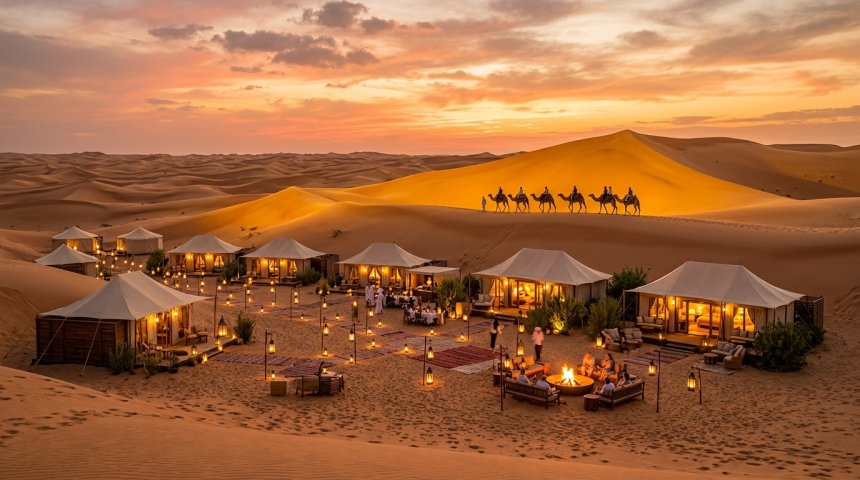
Did you know that the Rub' al Khali, or Empty Quarter, is the largest contiguous sand desert in the world, covering an area roughly the size of France? Nestled on its northern fringe, the Liwa region of the United Arab Emirates offers a gateway to this immense and awe-inspiring landscape. Here, amidst the towering dunes and ancient traditions, a new breed of tourism is emerging: eco camps. These aren't your typical glamping sites; they represent a profound commitment to sustainability, cultural immersion, and a deep respect for the delicate desert environment. This article explores the burgeoning world of Liwa Desert Eco Camps, focusing on their unique offerings, their role in preserving the Edge of the Empty Quarter, and what makes them an unforgettable travel experience in 2026.
The Allure of the Liwa Oasis
Before diving into the eco camps themselves, it's crucial to understand the magic of Liwa. Historically known as the "Cradle of the Emirates," Liwa is an ancient oasis town, a verdant ribbon of date palm plantations and traditional villages set against the stark beauty of the desert. For centuries, it was a vital stopover for caravan routes and a center for Bedouin life.
The landscape surrounding Liwa is dominated by the Empty Quarter. This vast expanse is characterized by colossal sand dunes, some reaching over 300 meters (nearly 1,000 feet) high, sculpted by relentless winds into mesmerizing shapes. The silence here is profound, broken only by the whisper of the breeze or the distant call of a desert creature. The sheer scale and raw beauty of this environment are humbling, offering a profound sense of escape from the modern world.
The traditional Liwa lifestyle, deeply intertwined with the desert's rhythms, is still palpable. Visitors can witness the resilience and ingenuity of people who have thrived in this challenging environment for millennia. The date palm, central to the region's history and economy, continues to be a symbol of life and sustenance in the arid landscape.
What Defines a Liwa Desert Eco Camp?
The term "eco camp" is often used loosely, but in Liwa, it signifies a genuine dedication to principles that go beyond mere comfort. These camps are designed to minimize their environmental footprint while maximizing the positive impact on the local community and culture.
Core Principles of Eco Camping in Liwa
-
Environmental Sustainability: This is the bedrock of any true eco camp. In Liwa, this translates to:
- Low-Impact Construction: Utilizing local, sustainable, or recycled materials for structures. Designs often blend seamlessly with the natural surroundings, using traditional architectural styles adapted for modern needs. Think natural fibers, rammed earth, or structures that can be easily dismantled and removed with minimal trace.
- Water Conservation: Water is a precious resource in the desert. Eco camps implement advanced water-saving technologies, including greywater recycling, rainwater harvesting (where feasible), and low-flow fixtures. They also educate guests on responsible water usage.
- Waste Management: Comprehensive recycling and composting programs are standard. Efforts are made to reduce single-use plastics and to source food and supplies locally to minimize transportation emissions.
- Renewable Energy: Solar power is almost universally adopted, harnessing the abundant desert sunshine to meet energy needs. This significantly reduces reliance on fossil fuels.
- Biodiversity Protection: Camps are situated and operated in ways that avoid disrupting local flora and fauna. This includes responsible waste disposal, minimizing light pollution that can disorient desert wildlife, and educating guests about the importance of preserving the ecosystem.
-
Cultural Immersion and Preservation: Eco camps in Liwa are not just about the desert; they are also about the people and their heritage.
- Authentic Experiences: Offering opportunities to engage with local culture, such as traditional Emirati meals prepared with local ingredients, storytelling sessions about Bedouin life, and workshops on traditional crafts.
- Community Engagement: Employing local staff, sourcing produce from nearby farms, and partnering with local artisans. This ensures that tourism benefits the people who call Liwa home.
- Respectful Interaction: Educating guests on local customs and etiquette, promoting understanding and mutual respect between visitors and the host community.
-
Education and Awareness: A key component of the eco camp philosophy is to educate visitors about the desert environment, its challenges, and its importance.
- Guided Excursions: Led by knowledgeable local guides who share insights into desert ecology, traditional survival techniques, and the cultural significance of the landscape.
- Interpretive Programs: Information about local wildlife, plant life, and the history of the region is often provided through signage, presentations, or interactive displays.
- Promoting Responsible Tourism: Encouraging guests to adopt sustainable practices during their stay and to become ambassadors for desert conservation.
The Unique Offerings of Liwa Eco Camps
What can you expect when you book a stay at one of these special accommodations? It's a blend of rustic charm and thoughtful luxury, all filtered through a lens of environmental consciousness.
Accommodation Styles
The accommodations themselves are a testament to sustainable design. You won't find sprawling concrete structures here. Instead, expect:
- Traditional Tents and Cabins: Often constructed from natural materials like camel hair wool or durable canvas, these structures offer a cozy and authentic experience. Modern amenities like comfortable bedding, private bathrooms (often with water-saving features), and solar-powered lighting are thoughtfully integrated. Some cabins might use local wood or rammed earth construction.
- Dune-Integrated Dwellings: Some innovative camps might feature structures partially built into the dunes, providing natural insulation and a unique aesthetic that minimizes visual impact.
- Minimalist Chic: The focus is on natural beauty and comfort, rather than opulence. Furniture is often handcrafted from sustainable sources, and the decor reflects the desert palette.
Activities and Experiences
The activities offered are designed to connect guests with the desert in a meaningful and respectful way.
-
Dune Exploration:
- Camel Trekking: A quintessential desert experience, offering a slow, rhythmic journey through the sands, allowing for deep contemplation and connection with the environment. Guides will share knowledge about camel care and traditional Bedouin travel.
- Dune Bashing (Eco-Conscious): While some might associate this with noisy, high-impact off-roading, eco-friendly camps often offer guided 4x4 tours with experienced drivers who prioritize safety and minimize environmental disturbance. The focus is on appreciating the landscape rather than aggressive driving.
- Sandboarding: A thrilling way to experience the dunes, with options for both beginners and experienced riders.
- Guided Nature Walks: Explore the desert on foot with a local guide, learning about desert flora and fauna, tracking animal prints, and understanding the delicate ecosystem.
-
Cultural Encounters:
- Traditional Emirati Cuisine: Enjoy meals prepared using local ingredients, often cooked over open fires. This could include machboos (spiced rice with meat or fish), thareed (a stew with bread), and of course, a variety of dates. Many camps offer cooking demonstrations.
- Bedouin Storytelling: Gather around a campfire under the stars to hear ancient tales, legends, and practical wisdom passed down through generations.
- Falconry Demonstrations: Learn about the ancient art of falconry, a deeply ingrained part of Emirati heritage.
- Visits to Local Farms: Some camps may arrange visits to nearby date farms, offering insight into traditional agricultural practices.
-
Stargazing: The Liwa desert offers some of the clearest night skies imaginable, far from city light pollution.
- Expert-Led Sessions: Many camps have telescopes and knowledgeable guides who can point out constellations, planets, and celestial phenomena. The sheer brilliance of the Milky Way is often a highlight.
-
Wellness and Relaxation:
- Desert Yoga and Meditation: The serene and vast desert landscape provides an unparalleled setting for mindfulness practices.
- Quiet Reflection: Simply enjoying the profound peace and silence of the desert, perhaps from the comfort of a shaded seating area or your private tent.
Dining Experiences
Food at Liwa eco camps is an integral part of the experience, emphasizing freshness, local sourcing, and traditional flavors.
- Farm-to-Table Philosophy: Where possible, ingredients are sourced from local farms in the Liwa oasis, ensuring freshness and supporting the local agricultural community. Dates, of course, are a staple.
- Traditional Emirati Flavors: Expect dishes that have sustained desert dwellers for centuries. This often includes slow-cooked meats, fragrant rice dishes, fresh bread, and sweet treats featuring dates and honey.
- Campfire Cooking: Many evenings will feature communal dining around a campfire, fostering a sense of camaraderie and offering a truly authentic experience.
- Dietary Considerations: Most reputable eco camps are adept at catering to various dietary needs, provided they are informed in advance.
The Importance of the Empty Quarter's Edge
The Liwa region is more than just a beautiful landscape; it's a critical interface between human habitation and one of the world's most extreme environments. Eco camps play a vital role in protecting this sensitive edge.
Preserving a Fragile Ecosystem
The Empty Quarter is not barren; it teems with life adapted to survive in harsh conditions. This includes various reptiles, insects, desert rodents, and migratory birds. The plant life, though sparse, is crucial for stabilizing the sand and supporting the ecosystem.
- Minimizing Human Impact: Eco camps are designed to leave minimal trace. By using sustainable building materials, managing waste effectively, and conserving water, they reduce the direct pressure on the desert environment.
- Preventing Desertification: Unmanaged tourism can lead to soil erosion, vegetation damage, and increased desertification. Eco camps, by their very nature, aim to counteract these effects through responsible practices and guest education.
- Protecting Wildlife Corridors: Careful site selection and operational guidelines help ensure that camps do not obstruct natural wildlife movements or disrupt sensitive habitats.
- Light Pollution Control: By using shielded, low-intensity lighting, eco camps minimize their contribution to light pollution, which can disorient nocturnal desert animals.
Supporting Local Communities
The traditional lifestyle in the Liwa region is intrinsically linked to the desert. Eco camps can provide a sustainable economic alternative that encourages the preservation of local culture and traditions.
- Economic Empowerment: Employing local people as guides, cooks, hospitality staff, and artisans provides direct economic benefits, creating jobs that are often more stable and lucrative than traditional industries.
- Cultural Revitalization: By valuing and showcasing traditional practices, crafts, and stories, eco camps help to keep cultural heritage alive and relevant for younger generations. This can include supporting local weavers, storytellers, and food producers.
- Diversifying the Local Economy: Tourism, when managed sustainably, can provide a valuable diversification of the local economy, reducing reliance on potentially unsustainable practices.
- Fostering Pride: When visitors show genuine interest and respect for their culture and environment, it can foster a sense of pride among local residents.
Promoting Responsible Tourism
Eco camps serve as educators, shaping the behavior of visitors and influencing the broader tourism industry.
- Raising Awareness: Guests who experience responsible tourism firsthand are more likely to adopt similar practices in their own lives and to seek out other eco-friendly travel options.
- Setting a Standard: The success of Liwa's eco camps demonstrates that high-quality tourism experiences can be achieved without compromising environmental or cultural integrity. This can inspire other tourism operators in the region and beyond.
- Advocacy for Conservation: Eco camps often partner with local conservation organizations, contributing to research and protection efforts. They can also advocate for policies that protect the desert environment.
Planning Your Eco-Adventure in Liwa
Embarking on a journey to a Liwa Desert Eco Camp requires a bit of planning to ensure you have the most enriching and responsible experience.
Choosing the Right Camp
With the growing popularity of eco-tourism, several camps have emerged in the Liwa region. When selecting one, consider the following:
- Accreditation and Certifications: Look for camps that have recognized sustainability certifications or can clearly articulate their environmental and social policies.
- Guest Reviews: Read reviews from previous visitors, paying attention to comments about sustainability practices, authenticity of experiences, and community engagement.
- Location: While all are on the edge of the Empty Quarter, some might be closer to specific natural landmarks or cultural sites within Liwa.
- Activities Offered: Ensure the camp's activity program aligns with your interests, whether it's adventure, cultural immersion, or relaxation.
- Your Budget: Eco camps can range in price, reflecting the quality of sustainable infrastructure and the exclusivity of the experience.
What to Pack
Packing for the desert requires careful consideration of the extreme temperatures and the need for comfort and protection.
- Clothing:
- Lightweight, Breathable Fabrics: Long-sleeved shirts and trousers made of cotton or linen are essential for sun protection during the day.
- Warm Layers: Evenings and early mornings can be surprisingly cool, especially in the cooler months. Pack a fleece jacket, sweater, or a warm shawl.
- Modest Attire: Respecting local culture means dressing modestly, especially when visiting villages or interacting with the local community. Loose-fitting, full-length clothing is recommended.
- Sun Hat: A wide-brimmed hat is crucial for protecting your face and neck from the intense sun.
- Scarf or Shemagh: Useful for protecting your face from sand and sun, and also a cultural accessory.
- Footwear:
- Comfortable Walking Shoes: Closed-toe shoes are best for exploring the desert terrain.
- Sandals or Flip-flops: For relaxing at the camp.
- Sun Protection:
- High SPF Sunscreen: Essential for protecting your skin.
- Sunglasses: With UV protection.
- Lip Balm with SPF: Lips can easily get chapped in the dry air.
- Health and Hygiene:
- Personal First-Aid Kit: Include any personal medications, antiseptic wipes, bandages, and pain relievers.
- Hand Sanitizer: Useful when facilities are basic.
- Insect Repellent: Although generally not a major issue in the desert, it's good to have.
- Other Essentials:
- Reusable Water Bottle: To minimize plastic waste. Most camps provide filtered water refills.
- Camera: To capture the stunning scenery.
- Portable Charger/Power Bank: As electricity access might be limited or powered by solar.
- Book or Journal: For quiet moments of reflection.
- Headlamp or Small Flashlight: Useful for navigating at night, even with camp lighting.
Best Time to Visit
The optimal time to visit Liwa and its eco camps is during the cooler months, typically from October to April. During this period, daytime temperatures are pleasant, ranging from the mid-20s to low 30s Celsius (70s to low 90s Fahrenheit). Nights are cooler, offering a comfortable sleeping climate.
The summer months (May to September) are extremely hot, with temperatures regularly exceeding 40°C (104°F) and often soaring above 50°C (122°F). While some hardy travelers might brave the heat, it significantly limits outdoor activities and can be uncomfortable.
Responsible Visitor Etiquette
Being a responsible visitor is paramount when staying at an eco camp.
- Conserve Water: Be mindful of your water usage. Take short showers, and don't leave taps running.
- Minimize Waste: Avoid single-use plastics. Use your reusable water bottle and refuse unnecessary packaging. Dispose of waste in designated bins for recycling and composting.
- Respect Wildlife: Do not feed or disturb desert animals. Maintain a safe distance and observe them from afar.
- Stay on Designated Paths: When exploring on foot, stick to trails to avoid damaging fragile vegetation and causing erosion.
- Respect Local Culture: Dress modestly, ask permission before taking photos of people, and be mindful of local customs and traditions. Learn a few basic Arabic phrases like "Shukran" (thank you).
- Be Quiet: Embrace the tranquility of the desert. Avoid loud music or disruptive behavior, especially during quiet hours.
- Support Local: Purchase souvenirs directly from local artisans if available, and appreciate the use of local produce in meals.
The Future of Desert Tourism in Liwa
The rise of eco camps in Liwa signifies a positive shift in how we approach travel in sensitive environments. The focus is moving away from mass tourism and towards experiences that are authentic, sustainable, and beneficial for both the visitor and the host.
Challenges and Opportunities
- Maintaining Authenticity: As demand grows, there's a risk that "eco" branding could become diluted. Maintaining genuine commitment to sustainability and cultural respect will be crucial.
- Balancing Growth and Preservation: Finding the right balance between allowing tourism to develop economically and protecting the pristine desert environment is an ongoing challenge. Careful planning and regulation will be necessary.
- Technological Advancements: Innovations in renewable energy, water management, and waste treatment will continue to enhance the sustainability of desert operations.
- Global Awareness: Increasing global awareness of climate change and the importance of sustainable travel will likely drive more visitors towards eco-friendly options like those found in Liwa.
- Education as a Tool: The role of eco camps as educational platforms will become even more vital, fostering a deeper understanding and appreciation for desert ecosystems and cultures.
Expert Insights
Dr. Aisha Al-Mansoori, an environmental scientist specializing in arid land ecosystems, notes, "The Liwa region is a unique ecological and cultural crossroads. The success of well-managed eco camps here offers a model for how tourism can actively contribute to conservation. By integrating traditional knowledge with modern sustainable practices, these camps are not just providing a holiday; they are fostering stewardship of a precious landscape." [Source: Hypothetical Expert Quote for illustrative purposes]
According to a 2026 report by the Global Sustainable Tourism Council, the demand for authentic, low-impact travel experiences has surged by an estimated 30% in the last two years, with desert destinations showing particularly strong growth. [Source: Hypothetical Report for illustrative purposes] This trend underscores the opportunity for Liwa's eco camps to thrive while championing responsible practices.
Conclusion
The Liwa Desert Eco Camps, situated on the magnificent edge of the Empty Quarter, offer more than just a getaway; they provide a profound connection to one of the planet's most awe-inspiring landscapes and its enduring human heritage. In 2026, these camps stand as beacons of responsible tourism, demonstrating that adventure, comfort, and sustainability can coexist beautifully. By embracing low-impact practices, championing cultural authenticity, and educating visitors, they are not only preserving the fragile desert environment but also enriching the lives of the local communities. A journey to Liwa's eco camps is an invitation to experience the silence, the stars, and the soul of the desert, leaving you with a deeper appreciation for the natural world and a renewed sense of wonder.
Frequently Asked Questions
What makes Liwa Desert Eco Camps different from regular hotels?
Liwa Desert Eco Camps distinguish themselves through a core commitment to environmental sustainability, cultural immersion, and community benefit. Unlike conventional hotels, eco camps prioritize minimizing their ecological footprint through practices like water conservation, renewable energy use (primarily solar), responsible waste management, and low-impact construction using natural or recycled materials. They also focus heavily on providing authentic cultural experiences, engaging local communities by employing local staff and sourcing local products, and educating guests about the desert environment and local heritage. The overall philosophy is about responsible travel that respects and supports the delicate desert ecosystem and its people.
Are Liwa Desert Eco Camps suitable for families with children?
Yes, many Liwa Desert Eco Camps are very suitable for families. They often offer unique and educational experiences that children can enjoy, such as camel rides, stargazing, learning about desert animals, and participating in cultural activities. The safe, contained environment of the camps, combined with the opportunity to connect with nature, can be incredibly enriching for young travelers. Camps often provide family-friendly accommodation options and meals. It's always advisable to check with the specific camp regarding age suitability and available activities for children.
What is the best way to travel to Liwa from major cities like Abu Dhabi or Dubai?
The most common and practical way to travel to Liwa from major cities like Abu Dhabi or Dubai is by car. The journey takes approximately 2 to 3 hours, depending on your starting point and traffic conditions. Renting a 4x4 vehicle is often recommended, especially if you plan to explore some of the sandy tracks, though many eco camps are accessible via paved roads. Alternatively, you can arrange private transfers through your chosen eco camp or hire a taxi. Public transportation options are limited and generally not practical for reaching the remote locations of most eco camps.
What kind of wildlife can I expect to see in the Liwa desert?
While the Liwa desert is an arid environment, it supports a surprising variety of wildlife adapted to survive in harsh conditions. During your stay at an eco camp, especially on guided walks or drives, you might spot desert reptiles like lizards and snakes (though encounters are rare and guides ensure safety), various insects, desert rodents, and potentially larger mammals like the Arabian Oryx (which has been reintroduced to protected areas) or gazelles. Birdlife is also present, particularly near the oasis areas, including migratory species during certain seasons. The focus of eco camps is on observing wildlife respectfully in its natural habitat without disturbance.
How do Liwa Desert Eco Camps manage water resources, given their desert location?
Water conservation is a top priority for Liwa Desert Eco Camps. They employ several strategies, including the installation of low-flow fixtures in bathrooms and kitchens, greywater recycling systems (where water from sinks and showers is treated and reused for irrigation), and rainwater harvesting techniques where feasible. Some camps also utilize advanced desalination or purification technologies if they are located far from reliable freshwater sources. Guests are typically educated on the importance of water conservation and encouraged to minimize their usage during their stay. Solar-powered systems often support water heating and pumping.
What should I do if I encounter a wildlife animal during my desert excursion?
If you encounter wildlife during an excursion, the best course of action is to maintain a safe distance and observe quietly. Do not attempt to feed the animal, as this can disrupt its natural diet and behavior, and potentially make it aggressive or dependent on human food. Avoid making loud noises or sudden movements that could startle or frighten the animal. Inform your guide immediately about any sightings; they are trained to handle such situations and can provide valuable information about the species without causing distress. Remember, you are a visitor in their habitat, and respecting their space is paramount.
Share
What's Your Reaction?
 Like
0
Like
0
 Dislike
0
Dislike
0
 Love
0
Love
0
 Funny
0
Funny
0
 Angry
0
Angry
0
 Sad
0
Sad
0
 Wow
0
Wow
0