Ultimate Yellowstone National Park Guide 2026: Geysers & Wildlife
Explore Yellowstone National Park in 2026! Discover geysers like Old Faithful, amazing wildlife, and plan your unforgettable adventure.

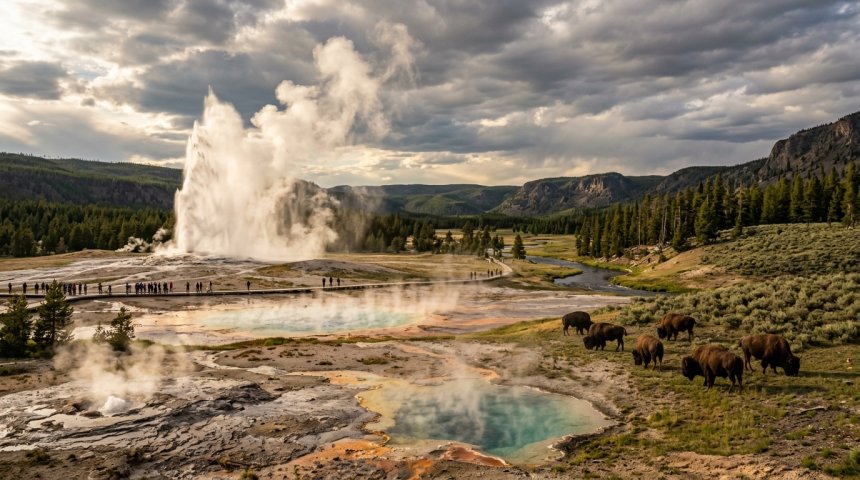
Did you know that Yellowstone National Park is home to more than half of the world's geysers? It's a staggering statistic that hints at the immense geological power and natural wonder contained within this iconic park, straddling the states of Wyoming, Montana, and Idaho. Established in 1872, Yellowstone holds the distinction of being the first national park in the United States and, arguably, the first in the world. It's a place where the Earth breathes, steams, and bubbles, offering visitors a glimpse into a dynamic and powerful landscape unlike any other. Beyond its geothermal marvels, Yellowstone is a thriving ecosystem, supporting an incredible diversity of wildlife and providing a sanctuary for these creatures to roam freely. This extensive guide will delve into the geological heart of Yellowstone, explore its abundant wildlife, highlight must-see attractions, discuss the importance of conservation, and offer practical tips for planning your visit to this extraordinary corner of the American West.
The Geothermal Heartbeat of Yellowstone
Yellowstone sits atop a supervolcano, a fact that underpins its dramatic geothermal activity. This massive volcanic caldera, though dormant, is the engine driving the park's hot springs, geysers, mudpots, and fumaroles. The heat from the Earth's mantle rises close to the surface, heating groundwater and creating the spectacular displays we witness today. Understanding the science behind these phenomena enhances the appreciation for their raw beauty and power.
Geysers: Earth's Natural Fountains
The most famous geothermal features in Yellowstone are undoubtedly its geysers. A geyser is essentially a hot spring that periodically erupts, ejecting a column of hot water and steam into the air. This happens when water seeps into underground channels, gets superheated by the underlying magma, and then, under pressure, flashes into steam, forcing the water above it out.
Old Faithful: The undisputed star of the geyser world, Old Faithful is renowned for its predictable eruptions. While its schedule has become slightly less precise over the decades, park rangers and automated systems still provide remarkably accurate predictions, drawing crowds eager to witness its majestic display. Its consistent performance has made it a symbol of Yellowstone's unique character.
Steamboat Geyser: The tallest active geyser in the world, Steamboat Geyser is far more powerful than Old Faithful but much less predictable. Its eruptions can send water soaring hundreds of feet into the air, but these events are infrequent and sporadic, making a sighting a rare and thrilling experience.
Grand Geyser: Another impressive geyser, Grand Geyser is the tallest predictable geyser in the world when considering its water height. Its eruptions are spectacular, often reaching heights of over 150 feet, but they occur less frequently than Old Faithful's.
Other Notable Geysers: The Upper Geyser Basin, where Old Faithful is located, is home to hundreds of other geysers, including Castle Geyser, Daisy Geyser, and Riverside Geyser, each with its own unique eruption patterns and characteristics. The Midway Geyser Basin, though smaller, boasts the stunning Excelsior Geyser, which is now a large, dormant hot spring, and Grand Prismatic Spring. The Lower Geyser Basin features Fountain Paint Pot, which showcases a variety of geothermal features.
Hot Springs: Pools of Color and Wonder
Hot springs are the most common type of geothermal feature in Yellowstone. These are pools of geothermally heated water that lack the plumbing to erupt like geysers. Their beauty lies in their vibrant colors, which are created by thermophilic microorganisms – bacteria that thrive in extreme heat.
Grand Prismatic Spring: Located in the Midway Geyser Basin, Grand Prismatic Spring is Yellowstone's largest hot spring and one of its most photographed features. Its immense size and the striking rainbow of colors – from deep blue in the center to vibrant green, yellow, and orange at the edges – are due to different species of thermophilic bacteria thriving at varying water temperatures. The steam rising from the spring often adds a mystical quality to the scene.
Morning Glory Pool: Once a vibrant blue, Morning Glory Pool, also in the Upper Geyser Basin, has seen its colors change over time due to human interference. Visitors have historically tossed objects into the pool, clogging its vents and altering its temperature, leading to the proliferation of different bacteria and a shift in its hues. It remains a beautiful, albeit altered, testament to the delicate balance of these ecosystems.
Mammoth Hot Springs: Situated in the northern part of the park, Mammoth Hot Springs offers a different kind of geothermal spectacle. Instead of pools, it features terraces of travertine, a type of limestone deposited by the hot, mineral-rich water. These terraces, sculpted by centuries of flowing water, create a surreal, otherworldly landscape resembling a frozen waterfall. The colors here range from white and cream to shades of brown and orange, depending on the mineral content and the presence of algae.
Mudpots: The Earth's Cauldron
Mudpots are acidic hot springs where the limited water and sulfuric acid have dissolved the surrounding rock into a thick, bubbling mud. The gas escaping from below causes the mud to bubble and plop, creating a mesmerizing, if somewhat eerie, display.
Fountain Paint Pot: In the Lower Geyser Basin, Fountain Paint Pot is a prime example of a mudpot. The mud here can range from thin and soupy to thick and viscous, depending on recent rainfall. The sounds and sights of these bubbling mud cauldrons are a unique aspect of the Yellowstone experience.
Fumaroles: Vents of Steam
Fumaroles are essentially steam vents where hot gases and steam escape from the Earth's crust. They often appear as cracks or holes in the ground, releasing plumes of steam that can be seen from a distance. While less visually dramatic than geysers or hot springs, they are a constant reminder of the volcanic forces at play beneath the surface.
A Haven for Wildlife
Yellowstone's vast wilderness and diverse habitats make it a critical refuge for a remarkable array of North American wildlife. From the iconic bison and grizzly bears to elusive wolves and delicate birds, the park offers unparalleled opportunities for wildlife viewing.
The Majestic Bison
Bison are perhaps the most recognizable symbol of Yellowstone. These massive herbivores, also known as buffalo, are a common sight throughout the park, often seen grazing in meadows or crossing roads. The park is home to one of the largest and oldest bison herds in the United States, a testament to successful conservation efforts. Seeing a herd of bison, with their shaggy coats and powerful presence, is an unforgettable experience. It's crucial to remember that bison are wild animals and should be observed from a safe distance.
Apex Predators: Wolves and Bears
Yellowstone is one of the few places in the world where gray wolves have been successfully reintroduced and are thriving. Their return in 1995 marked a significant ecological milestone, helping to restore balance to the park's ecosystem by managing elk populations. Observing wolves, often in packs, requires patience and a keen eye, but the reward is witnessing a truly wild and intelligent species in its natural habitat.
The park is also home to two species of bears: grizzly bears and black bears. While grizzly bears are more iconic to Yellowstone and often command more attention, black bears are also present. Both species are powerful predators and should be treated with extreme caution and respect. Wildlife viewing areas are popular, but it's essential to maintain a safe distance, never feed the animals, and be aware of bear safety protocols, especially when hiking.
Other Mammals of Yellowstone
Beyond bison, wolves, and bears, Yellowstone boasts a rich tapestry of other mammals:
- Elk: Elk, also known as wapiti, are the most abundant large mammal in Yellowstone. They are frequently seen in herds, particularly in meadows and along rivers. Their bugling calls during the autumn rut are a hauntingly beautiful sound of the park.
- Mule Deer and White-tailed Deer: These graceful deer are common throughout the park and are often seen grazing near roadsides or in wooded areas.
- Pronghorn: Often mistakenly called antelope, pronghorn are the fastest land animals in North America and are found in the open grasslands of Yellowstone.
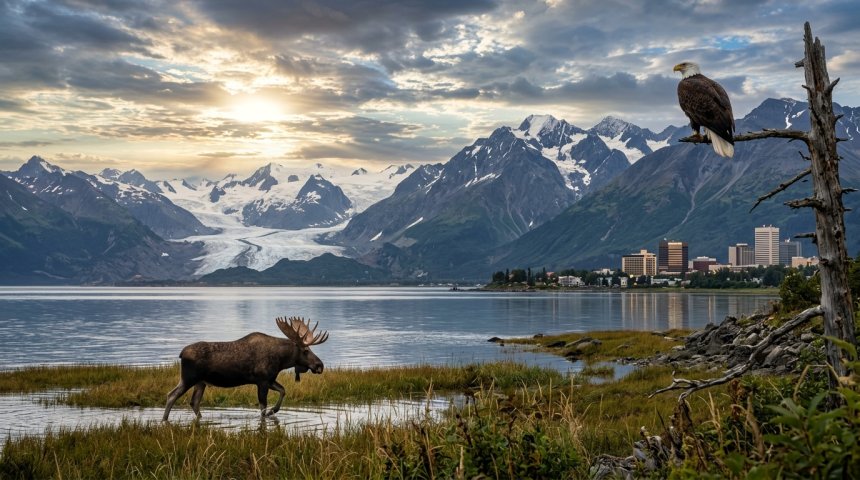
- Moose: These large, solitary animals are typically found in wetter, wooded areas and near rivers. Spotting a moose can be a special treat due to their more reclusive nature.
- Bighorn Sheep: These majestic animals with impressive curved horns are often seen on rocky slopes and cliffs, particularly in the northern areas of the park.
- Coyotes: These adaptable canids are frequently seen throughout the park, often hunting small rodents or scavenging.
- Small Mammals: Yellowstone is also home to numerous smaller mammals, including marmots, pikas, foxes, badgers, squirrels, and various rodents.
Avian Wonders
Yellowstone's diverse landscapes support a wide variety of bird species. Birdwatchers can find everything from majestic bald eagles and ospreys soaring overhead to waterfowl on the park's numerous lakes and rivers.
- Waterfowl: The park's rivers and lakes are home to ducks, geese, swans, and other aquatic birds.
- Raptors: Eagles, hawks, and falcons are common, with bald eagles and ospreys often seen near water sources.
- Upland Birds: Grouse and ptarmigan inhabit the meadows and forests.
- Other Notable Birds: Look for great gray owls, common loons, trumpeter swans, and various songbirds.
Must-See Attractions and Activities
Yellowstone offers an overwhelming array of natural wonders and opportunities for exploration. Planning your visit to include key attractions will ensure you experience the park's most iconic features.
Exploring the Geothermal Basins
The primary draw for many visitors is Yellowstone's geothermal activity. The park is divided into several geothermal basins, each with its unique character and features.
- Upper Geyser Basin: This is the most concentrated area of geysers in the world, home to Old Faithful, Grand Geyser, and hundreds of other geothermal features. Boardwalks allow visitors to safely navigate the steaming landscape and witness the geysers up close.
- Midway Geyser Basin: Famous for the stunning Grand Prismatic Spring and the massive Excelsior Geyser, this basin offers vibrant colors and steaming vistas.
- Lower Geyser Basin: Featuring Fountain Paint Pot, this area showcases a variety of geothermal features, including mudpots, geysers, and hot springs.
- Norris Geyser Basin: The hottest and most acidic of Yellowstone's thermal areas, Norris Geyser Basin is a dynamic and active landscape with features like Steamboat Geyser and Porcelain Basin.
- Mammoth Hot Springs: This area presents a unique landscape of travertine terraces formed by hot springs, offering a stark contrast to the geyser basins.
Scenic Drives and Overlooks
Yellowstone's vastness makes scenic drives an essential part of the experience, offering access to various attractions and breathtaking vistas.
- Grand Loop Road: This 142-mile (228.5 km) road system forms a figure-eight, connecting most of the park's major attractions. Driving the entire loop provides a comprehensive overview of Yellowstone's diverse landscapes.
- Hayden Valley: A prime location for wildlife viewing, especially bison and elk, Hayden Valley offers expansive views of the Yellowstone River and the surrounding grasslands.
- Lamar Valley: Often called the "American Serengeti," Lamar Valley in the park's northeast corner is renowned for its abundant wildlife, including bison, pronghorn, coyotes, and often wolves. Early morning and late evening are the best times for sightings.
- Artist Point: Located along the South Rim of the Grand Canyon of the Yellowstone, Artist Point offers one of the most iconic and breathtaking views of the Lower Falls and the colorful canyon walls.
- Inspiration Point: Also along the South Rim, Inspiration Point provides panoramic views of the Grand Canyon of the Yellowstone, showcasing its dramatic scale and vibrant hues.
Hiking and Trails
For those who wish to immerse themselves more deeply in Yellowstone's natural beauty, numerous hiking trails cater to all levels of experience.
- Boardwalk Trails: Most geothermal areas have well-maintained boardwalks that allow visitors to safely explore without disturbing the fragile thermal features or getting too close to dangerous hot water.
- Grand Canyon of the Yellowstone Rim Trails: Trails along both the North and South Rims offer spectacular views of the canyon and waterfalls.
- Backcountry Trails: For the more adventurous, Yellowstone offers extensive backcountry trails that lead to remote lakes, meadows, and wilderness areas. Permits are required for overnight backcountry trips.
- Mammoth Hot Springs Trails: Explore the unique travertine terraces via boardwalks and some steeper trails for elevated views.
The Grand Canyon of the Yellowstone
This dramatic canyon, carved by the Yellowstone River, is a spectacle of color and power. The vibrant yellow, orange, and red hues of the canyon walls, combined with the thunderous roar of the waterfalls, create an unforgettable scene.
- Upper Falls: While smaller than the Lower Falls, the Upper Falls are still impressive and easily accessible via a short walk.
- Lower Falls: Plunging 308 feet (94 meters), the Lower Falls is the park's most spectacular waterfall. Viewing platforms along the South Rim, such as Artist Point and Inspiration Point, offer unparalleled perspectives.
Yellowstone Lake
The largest high-elevation lake in North America, Yellowstone Lake is a vast and beautiful body of water. It's a popular spot for boating, fishing, and simply enjoying the serene mountain scenery. The lake is also a crucial habitat for various bird species and is known for its cutthroat trout.
Old Faithful Visitor Education Center
This center provides invaluable information about the park's geology, geysers, and wildlife. Exhibits, ranger programs, and interactive displays offer a deeper understanding of Yellowstone's natural wonders. It's also the best place to get the latest eruption predictions for Old Faithful.
Conservation and Management
Yellowstone's status as a national park underscores a profound commitment to conservation. Protecting its unique ecosystems and wildlife populations is a continuous and complex endeavor.
The Yellowstone Ecosystem
Yellowstone is the heart of the Yellowstone Ecosystem, one of the last nearly intact temperate-zone ecosystems on Earth. This means that the natural processes and species that have existed here for millennia continue to function with minimal human disruption. The park's boundaries are permeable, allowing wildlife to move freely across vast areas, highlighting the need for regional conservation efforts.
Wildlife Management
Managing wildlife in a park as large and wild as Yellowstone presents significant challenges. Key aspects include:
- Population Control: Monitoring and managing populations of species like elk and bison is crucial to prevent overgrazing and maintain ecosystem health. This sometimes involves controversial measures, but the goal is always to preserve the natural balance.
- Predator-Prey Dynamics: The reintroduction of wolves has had a profound impact on the elk population, leading to changes in elk behavior and distribution, which in turn affects vegetation. This demonstrates the intricate web of life within the ecosystem.
- Human-Wildlife Conflict: Minimizing conflicts between humans and wildlife, especially bears and bison, is a top priority. This involves educating visitors on safety protocols, managing wildlife movements, and, in rare cases, relocating or euthanizing problem animals.
Protecting Geothermal Features
The delicate nature of geothermal areas requires stringent protection. Visitors are strictly prohibited from going off boardwalks, throwing objects into thermal features, or collecting anything from these areas. These rules are in place to preserve the unique microbial life and prevent damage to the formations. The National Park Service uses various methods to monitor the health of these features and address any threats.
Invasive Species
Like many natural areas, Yellowstone faces threats from invasive species, both plant and animal, which can outcompete native species and disrupt the ecosystem. The park actively works to identify, monitor, and control invasive populations through various management strategies.
Planning Your Visit
A trip to Yellowstone requires careful planning to maximize your experience and ensure a safe and enjoyable visit.
Best Time to Visit
- Summer (June-August): This is the most popular time to visit, with warm weather and all park facilities open. However, it's also the most crowded, and lodging should be booked far in advance.
- Spring (April-May): A beautiful time to see wildflowers and newborn wildlife. Many roads and facilities may still be closed early in the season due to snow. Weather can be unpredictable.
- Fall (September-October): Offers fewer crowds, beautiful autumn colors, and opportunities to witness the elk rut. Weather can be cool, and snow is possible. Some facilities begin to close by mid-October.
- Winter (December-March): A unique and serene experience with snow-covered landscapes. Access is limited, primarily via snowcoach or snowmobile, and most roads are closed to regular vehicles.
Getting There and Around
- Airports: The closest major airports are Bozeman Yellowstone International Airport (BZN) in Montana, Jackson Hole Airport (JAC) in Wyoming, and Idaho Falls Regional Airport (IDA) in Idaho.
- Driving: Yellowstone is accessible by car from multiple entrances. The Grand Loop Road connects the main attractions within the park.
- Transportation within the Park: A personal vehicle is the most common way to explore Yellowstone. However, due to congestion, especially in summer, consider using the park's shuttle services where available or exploring on foot.
Lodging and Camping
- In-Park Lodging: Several historic hotels and lodges are located within Yellowstone, offering a unique experience. These book up months, often a year, in advance. Options include Old Faithful Inn, Lake Yellowstone Hotel, and Mammoth Hot Springs Hotel.
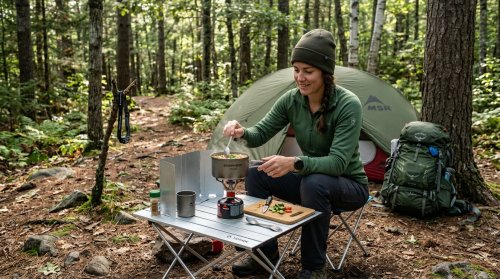
- Camping: Yellowstone offers numerous campgrounds, ranging from primitive to developed sites with amenities. Reservations are highly recommended, especially for popular campgrounds.
- Gateway Towns: Towns surrounding the park, such as West Yellowstone (Montana), Gardiner (Montana), Cooke City (Montana), and Cody (Wyoming), offer a wide range of lodging and dining options.
Safety and Regulations
- Wildlife Safety: Always maintain a safe distance from all wildlife, especially bison, bears, and wolves. Never feed animals. Carry bear spray when hiking and know how to use it.
- Geothermal Safety: Stay on designated boardwalks and trails in thermal areas. The ground can be unstable, and the water is dangerously hot.
- Weather: Be prepared for rapidly changing weather conditions, even in summer. Pack layers, rain gear, and sun protection.
- Altitude: Much of Yellowstone is at high elevation (6,000-8,000 feet or 1,800-2,400 meters). Be aware of potential altitude sickness and stay hydrated.
- Park Regulations: Familiarize yourself with park rules regarding pets, camping, fires, and drone usage. Always pack out what you pack in.
Conclusion
Yellowstone National Park is more than just a destination; it's a living, breathing testament to the Earth's raw power and the resilience of nature. From the explosive spectacle of its geysers and the vibrant hues of its hot springs to the majestic presence of its wildlife roaming free, Yellowstone offers an unparalleled experience of the wild. It is a place that inspires awe, fosters a deep appreciation for the natural world, and underscores the vital importance of conservation for future generations. Whether you are captivated by the geological wonders beneath your feet or the incredible biodiversity that thrives within its boundaries, Yellowstone promises a journey of discovery and a profound connection to one of America's most treasured landscapes. Planning a visit to this geothermal wonderland and wildlife sanctuary is an investment in memories that will last a lifetime.
Frequently Asked Questions
What are the most important safety precautions for visiting Yellowstone?
Safety in Yellowstone is paramount and involves several key considerations. First and foremost is wildlife safety: always maintain a minimum distance of 100 yards (91 meters) from bears and wolves, and 25 yards (23 meters) from all other animals, including bison and elk. Never feed wildlife, as this can lead to dangerous habituation and disease transmission. When hiking, carry bear spray and know how to use it. For geothermal areas, *always stay on designated boardwalks and trails*. The ground around thermal features can be thin and unstable, and the water is extremely hot and can cause severe burns. Be prepared for rapid weather changes; pack layers of clothing, including rain gear and sun protection, as conditions can shift quickly. Finally, be aware of the park's high elevation, which can affect some visitors; stay hydrated and avoid strenuous activity if you feel unwell.
When is the best time of year to visit Yellowstone?
The "best" time to visit Yellowstone largely depends on your priorities. *Summer (June through August)* offers the warmest weather and access to all park roads and facilities, making it the most popular but also the most crowded time. *Fall (September and early October)* provides fewer crowds, beautiful autumn colors, and the chance to witness the elk rut. However, temperatures are cooler, and snow is possible. *Spring (April and May)* brings wildflowers and newborn wildlife, but many roads and facilities may still be closed due to snow, and weather is unpredictable. *Winter (December through March)* offers a unique, serene experience with snow-covered landscapes, but access is limited to snowmobile or snowcoach, and most roads are closed to regular vehicles.
How much time should I allocate for a visit to Yellowstone?
To truly experience Yellowstone's diverse attractions without feeling rushed, a minimum of *three to four full days* is recommended. This allows for exploring the major geyser basins, driving scenic loops like the Grand Loop Road to see key viewpoints and wildlife areas like Hayden and Lamar Valleys, and perhaps a short hike. If you wish to delve deeper into specific areas, explore more backcountry trails, or visit less-visited parts of the park, a week or more would be ideal. Many visitors find that even with an extended stay, there's always more to discover.
What are the main differences between Old Faithful and other geysers?
Old Faithful is famous for its *predictability*. While its eruption intervals can vary, rangers can accurately predict its next eruption, allowing visitors to plan their viewing. Its eruptions are also of a moderate height and duration. Other geysers, like Steamboat Geyser, are much more powerful and can erupt to incredible heights (over 300 feet or 91 meters), but their eruptions are highly unpredictable and infrequent. Grand Geyser is the world's tallest predictable geyser, but it erupts less often than Old Faithful. Many smaller geysers have their own unique eruption patterns and timings, some occurring only every few hours or even days. The variety of geyser behaviors showcases the diverse underground plumbing systems within Yellowstone's geothermal areas.
Can I bring my pet to Yellowstone National Park?
Pets are allowed in Yellowstone National Park, but their access is *significantly restricted*. Pets are generally permitted only in developed areas, such as campgrounds, picnic areas, and along roadsides, and must always be kept on a leash no longer than 6 feet (1.8 meters). They are *not allowed* on park trails, in the backcountry, or in any buildings. This policy is in place to protect both pets from wildlife and potential dangers, and to protect the park's fragile ecosystems and wildlife from pets. For extensive hiking or exploring, it is best to leave pets at home or make arrangements for their care outside the park.
What is the significance of the Yellowstone Ecosystem?
The Yellowstone Ecosystem is considered one of the last *nearly intact temperate-zone ecosystems* on Earth. This means that the natural processes and the full complement of native species that were present historically still function here with relatively minimal human disruption. The ecosystem extends beyond the park boundaries, encompassing millions of acres of federal and private land. The presence of apex predators like wolves and grizzly bears, and large herbivore populations like bison and elk, along with the natural cycles of fire and recovery, are all critical components that define this unique and vital natural system. Its preservation is crucial for biodiversity and for understanding ecological processes.
Share
What's Your Reaction?
 Like
0
Like
0
 Dislike
0
Dislike
0
 Love
0
Love
0
 Funny
0
Funny
0
 Angry
0
Angry
0
 Sad
0
Sad
0
 Wow
0
Wow
0