New Orleans, Louisiana: Music, Food & History in 2026
Explore New Orleans, Louisiana in 2026! Discover its vibrant music, delicious Creole cuisine, rich history, and unique cultural traditions.

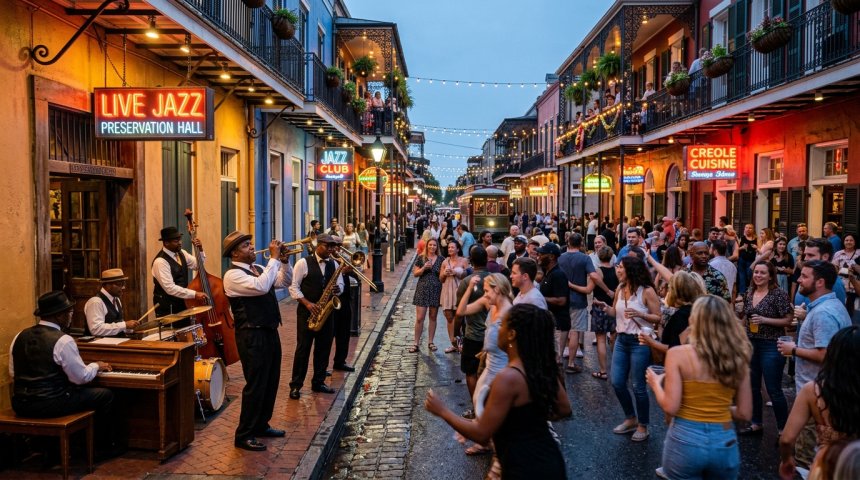
New Orleans, a city perched on the crescent bend of the Mississippi River, is a place unlike any other in the United States. It’s a vibrant tapestry woven from threads of French, Spanish, African, Caribbean, and American cultures, creating a unique and intoxicating atmosphere that captivates visitors from around the globe. In 2026, this legendary city continues to pulse with an energy that’s both timeless and ever-evolving. Did you know that New Orleans is home to the oldest continuously operating public market in the United States, the French Market, with roots stretching back to the 1700s? This enduring spirit is a hallmark of a city that has faced adversity with remarkable resilience and celebrated life with unparalleled gusto.
From the soulful melodies of jazz drifting from street corners to the tantalizing aromas of Creole and Cajun cuisine, New Orleans engages all the senses. It’s a city where history isn't just found in museums; it's alive in the cobblestone streets of the French Quarter, the grand architecture of the Garden District, and the stories whispered by its people. This exploration will delve into the heart of New Orleans, uncovering its rich history, its iconic music scene, its world-renowned culinary landscape, its unique traditions, and the enduring spirit that makes it an unforgettable destination.
A Rich Tapestry of History
The story of New Orleans is one of discovery, settlement, and a complex interplay of cultures. Founded in 1718 by the French Mississippi Company, led by Jean-Baptiste Le Moyne de Bienville, the city was named La Nouvelle-Orléans in honor of Philippe II, Duke of Orléans. Its strategic location at the mouth of the Mississippi River quickly made it a crucial port for trade.
French and Spanish Rule: The Colonial Foundations
Under French rule, New Orleans developed into a bustling colonial capital. However, in 1763, following the Seven Years' War, France ceded Louisiana to Spain. The Spanish influence, though often overlooked, profoundly shaped the city's architecture, legal system, and social customs. Many of the iconic wrought-iron balconies and courtyards that characterize the French Quarter today are Spanish in design. During this period, the city also saw the establishment of the Code Noir, a set of laws governing the treatment of enslaved people, which, while brutal, also laid some groundwork for later legal frameworks. The Spanish also introduced new architectural styles and further developed the city's infrastructure, including the construction of the Cabildo, the seat of government.
The Louisiana Purchase and Americanization
A pivotal moment in New Orleans' history came in 1803 with the Louisiana Purchase, a monumental land deal that doubled the size of the United States and transferred control of the territory from France to the U.S. This acquisition brought New Orleans into the American fold, though its distinct cultural identity remained fiercely preserved. The city’s diverse population, a mix of French, Spanish, Creole, African, and other European immigrants, created a unique social hierarchy and a vibrant cultural mosaic. The port of New Orleans became one of the busiest in the world, a gateway for goods and people, and a hub of economic activity, particularly in the cotton trade. The city's role as a major slave market, however, remains a dark and critical chapter in its history.
Navigating Adversity: Fires, Floods, and Resilience
New Orleans has a long history of facing and overcoming natural disasters. The city has been ravaged by numerous fires, including a devastating one in 1788 that destroyed much of the French Quarter. Its low-lying elevation and proximity to the river and Gulf of Mexico have made it vulnerable to floods and hurricanes. The most catastrophic event in its modern history was Hurricane Katrina in 2005, which caused widespread devastation and displacement. Yet, the spirit of New Orleans has always been one of remarkable resilience. The city has repeatedly rebuilt and reinvented itself, drawing strength from its community and its unique cultural heritage. This ability to bounce back, to find joy and celebration even in the face of hardship, is central to the identity of New Orleans.
The Soul of the City: Music and Culture
New Orleans is globally recognized as the birthplace of jazz, but its musical landscape extends far beyond. It’s a city where music is not just entertainment; it's a way of life, deeply ingrained in the fabric of daily existence.
The Birthplace of Jazz
The unique cultural melting pot of New Orleans, with its blend of African rhythms, European harmonies, and Caribbean influences, provided the perfect crucible for the birth of jazz. Early forms of jazz emerged from the city's vibrant street parades, brass bands, and the lively music played in its dance halls and saloons. Figures like Buddy Bolden, Louis Armstrong, Jelly Roll Morton, and Sidney Bechet are legendary pioneers who shaped this revolutionary art form. The tradition continues today, with countless musicians keeping the spirit of traditional jazz alive and innovating within its boundaries. The Preservation Hall in the French Quarter stands as a testament to this enduring legacy, offering authentic, no-frills traditional New Orleans jazz nightly.
Beyond Jazz: A Symphony of Sounds
While jazz is its most famous export, New Orleans is a rich sonic environment. The city is also a hub for blues, R&B, funk, gospel, and Zydeco music. Brass bands, known as "second lines," are an integral part of New Orleans culture, often leading parades and funerals with their infectious rhythms and joyous, improvisational style. These bands are not just performers; they are community storytellers, their music reflecting the joys and sorrows of everyday life. Musicians like Professor Longhair, Fats Domino, and Allen Toussaint have left indelible marks on the music world, showcasing the diverse talent that flourishes in the city. In 2026, the live music scene remains as vibrant as ever, with iconic venues and emerging artists filling the air with sound.
Festivals and Celebrations: A Year-Round Party
New Orleans is synonymous with festivals. Mardi Gras, the pre-Lenten carnival, is perhaps the most famous, drawing millions of revelers for its elaborate parades, costumes, and music. But the celebration doesn't end there. The city hosts a plethora of other festivals throughout the year, celebrating its diverse culture and heritage.
- Jazz & Heritage Festival (Jazz Fest): Held over two weekends in late April and early May, Jazz Fest is a world-renowned celebration of music and culture, featuring hundreds of artists across numerous stages, showcasing everything from traditional jazz and blues to rock, R&B, and gospel. It's also a showcase for Louisiana's rich culinary traditions.
- French Quarter Festival: This free festival, held in April, highlights the music and food of the French Quarter, with dozens of local bands and restaurants participating.
- Essence Festival: Typically held in early July, this festival is a major celebration of African-American culture, music, and empowerment, drawing a massive crowd to the Superdome.
- Voodoo Music + Arts Experience: Held around Halloween, this festival offers a diverse lineup of musical acts and art installations, often with a spooky, New Orleans-themed twist.
These events, along with countless smaller neighborhood celebrations, underscore the city’s deep-seated tradition of community gathering and joyous expression.
A Culinary Paradise: Flavors of Creole and Cajun Country
New Orleans is a food lover's dream, renowned for its unique and delicious cuisine. The distinction between Creole and Cajun food is important, though both share roots in the region's French heritage and abundant local ingredients.
Creole Cuisine: The Sophistication of the City
Creole cuisine is often described as the refined cooking of New Orleans' urban dwellers, influenced by a blend of French, Spanish, African, and Italian traditions. It's characterized by its rich sauces, delicate flavors, and the use of the "holy trinity" of vegetables: onions, celery, and bell peppers.
- Gumbo: A quintessential Creole dish, gumbo is a hearty stew that can be made with seafood, chicken, or sausage. Its base is a roux (flour and fat cooked to varying degrees of darkness), which gives it a deep flavor and thick texture.
- Jambalaya: A flavorful rice dish cooked with meat, seafood, vegetables, and spices. There are many variations, but it’s a staple in New Orleans kitchens.
- Étouffée: This dish, often made with crawfish or shrimp, features seafood smothered in a rich, often tomato-based sauce, served over rice.
- Oysters Rockefeller: A decadent appetizer featuring oysters baked with a rich sauce of greens, herbs, and butter, a New Orleans classic invented at Antoine's Restaurant.
- Beignets: While often associated with Café Du Monde, these square pieces of fried dough, generously dusted with powdered sugar, are a beloved New Orleans treat, perfect with a café au lait.
Cajun Cuisine: The Rustic Heart of Acadiana
Cajun cuisine, originating from the Acadian descendants who settled in the Louisiana bayous, is known for its robust, spicy, and rustic flavors. It’s a cooking style born out of necessity and resourcefulness, utilizing ingredients readily available in the swamp and surrounding lands.
- Spicy Sausage and Seafood: Cajun cooking often features intensely flavored smoked sausages (like andouille) and dishes that highlight the bounty of the region's waterways.
- One-Pot Meals: Many Cajun dishes are designed to be cooked in a single pot, making them practical for home cooks and campfires.
- The "Holy Trinity" and Spice: Like Creole cooking, Cajun cuisine uses the "holy trinity," but it's often paired with more liberal use of cayenne pepper and other hot spices, creating a signature fiery kick.
- Crawfish Boil: A quintessential Cajun experience, a crawfish boil involves boiling live crawfish with a potent blend of spices, corn, potatoes, and sausage. It's a communal, hands-on feast.
Iconic New Orleans Dishes and Where to Find Them
Beyond the broad categories, specific dishes are synonymous with New Orleans. Po'boys, generously stuffed sandwiches on French bread, are a must-try, with fillings ranging from fried shrimp and oysters to roast beef debris. Muffulettas, a round, Sicilian-style sandwich filled with Italian meats, cheeses, and olive salad, are another iconic creation. The city boasts a culinary scene that ranges from humble, decades-old diners to award-winning fine dining establishments. Exploring the city's restaurants, from iconic institutions like Galatoire's and Commander's Palace to more casual eateries and street food vendors, is an essential part of the New Orleans experience.
Exploring the City: Neighborhoods and Landmarks
New Orleans is a city of distinct neighborhoods, each with its own character, history, and charm. From the historic heart of the French Quarter to the leafy avenues of the Garden District, there’s a unique atmosphere to discover around every corner.
The French Quarter (Vieux Carré)
The oldest neighborhood in New Orleans, the French Quarter, is the city's most famous and iconic district. Its narrow streets, iron-laced balconies, hidden courtyards, and vibrant energy draw millions of visitors annually.
- Bourbon Street: Known for its lively nightlife, bars, and street performers, Bourbon Street is a sensory overload, especially after dark.
- Royal Street: In contrast to Bourbon Street, Royal Street offers a more refined experience, with art galleries, antique shops, and beautiful historic architecture. Street musicians often perform here, adding to its charm.
- Jackson Square: The heart of the French Quarter, Jackson Square is a historic park surrounded by iconic landmarks, including the St. Louis Cathedral, the Cabildo, and the Presbytère. It’s a popular gathering place for artists, musicians, and street performers.
- French Market: One of the oldest public markets in the U.S., the French Market is a bustling hub for local produce, crafts, souvenirs, and delicious food.
The Garden District
A short streetcar ride from the French Quarter, the Garden District is a stark contrast, characterized by its opulent mansions, lush gardens, and tree-lined streets. This affluent neighborhood was developed in the 19th century by wealthy Americans who moved to New Orleans after the Louisiana Purchase.
- Architectural Marvels: The Garden District is a showcase of antebellum architecture, with grand Greek Revival, Italianate, and Queen Anne style homes. Tours are highly recommended to appreciate the history and design.
- Lafayette Cemetery No. 1: One of New Orleans' oldest and most famous above-ground cemeteries, Lafayette Cemetery No. 1 offers a fascinating glimpse into the city's burial traditions and history. (Note: Cemetery access may be restricted; check current visitor guidelines).
Other Notable Neighborhoods
- Marigny: Adjacent to the French Quarter, the Marigny is known for its vibrant live music scene, particularly on Frenchmen Street, which offers a more authentic and local alternative to Bourbon Street.
- Uptown: A diverse area stretching from the Garden District, Uptown encompasses a mix of residential areas, bustling commercial streets like Magazine Street with its boutiques and restaurants, and historic universities.
- Bywater: Known for its bohemian vibe, colorful houses, and thriving arts community, the Bywater is a more laid-back and eclectic neighborhood.
Traditions, Superstitions, and the Unique Spirit of New Orleans
New Orleans is a city steeped in unique traditions and a palpable sense of mystique. Its cultural heritage is expressed through vibrant celebrations, deeply held beliefs, and a way of life that is both charmingly old-world and refreshingly modern.
Mardi Gras and Carnival Culture
Mardi Gras is the most famous of New Orleans' traditions, but it's part of a larger Carnival season that begins on Twelfth Night (January 6th) and culminates on Mardi Gras Day. The season is marked by elaborate parades organized by krewes (social organizations), each with its own theme, costumes, and traditions. Throws, such as beads and doubloons, are tossed from parade floats, and the pursuit of these trinkets is a beloved part of the experience. The spirit of Mardi Gras is one of joyful excess, community participation, and a temporary suspension of everyday life.
Second Lines and Street Parades
Second lines are a defining element of New Orleans' cultural landscape. These parades, often led by a brass band, are characterized by their energetic music, dancing, and the "second line" of revelers who follow the main procession. They are a common feature at parades, festivals, and even funerals, where they serve as a joyous send-off for the deceased, celebrating their life with music and dance.
Voodoo and Spirituality
New Orleans has a long and often misunderstood association with Voodoo. While often sensationalized, New Orleans Voodoo is a syncretic religion that blends African spiritual traditions with Catholicism. Figures like Marie Laveau, the most famous Voodoo queen, are legendary figures in the city's history. Today, Voodoo practitioners continue to uphold these traditions, and visitors can learn about this aspect of New Orleans' spiritual heritage through museums and respectful cultural experiences.
The Enduring Spirit of Resilience
Perhaps the most defining characteristic of New Orleans is its spirit of resilience. Having faced numerous natural disasters and economic challenges, the city and its people have an unparalleled ability to find joy, celebrate life, and rebuild. This spirit is evident in the music, the food, the festivals, and the unwavering sense of community that permeates the city. It’s a testament to the strength and character of the people who call New Orleans home.
Practical Information for Visitors in 2026
Planning a trip to New Orleans in 2026 offers a chance to experience this extraordinary city at its vibrant best. Here are a few tips to help make your visit memorable.
Getting Around
New Orleans is a walkable city, especially the French Quarter and surrounding neighborhoods. For longer distances, the historic streetcar system is an iconic and affordable way to explore. Taxis and rideshare services are also readily available.
Best Time to Visit
The most popular times to visit are during Mardi Gras and the spring festival season (April-May) for the weather and events. However, the shoulder seasons (fall and early winter) offer pleasant weather with fewer crowds. Summer can be hot and humid, with a chance of rain.
Accommodation
New Orleans offers a wide range of accommodation options, from luxury hotels in the French Quarter and Central Business District to charming boutique hotels in the Garden District and more budget-friendly options in surrounding neighborhoods.
Food and Drink Etiquette
Tipping is customary for service staff in restaurants and bars. Be prepared for a relaxed pace of dining. When ordering, don't be afraid to ask for recommendations and embrace the local specialties.
Safety and Awareness
Like any major city, it’s important to be aware of your surroundings, especially in crowded tourist areas. Stick to well-lit streets at night and be mindful of your belongings. The city has made significant strides in recent years, and with common sense, visitors can enjoy a safe and rewarding experience.
Conclusion: The Unforgettable Allure of New Orleans
New Orleans is more than just a destination; it's an experience that imprints itself on the soul. It’s a city where history breathes in the air, where music flows through the streets like the Mississippi, and where every meal is a celebration. From the echoes of jazz legends to the vibrant flavors of its unique cuisine, New Orleans offers a sensory journey unlike any other. Its enduring spirit, forged through centuries of cultural exchange and resilience in the face of adversity, continues to define its captivating charm. In 2026, the Crescent City stands as a testament to the power of culture, community, and the unyielding pursuit of joy. Whether you’re drawn by the allure of its historic architecture, the rhythm of its music, or the taste of its legendary food, New Orleans promises an unforgettable adventure that will linger long after you’ve departed. It’s a city that invites you to come as you are and leave a little bit changed, a little bit richer, and a whole lot more alive.
Frequently Asked Questions About New Orleans
What is the difference between Creole and Cajun food?
Creole cuisine is generally considered more refined and urban, influenced by French, Spanish, African, and Italian traditions, often featuring richer sauces. Cajun cuisine is more rustic and rural, originating from Acadian descendants, known for its bold, spicy flavors and reliance on local ingredients from the bayous and swamps. Both use the "holy trinity" of onions, celery, and bell peppers, but Cajun cooking typically incorporates more heat, like cayenne pepper.
When is the best time to visit New Orleans?
The best times to visit are during the spring (March to May) for pleasant weather and numerous festivals like Jazz Fest and French Quarter Festival, and in the fall (September to November) for cooler temperatures and fewer crowds. Mardi Gras season (leading up to Fat Tuesday) is a major draw but is also the busiest and most expensive time. Summer can be very hot and humid.
Is it safe to walk around New Orleans?
New Orleans is a major tourist city, and like any large urban area, it's important to exercise caution. Walking is a great way to explore neighborhoods like the French Quarter and the Garden District during daylight hours. It's advisable to stick to well-lit, populated streets, especially at night, and be aware of your surroundings. Using taxis or rideshare services for late-night travel is recommended.
What are the must-try foods in New Orleans besides gumbo and jambalaya?
Beyond gumbo and jambalaya, you must try po'boys (sandwiches on French bread), muffulettas (a round sandwich with cured meats and olive salad), étouffée (smothered seafood or chicken), Oysters Rockefeller, beignets (fried dough with powdered sugar), and fresh Louisiana seafood like crawfish and shrimp. Don't forget a classic New Orleans cocktail like a Sazerac or a Hurricane.
How important is music in New Orleans culture?
Music is absolutely central to New Orleans culture. It's considered the birthplace of jazz, and music is woven into the fabric of daily life, from street performers and brass bands leading second lines to iconic music venues and major festivals. Music is used to celebrate, mourn, and simply express the vibrant spirit of the city.
What is a "second line"?
A "second line" is a distinctive New Orleans tradition. It refers to the group of people who follow the main parade or procession, dancing and celebrating. The term also refers to the brass bands that lead these parades, playing energetic, improvisational music. Second lines are a common feature at parades, festivals, and even funerals, serving as a joyous expression of community and life.
Exploring New Orleans' Culinary Landscape in 2026
New Orleans is a city that tantalizes the taste buds, a culinary capital where diverse cultural influences have converged to create a cuisine that is both unique and universally adored. In 2026, the city continues to honor its gastronomic heritage while embracing innovation, offering an unforgettable dining experience for every palate.
The Pillars of New Orleans Cuisine: Creole and Cajun
Understanding New Orleans food begins with distinguishing between its two most celebrated culinary traditions: Creole and Cajun. While often used interchangeably, they represent distinct, yet complementary, influences.
-
Creole Cuisine: Rooted in the city itself, Creole cooking is a sophisticated blend of French, Spanish, African, Italian, and Caribbean flavors. It's characterized by its refinement, often utilizing ingredients like butter, cream, and tomatoes, and is found in the elegant restaurants of the French Quarter and beyond. Dishes like Shrimp Creole, Oysters Rockefeller, and Bananas Foster are prime examples of this rich tradition. The "holy trinity" of diced onions, celery, and bell peppers forms the aromatic base for many Creole dishes, but often with a more delicate hand than its Cajun counterpart.
-
Cajun Cuisine: Hailing from the Acadian exiles who settled in the Louisiana bayous, Cajun food is known for its robust, rustic, and often fiery flavors. This is the food of the countryside, emphasizing fresh, local ingredients from the swamps and waterways. Think hearty stews, spicy sausages, and dishes cooked in a single pot. While also employing the "holy trinity," Cajun cooking is famous for its liberal use of cayenne pepper and other hot spices, creating dishes like Crawfish Étouffée, Gumbo (often darker and more intensely flavored than Creole versions), and Boudin.
Iconic Dishes Not to Miss
Beyond the foundational Creole and Cajun styles, New Orleans boasts a pantheon of iconic dishes that are essential to any visitor's culinary pilgrimage.
-
Gumbo: This hearty, flavorful stew is perhaps the most emblematic dish of Louisiana. It can be seafood-based, chicken and andouille sausage, or a combination. The roux (a mixture of flour and fat cooked to varying degrees of brownness) is key to its depth of flavor, ranging from a light blonde for Creole to a deep, dark brown for Cajun.
-
Jambalaya: A one-pot rice dish, Jambalaya is a flavorful melange of rice, meats (like sausage, chicken, or shrimp), vegetables, and spices. Creole jambalaya often includes tomatoes, while Cajun jambalaya typically does not, focusing on a spicier, more savory profile.
-
Po'boys: These legendary sandwiches are a New Orleans institution. Served on crispy, yet soft, French bread, they are typically filled with fried seafood (shrimp, oysters, catfish) or roast beef with debris (gravy-soaked shreds of beef). Dressed with lettuce, tomato, pickles, and mayonnaise, they are a delicious and satisfying meal.
-
Muffulettas: Hailing from the Italian-American delis of the French Quarter, the muffuletta is a distinctive round sandwich layered with Italian cured meats, provolone cheese, and a tangy olive salad that is the star of the show. It’s best enjoyed at room temperature, allowing the flavors to meld.
-
Étouffée: Meaning "smothered" in French, étouffée is a rich, flavorful dish typically made with crawfish or shrimp, cooked in a thick, savory sauce often seasoned with the "holy trinity" and served over rice.
-
Beignets: No trip to New Orleans is complete without indulging in these iconic fried dough pastries, generously dusted with powdered sugar. The most famous purveyor is Café Du Monde, but many other establishments offer their own delightful versions.
-
Oysters: From raw on the half shell to Oysters Rockefeller (baked with herbs, butter, and breadcrumbs) or Charbroiled Oysters (grilled with garlic butter and Parmesan), New Orleans takes its oysters seriously.
The Cocktail Culture
New Orleans is not only a culinary mecca but also a city with a legendary cocktail heritage. The Sazerac, often cited as America's first cocktail, is a potent blend of rye whiskey, absinthe, Peychaud's bitters, and a sugar cube. Other famous concoctions include the Ramos Gin Fizz, with its creamy texture and citrus notes, and the potent, fruit-forward Hurricane. Exploring the historic bars of the French Quarter and beyond offers a chance to sample these classic libations.
Beyond the Plate: Gastronomic Experiences
In 2026, visitors can immerse themselves in New Orleans' food scene in myriad ways.
-
Cooking Classes: Several establishments offer hands-on cooking classes where you can learn the secrets of Creole and Cajun cooking from local chefs.
-
Food Tours: Guided food tours are an excellent way to sample a variety of dishes and learn about the history and culture behind them, often focusing on specific neighborhoods or culinary themes.
-
Farmers Markets and Local Grocers: For a taste of the freshest local produce and artisanal products, explore places like the Crescent City Farmers Market.
New Orleans' culinary landscape is a vibrant tapestry woven from centuries of history, cultural exchange, and a deep-seated love for good food and good company. It's a place where every meal is an opportunity for celebration, and where the flavors linger long after the last bite.
The Enduring Allure of New Orleans: A City That Captivates
New Orleans is more than just a collection of historical sites, vibrant music venues, and delicious food; it is a feeling, an atmosphere, a way of life that is utterly unique. Its allure lies in its ability to embrace its past while living vibrantly in the present, creating a city that is both timeless and constantly evolving.
The spirit of New Orleans is deeply rooted in its resilience. Having weathered centuries of challenges, from natural disasters to economic hardship, the city and its people possess an indomitable spirit. This strength is not one of stoicism, but rather one of finding joy, celebrating life, and rebuilding with unwavering optimism. It’s a spirit that manifests in the infectious rhythms of jazz that spill onto the streets, the communal joy of a second line parade, and the comforting warmth of a shared meal.
In 2026, this enduring spirit continues to define New Orleans. The city remains a beacon of cultural richness, a place where diverse traditions are not just preserved but actively celebrated and passed down through generations. The echoes of jazz legends like Louis Armstrong and Jelly Roll Morton still resonate, inspiring new generations of musicians who carry the torch of this iconic American art form. The flavors of Creole and Cajun cuisine, perfected over centuries, continue to delight and surprise, offering a culinary journey that is both deeply satisfying and endlessly fascinating.
Whether you are drawn by the romantic charm of the French Quarter, the stately elegance of the Garden District, the soulful melodies of Frenchmen Street, or the tantalizing aromas wafting from a local kitchen, New Orleans offers an experience that engages all the senses. It is a city that invites you to slow down, to savor the moment, and to immerse yourself in its unique rhythm.
To visit New Orleans is to step into a living, breathing work of art. It is a place where history is not confined to museums but is etched into the very architecture, whispered in the stories of its people, and sung in its soul-stirring music. It is a city that encourages authenticity, where individuality is celebrated, and where a genuine sense of community thrives.
As you plan your visit in 2026, come with an open mind and an open heart. Be prepared to be charmed by the unexpected, to be moved by the music, and to be utterly captivated by the magic that is New Orleans. It is a destination that promises not just a vacation, but a transformative experience that will leave an indelible mark on your soul, a vibrant memory that you will carry with you long after you have departed the Crescent City.
Share
What's Your Reaction?
 Like
0
Like
0
 Dislike
0
Dislike
0
 Love
0
Love
0
 Funny
0
Funny
0
 Angry
0
Angry
0
 Sad
0
Sad
0
 Wow
0
Wow
0