Ultimate Fayetteville, Arkansas – College Town to Cultural Hub 2026
Discover Fayetteville, Arkansas in 2026! Explore how this college town has transformed into a vibrant cultural hub with arts, nature, and community.

Did you know that Fayetteville, Arkansas, nestled in the heart of the Ozarks, is experiencing a vibrant transformation? Once primarily recognized as a quintessential college town, it has blossomed into a dynamic cultural hub, attracting residents and visitors alike with its unique blend of natural beauty, intellectual energy, and burgeoning arts scene. In 2026, Fayetteville stands as a testament to thoughtful growth, a place where the spirit of academia seamlessly merges with a rich tapestry of community experiences.
The Roots: A University Town's Enduring Charm
Fayetteville's identity has long been intertwined with the presence of the University of Arkansas. Founded in 1871, the university is the flagship campus of the University of Arkansas System and a significant economic and cultural driver for the region. The iconic red brick buildings, the sprawling campus grounds, and the palpable buzz of student life have always been central to Fayetteville's character. The Razorbacks, the university's athletic teams, create a fervent community spirit, with game days transforming the town into a sea of cardinal and white.
The university's influence extends far beyond its campus borders. It fosters a youthful demographic, a highly educated workforce, and a continuous influx of new ideas and perspectives. This academic environment cultivates a culture of lifelong learning and intellectual curiosity that permeates the entire city. Local businesses, restaurants, and cultural institutions often feel the ripple effect of the university's presence, benefiting from the energy and innovation that a large student body and faculty bring. The university also plays a crucial role in local research and development, contributing to the economic diversification of Northwest Arkansas. For instance, the university's research initiatives in areas like agricultural technology and biosciences have spurred innovation and attracted related industries to the region.
The University's Impact on Local Economy and Community
The economic impact of the University of Arkansas on Fayetteville and the surrounding region is substantial. According to recent economic impact studies, the university generates billions of dollars in economic activity annually, supporting thousands of jobs. This includes direct employment on campus, as well as indirect employment in sectors that supply goods and services to the university and its community. The university's procurement policies, research grants, and student spending all contribute to this robust economic engine.
Beyond economics, the university enriches the community through its various public programs, lectures, and cultural events. The Fayetteville Public Library, for example, often partners with university departments to offer educational workshops and author talks. The university's performing arts center hosts a variety of theatrical productions, musical performances, and dance recitals that are open to the public, providing accessible cultural experiences for residents. Furthermore, the university's commitment to community engagement encourages faculty and students to participate in local volunteer efforts, further strengthening the town-gown relationship. The presence of a major research university also means that Fayetteville is often at the forefront of new technologies and discoveries, which can lead to entrepreneurial opportunities and the development of new businesses within the city.
The Transformation: Beyond the Ivory Tower
While the university remains a cornerstone, Fayetteville in 2026 is a city that has consciously diversified its offerings. The narrative is no longer solely about students and academics; it's about a thriving ecosystem that caters to a broader range of interests and demographics. This evolution is evident in the city's burgeoning downtown, its expanding culinary scene, and its commitment to the arts and outdoor recreation.
Downtown Revitalization: A Hub of Activity
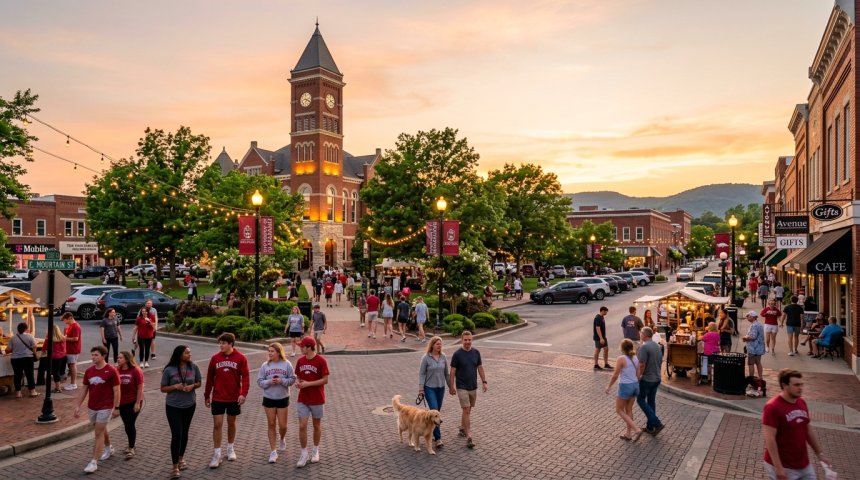
Fayetteville's historic downtown has undergone a remarkable revitalization, transforming from a sleepy commercial district into a vibrant epicenter of activity. Once characterized by vacant storefronts, it now boasts a lively mix of independent boutiques, artisanal shops, craft breweries, and diverse restaurants. The Fayetteville Square, the heart of downtown, is a focal point for community gatherings, farmers' markets, and seasonal festivals. The preservation of historic architecture, combined with modern urban planning, has created a charming and walkable environment that encourages exploration.
The revitalization efforts have been strategic, focusing on creating a destination that appeals to both locals and visitors. Public art installations, improved pedestrian walkways, and accessible parking have all contributed to a more inviting atmosphere. The Fayetteville Farmers' Market, a staple for decades, has grown significantly, attracting vendors from across the region and becoming a weekend ritual for many. This market not only provides fresh, local produce but also serves as a social gathering space, fostering a sense of community and supporting local agriculture. The success of downtown Fayetteville is a testament to smart urban development that prioritizes community needs and local businesses.
A Culinary Awakening: From Diners to Delicacies
Fayetteville's food scene has experienced an explosion of creativity and diversity. While classic diners and local favorites still hold a special place, the city now offers an impressive array of dining experiences. Farm-to-table restaurants are abundant, capitalizing on the rich agricultural landscape of Northwest Arkansas. You can find everything from innovative Southern cuisine and authentic international flavors to casual eateries serving gourmet burgers and artisanal pizzas.
The craft beer movement has also taken root in Fayetteville, with several local breweries offering unique brews and welcoming taprooms. These establishments often become community gathering spots, hosting trivia nights, live music, and other events. The growth of the culinary scene is directly linked to the city's overall transformation, attracting talented chefs and entrepreneurs who are eager to contribute to its dynamic food culture. The emphasis on local ingredients and sustainable practices further enhances the appeal of Fayetteville's dining options, aligning with the values of many of its residents.
The Arts and Culture Scene: A Flourishing Canvas
Fayetteville has embraced its role as a cultural hub, fostering a thriving arts scene that complements its academic and natural offerings. The Walton Arts Center, a premier performing arts venue, hosts a diverse lineup of national and international touring artists, Broadway shows, and musical performances. Its presence elevates Fayetteville's cultural profile, providing residents with access to world-class entertainment.
Beyond the Walton Arts Center, numerous smaller galleries, studios, and performance spaces dot the city. Local artists showcase their work in various mediums, from painting and sculpture to pottery and photography. Independent theaters and music venues provide platforms for emerging talent and intimate performances. The University of Arkansas itself contributes significantly to the arts scene through its own galleries, museums, and student productions, offering a constant stream of creative output. The annual Fayetteville Film Festival has also gained recognition, drawing filmmakers and cinephiles from across the country to celebrate independent cinema. This commitment to the arts creates a vibrant and stimulating environment, enriching the lives of residents and attracting a culturally engaged audience.
Embracing the Ozarks: Outdoor Adventures and Natural Beauty
Fayetteville's breathtaking natural setting is one of its most compelling assets. Nestled at the edge of the Ozark Mountains, the city offers unparalleled access to outdoor recreation, from hiking and biking to exploring crystal-clear rivers and serene lakes. This strong connection to nature is a significant draw for residents and visitors seeking an active and healthy lifestyle.
Trails, Parks, and Waterways: An Outdoor Enthusiast's Paradise
The Razorback Regional Greenway, a 36-mile paved trail, is a jewel in Fayetteville's crown. This multi-use trail connects Fayetteville to neighboring communities, providing a safe and scenic route for cyclists, runners, and walkers. It winds through picturesque landscapes, parks, and urban areas, making it accessible for people of all fitness levels. Within Fayetteville itself, numerous local parks offer opportunities for recreation and relaxation. Wilson Park, with its iconic castle playground and ample green space, is a beloved spot for families. Lake Fayetteville provides opportunities for kayaking, paddleboarding, and fishing, with beautiful trails encircling the water.
The broader Ozark Mountains offer a vast playground for outdoor enthusiasts. Nearby state parks, such as Devil's Den State Park, provide challenging hiking trails, stunning rock formations, and opportunities for camping. The Buffalo National River, America's first national river, is also within driving distance, offering world-class canoeing, kayaking, and scenic beauty. This deep integration with the natural environment contributes to Fayetteville's high quality of life and its appeal as a destination for those who value outdoor pursuits.
Sustainable Living and Environmental Stewardship
Fayetteville has demonstrated a growing commitment to sustainability and environmental stewardship. The city's emphasis on local food systems, supported by the thriving farmers' markets, reduces food miles and promotes healthier eating. Initiatives to expand public transportation and encourage cycling and walking further contribute to a reduced carbon footprint. The preservation of green spaces and the protection of the Ozark ecosystem are also key priorities.
The university plays a vital role in these efforts, with various departments and research centers focusing on environmental science, sustainable agriculture, and conservation. Student-led initiatives often work in tandem with city programs to promote recycling, reduce waste, and educate the public on environmental issues. This collective commitment to sustainability not only enhances the natural beauty of the region but also fosters a healthier and more resilient community for the future.
A Growing Economy: Innovation and Diversification
While Fayetteville has always been a center of education, its economic landscape in 2026 is characterized by increasing diversification and innovation. The presence of the University of Arkansas continues to be a major economic driver, but the city has successfully attracted new industries and fostered a robust entrepreneurial ecosystem.
The Tech Boom and Entrepreneurial Spirit
Northwest Arkansas, with Fayetteville at its core, has emerged as a significant hub for technology and innovation. While Bentonville is famously home to Walmart, Fayetteville has carved out its own niche, attracting a growing number of tech startups and established companies. The university's strong computer science and engineering programs provide a pipeline of talent, and a supportive ecosystem of incubators, accelerators, and venture capital is fostering entrepreneurial growth.
This entrepreneurial spirit is evident in the vibrant startup culture, with companies emerging in fields ranging from software development and biotechnology to e-commerce and advanced manufacturing. The Fayetteville Technology Park and other similar initiatives provide resources and collaborative spaces for burgeoning businesses. This diversification of the economy creates new job opportunities and attracts skilled professionals to the region, further solidifying Fayetteville's position as a dynamic economic center.
Beyond Tech: Diverse Industries Flourish
While technology is a significant growth area, Fayetteville's economy is not solely reliant on it. The region's strong agricultural roots continue to influence its economy, with a focus on value-added products and sustainable farming practices. The healthcare sector is also a major employer, with several hospitals and medical facilities serving the growing population.
Furthermore, the city's appeal as a cultural and recreational destination drives growth in the tourism and hospitality sectors. Restaurants, hotels, and retail businesses benefit from the influx of visitors drawn by the university, the arts scene, and the natural beauty of the Ozarks. This multifaceted economic base provides a degree of resilience, ensuring that Fayetteville remains a prosperous and stable community. The continued investment in infrastructure and workforce development further strengthens its economic outlook for the coming years.
Community and Quality of Life: A Welcoming Atmosphere
What truly sets Fayetteville apart is its strong sense of community and its commitment to a high quality of life for its residents. The blend of a youthful, educated population with established families and a welcoming atmosphere creates a unique social fabric.
A Welcoming Environment for All
Fayetteville has consistently been recognized for its welcoming nature and its inclusive community. The presence of a large university student body brings diversity and a youthful energy, while the surrounding communities contribute a rich history and established traditions. This blend fosters an environment where people from various backgrounds feel at home. The city actively promotes community engagement through numerous local organizations, volunteer opportunities, and public events.
The commitment to family-friendly activities is evident in its parks, recreational programs, and excellent school system. For young professionals, the growing job market, vibrant social scene, and outdoor recreational opportunities make it an attractive place to live and build a career. Retirees often find Fayetteville appealing for its cultural amenities, natural beauty, and access to healthcare. This broad appeal contributes to a stable and engaged population.
Education and Healthcare: Pillars of Community Well-being
The University of Arkansas is not only an economic engine but also a vital resource for education and research that benefits the entire community. Beyond higher education, Fayetteville boasts a well-regarded public school system, with numerous elementary, middle, and high schools consistently achieving high marks. The presence of specialized educational programs and a commitment to academic excellence ensure that residents have access to quality education at all levels.
The healthcare infrastructure in Fayetteville is robust, with multiple hospitals, clinics, and specialized medical centers providing comprehensive care. The Washington Regional Medical Center and the Northwest Health system are significant healthcare providers, employing thousands and offering a wide range of medical services. The university's medical school also contributes to cutting-edge research and patient care, further enhancing the region's healthcare capabilities. Access to quality education and healthcare are fundamental pillars that contribute significantly to Fayetteville's overall high quality of life.
Looking Ahead: The Future of Fayetteville
Fayetteville's journey from a classic college town to a dynamic cultural and economic hub is a story of thoughtful growth and strategic development. As the city looks towards the future, its commitment to innovation, sustainability, and community remains at its core.
Continued Growth and Development
The trajectory of Fayetteville suggests continued growth and development. The ongoing investment in infrastructure, the expansion of the tech sector, and the sustained appeal of its cultural and recreational amenities all point towards a bright future. The city is well-positioned to attract new businesses and residents, further diversifying its economy and enriching its community.
The focus on smart urban planning will likely continue, ensuring that growth is managed sustainably and enhances the quality of life for its residents. The integration of new technologies, the expansion of public transportation, and the preservation of green spaces will be key priorities. The city's ability to adapt and innovate while staying true to its core values will be crucial in shaping its future.
Preserving the Ozark Charm
A key challenge and opportunity for Fayetteville will be to balance its growth with the preservation of its unique Ozark charm. The natural beauty that defines the region is a significant part of its identity and appeal. Maintaining this balance will require careful planning, community input, and a continued commitment to environmental stewardship.
Efforts to promote sustainable tourism, protect natural resources, and foster a deep appreciation for the Ozark landscape will be essential. By embracing responsible development and prioritizing conservation, Fayetteville can ensure that its growth enhances, rather than detracts from, the natural heritage that makes it such a special place. The strong community spirit already present in Fayetteville bodes well for its ability to navigate these future challenges and opportunities, continuing its evolution as a vibrant and desirable place to live, work, and play.
Conclusion
Fayetteville, Arkansas, in 2026, is a compelling example of a city that has successfully evolved. It honors its roots as a proud university town while confidently embracing its future as a diverse cultural hub. With its stunning natural setting, thriving arts and culinary scenes, burgeoning economy, and strong sense of community, Fayetteville offers a unique and enriching experience for all. Whether you're drawn by the intellectual energy of the University of Arkansas, the allure of the Ozark Mountains, or the vibrant pulse of its downtown, Fayetteville invites you to discover its multifaceted charm and its promising future. It's a city that proves growth and tradition can coexist beautifully, creating a dynamic and welcoming destination for generations to come.
Frequently Asked Questions
What is the main draw of Fayetteville, Arkansas?
The main draw of Fayetteville, Arkansas, is its dynamic blend of a vibrant university town atmosphere with a flourishing cultural and outdoor recreation scene. It offers the intellectual energy of the University of Arkansas, a rich arts and culinary landscape, and unparalleled access to the natural beauty of the Ozark Mountains, all within a welcoming and community-oriented environment.
How has Fayetteville changed from its past as a college town?
Fayetteville has transformed from a town primarily defined by its university to a multifaceted cultural and economic hub. While the University of Arkansas remains central, the city has seen significant revitalization of its downtown, a boom in its culinary and arts scenes, diversification of its economy beyond academia to include technology and other industries, and a strong emphasis on outdoor recreation and sustainable living.
What are some popular outdoor activities in and around Fayetteville?
Popular outdoor activities include exploring the Razorback Regional Greenway for biking and running, enjoying parks like Wilson Park, and engaging in water sports at Lake Fayetteville (kayaking, paddleboarding, fishing). The surrounding Ozark Mountains offer extensive hiking, camping, and opportunities to explore natural wonders like Devil's Den State Park and the Buffalo National River.
Is Fayetteville a good place for families?
Yes, Fayetteville is considered a very good place for families. It offers a well-regarded public school system, numerous family-friendly parks and recreational programs, and a strong sense of community. The city's commitment to outdoor activities, cultural events, and a safe, welcoming environment makes it an attractive place for raising children.
What is the economic landscape of Fayetteville like in 2026?
Fayetteville's economy in 2026 is characterized by diversification and innovation. The University of Arkansas remains a major driver, but the city has become a significant hub for technology and entrepreneurship, attracting startups and tech companies. The healthcare sector is also a major employer, and the tourism and hospitality industries benefit from the city's cultural and recreational appeal.
What kind of cultural attractions can visitors find in Fayetteville?
Visitors can find a rich array of cultural attractions. The Walton Arts Center hosts touring performances and Broadway shows, while numerous local galleries, studios, and independent theaters showcase regional talent. The University of Arkansas also contributes with its museums and student productions, and the annual Fayetteville Film Festival celebrates independent cinema.
The Arts and Culinary Scene: A Feast for the Senses
Fayetteville’s evolution into a cultural hub is perhaps most vividly demonstrated in its thriving arts and culinary scenes. What might have once been a few local eateries and a community theater has blossomed into a sophisticated and diverse offering that rivals much larger cities.
A Canvas of Creativity: Galleries, Performance, and Festivals
The Walton Arts Center stands as the cornerstone of Fayetteville's performing arts. This premier venue hosts a wide array of professional productions, from Broadway tours and renowned musical artists to dance performances and thought-provoking theater. Its presence elevates the cultural landscape, providing residents and visitors with access to world-class entertainment. Beyond the Walton, Fayetteville boasts a vibrant ecosystem of smaller venues and independent organizations. Galleries like the Terra Studios and numerous downtown art spaces showcase the work of local and regional artists, offering everything from traditional painting and sculpture to contemporary mixed media and ceramics. The Fayetteville Underground is a testament to the city's burgeoning independent arts scene, providing a flexible space for exhibitions, performances, and workshops.
The city also embraces its creative spirit through numerous festivals throughout the year. The Fayetteville Film Festival draws independent filmmakers and enthusiasts, celebrating cinematic storytelling. Music festivals, often held in parks or at outdoor venues, highlight local bands and touring acts, filling the air with diverse sounds. Throughout the summer, outdoor concerts and art fairs become commonplace, transforming public spaces into lively centers of creativity and community interaction. The university’s art departments and student productions further enrich this artistic tapestry, offering unique perspectives and fostering emerging talent. This constant stream of artistic expression ensures that Fayetteville is not just a place to live, but a place to experience and be inspired.
A Taste of the Ozarks: Culinary Delights
Fayetteville’s culinary scene has experienced a remarkable renaissance, moving far beyond traditional Southern fare to embrace global flavors and innovative approaches. The city is a destination for food lovers, with a concentration of restaurants that emphasize fresh, local ingredients and creative culinary artistry. The influence of the university is evident in the diverse range of international cuisines available, from authentic Vietnamese pho and spicy Thai curries to robust Italian trattorias and authentic Mexican taquerias.
Downtown Fayetteville, in particular, has become a gastronomic hotspot. Dickson Street and its surrounding blocks are lined with eateries catering to every palate and budget. Farm-to-table restaurants are a prominent feature, with chefs collaborating closely with local farmers to source seasonal produce, meats, and artisanal products. This commitment to local sourcing not only supports the regional agricultural economy but also ensures the highest quality and freshest flavors on the plate. Craft breweries have also proliferated, offering a wide selection of locally brewed beers and often featuring gastropub-style menus that complement their beverages. From casual cafes and bustling breweries to upscale dining establishments, Fayetteville offers a culinary journey that is both exciting and deeply satisfying, reflecting the city’s growing sophistication and its embrace of diverse influences. The food truck scene also adds to the dynamic culinary landscape, offering unique and accessible options throughout the city.
Community and Quality of Life: A Welcoming Atmosphere
What truly sets Fayetteville apart is its strong sense of community and its commitment to a high quality of life for its residents. The blend of a youthful, educated population with established families and a welcoming atmosphere creates a unique social fabric.
A Welcoming Environment for All
Fayetteville has consistently been recognized for its welcoming nature and its inclusive community. The presence of a large university student body brings diversity and a youthful energy, while the surrounding communities contribute a rich history and established traditions. This blend fosters an environment where people from various backgrounds feel at home. The city actively promotes community engagement through numerous local organizations, volunteer opportunities, and public events. The commitment to family-friendly activities is evident in its parks, recreational programs, and excellent school system. For young professionals, the growing job market, vibrant social scene, and outdoor recreational opportunities make it an attractive place to live and build a career. Retirees often find Fayetteville appealing for its cultural amenities, natural beauty, and access to healthcare. This broad appeal contributes to a stable and engaged population.
Education and Healthcare: Pillars of Community Well-being
The University of Arkansas is not only an economic engine but also a vital resource for education and research that benefits the entire community. Beyond higher education, Fayetteville boasts a well-regarded public school system, with numerous elementary, middle, and high schools consistently achieving high marks. The presence of specialized educational programs and a commitment to academic excellence ensure that residents have access to quality education at all levels. The healthcare infrastructure in Fayetteville is robust, with multiple hospitals, clinics, and specialized medical centers providing comprehensive care. The Washington Regional Medical Center and the Northwest Health system are significant healthcare providers, employing thousands and offering a wide range of medical services. The university's medical school also contributes to cutting-edge research and patient care, further enhancing the region's healthcare capabilities. Access to quality education and healthcare are fundamental pillars that contribute significantly to Fayetteville's overall high quality of life.
Looking Ahead: The Future of Fayetteville
Fayetteville's journey from a classic college town to a dynamic cultural and economic hub is a story of thoughtful growth and strategic development. As the city looks towards the future, its commitment to innovation, sustainability, and community remains at its core.
Continued Growth and Development
The trajectory of Fayetteville suggests continued growth and development. The ongoing investment in infrastructure, the expansion of the tech sector, and the sustained appeal of its cultural and recreational amenities all point towards a bright future. The city is well-positioned to attract new businesses and residents, further diversifying its economy and enriching its community. The focus on smart urban planning will likely continue, ensuring that growth is managed sustainably and enhances the quality of life for its residents. The integration of new technologies, the expansion of public transportation, and the preservation of green spaces will be key priorities. The city's ability to adapt and innovate while staying true to its core values will be crucial in shaping its future.
Preserving the Ozark Charm
A key challenge and opportunity for Fayetteville will be to balance its growth with the preservation of its unique Ozark charm. The natural beauty that defines the region is a significant part of its identity and appeal. Maintaining this balance will require careful planning, community input, and a continued commitment to environmental stewardship. Efforts to promote sustainable tourism, protect natural resources, and foster a deep appreciation for the Ozark landscape will be essential. By embracing responsible development and prioritizing conservation, Fayetteville can ensure that its growth enhances, rather than detracts from, the natural heritage that makes it such a special place. The strong community spirit already present in Fayetteville bodes well for its ability to navigate these future challenges and opportunities, continuing its evolution as a vibrant and desirable place to live, work, and play.
Conclusion
Fayetteville, Arkansas, in 2026, is a compelling example of a city that has successfully evolved. It honors its roots as a proud university town while confidently embracing its future as a diverse cultural hub. With its stunning natural setting, thriving arts and culinary scenes, burgeoning economy, and strong sense of community, Fayetteville offers a unique and enriching experience for all. Whether you're drawn by the intellectual energy of the University of Arkansas, the allure of the Ozark Mountains, or the vibrant pulse of its downtown, Fayetteville invites you to discover its multifaceted charm and its promising future. It's a city that proves growth and tradition can coexist beautifully, creating a dynamic and welcoming destination for generations to come.
Frequently Asked Questions
What is the main draw of Fayetteville, Arkansas?
The main draw of Fayetteville, Arkansas, is its dynamic blend of a vibrant university town atmosphere with a flourishing cultural and outdoor recreation scene. It offers the intellectual energy of the University of Arkansas, a rich arts and culinary landscape, and unparalleled access to the natural beauty of the Ozark Mountains, all within a welcoming and community-oriented environment.
How has Fayetteville changed from its past as a college town?
Fayetteville has transformed from a town primarily defined by its university to a multifaceted cultural and economic hub. While the University of Arkansas remains central, the city has seen significant revitalization of its downtown, a boom in its culinary and arts scenes, diversification of its economy beyond academia to include technology and other industries, and a strong emphasis on outdoor recreation and sustainable living.
What are some popular outdoor activities in and around Fayetteville?
Popular outdoor activities include exploring the Razorback Regional Greenway for biking and running, enjoying parks like Wilson Park, and engaging in water sports at Lake Fayetteville (kayaking, paddleboarding, fishing). The surrounding Ozark Mountains offer extensive hiking, camping, and opportunities to explore natural wonders like Devil's Den State Park and the Buffalo National River.
Is Fayetteville a good place for families?
Yes, Fayetteville is considered a very good place for families. It offers a well-regarded public school system, numerous family-friendly parks and recreational programs, and a strong sense of community. The city's commitment to outdoor activities, cultural events, and a safe, welcoming environment makes it an attractive place for raising children.
What is the economic landscape of Fayetteville like in 2026?
Fayetteville's economy in 2026 is characterized by diversification and innovation. The University of Arkansas remains a major driver, but the city has become a significant hub for technology and entrepreneurship, attracting startups and tech companies. The healthcare sector is also a major employer, and the tourism and hospitality industries benefit from the city's cultural and recreational appeal.
What kind of cultural attractions can visitors find in Fayetteville?
Visitors can find a rich array of cultural attractions. The Walton Arts Center hosts touring performances and Broadway shows, while numerous local galleries, studios, and independent theaters showcase regional talent. The University of Arkansas also contributes with its museums and student productions, and the annual Fayetteville Film Festival celebrates independent cinema.
Share
What's Your Reaction?
 Like
0
Like
0
 Dislike
0
Dislike
0
 Love
0
Love
0
 Funny
0
Funny
0
 Angry
0
Angry
0
 Sad
0
Sad
0
 Wow
0
Wow
0