
Transformative 2026 Guide: Navigating Accessible Travel Products
Navigating accessible travel in 2026. Discover essential products and guides to travel safely, avoid damage risks, and ensure a smooth, stress-free journey.

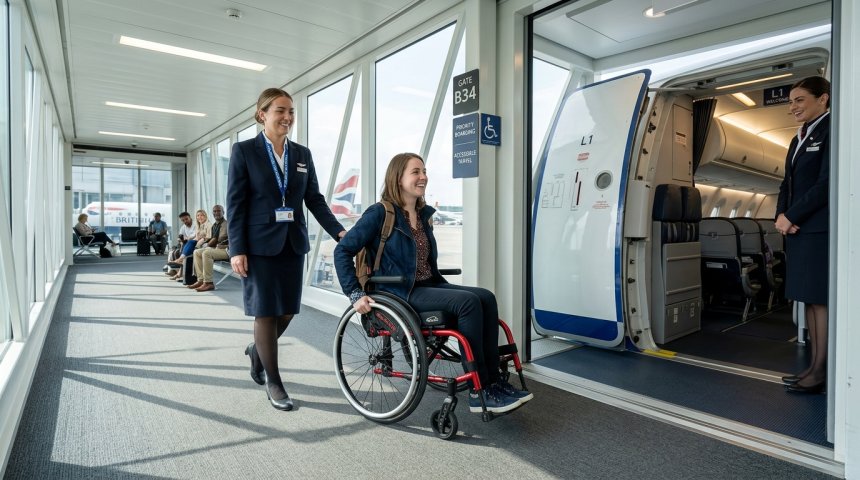
More than one in every 100 wheelchairs or scooters transported in domestic flight cargo compartments are damaged, delayed, or lost, according to data released by the U.S. Department of Transportation. This stark metric underlines the daily logistical hurdles faced by travelers with mobility equipment and disabilities across the United States. Traveling with a disability requires meticulous planning, an understanding of federal civil rights legislation, and the right gear to ensure comfort and safety.
Federal regulations, accessible travel products, and strategic preparation shape safe journeys for disabled travelers. Navigating the legal rules established by agencies such as the U.S. Department of Transportation provides a foundation for asserting traveler rights. Proper equipment management, digital accessibility standards, and practical on-the-ground strategies turn transit from a stressful gauntlet into a manageable experience.
The Legal Framework Governing Accessible Travel in the United States
The foundation of accessible commercial air transportation in the United States rests on the Air Carrier Access Act. Enacted on October 2, 1986, the Air Carrier Access Act prohibits discrimination on the basis of disability in air travel. Today, this legislation applies to all flights operated by U.S. airlines, as well as flights to or from the United States operated by foreign airlines.
Understanding how these rules protect passengers is important for anyone planning a trip. Under current Department of Transportation guidelines, airlines generally cannot require advance notice for standard disability accommodations. However, carriers may require up to 48 hours notice for certain specialized services that require preparation, such as providing hazardous materials packaging for certain types of battery-powered mobility devices or arranging onboard medical oxygen.
When disputes or operational challenges arise at the airport, passengers do not have to manage the situation alone. Airlines are legally required to employ a trained Complaints Resolution Official during operating hours. A Complaints Resolution Official is specifically trained to resolve disability-related complaints and must be available in person or by phone to address issues immediately. Travelers facing resistance or confusion from gate agents can request to speak with a Complaints Resolution Official to enforce their rights under the Air Carrier Access Act.
The regulatory environment continues to evolve through federal rulemaking and ongoing administrative actions. The Department of Transportation issued a final wheelchair-access rule addressing mishandled mobility aids, aircraft boarding and deplaning transfers, staff training, and related airline responsibilities. While legal challenges and subsequent administrative actions have delayed enforcement of certain provisions of that rule while the agency considers modifications through a new rulemaking, the baseline protections of the Air Carrier Access Act remain firmly in place for every passenger. Travelers can review detailed summaries and official consumer guides through the U.S. Department of Transportation Accessible Air Travel resources.
Required Gear and Products for Accessible Mobility
Choosing the right travel products can mean the difference between an independent trip and a frustrating ordeal. Mobility equipment must withstand the rigors of baggage handling, TSA security checkpoints, and varied terrain at destinations.
For manual wheelchair users, lightweight, folding models are often favored for ease of stowage. Under federal rules, aircraft with at least 100 seats must provide priority cabin closet space for at least one folding manual wheelchair. Passengers should request preboarding to ensure they can secure this space before general boarding fills the overhead bins and closets.
Power wheelchair and mobility scooter users face distinct mechanical challenges. Because cargo compartments subject equipment to shifting loads, pressure changes, and rough handling, protective measures are necessary. Travelers should photograph their mobility equipment from multiple angles before checking it at the gate. Having visual proof of the device's pre-trip condition helps if damage occurs during flight.
Additionally, carrying written assembly, disassembly, and stowage instructions attached directly to the device helps ramp workers and baggage handlers manage complex power chairs correctly. These instructions should explicitly detail how to disengage the motor, where the joystick is located, and how to handle or disconnect specific battery types.
Battery-powered mobility devices also require specialized timing. Passengers traveling with battery-powered wheelchairs should arrive at the airport one hour earlier than the airline's normal check-in time to allow for required battery inspections and security clearance protocols. Detailed advice on preparing assistive devices can be found in the U.S. Department of Transportation General Travel Tips for Persons with Disabilities.
Beyond wheelchairs, an accessible travel kit includes portable ramp sections, universal charging adapters for medical devices, tactile or visual communication cards, and seat cushion replacements for long periods of transit. Investing in heavy-duty travel bags specifically designed to protect footrests, armrests, and joystick controls reduces the risk of minor breakages that can ruin a vacation.
Digital Accessibility and Planning Resources
Before packing a single bag, most travelers plan their itineraries online. However, inaccessible websites and digital reservation systems can completely block people with disabilities from researching destinations, booking hotel rooms, or purchasing tickets.
Federal guidance states that inaccessible websites deny people with disabilities equal access to travel information and services. While older Department of Justice guidance established foundational principles for digital accommodation, newer federal web accessibility standards provide concrete technical benchmarks that public accommodations and travel providers must meet.
When researching destinations, travelers should utilize specialized travel guides and aggregator platforms that explicitly verify accessibility features. General booking engines often rely on self-reported hotel data, which can be notoriously inaccurate regarding roll-in showers, door frame widths, and elevator dimensions. Cross-referencing hotel listings with specialized accessibility networks and official tourism board resources helps prevent unpleasant surprises upon arrival.
Consumer guides covering wheelchair assistance, assistive devices, seating accommodations, and service animals are regularly updated by federal agencies. Travelers can access official planning materials directly through the U.S. Department of Transportation Traveling with a Disability portal.
Navigating Airports and Transit Hubs Successfully
Airports are massive, high-stress environments where physical fatigue can set in rapidly. Knowing how to handle security screening and terminal transfers streamlines the transit experience.
Transportation Security Administration screening procedures accommodate travelers with disabilities and medical conditions. Passengers do not need to remove shoes, belts, or light outerwear if doing so creates a stability or balance risk, though standard screening procedures like advanced imaging or pat-downs still apply. The TSA Cares helpline provides dedicated assistance for passengers needing extra support through the security checkpoint.
Once through security, moving between gates requires working closely with airline personnel. Passengers who request wheelchair assistance during booking should confirm the request at check-in. Airline-provided airport wheelchairs are operated either by airline staff or contracted service providers. Tipping wheelchair attendants is customary and appreciated for exceptional service.
Transferring from an airport wheelchair to an aisle chair—and ultimately to the aircraft seat—requires patience and clear communication. Aisle chairs are narrow, specialized wheelchairs designed to fit down the narrow aisles of commercial aircraft. Passengers should communicate their transfer preferences clearly to the boarding crew, specifying whether a lift assist is required and how best to handle sensitive joints or muscle tone.
For travelers who rely on service animals, proper documentation and preparation are critical. Airlines require specific Department of Transportation service animal forms attesting to the animal's health, training, and behavior. Ensuring these forms are submitted within the airline's required window prevents gate delays and boarding disputes. For broader context on civil rights enforcement and passenger protections across all modes of transport, review the U.S. Department of Transportation Air Travel Consumer Protection data.
Ground Transportation and Accommodation Strategies
Once a traveler arrives at their destination, air travel challenges give way to ground transportation and lodging realities. Relying solely on standard rental car agencies can lead to accessibility hurdles if adaptive vehicles are not reserved months in advance.
Renting wheelchair-accessible vans equipped with ramps or lifts requires booking through specialized rental providers. Major metropolitan airports typically feature a few accessible vehicle options, but smaller regional airports rarely stock them on-site. As a result, travelers must coordinate drop-offs and pick-ups carefully. Rideshare apps increasingly offer wheelchair-accessible vehicle options in major U.S. cities, though availability fluctuates wildly outside urban cores.
Hotel accommodations demand equal vigilance. In the United States, hotels must comply with accessibility standards under federal civil rights laws, ensuring a designated percentage of rooms feature roll-in showers, grab bars, visual fire alarms, and lowered peepholes. Despite these legal mandates, frontline hotel staff often misunderstand the difference between a standard accessible room with a bathtub and a true roll-in shower.
When booking lodging, travelers should call the specific property directly—rather than relying on a national toll-free reservation center—to speak with the front desk manager. Asking specific dimensional questions, such as the exact clearance under the sink or the presence of a shower bench, eliminates ambiguity. Travelers seeking technical standards for public accommodations and digital booking compliance can consult the U.S. Department of Justice ADA Web Guidance.
Overcoming Common Travel Obstacles and Emergency Preparedness
Even with exhaustive preparation, unexpected hurdles occur. Flight delays, missed connections, mechanical failures of mobility devices, and medical emergencies require a resilient mindset and a tactical backup plan.
When a mobility device is damaged or lost during a flight, the airline is legally responsible for repairing or replacing it with a comparable loaner device immediately. Travelers should file a mishandled property report with the airline baggage service desk before leaving the airport terminal. Documenting the damage with photographs and obtaining a written incident report strengthens subsequent compensation claims under Department of Transportation rules.
Carrying an emergency repair kit tailored to specific mobility equipment is a lifesaver. Basic tools, heavy-duty zip ties, duct tape, spare inner tubes for manual chairs, and portable tire inflators allow travelers to perform quick field fixes on minor mechanical failures. For power wheelchair users, keeping a manual disengagement tool handy ensures the chair can be pushed if electrical systems fail.
Medical emergencies away from home also require preparation. Travelers should carry a printed list of all medications, diagnoses, physician contacts, and insurance details in both physical and digital formats. Ensuring that health insurance policies cover out-of-network care or emergency medical evacuation adds a safety net for domestic and international trips alike.
Future Trends in Accessible Tourism and Infrastructure
The environment of accessible travel is shifting as technology, design standards, and demographic realities converge. An aging population across the United States is driving higher demand for barrier-free infrastructure, prompting travel brands to rethink how they design products and services.
Smart luggage, lightweight carbon-fiber mobility frames, and app-based navigation tools that map step-free routes through historic city centers are expanding what is possible for independent travelers. Airports and public transit authorities are slowly upgrading infrastructure, incorporating universal design principles that benefit not only wheelchair users, but also parents with strollers, travelers with heavy luggage, and older adults.
Regulatory oversight continues to push airlines and hospitality providers toward higher accountability. Continued advocacy from disability rights organizations ensures that accessibility remains a central priority rather than an afterthought. By staying informed about legal rights, investing in reliable gear, and planning carefully, travelers with disabilities can explore the United States with confidence and independence.
Frequently Asked Questions
What is the Air Carrier Access Act?
The Air Carrier Access Act is a federal law enacted on October 2, 1986, that prohibits discrimination against passengers with disabilities in commercial air transportation. It applies to all flights operated by U.S. airlines and flights to or from the U.S. by foreign airlines.
Can airlines require advance notice for disability accommodations?
Airlines generally cannot require advance notice for standard accommodations. However, they may require up to 48 hours notice for specialized services requiring preparation, such as hazardous materials packaging for certain battery-powered mobility devices or onboard medical oxygen.
What should I do if my wheelchair is damaged during a flight?
File a mishandled property report with the airline baggage service desk immediately before leaving the airport. Document the damage with photographs and obtain a written incident report, as airlines are responsible for repairing or replacing damaged mobility aids.
What is a Complaints Resolution Official?
A Complaints Resolution Official is an airline employee specially trained to resolve disability-related problems and disputes. Airlines are legally required to make a Complaints Resolution Official available during operating hours in person or by phone.
How should I prepare my power wheelchair for air travel?
Photograph the device from multiple angles before checking it, carry written assembly and stowage instructions attached to the frame, and arrive at the airport one hour earlier than normal check-in times to accommodate battery and security protocols.
Where can I find official U.S. government guides for accessible travel?
The U.S. Department of Transportation provides consumer guides covering wheelchair assistance, assistive devices, seating accommodations, and service animals through its official aviation consumer protection portal.
Federal Enforcement and Legal Protections for Travelers
Understanding the regulatory framework governing accessible travel empowers passengers to advocate for their rights during transit disputes. The basis of commercial aviation accessibility is the Air Carrier Access Act, enacted on October 2, 1986. Under current regulations, the ACAA applies to all flights operated by U.S. airlines, as well as international flights arriving at or departing from the United States on foreign carriers.
Despite these legal protections, compliance gaps persist across the travel industry. A prominent issue involves the safe handling of mobility devices. Federal data indicates that more than one in every 100 wheelchairs or scooters transported in domestic flight cargo compartments are damaged, delayed, or lost. This staggering failure rate prompted regulatory action, leading the U.S. Department of Transportation to issue a final rule addressing mishandled mobility aids, airport transfers, worker training, and airline liability. However, legal and administrative complexities remain. The Department of Transportation delayed enforcement of specific provisions of that wheelchair rule while considering modifications through new rulemakings. Travelers can track these evolving policies and review official implementation updates by consulting the U.S. Department of Transportation Federal Register Documents.
When disputes arise at the airport—such as a gate agent denying boarding to a service animal or staff mishandling an assistive device—passengers have an immediate recourse mechanism. Airlines are legally mandated to make a trained Complaints Resolution Official (CRO) available during all operating hours, either in person at the airport or via telephone. A CRO holds the authority to resolve disability-related complaints on behalf of the airline, and airline personnel must defer to a CRO's decision regarding disability accommodations. Travelers who encounter unresolved barriers can also file formal aviation civil rights complaints through the U.S. Department of Transportation Civil Rights Division.
Required Packing Checklists for Accessible Trips
Creating a customized packing checklist prevents stressful omissions and ensures self-sufficiency throughout a trip. Beyond standard clothing and toiletries, travelers with disabilities require gear tailored to their specific functional needs. Organizing items into distinct categories—mobility maintenance, digital backups, comfort aids, and medical essentials—streamlines the preparation process.
Mobility and Equipment Maintenance Kit
- Heavy-duty padded travel bags for wheelchair joysticks, footrests, and armrests - Laminated, written assembly, disassembly, and stowage instructions attached securely to the frame - Basic hand tools, allen wrenches, and heavy-duty zip ties for emergency hardware adjustments - Portable tire inflator, extra inner tubes, and puncture repair patches for manual chairs - Manual override tool or disengagement key for power wheelchair motors
Digital and Documentation Files
- Physical and digital copies of medical diagnoses, medication lists, and primary physician contact information - Printed confirmation numbers and direct phone numbers for accessible hotel front desks - Digital photographs of mobility equipment taken from multiple angles prior to airline check-in - Required U.S. Department of Transportation service animal documentation and health certification forms - Travel insurance policy details covering out-of-network care and medical repatriation
Transit Comfort and Personal Care Aids
- Portable gel or air seat cushions to prevent pressure sores during extended flights and car rides - Universal charging adapters and power banks for necessary medical devices, ventilators, or communication tablets - Tactile or visual communication flashcards for non-verbal travelers or those with hearing impairments - Disinfectant wipes and disposable medical gloves for hygienic equipment maintenance on the go - Spill-proof hydration systems and easy-to-access high-energy snacks for delayed transit connections
For details on technical requirements and safety procedures regarding assistive devices, passengers can review the guidance provided in the U.S. Department of Transportation Air Travel with an Assistive Device Pamphlet.
Building a Lifelong Accessible Travel Mindset
Transitioning into a confident, frequent accessible traveler requires patience, adaptability, and continuous learning. Every trip presents unique challenges—from moving through a historic train station with broken elevators to communicating with hotel staff who have never hosted a guest with complex mobility needs. Maintaining an assertive yet polite demeanor when asserting legal rights under federal accessibility statutes ensures that service providers take necessary accommodations seriously.
In addition, participating in travel accessibility communities, forums, and advocacy groups provides helpful peer insights. Fellow travelers offer real-world reviews of specific hotel chains, theme parks, national parks, and cruise lines that go far beyond sanitized marketing brochures. By sharing firsthand accounts of accessible pathways, responsive staff, and logistical hurdles, this collective knowledge base helps others avoid pitfalls and discover hidden gems across the United States.
Ultimately, barrier-free travel is not merely about checking boxes on a regulatory compliance list; it is about embracing spontaneity, expanding personal horizons, and experiencing the diverse cultural and natural landscapes of the country without limitation. With meticulous planning, reliable gear, and a firm grasp of consumer rights, the world remains open to every traveler.
Share
What's Your Reaction?
 Like
0
Like
0
 Dislike
0
Dislike
0
 Love
0
Love
0
 Funny
0
Funny
0
 Angry
0
Angry
0
 Sad
0
Sad
0
 Wow
0
Wow
0