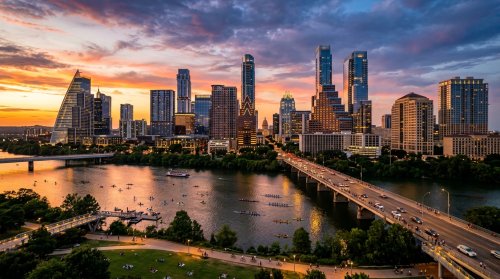
2026: Mastering Commercial Landscaping in NYC’s Toughest Sites
Discover why commercial landscaping in NYC is challenging in 2026 and learn proven ways to handle compliance, logistics, planning, and urban site care.

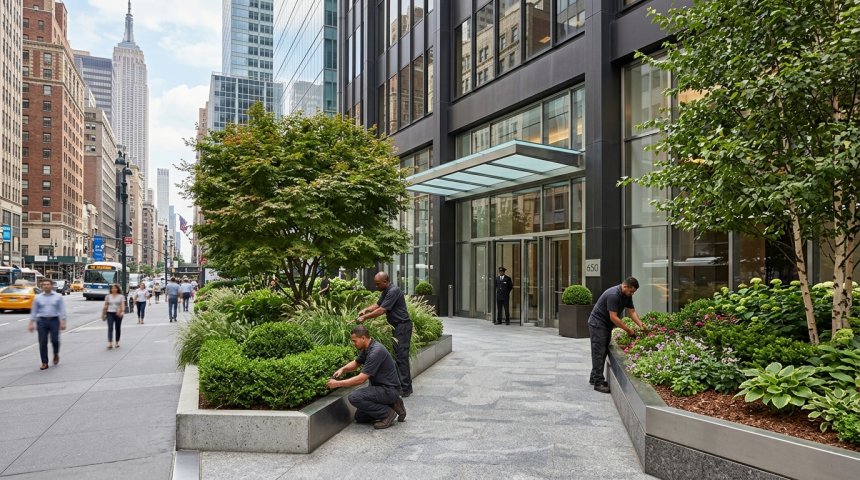
Quick Answer: Why Commercial Landscaping in New York City Demands More Than in Other Markets?
Yes, managing outdoor commercial spaces in New York City requires far more specialized regulatory compliance, logistics planning, and environmental management than standard suburban or secondary markets. Property owners and facility managers must manage strict municipal stormwater rules, compressed maintenance schedules, and specialized plant survival guidelines to keep grounds compliant. Unlike open-space suburban contexts, urban properties deal with heavy foot traffic, utility conflicts, and unique waste removal protocols that change routine site care into an engineering-adjacent discipline. Property managers should evaluate local regulations, utility clearances, disposal restrictions, pedestrian safety measures, microclimate realities, and maintenance frequencies before committing to a commercial contract.
Maintaining commercial greenery outside the five boroughs follows a familiar playbook of regular mowing, seasonal mulching, and standard irrigation checks. Move that same operation inside the boundaries of New York City, and every shovel stroke, pruning cut, and gallon of water operates under a dense blanket of municipal oversight. A property owner managing a corporate campus in a regional office park deals primarily with visual aesthetics and turf health. That exact same owner, operating an office tower or retail plaza in Manhattan, Queens, or Brooklyn, faces municipal code enforcement, stringent stormwater mandates, high-density pedestrian interactions, and severe spatial constraints. Commercial plant care here is not merely about curbside appeal; it is a complex operational task tied to civil engineering, environmental law, and strict municipal waste codes.
The distinct friction points that separate urban outdoor maintenance from conventional suburban property management stem from three realities: the physical environment, the regulatory burden, and the logistics of city streets. Urban soils are rarely true soils; they are compacted urban fill laden with construction debris, road salt, and heavy metals. Property spaces are constrained by subterranean utilities, loading docks, and narrow sidewalks. Municipal agencies hold commercial entities to strict performance standards regarding runoff and waste. Understanding these pressures explains why standard regional groundskeeping contracts fail in the nation's densest metropolis.
The Regulatory Framework Governing Urban Outdoor Spaces
Regulatory compliance drives every commercial decision in the municipal environment. Unlike private corporate parks where property managers enjoy broad autonomy over grounds changes, urban commercial parcels answer to multiple city departments. The Department of Environmental Protection, the Department of Sanitation, and the Department of City Planning all enforce rules that dictate how outdoor zones are designed, maintained, and altered.
Stormwater management represents a major regulatory hurdle. Property owners cannot simply grade a lot to shed rainwater into the nearest curb inlet without consequence. Under city policy, any development or redevelopment draining to a city sewer that disturbs 20,000 square feet or more of soil, or adds 5,000 square feet or more of impervious area, requires a specific stormwater permit. These mandates enforce retention-first landscaping principles. Facilities must use green infrastructure elements like bioswales, rain gardens, and permeable paving to capture rainfall onsite before it hits the overburdened municipal sewer network. Detailed guidelines for these installations are maintained on the NYC DEP Stormwater Permits page.
Commercial sites in designated Municipal Separate Storm Sewer System areas face even tighter scrutiny. The Industrial and Commercial Stormwater Program run by the Department of Environmental Protection brings routine inspections, strict record-keeping requirements, and enforcement actions to facilities that fail to prevent pollutants from entering runoff. Operational practices like overwatering, leaving grass clippings in gutters, and storing soil or mulch near drains can trigger violations. The official guidelines on preventing these infractions are outlined in the NYC DEP Stormwater Control Measures PDF.
Beyond water management, zoning codes impose direct physical mandates on commercial parcels. For instance, commercial developments or major enlargements that increase a zoning lot's floor area by 20 percent or more must install street trees under specific zoning provisions. The exact legal parameters for these tree-planting requirements are codified in the NYC Planning Zoning Resolution Article III Chapter 3. For parking facilities, zoning mandates even stricter engineering controls, requiring landscaped planting islands with at least two feet and six inches of certified soil depth, underlying gravel beds, filter fabric, and underdrains capable of clearing ponded water within twenty-four hours. These engineering thresholds can be reviewed directly in the NYC Planning Zoning Resolution Node 483.
Physical and Environmental Pressures on Urban Greenery
Plant life in the municipal core faces an uphill battle from day one. While suburban plants enjoy open root zones, consistent moisture, and unpolluted air, urban flora must survive amid exhaust fumes, de-icing salts, physical trauma from pedestrians, and heavily compacted earth. Official site-design manuals note that factors like restricted planting pits, limited sunlight blocked by towers, and radiant heat from asphalt reduce plant survival rates heavily compared to rural equivalents.
Soil conditions in dense urban environments rarely resemble natural loam. Decades of construction, utility excavation, and pedestrian compaction leave commercial planting beds starved of oxygen and organic matter. When landscaping crews attempt to plant shrubs or street trees in these settings, they often encounter subterranean obstacles such as utility lines, vaults, vaults doors, and foundation walls. Navigating these conflicts requires careful advance coordination to avoid hitting electric, gas, water, or telecommunications infrastructure. The historical planning considerations for these tight utility corridors are detailed in the NYC Sustainable Stormwater Management Plan.
Microclimates also create extreme stress for urban vegetation. The urban heat island effect drives summer temperatures higher than surrounding regions, baking exposed planters and turf areas. Conversely, narrow wind tunnels between high-rise buildings can snap young branches, strip moisture from foliage, and desiccate evergreens during winter freeze cycles. Vegetation in these settings cannot be selected simply for aesthetic preference; it must possess high tolerance for drought, wind shear, pollution, and restricted root space.
Despite these punishing conditions, healthy vegetation plays a central structural role in the city's climate resilience strategy. Documented urban design data indicates that shaded building surfaces and outdoor plazas can experience temperatures lower than unshaded hardscapes during peak summer heat waves. When commercial properties integrate green infrastructure, they help lower ambient temperatures while mitigating localized stormwater flooding. The detailed framework for these environmental benefits is outlined in the NYC DDC Site Design Manual.
Logistics, Access, and Maintenance Challenges
Operating commercial groundskeeping equipment in a high-density environment requires a level of logistical coordination entirely unknown to suburban contractors. Crews cannot simply park a heavy utility trailer across a four-lane avenue, unload loud gas-powered mowers at dawn, and leave grass clippings piled on the curb. Every phase of daily maintenance must account for traffic laws, parking restrictions, pedestrian safety, and noise ordinances.
Transportation of equipment and materials presents a constant hurdle. Commercial trucks and vans face severe parking limitations, congestion pricing zones, and restricted loading windows in commercial districts. Landscaping firms must often rely on hand trucks, compact electric equipment, and precisely timed delivery schedules to service properties without blocking traffic or incurring expensive parking tickets. Noise regulations restrict when crews can operate loud machinery like leaf blowers and commercial lawnmowers, pushing work windows into narrow timeframes.
Waste disposal is another area where municipal rules strictly separate urban operations from suburban norms. When a landscaping crew prunes trees, pulls weeds, or clears brush on a commercial suburban property, the green waste is often chipped onsite, bagged for municipal yard-waste pickup, or hauled to a local facility. In the city, commercial property managers and their contracted landscapers face strict disposal prohibitions. Plant waste generated by commercial landscaping operations cannot be placed for regular curbside municipal collection, nor can it be swept or dumped into streets, tree pits, or empty lots. All organic waste must be hauled away by licensed carters to permitted composting or processing facilities. The specific legal framework governing this waste handling is detailed by the Department of Sanitation on the NYC DSNY Commercial Landscapers Guidelines.
Managing public interaction is yet another daily reality for urban grounds teams. Commercial plazas, courtyards, and sidewalk planters exist in the public eye, often surrounded by heavy pedestrian foot traffic. Workers must stringently secure their job sites with cones, caution tape, and spotters to protect pedestrians from flying mulch, trimmer debris, and falling branches. Slips, trips, and falls on icy sidewalks or uneven pavers present major liability risks for commercial property owners, making winter ice management and pavement maintenance a critical extension of grounds care.
Financial Realities and Cost Structures
The cumulative weight of regulations, logistical hurdles, and specialized material needs translates directly into higher operational costs for urban property management. Commercial landscaping contracts in the city command pricing structures that reflect the true expense of working in a constrained environment. Property owners who attempt to apply suburban budgeting models to urban parcels invariably experience contractor friction, project delays, and regulatory violations.
Labor expenses constitute a major share of the budget differential. Urban landscaping crews require specialized training that goes beyond basic mowing and edging. Workers must understand municipal stormwater compliance, erosion control, urban forestry rules, and the careful maintenance required for engineered green roofs and bioretention cells. The prevailing wage framework, insurance requirements, and general cost of doing business in the metropolitan area push hourly rates well above regional averages.
Insurance and liability costs also reshape financial planning. Operating heavy machinery, scaling high-rise balconies for container plantings, and working directly over busy pedestrian thoroughfares require broad general liability policies with high coverage limits. Contractors must carry specialized endorsements for urban work, and any failure to protect pedestrians or prevent property damage can result in severe financial exposure.
Capital expenditures for initial design and installation are similarly elevated. Installing sustainable infrastructure—such as subsurface cisterns, modular soil suspension systems for street trees, or structural soils designed to bear vehicular loads while supporting root growth—requires engineered materials and specialized installation techniques. While these installations require a higher upfront investment, they protect property owners from recurring repair costs, municipal fines, and forced remediation orders.
Strategic Maintenance and Long-Term Asset Protection
Protecting outdoor commercial assets in the municipal core requires a proactive, year-round management strategy that anticipates environmental stress and regulatory shifts. Property owners cannot afford a reactive approach where grounds are only addressed when they begin to look unkempt. A successful urban landscaping program treats outdoor spaces as living infrastructure that requires constant monitoring, seasonal adjustments, and strict documentation.
Spring and summer operations focus heavily on irrigation management and weed control without violating stormwater prohibitions. Because urban planters dry out rapidly due to radiant heat, automated drip irrigation systems with smart weather sensors are increasingly standard. Crews must monitor these systems constantly to ensure zero runoff reaches the storm drains, as overspray and excess runoff carrying fertilizers or loose soil can trigger municipal pollution fines. The broader administrative oversight for these environmental protections is detailed on the NYC DEP Municipal Separate Storm Sewer System Page.
Autumn and winter operations shift toward structural pruning, salt damage mitigation, and winterization. De-icing products used on adjacent walkways can easily leach into planting beds, destroying root systems if not buffered with appropriate soil amendments or protective barriers. Contractors must apply alternative melting agents near sensitive greenery and flush planting beds thoroughly in the spring to leach accumulated sodium chlorides from the soil profile.
Documentation and record-keeping complete the operational loop. Because municipal agencies inspect commercial properties for compliance with stormwater and zoning mandates, facility managers must maintain logs of all landscaping activities, waste hauling receipts, stormwater basin cleanouts, and pesticide applications. Having these records readily available during an inspection changes possible enforcement actions into routine administrative clearances.
Frequently Asked Questions
Why are suburban landscaping contracts inadequate for urban commercial properties?
Suburban landscaping contracts focus primarily on aesthetics, routine turf maintenance, and open-space lawn care. Urban commercial properties operate under a dense web of municipal regulations, including strict stormwater management mandates, mandatory street tree zoning rules, specialized waste disposal laws, and heavy pedestrian traffic. Contractors working in urban environments must possess specialized knowledge of civil engineering elements like bioswales and permeable pavers, as well as the logistical capacity to manage equipment in high-density traffic zones.
What are the specific stormwater requirements for urban commercial landscapes?
Urban commercial properties that disturb 20,000 square feet or more of soil or add 5,000 square feet or more of impervious area must obtain a municipal stormwater permit. These regulations prioritize retention-first landscaping, requiring properties to capture and filter rainfall onsite using green infrastructure such as rain gardens, green roofs, and engineered bioretention basins to prevent the overloading of combined sewer systems.
How must commercial landscapers handle green waste within the city?
Commercial landscaping waste cannot be placed for regular curbside municipal collection, nor can it be dumped into tree pits, streets, or vacant lots. Professional landscapers must haul all organic debris, prunings, and yard waste using licensed commercial carters to permitted composting and processing facilities in accordance with sanitation regulations.
What zoning rules apply to commercial landscaping in urban developments?
Zoning codes frequently mandate specific landscaping installations based on property size, use, and expansion. For instance, commercial developments or enlargements that increase floor area by 20 percent or more must plant and maintain street trees. Parking facilities face rigorous requirements mandating minimum soil depths, gravel beds, filter fabric, and underdrains to ensure rapid drainage of ponded water.
Why do urban plants require specialized selection and maintenance?
Plant life in high-density urban settings faces severe environmental stressors, including compacted soils laden with construction fill, radiant heat from surrounding hardscapes, air pollution, road salt, restricted root zones, and wind tunnels created by high-rise buildings. Selecting appropriate vegetation requires choosing species with proven tolerance for drought, wind shear, and pollution to ensure long-term survival.
How do municipal agencies enforce environmental compliance on commercial sites?
Municipal bodies like the Department of Environmental Protection conduct routine inspections of commercial and industrial properties, particularly in designated stormwater management areas. Inspectors check for pollutant runoff, proper maintenance of green infrastructure, erosion controls, and adherence to waste management protocols, issuing violations and fines for operational practices that allow soil, debris, or chemical runoff to enter the city sewer system.
The Future of Urban Commercial Landscaping
As urban centers continue to dense up and climate patterns shift toward more extreme weather events, the role of commercial landscaping in the municipal core is undergoing a basic shift. Outdoor spaces are no longer viewed merely as ornamental buffers or passive green accents around office towers and retail complexes. Instead, they are recognized as civic infrastructure that directly impacts public health, stormwater management, and structural resilience. Property owners and facility managers who understand this shift are positioning their assets to weather regulatory crackdowns, environmental stress, and rising operational costs.
The convergence of stringent environmental rules and urban density means that property management teams must adopt forward-looking strategies. Integrating sensor technology, such as soil moisture monitors and smart irrigation controllers, allows maintenance crews to adjust water use while adhering to anti-runoff mandates. Similarly, specifying native, resilient plant varieties that can withstand heavy pollution, wind shear, and restricted root zones reduces replacement costs and ensures long-term asset health. The overarching guidelines for implementing these urban techniques are consistently updated through resources like the NYC Department of Environmental Protection Unified Stormwater Rule.
Ultimately, successful commercial landscaping in high-density environments demands a specialized blend of horticultural expertise, civil engineering awareness, and rigorous logistical planning. By moving beyond traditional suburban maintenance models and partnering with experienced urban contractors, property owners can turn regulatory hurdles into a competitive advantage, creating active, sustainable outdoor environments that improve property value for decades to come.
The Economic Value of High-Performance Urban Greenery
While the regulatory burdens, logistical constraints, and specialized maintenance requirements of urban commercial landscaping demand higher upfront and ongoing expenditures, these investments yield substantial financial and operational returns. Property owners and corporate tenants increasingly recognize that professionally managed, resilient outdoor spaces act as central commercial differentiators in a crowded real estate market. In a dense municipal environment where hardscapes dominate the visual setting, well-maintained plazas, green roofs, and courtyard installations command higher leasing premiums, attract credit-tenant retail and corporate occupants, and drive foot traffic to mixed-use developments.
Integrating sophisticated vegetation also serves a microclimate function. The cooling performance of urban greenery provides tangible energy-saving benefits for building operators. Vegetation provides shade and cooling, and shaded building surfaces can be cooler than peak temperatures on unshaded surfaces, as documented in municipal design studies like the NYC Department of Design and Construction Site-Design Manual. By lowering ambient temperatures around exterior walls and reducing the urban heat island effect immediately adjacent to the building envelope, landscaping lowers the cooling load on commercial HVAC systems during peak summer months. This reduction in energy consumption translates directly into lower utility expenditures over the lifespan of the property.
Integrating advanced green infrastructure shields property owners from the escalating financial liabilities associated with urban stormwater management. As municipal sewer systems face increased strain during heavy precipitation events, properties that fail to retain and manage stormwater onsite face steep fines, remediation orders, and possible litigation. Conversely, commercial sites equipped with functional, compliant bioretention systems, permeable pavements, and engineered green roofs demonstrate proactive environmental stewardship. This compliance record satisfies regulatory bodies and improves the property’s valuation during refinancing, asset acquisition, or corporate due diligence reviews.
Ultimately, viewing commercial landscaping as an indispensable component of property engineering rather than an optional cosmetic expense allows urban real estate operators to protect their investments, satisfy complex legal mandates, and cultivate enduring value within the metropolitan core.
Navigating Vendor Partnerships and Specialized Contracting
Selecting the right landscaping partner is the most consequential decision an urban property manager can make. In suburban markets, contracting often revolves around lowest-bid pricing for routine mowing, blowing, and seasonal planting rotations. This transactional mindset fails entirely within the municipal core. Because urban planting assets function as engineered stormwater controls, structural microclimate modifiers, and heavily regulated environmental installations, hiring a vendor requires a rigorous vetting process that mirrors the selection of mechanical or structural engineering firms.
Facility managers must verify that prospective contractors possess deep familiarity with local codes, including Department of Environmental Protection mandates, Department of Sanitation rules, and Department of Transportation logistical restrictions. A qualified urban contractor must employ certified horticulturists who understand the physiological limits of plants subjected to radiant heat, restricted soil volumes, and airborne pollutants. Field crews must be trained in erosion control protocols, proper waste hauling compliance, and the safe operation of equipment within tight urban footprints.
Contract structures must also evolve to reflect these realities. Standard maintenance agreements should be replaced by broad asset management contracts that include clear key performance indicators (KPIs) tied to environmental compliance, infrastructure health, and regulatory audit readiness. Transparent communication protocols between the property management team and the landscaping vendor ensure that seasonal shifts, unexpected municipal inspections, and emergency weather responses are handled smoothly without exposing the property to violations or operational downtime.
Summary Checklist for Urban Property Managers
To maintain compliance, protect asset value, and improve operational efficiency, urban facility managers should integrate the following checklist into their ongoing property management workflows:
- Stormwater Permit Tracking: Verify whether the property meets the threshold for a municipal stormwater permit—such as disturbing 20,000 square feet or more of soil or adding 5,000 square feet or more of impervious area—and ensure all green infrastructure functions as designed. Review current guidelines directly via the NYC DEP Stormwater Permits Page.
- Waste Disposal Compliance: Ensure all pruning debris, organic waste, and vegetation trimmings are handled by licensed commercial carters and hauled to permitted composting facilities, avoiding curbside violations or improper dumping. Review operational setups through the NYC DSNY Commercial Landscapers Page.
- Zoning and Street Tree Maintenance: Audit the property to confirm compliance with zoning mandates, such as providing required street trees when increasing floor area by 20 percent or more.
- Runoff and Irrigation Control: Inspect automated irrigation systems regularly to prevent overspray, pooling, and any illicit discharge of fertilizers or sediment into municipal storm drains.
- Meticulous Record-Keeping: Maintain an up-to-date archive of waste hauling receipts, stormwater basin cleanouts, pesticide application logs, and maintenance schedules to easily clear municipal inspections.
By treating commercial landscaping as a regulated branch of building engineering rather than an afterthought, property owners can safeguard their investments, mitigate environmental liabilities, and cultivate resilient, high-performing green assets for the long term.
Share
What's Your Reaction?
 Like
0
Like
0
 Dislike
0
Dislike
0
 Love
0
Love
0
 Funny
0
Funny
0
 Angry
0
Angry
0
 Sad
0
Sad
0
 Wow
0
Wow
0




.png)