The Ultimate Guide: Living in Austin, Texas in 2026
The ultimate guide to Austin, Texas! Discover why this booming tech hub is the top city to live, work, and thrive in 2026. Start your journey here.

Austin, Texas, is a city that defies simple categorization. It is a place where the quirky spirit of the Old West meets the high-octane energy of a modern global technology hub. As of 2026, Austin continues to hold its position as one of the fastest-growing metropolitan areas in the United States, consistently drawing in thousands of new residents every month. With a population that has surged past the two-million mark for the greater metro area, the city has evolved from a sleepy college town into a powerhouse of culture, commerce, and innovation. Whether you are moving for the career opportunities, the legendary music scene, or the promise of endless sunshine, understanding the rhythm of this city is key to making the most of your time here.
A Brief History of the Capital City
The story of Austin began long before it was the tech-savvy metropolis it is today. Originally named Waterloo, the city was renamed in honor of Stephen F. Austin, the "Father of Texas," when it was selected as the capital of the Republic of Texas in 1839. Its location, nestled between the rolling hills of the Texas Hill Country and the flat prairies to the east, provided a unique geographic advantage that has defined its character for nearly two centuries.
Throughout the 20th century, Austin maintained a reputation for being the intellectual and political center of the state, largely due to the presence of the University of Texas at Austin. The university provided a steady stream of talent, research, and youthful energy that eventually fueled the city's transformation into a technology corridor. By the early 2000s, this evolution had accelerated, turning Austin into the "Silicon Hills." Today, the city is home to major regional headquarters for some of the world's largest companies, all while fiercely protecting its "Keep Austin Weird" ethos.
The Economic Engine of Silicon Hills
The economic landscape of Austin in 2026 is nothing short of remarkable. While many cities struggled with post-pandemic transitions, Austin leveraged its educated workforce and business-friendly tax environment to attract a wave of corporate relocations. The tech sector is the undisputed heavyweight champion here, with major players in software development, semiconductor manufacturing, and artificial intelligence driving the local economy.
Beyond tech, the city has seen significant growth in the healthcare and bio-sciences sectors. The Dell Medical School, which opened its doors in the previous decade, has transformed the city into a hub for medical research and innovation. This diversification of the economy is a major reason why experts often point to Austin as a "recession-resistant" city. However, this growth has come with challenges. The cost of living, while still lower than coastal tech hubs like San Francisco or New York, has risen sharply. Housing affordability remains a primary topic of discussion in local government, with ongoing debates about zoning reform and transit-oriented development aimed at balancing growth with sustainability.
Neighborhoods and the Austin Lifestyle
One of the most important decisions for any newcomer is choosing the right neighborhood. Austin is a city of distinct "vibes," and where you live significantly impacts how you experience the city.
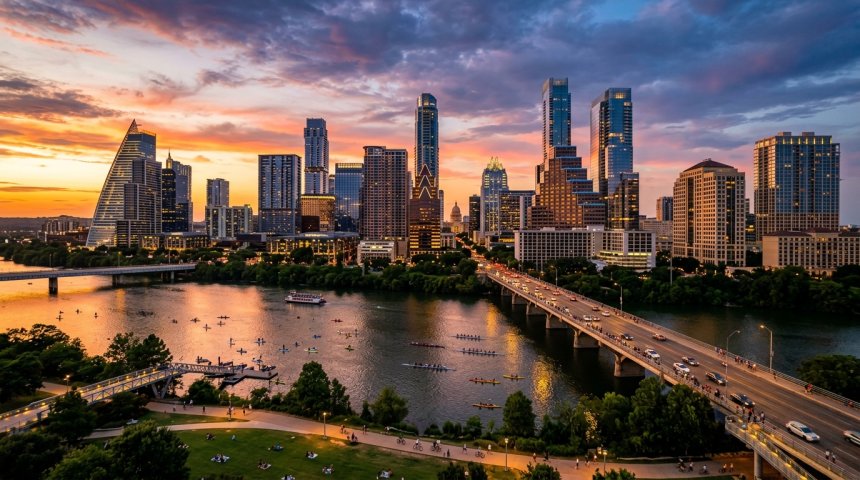
Downtown Austin is the heart of the action. It is a dense, vertical neighborhood characterized by high-rise condominiums, luxury apartments, and the iconic skyline that defines the city's growth. Living here means you are steps away from the nightlife of Sixth Street, the culinary delights of the Warehouse District, and the natural beauty of Lady Bird Lake. It is ideal for young professionals who want to skip the commute and be at the center of everything.
Moving slightly north, you find neighborhoods like Hyde Park and Rosedale. These areas are characterized by historic homes, tree-lined streets, and a slower, more community-focused pace. These neighborhoods are popular with families and academics who value the proximity to the university and the quiet, established feel of older Austin.
South of the river, the atmosphere shifts again. South Congress, often referred to as "SoCo," is the epitome of the Austin aesthetic. It is a mix of high-end boutiques, vintage shops, and legendary music venues like the Continental Club. The area has become a major destination for tourists, but it retains a strong local following, particularly among those who enjoy an active, outdoor-oriented lifestyle.
Further out, the suburbs of Cedar Park, Round Rock, and Pflugerville have become the go-to choices for those seeking more space. These areas have seen massive development in the last few years, offering top-tier school districts, expansive parks, and modern amenities that cater to the suburban family lifestyle.
The Pulse of the City: Music and Culture
It is impossible to talk about Austin without discussing music. The moniker "Live Music Capital of the World" is not just a marketing slogan; it is a way of life. From the intimate stages of legendary venues on the Red River Cultural District to the massive outdoor concerts at Zilker Park, music is woven into the city's DNA.
In 2026, the music scene has matured significantly. While the classic honky-tonks remain, there is a thriving scene for independent electronic, hip-hop, and experimental music. The annual South by Southwest (SXSW) festival remains the biggest cultural event of the year, acting as a global stage for film, interactive media, and music. However, locals know that the true spirit of Austin music is found on a Tuesday night at a small neighborhood bar, where a local singer-songwriter is performing to a crowd of regulars.
Beyond music, Austin has a deep appreciation for the arts. The Blanton Museum of Art and the Harry Ransom Center are world-class institutions that draw scholars and enthusiasts from across the globe. The city also hosts a variety of film festivals and art walks, ensuring that there is always something to explore for those with a creative bent.
Outdoor Living in the Texas Heat
Austin's geography is one of its greatest assets. The city is situated at the edge of the Texas Hill Country, offering residents access to some of the most beautiful landscapes in the state. Lady Bird Lake, which runs through the center of the city, is the focal point of outdoor activity. On any given weekend, you will see hundreds of people kayaking, paddleboarding, and rowing along the water.
The Ann and Roy Butler Hike-and-Bike Trail, which circles the lake, is the city's primary artery for exercise and social interaction. It is common to see residents running, cycling, or simply walking their dogs along the trail at all hours of the day. For those looking for something a bit more rugged, the Barton Creek Greenbelt offers miles of hiking and mountain biking trails that feel worlds away from the urban sprawl.
One of the most unique features of Austin is its commitment to natural swimming holes. Barton Springs Pool is a local treasure—a spring-fed pool that maintains a constant temperature of 68 degrees year-round. It is a place where people from all walks of life gather to escape the Texas heat, providing a level of social cohesion that is rare in modern American cities.
The Culinary Landscape: Beyond Barbecue
While Austin is world-famous for its barbecue—brisket that is smoked for 16 hours until it melts in your mouth—the city's food scene has evolved into something far more sophisticated. The "food truck culture," which took root here over a decade ago, has blossomed into a full-scale culinary movement. Many of the city's most innovative chefs started in trailers before opening permanent brick-and-mortar restaurants.
In 2026, the dining scene is defined by its diversity. You can find authentic street tacos that rival anything in Mexico, high-end farm-to-table restaurants that highlight the best of Texas Hill Country produce, and an array of international cuisines that reflect the city's growing global population. The focus is always on freshness and flavor, with a heavy emphasis on local sourcing.
Coffee culture is another massive part of the Austin lifestyle. The city is home to dozens of independent roasters and cafes, each with its own personality and community. For many Austinites, the day does not start until they have had their morning coffee at a local spot, often while catching up on emails or chatting with neighbors.
Navigating the Challenges of Growth
With rapid growth comes the inevitable struggle of infrastructure and affordability. Traffic in Austin is a well-documented issue, and for many residents, the daily commute is a significant part of life. While the city has invested heavily in public transportation, including recent expansions to the light rail system and bus networks, many residents remain car-dependent.
Housing affordability is the other major challenge. As property values have climbed, many long-time residents have found themselves priced out of neighborhoods they helped build. This has sparked intense political debate regarding the future of the city. Proposals for "missing middle" housing, which advocates for duplexes and townhomes in previously single-family-only zones, are at the center of these discussions. The goal is to create a city that is accessible to people of all income levels while maintaining the character that makes Austin special.
Sustainability is also a growing priority. The city has set ambitious goals for renewable energy and water conservation, recognizing that the long-term viability of the area depends on responsible growth management. From solar incentives to green building requirements, the city is actively trying to shape its future in a way that respects the environment.
Education and Intellectual Life
The University of Texas at Austin serves as the intellectual anchor of the city. With over 50,000 students and a massive research budget, the university is a major employer and a driver of innovation. Its influence can be felt in every corner of the city, from the bookstores and cafes that cater to students to the startups that spin out of university labs.
Beyond higher education, the public school districts in the Austin area are among the most highly regarded in the state. Families often choose their neighborhood based on school ratings, leading to competitive real estate markets in areas served by top-tier districts. This emphasis on education is one of the reasons why the city continues to attract highly skilled professionals from across the country.
The Future of Austin
As we look toward the latter half of the 2020s, Austin is at a crossroads. The city has successfully transitioned into a major player on the national stage, but it is now tasked with managing that success. The challenge for the next decade will be to foster innovation and economic growth without losing the soul of the city.
Austin's ability to reinvent itself has always been its greatest strength. From its roots as a frontier capital to its status as a tech hub, the city has shown a remarkable capacity for change. The key to its future will be maintaining the balance between progress and preservation. If the city can continue to support its creative community while managing its infrastructure and affordability, it will likely remain one of the most desirable places to live in the United States for years to come.
What is the best way to get around Austin?
The best way to get around Austin depends on where you live and work. While the city has a bus system and a growing light rail network, the vast majority of residents rely on cars for their daily commute. If you live in the downtown core, you can easily navigate by walking, cycling, or using rideshare services. However, if you live in the suburbs, a car is almost certainly necessary. Many locals suggest choosing a home that minimizes your time on the major highways, such as I-35 or MoPac, during rush hour.
Is Austin still considered an affordable place to live?
Compared to coastal hubs like San Francisco, Los Angeles, or New York, Austin is still relatively affordable, though this gap has narrowed significantly in recent years. Rent and home prices have risen sharply since 2020. While you can still find value in the outskirts of the city, the urban core has become quite expensive. It is important for anyone considering a move to Austin to research current market trends and factor in the higher cost of living compared to other parts of Texas.
What is the weather like in Austin throughout the year?
Austin experiences a humid subtropical climate, which means long, hot summers and mild, pleasant winters. The summer months, particularly July and August, can see temperatures consistently topping 100 degrees Fahrenheit. The spring and fall are widely considered the best times of year, with mild temperatures and beautiful blooming landscapes. Winter is generally mild, though occasional cold fronts can bring freezing temperatures for short periods.
What are the most popular outdoor activities in the city?
The most popular outdoor activities center around Lady Bird Lake and the surrounding parks. Kayaking, paddleboarding, and swimming at Barton Springs Pool are quintessential Austin experiences. Hiking and mountain biking at the Barton Creek Greenbelt are also incredibly popular. Because the city is so close to the Texas Hill Country, many residents also enjoy weekend trips to nearby state parks, wineries, and swimming holes like Jacob's Well.
What is the "Keep Austin Weird" movement all about?
"Keep Austin Weird" is a slogan that was adopted to promote local businesses and preserve the unique, non-conformist culture of the city. It serves as a reminder to prioritize independent shops, local artists, and the quirky, individualistic spirit that distinguishes Austin from more standardized urban environments. While the city has grown and become more corporate, the sentiment behind the slogan remains a point of local pride and a guiding principle for many community organizations.
Is Austin a good place for families with children?
Austin is widely considered an excellent place for families, thanks to its high-quality school districts, abundant parks, and family-friendly culture. The city offers a wide variety of activities for children, from the Thinkery children's museum to the numerous public pools and libraries. The suburban areas like Round Rock and Cedar Park are especially popular with families due to their focus on community amenities and safety.
Conclusion
Austin, Texas, is a city that offers a unique blend of opportunity and lifestyle. It is a place where you can work on the cutting edge of technology during the day and spend your evening listening to live music under the stars. While the city faces the growing pains of rapid expansion, its core values of creativity, community, and appreciation for the outdoors remain strong. For those who are looking for a vibrant, forward-thinking city that still knows how to relax, Austin is a destination that is hard to beat. As the city moves through 2026 and beyond, it will undoubtedly continue to evolve, but its status as a cultural and economic anchor of the American South is firmly secured. Whether you are a lifelong resident or a newcomer, there is always something new to discover in the heart of Texas. The spirit of the city is infectious, and for many, once they arrive, they find it difficult to imagine living anywhere else.
The Evolution of Austin’s Tech Ecosystem
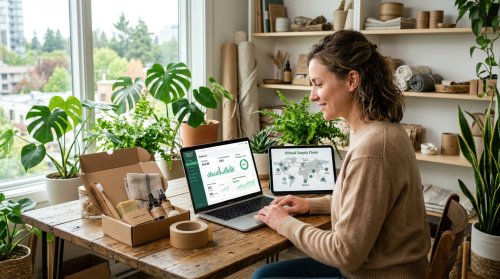
The transformation of Austin from a quiet college town into a global "Silicon Hills" powerhouse is one of the most significant economic stories of the 21st century. While the narrative often focuses on tech giants like Tesla, Oracle, and Apple establishing massive campuses, the true heartbeat of the city’s economy remains its startup ecosystem. Austin’s culture of "permissionless innovation"—the idea that you don’t need to wait for corporate approval to build something new—has fostered a unique breed of entrepreneur.
The city’s venture capital scene has matured significantly, moving away from a reliance on coastal investors to a robust, locally-based network of angel investors and seed funds. These groups often prioritize founders who embody the "Austin way": a mix of high-intensity productivity and a commitment to work-life balance. This ethos is reflected in the city’s co-working spaces, which are rarely just sterile office environments. Instead, they are hubs of social activity, featuring rooftop bars, indoor climbing walls, and communal kitchens that encourage serendipitous collisions between software engineers, graphic designers, and venture capitalists.
Furthermore, the integration of technology with traditional Texas industries—such as energy, agriculture, and healthcare—has created a "vertical" approach to innovation. Austin-based startups are not just building apps; they are tackling massive, real-world problems. Whether it is optimizing the Texas power grid, developing sustainable building materials for the booming construction market, or streamlining the complex logistics of the agricultural supply chain, Austin’s tech sector is deeply rooted in the practical realities of the American economy.
The Arts and Creative Economy: A City of Makers
While the tech industry commands headlines, the backbone of Austin’s cultural identity is its arts and creative community. Austin is a city of "makers"—people who build things with their hands, be it custom furniture, artisanal leather goods, or independent films. The city’s history as a hub for artists and musicians has created an infrastructure that supports creative endeavors at every level.
The Austin Film Society, founded by local legend Richard Linklater, remains a cornerstone of this scene. It provides a platform for independent filmmakers to showcase their work, learn from mentors, and access the resources necessary to bring their projects to life. This has turned Austin into a secondary hub for the film industry, often serving as a training ground for directors and producers who eventually go on to international acclaim.
In the realm of visual arts, the city’s galleries and public art installations are more than just decorative. They are central to the public discourse. From the vibrant murals in East Austin that document the city’s changing demographics to the rotating exhibits at The Contemporary Austin, the city uses art to grapple with its identity. The "East Austin Studio Tour," an annual event where hundreds of artists open their workspaces to the public, is a testament to the sheer density of creative talent in the city. It allows residents to walk into the studios of world-class painters, sculptors, and woodworkers, breaking down the barriers between the creator and the consumer.
The Role of Philanthropy and Civic Engagement
Austin’s growth has been matched by a maturing philanthropic landscape. As the city has become home to more high-net-worth individuals and successful corporate entities, there has been a concerted effort to ensure that the wealth generated by this growth is reinvested into the community.
Local nonprofits are tackling some of the city’s most pressing issues, from homelessness and food insecurity to educational equity. The "Austin Community Foundation" acts as a bridge, connecting donors with grassroots organizations that have the most impact on the ground. This culture of giving is not just limited to the wealthy; it is a pervasive social expectation. Volunteering is a common weekend activity, whether it’s helping out at the Central Texas Food Bank or participating in community garden clean-ups.
This sense of civic duty extends to the political sphere as well. Austin residents are famously engaged in local politics. City Council meetings are often packed with citizens who are deeply invested in the minutiae of zoning laws, public park maintenance, and school board policies. While this can lead to intense debates and, at times, political gridlock, it also ensures that the city’s leadership remains accountable to the people who live here. The "Austin spirit" is fundamentally a democratic one—a belief that every citizen has a role to play in shaping the future of their neighborhood.
Austin’s Seasonal Rhythms: A Lifestyle Guide
To truly understand Austin, one must understand how the city changes with the seasons. While the climate is often described as "hot and hotter," the seasonal rhythm is dictated by a calendar of events and outdoor opportunities.
Spring is, without question, the city’s peak. As the bluebonnets bloom across the Hill Country, the city comes alive with festivals like SXSW and the Austin Rodeo. This is the time when patio dining reaches its zenith; every restaurant with an outdoor space is filled with people enjoying the pleasant, breezy air. It is the perfect time for hiking the Greenbelt, as the creeks are typically flowing with water from the winter rains.
Summer is a time of endurance and adaptation. The heat is a shared experience that brings people together. Life in the summer revolves around the water: Barton Springs, Deep Eddy, and the various swimming holes along the Pedernales River. It is a slower time of year, where the focus shifts to evening activities. Once the sun dips below the horizon, the city’s nightlife—from the bars on Rainey Street to the live music venues on Red River—takes on a new energy.
Autumn brings a welcome reprieve. The "second spring" in October and November is when the city’s cultural calendar hits its stride again. The Austin City Limits Music Festival (ACL) defines this season, drawing hundreds of thousands of people to Zilker Park. The weather is cool enough for long bike rides and outdoor picnics, and the city’s parks are filled with families and friends enjoying the mild temperatures.
Winter is short and often mild, but it is a time when the city feels most local. With the influx of tourists reduced, the restaurants, coffee shops, and trails feel like they belong to the residents again. It’s the time for fireside chats, visiting the local holiday markets, and enjoying the quiet beauty of the Texas winter landscape, which, despite the lack of snow, has its own stark, golden charm.
The Future of Infrastructure: Connecting the City
The debate over how to move people through Austin is ongoing, and it is the single most important factor for the city’s long-term success. The "Project Connect" initiative represents the most ambitious attempt in the city’s history to overhaul its transit system. By introducing a light rail system that connects the northern, central, and southern corridors, the city hopes to break the cycle of highway congestion.
But infrastructure is about more than just trains and buses; it is about the "last mile." The city has made massive investments in protected bike lanes and pedestrian-friendly streetscapes. In neighborhoods like Mueller, which was built on the site of the old airport, the design philosophy is centered on walkability. By mixing residential, commercial, and green space, the city is creating a blueprint for how future urban development can look. These "urban villages" are becoming the preferred model for new growth, allowing residents to live, work, and play without ever needing to touch a steering wheel.
A Final Word on the "Austin Experience"
Ultimately, Austin is more than a list of statistics or a collection of neighborhoods. It is a feeling. It is the smell of smoked brisket on a Sunday afternoon, the sound of a blues guitar drifting out of an open doorway on South Congress, and the sight of the sun setting over the Capitol dome. It is a city that invites you to participate in its creation. Whether you are launching a startup, writing a book, or simply looking for a place where you can be yourself, Austin offers a unique canvas.
The city’s greatest asset is its people—a diverse, driven, and welcoming group that has managed to maintain a sense of community despite the pressures of rapid growth. As long as the city keeps its heart centered on its people and its values, it will continue to be a beacon for those seeking a life that is both productive and profoundly enjoyable. The journey of Austin is far from over; it is just beginning its next, most exciting chapter. If you find yourself drawn to this city, don't hesitate. Come for the music, stay for the food, and fall in love with the spirit of the Texas capital.
Share
What's Your Reaction?
 Like
0
Like
0
 Dislike
0
Dislike
0
 Love
0
Love
0
 Funny
0
Funny
0
 Angry
0
Angry
0
 Sad
0
Sad
0
 Wow
0
Wow
0