Enchanting 2026 Guide: Charleston, South Carolina Travel
The timeless allure of Charleston, South Carolina in 2026. Discover historic charm, top attractions, and the best Lowcountry cuisine in this travel guide.

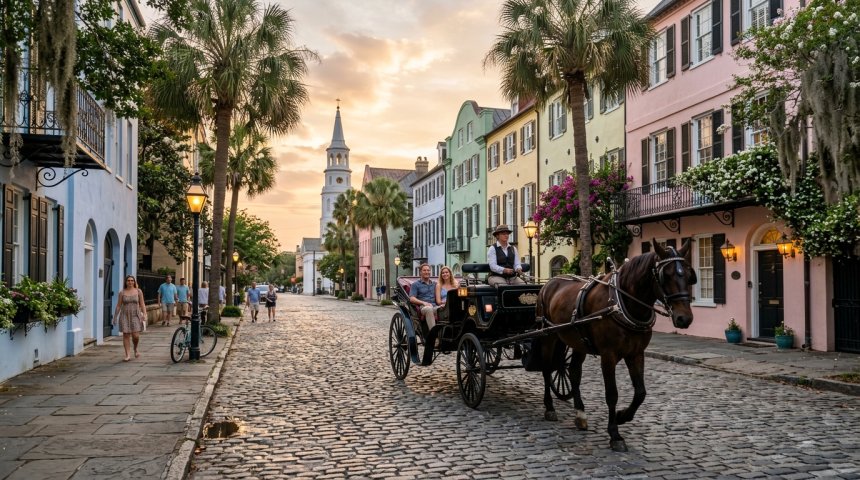
Charleston, South Carolina, is a city where time seems to fold in on itself. Recent tourism data from early 2026 indicates that over seven million visitors choose this historic peninsula as their primary destination annually, drawn by a unique blend of Southern hospitality, architectural preservation, and a culinary scene that currently ranks among the most influential in the United States. Walking through the cobblestone streets of the French Quarter, one is not merely observing a city but stepping into a living museum that manages to stay vibrant, modern, and undeniably relevant in the contemporary era.
A Legacy Carved in Stone and Salt
The story of Charleston began in 1670 when English settlers established Charles Town at the confluence of the Ashley and Cooper rivers. Named in honor of King Charles II, the city quickly grew into one of the wealthiest and most important ports in the American colonies. Its geography, defined by its proximity to the Atlantic Ocean and its complex network of tidal creeks, dictated its growth, its economy, and eventually its complex social history.
Today, the city’s identity is inextricably linked to its architecture. The "Charleston Single House," a unique residential style characterized by its narrow profile, side porches, and deep gardens, stands as a testament to the city's ingenuity in maximizing cooling breezes during hot, humid summers. These structures are not relics; they are the heart of the city’s residential life. Preservationists have worked tirelessly since the mid-20th century to ensure that the skyline remains dominated by church steeples rather than glass towers, creating an aesthetic harmony that is rare in modern American urban planning.
The Culinary Renaissance of the Lowcountry
If architecture is the body of Charleston, its food is undoubtedly its soul. The Lowcountry cuisine found here is a sophisticated marriage of African, Caribbean, French, and English culinary traditions. In 2026, the city’s reputation as a gastronomic powerhouse is stronger than ever. Local chefs have mastered the art of elevating humble ingredients—grits, okra, collard greens, and fresh-caught seafood—into fine dining experiences that attract critics from across the globe.
A visit to Charleston is incomplete without sampling authentic she-crab soup, a decadent, cream-based dish that reflects the region’s abundance of blue crab. Furthermore, the revival of heirloom crops like Carolina Gold rice has allowed local farmers and restaurateurs to reconnect with the agricultural history of the surrounding plantations. This farm-to-table philosophy is not a trend in Charleston; it is a return to the city's original way of life.
Navigating the Historic Peninsula
For the first-time visitor, the sheer density of history can be overwhelming. The most effective way to experience the city is by foot. Starting at the Battery, a defensive seawall that offers panoramic views of the harbor and Fort Sumter, visitors can walk north through White Point Garden. The massive live oaks, draped in Spanish moss, provide a natural canopy that feels almost prehistoric.
As one moves inland toward Broad Street, the character of the city shifts from the grand estates of the waterfront to the commercial and legal hubs that have defined the city’s professional life for centuries. The Four Corners of Law—a famous intersection featuring the City Hall, the County Courthouse, the U.S. Post Office and Federal Court, and St. Michael’s Church—symbolizes the intersection of civic, religious, and judicial authority that has governed Charleston since its inception.
The Role of Tourism and Economic Growth in 2026
The economic landscape of Charleston has shifted significantly over the past decade. While tourism remains a pillar of the economy, the city has successfully diversified into technology, aerospace, and medical research. This balance is crucial for the city’s long-term sustainability. Local leaders emphasize that by spreading the economic base, Charleston can better protect its historic core from the pressures of over-commercialization.
In 2026, the city government has implemented stricter regulations on short-term rentals to ensure that the historic neighborhoods remain residential communities rather than purely tourist zones. This move has been widely praised by residents who value the authentic atmosphere that defines the peninsula. It serves as a model for other historic cities struggling to balance the influx of visitors with the needs of their permanent citizenry.
Exploring the Surrounding Lowcountry
While the peninsula is the center of attention, the surrounding Lowcountry offers a deeper understanding of the region’s ecology and history. Towns like Mount Pleasant, Sullivan’s Island, and Folly Beach provide a different perspective on the area. Mount Pleasant, in particular, has seen explosive growth as a residential suburb, yet it maintains its connection to the sea through the historic Old Village and the shrimp docks at Shem Creek.
The barrier islands are essential for understanding the coastal vulnerability of the region. As sea levels continue to be a topic of urgent discussion in 2026, the local efforts to restore salt marshes and oyster reefs have become vital. These natural barriers not only protect the coastline from storm surges but also act as natural filters for the water, maintaining the health of the local ecosystem.
Arts, Culture, and the Spoleto Festival
Charleston is not a city that rests on its colonial laurels. It is a hub for contemporary art, music, and theater. The Spoleto Festival USA, held annually in late spring, transforms the city into a global stage. Artists from all over the world descend upon Charleston to perform in historic theaters, churches, and outdoor spaces. It is a period where the city’s traditional charm is infused with avant-garde energy, proving that Charleston is a place where history and modernity are not in conflict, but in conversation.
The local gallery scene, particularly along Broad Street, showcases the work of Southern impressionists and modern artists who draw inspiration from the unique light and landscape of the coastal South. This commitment to the arts ensures that the city remains a magnet for creative professionals, further enriching the cultural fabric of the region.
The Challenges of Climate and Preservation
Like many coastal cities, Charleston faces existential challenges. The combination of high-tide flooding and rising sea levels has forced the city to invest heavily in infrastructure. The "Dutch Dialogues," a series of planning initiatives, have guided the city’s approach to water management. By integrating green spaces that can handle excess water with traditional engineering solutions, the city is attempting to rewrite the script for coastal survival.
Preservation in 2026 is no longer just about saving buildings; it is about saving the land itself. This dual approach—protecting the physical structures of the past while engineering for the environmental realities of the future—is what makes Charleston a leader in resilient urban design. It is a test case for how a historic city can adapt without sacrificing its soul.
The Importance of Community and Hospitality
The term "Southern Hospitality" is often used as a marketing tool, but in Charleston, it is a social contract. There is a genuine warmth in how residents interact with one another and with newcomers. This community spirit is most visible in the city's many markets and public squares. The Charleston City Market, spanning several blocks, has been a gathering place for traders and locals for over two centuries. Today, it is where Gullah basket weavers continue a tradition passed down through generations, creating intricate works of art from sweetgrass.
This commitment to craft and heritage is what sets Charleston apart from other major cities. It is a place where people value the story behind an object or a dish. This creates a sense of belonging that is rare in today’s fast-paced world, allowing visitors to feel as though they have discovered something timeless and personal.
Education and Intellectual Life
Charleston is also a city of deep intellectual history. The College of Charleston, founded in 1770, serves as the academic heart of the peninsula. Its campus, integrated seamlessly into the historic district, provides a youthful energy that balances the city’s venerable past. The presence of a vibrant student body ensures that the city remains intellectually curious and politically active.
Furthermore, the city’s libraries and research institutions hold vast archives of American history, attracting scholars from across the globe. This academic depth adds another layer to the visitor experience. Whether one is interested in the history of the American Revolution, the complexities of the Civil War, or the evolution of maritime law, Charleston provides primary access to the documents and sites that shaped the nation.
Architecture: A Visual Timeline
To walk through Charleston is to walk through a timeline of American architectural development. From the Georgian symmetry of the early 18th century to the Federal style of the post-Revolutionary era, and the ornate Victorian flourishes that followed, the city contains a complete record of changing tastes. The preservation movement, which began in earnest in the early 20th century, has ensured that these buildings are not just facades.
Many of the historic homes are open to the public, offering a glimpse into the domestic lives of the city’s past inhabitants. These tours are often led by local experts who provide context not just on the furniture and art, but on the enslaved individuals whose labor made such lifestyles possible. Acknowledging this history is a central part of the modern Charleston experience, as the city continues to grapple with its past to build a more inclusive future.
The Natural Beauty of the Coastal Lowcountry
Beyond the city limits, the landscape of the Lowcountry is defined by its vast salt marshes and maritime forests. These areas are protected by various conservation trusts, ensuring that the natural beauty that inspired generations of writers and artists remains intact. Birdwatching, kayaking, and fishing are popular activities that allow visitors to experience the region’s biodiversity.
The interaction between the land and the water is the defining feature of the Lowcountry. During the golden hour, when the sun sets over the marshes, the water turns into a mirror reflecting the vibrant colors of the sky. It is a moment of profound peace that highlights why so many people choose to make this region their home.
Culinary Traditions: Beyond the Basics
While she-crab soup and grits are staples, the culinary scene in 2026 is pushing boundaries. There is a growing focus on sustainable seafood, with local chefs working closely with fishermen to promote underutilized species. This helps to reduce the pressure on popular stocks and ensures the long-term health of the harbor.
Additionally, the influence of international flavors is becoming more pronounced. From high-end sushi that incorporates local catch to Mediterranean-inspired dishes that highlight the produce of the South Carolina interior, the food scene is a reflection of the city’s status as a global destination. The fusion of tradition and innovation is what keeps the culinary scene fresh and exciting for locals and visitors alike.
The Future of Charleston
As we look toward the latter half of the 2020s, Charleston stands at a crossroads. The city is growing, and with growth comes the challenge of maintaining the very qualities that make it desirable. The focus on sustainable development, historical preservation, and economic diversity suggests that the city is well-prepared for the future.
The residents of Charleston take great pride in their city, and this collective stewardship is the best guarantee of its continued success. By valuing its history while embracing the necessity of change, Charleston remains a beacon of culture and beauty in the American South. It is a city that invites you to slow down, look closer, and appreciate the layers of history that define every street corner.
Why is Charleston so popular?
Charleston is popular because it offers a unique combination of historical authenticity, world-class culinary experiences, and a stunning coastal environment. Unlike many cities that have traded their character for modern development, Charleston has preserved its colonial-era architecture and small-town charm while providing the amenities of a major tourist destination. The city’s ability to maintain a slow, welcoming pace of life in a fast-paced world is a major draw for visitors seeking a genuine travel experience.
What is the best time of year to visit?
The best time to visit Charleston depends on what you are looking for. Spring (March to May) is arguably the most popular time, as the azaleas and dogwoods are in bloom, and the weather is mild. Fall (September to November) is also excellent, offering comfortable temperatures and a vibrant cultural calendar. Summer can be very hot and humid, but it is also the time when the local beaches are at their best. Early 2026 trends suggest that shoulder seasons are becoming increasingly popular as visitors look to avoid peak crowds.
How does the city handle flood risks?
Charleston takes its flood risks very seriously, especially given its low-lying geography. The city has invested millions in drainage improvements, the installation of backflow prevention valves, and the construction of new pump stations. Furthermore, the city’s "Dutch Dialogues" initiative focuses on living with water by creating green spaces that double as flood storage. While the risk remains, the city is widely considered a pioneer in coastal adaptation and resilient urban planning.
What is Gullah culture?
Gullah culture is the distinctive culture of the African American people living in the coastal areas of South Carolina and Georgia. It is characterized by the preservation of African linguistic, artistic, and culinary traditions that were maintained by enslaved people on isolated plantations. In Charleston, this is most visible in the sweetgrass baskets, which are a direct lineage to West African weaving techniques. Visitors are encouraged to learn about Gullah history through local tours and museums to better understand the deep roots of the region's culture.
Is Charleston a good place for families?
Yes, Charleston is an excellent destination for families. Beyond the historical tours, there are numerous parks, such as the Waterfront Park with its iconic Pineapple Fountain, where children can play. The South Carolina Aquarium is a major attraction that focuses on local marine life, and the nearby beaches offer plenty of space for recreation. Many of the city's restaurants are family-friendly, and the overall atmosphere is welcoming and safe for travelers of all ages.
What should I pack for a trip to Charleston?
Packing for Charleston requires a focus on comfort and versatility. During the warmer months, lightweight, breathable fabrics are essential to handle the humidity. Comfortable walking shoes are a must, as the city’s cobblestone streets are not friendly to heels or stiff footwear. If you plan to visit in the spring or fall, layering is key, as the evenings can get cool. Because the city has a sophisticated dining scene, most visitors choose to pack "smart casual" attire for dinners, which is perfectly appropriate for almost all venues.
Conclusion
Charleston, South Carolina, remains a testament to the power of preservation and the importance of place. In a world that is increasingly homogenized, this city stands out for its commitment to its own unique identity. Whether one is walking the Battery at sunrise, enjoying a meal of fresh local seafood, or learning about the complex history of the Lowcountry, Charleston offers an experience that is both educational and deeply restorative.
As we move through 2026, the city continues to evolve, balancing the needs of its growing population with the duty to protect its historic legacy. For the visitor, this means that every trip to Charleston offers something new to discover. It is a place where the past is always present, the food is always memorable, and the hospitality is always genuine. Whether you come for the architecture, the history, or the simple pleasure of a walk along the harbor, Charleston is a city that will leave a lasting impression on your spirit. It is, by all accounts, one of the most remarkable destinations in the United States, and its allure shows no signs of fading.
The Evolution of Charleston’s Arts and Culture Scene
While the city’s historic architecture is its most famous visual feature, Charleston’s contemporary arts scene is equally compelling. Over the last decade, the city has transitioned from being primarily a historical museum-style destination to a hub for modern creativity. This shift is best exemplified by the annual Spoleto Festival USA, which transforms the city into a global stage for opera, dance, theater, and jazz each spring. Founded in 1977, the festival brings world-class performers to the city’s historic venues, creating a dynamic contrast between the age of the buildings and the avant-garde nature of the performances.
Beyond the festival, the local gallery scene has exploded. Areas like the French Quarter and the corridors along King Street have become centers for contemporary art, featuring everything from traditional Southern landscape painting to provocative modern installations. The city’s commitment to the arts is also visible in the public realm, where murals and sculptures are increasingly integrated into the streetscape, reflecting the diverse voices of the community. This infusion of new ideas ensures that Charleston does not feel like a static relic, but rather a living, breathing entity that continues to create culture rather than just curate it.
The Role of Religion and Spirituality in the Holy City
Charleston is famously known as the "Holy City," a moniker derived from the high density of church steeples that punctuate its skyline. This name is not merely historical; it speaks to the integral role that faith and spirituality have played in the city’s social fabric since its founding in 1670. The religious landscape of Charleston is remarkably diverse, reflecting the various immigrant groups—Huguenots, Sephardic Jews, English Anglicans, and enslaved Africans—who brought their own traditions to the peninsula.
The historic sanctuaries, such as the Cathedral of St. John the Baptist or the Kahal Kadosh Beth Elohim, are not just architectural landmarks; they are active centers of community life. Many of these institutions have played pivotal roles in social justice movements throughout the city’s history, providing a forum for moral discourse and community support. For the visitor, touring these spaces offers a deeper understanding of the values that have sustained the city through wars, natural disasters, and economic shifts. It is a reminder that the "Holy City" is defined not just by its buildings, but by the resilience and faith of the people who have worshipped within them for over 350 years.
Navigating the Peninsula: Practical Tips for the Modern Traveler
As the city becomes more popular, navigating Charleston efficiently is key to a stress-free experience. While the historic district is highly walkable, the charm of the cobblestone streets can be tiring after a full day of sightseeing. Utilizing the free DASH trolley service is an excellent way to cover more ground without the hassle of navigating narrow streets by car. The trolley routes are designed to connect the major points of interest, including the City Market, the Battery, and the shopping districts on King Street.
For those who want to explore beyond the peninsula, renting a bicycle is perhaps the best mode of transport. Charleston is relatively flat, making it ideal for cycling, and the city has been steadily increasing its bike-lane infrastructure. A bike allows you to reach the residential areas of Harleston Village or the trendy shops in Cannonborough/Elliotborough with ease, providing a perspective of the city that you simply cannot get from inside a vehicle.
Furthermore, when planning your dining, it is highly recommended to make reservations well in advance. Charleston’s culinary reputation is well-deserved, and the best restaurants fill up weeks, sometimes months, ahead of time. If you are unable to secure a table at a top-tier restaurant, do not despair; the city is filled with hidden gems and "hole-in-the-wall" establishments that serve food just as delicious as the more famous venues. Often, the most memorable meal is the one you find by wandering a few blocks off the main tourist thoroughfares.
Environmental Stewardship and the Future of the Coast
The relationship between Charleston and the sea is a complex one. While the Atlantic Ocean has provided the city with its wealth and beauty, it also presents the greatest challenge to its future. The concept of "resilience" has become a buzzword in local government and urban planning circles, but in Charleston, it is a matter of survival. The city’s approach to climate change is unique; rather than attempting to wall itself off from the water, it is learning to incorporate it.
Projects like the redesign of the Low Battery seawall are massive undertakings that aim to protect the city from storm surges while enhancing the public’s access to the waterfront. This dual approach—protecting the past while preparing for the future—is the hallmark of Charleston’s current leadership. Residents and business owners are also doing their part, with a strong focus on reducing single-use plastics and supporting local farmers who utilize regenerative agricultural practices. This collective effort is essential to ensuring that the salt marshes and maritime forests remain healthy for generations to come.
The Significance of Charleston in the American Narrative
To understand the United States, one must understand Charleston. The city serves as a microcosm of the American experience, encompassing the heights of prosperity, the depths of systemic injustice, and the ongoing struggle for reconciliation. It is the site where the first shots of the Civil War were fired at Fort Sumter, and it is a place where the history of the transatlantic slave trade is starkly visible.
However, Charleston is also a place of immense progress. The International African American Museum, located at the site of Gadsden’s Wharf, stands as a powerful testament to this history. It provides a necessary, honest, and moving account of the enslaved people who arrived on these shores and their profound contributions to the nation’s growth. Visiting this site is not merely an educational experience; it is an emotional and moral imperative for anyone seeking to engage with the city’s identity. By confronting its past, Charleston is positioning itself as a leader in the national conversation about race, memory, and the path toward a more equitable future.
Embracing the "Slow" Philosophy
Perhaps the most valuable lesson a visitor can take away from Charleston is the importance of slowing down. In our modern, hyper-connected lives, we are often conditioned to tick items off a list, rushing from one attraction to the next. Charleston, however, resists this pace. Its streets are meant for meandering, its porches are meant for lingering, and its meals are meant for savoring.
When you allow yourself to adopt the local pace, you begin to notice the details: the way the light filters through the Spanish moss on the live oaks, the sound of the church bells ringing across the rooftops, and the subtle variations in the scent of the sea breeze. These are the moments that define a trip to Charleston. It is a place that rewards those who stop to look, listen, and breathe.
In the final analysis, Charleston is not just a destination you visit; it is a destination you feel. It leaves an imprint on your senses and a longing in your heart to return. As the city navigates the complexities of the 21st century, it remains a sanctuary of style, substance, and soul. Whether you are a first-time visitor or a frequent traveler, there is always a new layer to peel back, a new story to hear, and a new reason to fall in love with this singular Southern treasure. Charleston is, and will always be, a living testament to the endurance of beauty and the power of heritage.
Share
What's Your Reaction?
 Like
0
Like
0
 Dislike
0
Dislike
0
 Love
0
Love
0
 Funny
0
Funny
0
 Angry
0
Angry
0
 Sad
0
Sad
0
 Wow
0
Wow
0