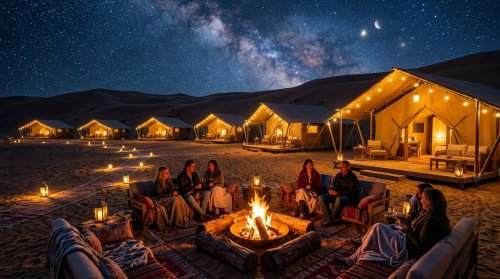
Relentless 2026 Guide: Launch Your Overlanding Ecommerce Store
The ultimate guide to launching an overlanding & off-road ecommerce store in 2026. Learn to curate gear, build your brand, and scale for success.

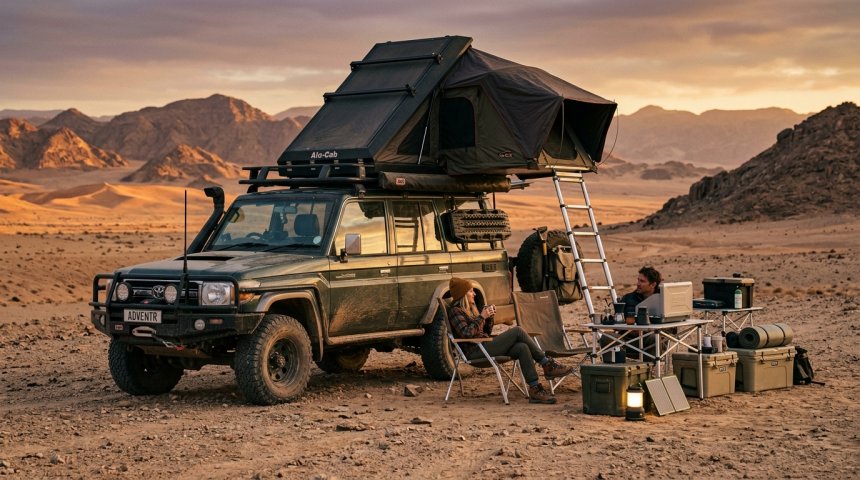
The global adventure tourism market is currently experiencing an unprecedented surge, with recent industry reports indicating that the overlanding sector alone has grown by over 15% annually heading into 2026. As more travelers trade the traditional resort experience for the freedom of remote trails and self-sufficient camping, the demand for high-quality, durable, and specialized gear has reached an all-time high. For entrepreneurs looking to enter the niche of off-road ecommerce, this represents a golden opportunity. However, the market is no longer just about selling winches and roof racks; it is about building a brand that resonates with the rugged, adventurous spirit of the modern explorer.
Understanding the Overlanding Niche
Overlanding is defined by the journey rather than the destination. Unlike traditional off-roading, which often focuses on technical driving challenges, overlanding is about long-term travel, self-reliance, and exploring remote landscapes. Customers in this space are not looking for cheap, disposable products. They are looking for reliability. When a customer is three hundred miles from the nearest paved road, their equipment becomes their lifeline.
Success in this ecommerce niche requires a deep understanding of the "rig" culture. Whether your target customer is building out a full-size 4x4, a nimble adventure van, or a specialized trailer, they view their vehicle as an extension of their lifestyle. To succeed as an ecommerce retailer, you must position yourself not just as a seller, but as an expert curator of gear that survives the harshest conditions on Earth.
Building Your Ecommerce Platform for the Off-Road Market
In 2026, your website is your digital showroom. Because overlanding gear is often expensive and technically complex, your platform must prioritize user experience, trust, and mobile responsiveness. Many of your customers will be browsing gear while sitting by a campfire or scouting a remote location on their phones.
Your store needs to feature high-quality imagery, detailed specifications, and, most importantly, real-world testing data. If you are selling a suspension kit, do not just list the part number. Explain the lift height, the compatibility with specific vehicle models, and the expected performance gain on gravel versus rock crawling. Platforms like Wicofly or Shopify provide the structural foundation, but the personality of your brand will be determined by how you present this technical data.
Curating the Right Inventory
Inventory management is the greatest challenge for any ecommerce store, but in the off-road space, it is a strategic art. You should focus on categories that drive repeat customers and high average order values. These typically include:
Recovery Gear: Kinetic ropes, traction boards, and high-lift jacks. These are essential safety items that every overlander needs.
Camping and Living: Portable solar panels, dual-battery systems, roof-top tents, and modular storage solutions.
Vehicle Protection: Skid plates, bull bars, and rock sliders. These items are often the first upgrades a new owner makes.
Lighting and Electrical: LED light bars, auxiliary lighting, and advanced power management systems to run fridges and laptops off-grid.
By focusing on these categories, you can build a comprehensive catalog that serves the customer throughout their entire build process.
The Importance of Technical Expertise and Content
One of the most effective ways to build authority in this market is through content marketing. In 2026, consumers are skeptical of purely promotional content. They want to see how a product performs under stress. Create video reviews, installation guides, and "best of" lists that compare different brands of gear.
When you write a product description, treat it like a technical manual. Mention the material composition—such as aircraft-grade aluminum or high-density polyethylene—and explain why that matters for a vehicle that spends its life on corrugated roads. By providing this level of detail, you reduce the likelihood of returns and increase the customer's confidence in their purchase. This approach aligns with the principles of Search Engine Optimization by providing unique, high-value information that search engines prioritize.
Navigating Supply Chain and Logistics
Shipping heavy, oversized items is a reality of the off-road industry. A set of heavy-duty tires or a steel bumper is not going to ship via standard courier services. You need to establish relationships with freight carriers and understand the logistics of "LTL" (Less Than Truckload) shipping.
Furthermore, transparency is key. If a product has a long lead time due to manufacturing constraints, be upfront about it. Your customers are used to the realities of remote travel; they understand that things take time. They will respect your honesty more than they would an automated email saying a product is "in stock" when it is actually backordered.
Building a Community-Driven Brand
The most successful overlanding stores are those that cultivate a community. This involves more than just an email list. It means sponsoring local trail clean-ups, attending major overland expos, and engaging with customers on social media platforms where they share photos of their rigs in the wild.
User-generated content is your most powerful marketing tool. Encourage your customers to share photos of their build using a specific hashtag. Feature these photos on your product pages. Seeing a tent or a storage drawer system installed on a customer's vehicle in the middle of a desert is infinitely more persuasive than a stock studio photo from a manufacturer.
The Role of Customer Support
In the adventure gear world, customer support is a technical consultation. Often, a customer will call or email asking if a specific light bar will fit their custom bumper or if a fridge will drain their battery system too quickly. If your support team cannot answer these questions, you lose the sale and the customer’s trust.
Invest in training your staff to be experts. If possible, hire people who are enthusiasts themselves. When a customer speaks to someone who actually understands how to install a winch or calibrate a suspension system, the store stops being a faceless vendor and becomes a trusted partner in their build.
Leveraging Data for Personalized Recommendations
By 2026, the use of AI in ecommerce has become standard. Use your store’s data to offer personalized recommendations. If a customer buys a roof rack, your system should automatically suggest compatible mounting hardware or storage cases. This is not just about upselling; it is about ensuring the customer has everything they need to complete their project.
Furthermore, pay attention to the vehicles your customers are driving. Use this data to tailor your email marketing. If you know a customer drives a specific model of Toyota or Ford, send them updates on new parts that are specifically engineered for that platform.
Managing the Financial Health of an Ecommerce Store
The off-road industry can be capital intensive. High-end gear is expensive, and holding large quantities of inventory can tie up significant cash flow. Consider a hybrid model where you stock high-turnover items like recovery gear and drop-ship larger, custom-made items like bumpers or specialized suspension kits.
Always keep a close watch on your margins. While it is tempting to compete on price, you will lose to the giants of the industry. Instead, compete on value, expertise, and customer service. Customers are willing to pay a premium for the peace of mind that comes with knowing they are buying the right part for their specific needs.
Sustainability and Responsible Recreation
As the sport grows, so does the impact on the trails. In 2026, successful brands are those that promote "Leave No Trace" principles and responsible off-roading. Use your platform to educate your customers about how to protect the environments they are visiting. This builds brand loyalty among a demographic that is deeply invested in the health of the outdoors.
Supporting conservation efforts or donating a portion of your profits to trail maintenance organizations can differentiate your store in a crowded market. It shows that your brand cares about the future of the lifestyle it profits from.
The Future of Overlanding Ecommerce
As we look toward the remainder of 2026 and beyond, we can expect to see a rise in electric adventure vehicles and more integrated, smart-tech camping solutions. The ecommerce stores that thrive will be those that adapt to these trends early. Keep an eye on battery technology, lightweight materials, and modular designs that prioritize efficiency.
Staying relevant means constantly evolving your catalog. Attend industry trade shows, read the forums, and listen to your customers. They will tell you what the next big thing is long before it hits the mainstream.
What is the most important factor for an overlanding ecommerce store?
The most important factor is trust. Because overlanding gear is often expensive and critical for safety in remote locations, customers need to trust that the products you sell are high-quality and that you have the technical knowledge to back up your recommendations. Building a reputation for expertise and reliability is more valuable than any marketing campaign.
How can I differentiate my store from big-box retailers?
You can differentiate by offering specialized expertise, community engagement, and curated content. Big-box retailers sell parts; you should sell solutions. By providing detailed installation guides, real-world testing videos, and personalized support for specific vehicle builds, you create a value proposition that a generic retailer cannot match.
Is it better to stock inventory or use drop-shipping?
A hybrid model is usually best. Stock high-turnover, essential items like recovery gear, traction boards, and camping accessories to ensure fast shipping and better control over the customer experience. Use drop-shipping for large, heavy, or highly customized items like bumpers and suspension kits to reduce your overhead and inventory risk.
How do I build a community around my brand?
Engagement is key. Create a space for customers to share their builds and experiences. Sponsor local trail events, maintain an active presence on social media, and feature user-generated content on your website. When customers feel like they are part of a community rather than just a number in a database, they are far more likely to return for future purchases.
How can I keep up with industry trends?
Stay active in the community. Participate in enthusiast forums, follow industry leaders on social media, and attend major overland expos. Pay attention to what your customers are asking for in their inquiries; if multiple people are asking about a specific type of gear that you do not offer, it is a clear signal that there is a market opportunity.
What role does content marketing play in my sales?
Content marketing is your primary tool for establishing authority. Detailed product reviews, "how-to" installation guides, and comparison articles help customers make informed decisions. This not only improves your search engine rankings but also builds the trust necessary to convert visitors into long-term customers.
Conclusion
The overlanding and off-road ecommerce space is a vibrant, growing, and deeply passionate industry. It is a sector where the line between a hobby and a business often blurs, which is exactly why it is so rewarding. By focusing on technical expertise, community building, and high-quality, reliable gear, you can create a business that not only sustains itself financially but also helps your customers reach the most remote and beautiful corners of the world.
As you navigate the challenges of 2026, remember that your customers are looking for a partner in their adventures. If you provide them with the right tools, the right advice, and a sense of shared purpose, you will find that your store becomes an essential part of their journey. The trails are waiting, and with the right approach, your ecommerce store can be the bridge that helps your customers get there safely and comfortably.
Scaling Your Operations: Moving From Startup to Industry Player
Once your ecommerce store has established a foothold and you have begun to generate consistent revenue, the challenge shifts from "how do I make a sale" to "how do I scale this operation efficiently." Scaling in the overlanding niche is particularly complex because you aren't just shipping small widgets; you are managing a logistical web of heavy steel, delicate electronics, and oversized camping gear.
The first step in scaling is automating your back-end operations. In the beginning, you might be manually printing shipping labels and sending tracking numbers, but as order volume increases, this becomes a bottleneck. Integrate your store with robust order management systems (OMS) that sync inventory across your website and any secondary channels like eBay, Amazon, or social commerce platforms. This prevents overselling, which is a reputation killer in the tight-knit off-road community.
Furthermore, consider the physical layout of your operations. If you are handling your own fulfillment, you need a space that allows for efficient "pick-and-pack" workflows for small items while providing heavy-duty racking for large components. If you are using a 3PL (Third-Party Logistics) provider, ensure they have experience with "ugly freight"—the industry term for heavy, oddly shaped, or palletized items. A standard warehouse that specializes in fashion or electronics will likely struggle with a 150-pound steel bumper, leading to damaged inventory and unhappy customers.
The Financial Nuance of Niche Ecommerce
Managing cash flow in the overlanding industry requires a different approach than in general retail. Because you are dealing with high-ticket items, your margins might look healthy on paper, but your cash is often tied up in inventory. This is the "inventory trap." If you spend all your cash on a massive stock of roof-top tents, you may not have the capital to invest in the marketing or website improvements needed to sell them.
To mitigate this, focus on "inventory velocity." Track how long each item sits on your shelf. Items with high velocity (recovery gear, lighting, small electrical components) should be stocked in depth. Items with low velocity (specialized bumpers, custom sliders, specific suspension components) should be drop-shipped. By keeping your inventory lean, you free up cash to reinvest in growth, such as hiring a dedicated technical support specialist or funding a content production team.
Additionally, consider offering financing options. In 2026, many consumers expect the ability to pay for large, multi-thousand-dollar builds in installments. Integrating services like Affirm, Klarna, or specialized equipment financing platforms can significantly increase your average order value (AOV). A customer who might hesitate to spend $3,000 on a suspension lift today might be perfectly comfortable with a monthly payment plan.
Advanced SEO Strategies for the Off-Road Market
While we previously touched on the importance of content, your SEO strategy needs to be more surgical as you grow. You are no longer just competing with other stores; you are competing with forums, enthusiast blogs, and manufacturer websites. To win, you must own the "long-tail" search queries.
Instead of trying to rank for "off-road lights"—a term dominated by massive retailers—focus on specific, intent-driven queries like "best auxiliary lights for 2024 Toyota Tacoma TRD Pro" or "how to wire a dual battery system in a Jeep Gladiator." These searches have lower volume but much higher conversion rates.
Create a "Build Library" on your site. Allow users to filter products by vehicle make, model, and year. When a user lands on a page dedicated to their specific vehicle, they should see a curated selection of products that are guaranteed to fit. This "Vehicle-Specific Cataloging" is a gold standard in the automotive aftermarket and is a major factor in reducing bounce rates. Use structured data (Schema markup) to tell search engines exactly what your products are, ensuring that your items appear in "rich snippets" with pricing, availability, and review ratings directly in the search results.
Cultivating Micro-Influencer Partnerships
In the overlanding community, "authenticity" is the currency of the realm. A massive influencer with millions of followers who has never stepped foot in a tent is far less valuable to your brand than a micro-influencer with 10,000 highly engaged followers who documents their every trail repair and campsite setup.
Partner with these micro-influencers for "field testing" programs. Give them your gear in exchange for honest reviews and video content. When their audience sees that a trusted creator uses your products in extreme, real-world conditions, it acts as a powerful social proof. Ensure these partnerships are transparent—disclose that the gear was provided for testing—as this builds further trust with the community.
The Role of Mobile Optimization
The vast majority of your customers will be browsing your site from their phones while sitting in their vehicles, at a campsite, or in the garage. If your site is slow, difficult to navigate on a small screen, or has a clunky checkout process, they will leave.
Your mobile site must be lightning-fast. Compress your images, use a mobile-first design approach, and simplify your checkout to as few steps as possible. Consider implementing "guest checkout" so that customers don't have to create an account to buy a high-ticket item. Every extra click is a potential point of abandonment.
Developing a Proprietary Product Line
The ultimate evolution of an ecommerce store is the transition from a retailer to a brand owner. Once you have spent years selling other companies' products, you will have a deep understanding of what is missing from the market. Perhaps you notice that every drawer system on the market is too heavy, or that no one makes a mount that fits a specific, popular fridge.
This is your opportunity to design and manufacture your own proprietary gear. By creating your own products, you gain control over your margins, your branding, and your competitive advantage. You move from being a middleman to being a destination. Even if you start small—perhaps with a branded recovery gear kit or a custom-designed molle panel—this step signals to the market that you are an authority, not just a reseller.
Navigating Legalities and Liability
Selling gear that is used in high-stakes, off-road environments comes with inherent liability. You must protect your business. Ensure that your product descriptions clearly state the intended use of the gear and provide appropriate disclaimers. If you are selling aftermarket parts that affect vehicle safety—such as brakes, steering components, or suspension lifts—make it clear that these parts should be installed by professionals and that off-road modifications may affect the vehicle's warranty or on-road handling characteristics.
Consult with legal professionals to draft robust terms of service and return policies. In the overlanding world, the "trail-tested" nature of the product means that some customers may return used gear. Have a clear, fair policy that distinguishes between "defective" and "used." This protects your bottom line while maintaining the goodwill of your customers.
The Human Element: Building a Culture of Adventure
Finally, remember that the "Overlanding & Off-Road Adventure" market is not about the gear itself; it is about the freedom, the exploration, and the experiences. Your brand should reflect this spirit. Your website shouldn't just look like a warehouse of parts—it should look like a portal to the outdoors.
Use high-quality, aspirational photography. Tell stories of the people behind your brand and the adventures they have taken. Create a blog that features destination guides, packing checklists for specific regions, and interviews with seasoned travelers. When you shift the focus from "buy this part" to "here is how this part helps you explore further," you stop selling products and start selling a lifestyle.
Sustainability: The Future of the Trail
As we look further into the future, the environmental impact of off-roading will become an increasingly important topic. The "Leave No Trace" movement is not just a suggestion; it is essential for keeping our trail systems open. Your store should be a champion of this ethos.
Consider the sustainability of the products you carry. Can you highlight brands that use recycled materials? Can you offset the carbon emissions of your shipping? Can you partner with organizations like the Tread Lightly! initiative to promote responsible recreation? By taking a leadership role in environmental stewardship, you position your brand as a responsible, forward-thinking member of the community. This attracts a demographic of conscious consumers who are willing to support businesses that align with their values.
Managing Growth and Avoiding Burnout
Ecommerce, particularly in a high-touch industry like overlanding, is a 24/7 endeavor. The temptation to do everything yourself is strong, but it is a recipe for burnout. As you grow, focus on building a team that shares your passion. A team that understands the difference between a "winch solenoid" and a "winch fairlead" is worth its weight in gold.
Invest in tools that allow you to step away from the day-to-day grind. Whether it's automated customer service chatbots for routine inquiries, inventory management software, or outsourced marketing agencies that understand the nuances of the automotive space, delegate the tasks that don't require your personal expertise. Your role as a business owner should evolve from "doing the work" to "setting the vision."
Why the "Expertise First" Model Wins
In a world where Amazon can ship a generic off-road light to your door in 24 hours, why would a customer choose your specialized store? The answer lies in the "Expertise First" model. The customer isn't just buying a light; they are buying the assurance that this light will not fail when they are 50 miles from the nearest pavement. They are buying the advice on how to mount it so it doesn't rattle on a washboard road. They are buying the peace of mind that comes from a community-backed recommendation.
You are not competing on logistics; you are competing on trust. When you position yourself as the ultimate resource for the overlander, you create a moat around your business that no big-box retailer can cross. You are building a brand that is part of the customer's journey, a partner in their adventures, and a fixture in the community.
Final Thoughts: The Road Ahead
The overlanding and off-road industry is in its golden age. As more people seek to disconnect from the digital world and reconnect with the outdoors, the demand for high-quality, reliable, and innovative gear will only continue to climb. The challenges are real—logistics, inventory management, and the need for constant technical learning—but the rewards are equally significant.
You are not just building an ecommerce store; you are facilitating the creation of memories. Every piece of gear you sell is a tool that allows a family to reach a hidden campsite, a solo traveler to explore a remote mountain pass, or a group of friends to share a campfire in the middle of nowhere. Keep this in mind when the days are long and the logistics are difficult. Your work has a purpose that goes beyond the balance sheet.
As you move forward, stay humble, stay hungry for knowledge, and most importantly, stay connected to the community. The trails are constantly changing, and so is the technology that allows us to explore them. If you remain agile, committed to quality, and focused on the needs of your customers, your store will not just survive the changing tides of the ecommerce world—it will define the future of the overlanding lifestyle.
Frequently Asked Questions (FAQ)
How can I effectively handle product returns for heavy items?
Returns in the overlanding industry are costly due to shipping. The best strategy is to minimize them through extreme accuracy in your product descriptions, fitment guides, and pre-purchase support. When a return is necessary, provide a clear, easy-to-follow process. Consider using a dedicated return portal that allows the customer to print a label easily. For very heavy items, sometimes it is more cost-effective to offer a partial refund or a store credit rather than paying for return freight.
What are the most effective ways to market to overlanders?
The most effective marketing is community-based. Sponsor local off-road clubs, attend major events like Overland Expo, and invest in high-quality, authentic video content. Use social media not just to advertise, but to showcase the lifestyle. Partner with micro-influencers who are genuinely active in the community. Email marketing is also highly effective if it is personalized and provides value, such as "how-to" tips for upcoming seasons.
How do I balance competitive pricing with profitability?
Don't try to win a "race to the bottom" on price. You will lose to giants like Amazon. Instead, bundle your products. For example, instead of just selling a winch, sell a "Winch Recovery Kit" that includes the winch, a snatch block, a tree saver, and a kinetic rope. This adds value to the customer and allows you to maintain better margins on the bundle. Focus on providing superior service, technical expertise, and content that justifies a premium price.
How do I handle "out of stock" situations without losing the customer?
Transparency is your best tool. If an item is backordered, tell the customer immediately, provide an estimated ship date, and offer them the option to cancel or swap for an in-stock alternative. Often, if you provide excellent service and clear communication, the customer will be willing to wait. If you hide the backorder and they only find out after they have ordered, you will lose their trust forever.
What is the most important technical skill for my staff to have?
The most important skill is "problem-solving." They need to be able to listen to a customer's goal—for example, "I want to be able to run my fridge for three days without starting my engine"—and then translate that into a specific technical solution, like a dual-battery system with a DC-DC charger and a specific solar panel setup. They need to understand how different components interact within a vehicle's electrical or mechanical system.
How do I stay compliant with off-road vehicle regulations?
Laws regarding vehicle modifications vary significantly by region. Always include disclaimers in your product descriptions stating that the customer is responsible for ensuring their vehicle remains street-legal if that is a concern. Encourage customers to check their local, state, or provincial laws before making major modifications to their vehicle's suspension, lighting, or emissions systems.
What are the biggest mistakes to avoid in the first year?
The biggest mistake is over-diversifying your inventory. It is better to be the "go-to" store for one specific type of gear (e.g., recovery gear or electrical systems) than to be a mediocre store that sells everything. Another mistake is ignoring the importance of content. You cannot rely on product descriptions provided by the manufacturer; you must create your own unique, high-value content to differentiate your store and rank in search engines. Finally, don't underestimate the time required for customer service. If you don't answer your emails, you don't have a business.
Final Summary of Key Principles
Building a successful overlanding ecommerce store requires a blend of technical expertise, logistical precision, and a deep commitment to the community. You are not just selling parts; you are selling the ability for your customers to safely and confidently explore the world. By focusing on high-quality gear, providing expert advice, and fostering a community-driven brand, you can create a business that thrives in this exciting and rapidly growing sector. The journey of building your store is not unlike the journey of an overlander—it requires preparation, the right equipment, and the willingness to navigate challenges as they arise. Keep your eyes on the horizon, focus on the needs of your fellow travelers, and you will find that the path to success is as rewarding as the destination itself.
Share
What's Your Reaction?
 Like
0
Like
0
 Dislike
0
Dislike
0
 Love
0
Love
0
 Funny
0
Funny
0
 Angry
0
Angry
0
 Sad
0
Sad
0
 Wow
0
Wow
0