Revolutionary 2026 Guide: Travel-Friendly U.S. Fashion Brand
Travel-friendly U.S. fashion in 2026. Discover innovative apparel brands, smart fabrics, and gear designed for comfort, durability, and life on the move.

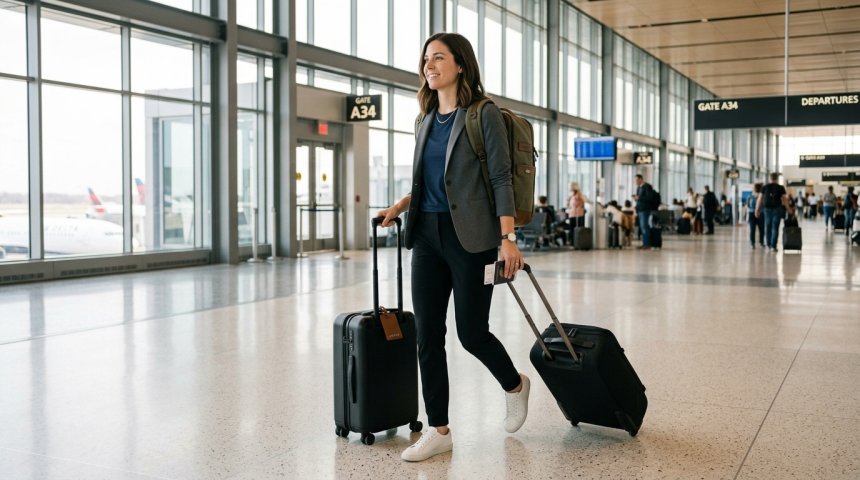
Introduction to Performance Travel Apparel
In 1986, founders Rick Hemmerling and Joe Boldan established De Sar Inc., the company that preceded ExOfficio. In 1987, the company introduced the Baja “climate control” shirt, featuring functional pockets and transitional styling for outdoor travel. ExOfficio says it has designed garments for travelers since 1987, establishing a clear focus on practical apparel for people moving between destinations and activities (ExOfficio About Us).
Modern travel requires clothing that can support changing climates, active itineraries, and limited luggage space. Travel + Leisure identifies wrinkle resistance, packability, breathability, protectiveness, and durability as useful criteria when evaluating travel clothing (Travel + Leisure).
Materials play an important role in achieving these qualities. Travel + Leisure describes nylon as lightweight and durable, while polyester is characterized as fast-drying, wrinkle-resistant, and durable. These properties help explain why synthetic fabrics are frequently associated with travel apparel.
The Evolution of Outdoor and Travel Fashion
Travel-oriented apparel reflects a desire for clothing that performs more than one role. Rather than treating outdoor utility and everyday wear as completely separate categories, travel brands often design garments that can support movement, changing weather, and casual settings.
When ExOfficio introduced the Baja “climate control” shirt in 1987, its functional pockets and transitional styling illustrated this practical approach. The garment was designed for outdoor travel, while its styling supported movement between different settings. This type of adaptability can help travelers reduce the number of separate items they need to pack.
Over time, travel apparel has also incorporated treatments intended to protect clothing and the wearer from environmental conditions. ExOfficio identifies itself as an early adopter of Teflon® coatings for water- and stain-resistant outdoor apparel. The brand also says it was the first to incorporate Insect Shield® technology into hiking apparel and that it created the BugsAway® line (ExOfficio About Us).
These developments helped expand the meaning of travel clothing beyond simple comfort. A travel garment may be evaluated according to how it handles moisture, stains, insects, sunlight, packing, and repeated use.
Material Innovation and Fabric Selection
Fabric selection is central to the performance of a travel wardrobe. Travelers often look for materials that are light enough to pack easily, durable enough for repeated wear, and resistant to wrinkles after time in a suitcase or bag.
Travel + Leisure describes nylon as lightweight and durable. These characteristics make nylon relevant to garments intended for frequent movement and travel. Polyester is described as fast-drying, wrinkle-resistant, and durable, qualities that can be useful when travelers need clothing that is easy to care for on the road (Travel + Leisure).
ExOfficio describes its clothing as lightweight and wrinkle-free, with selected products offering bug, sun, and water protection. This combination reflects the brand’s stated emphasis on “comfortable performance,” in which practical benefits are prioritized alongside wearable styling (ExOfficio About Us).
For travelers, the value of these materials is primarily practical. Lightweight garments can reduce the burden of a packed bag. Wrinkle-resistant fabrics can help clothing look presentable after transit. Fast-drying materials can simplify garment care when access to laundry is limited. Durable textiles can also support repeated use across multiple trips.
For additional context on selecting travel apparel, read this overview of best travel clothing brands.
Technical Treatments for Environmental Protection
Travel-friendly apparel can go beyond basic fabric construction by incorporating treatments intended to address environmental conditions. ExOfficio identifies itself as an early adopter of Teflon® coatings for water- and stain-resistant outdoor apparel. This history reflects the brand’s focus on garments designed for outdoor travel (ExOfficio About Us).
Insect protection is another area associated with ExOfficio’s product history. The brand says it was the first to incorporate Insect Shield® technology into hiking apparel and that it created the BugsAway® line. These technologies form part of the brand’s stated approach to travel clothing for outdoor environments.
Sun protection is also included among the protective features available in selected ExOfficio products. The brand describes some of its clothing as offering bug, sun, and water protection. Because these features are product-specific, travelers should review the details of an individual garment rather than assume that every item provides the same level of protection.
The broader purpose of these treatments is to combine everyday wearability with functional assistance. A shirt or jacket that offers protection from selected environmental conditions can serve a traveler across more than one type of activity.
Packability and Space-Saving Engineering
Luggage space is an important consideration for frequent travelers. Lightweight, wrinkle-resistant clothing can make it easier to organize a smaller bag, while multi-purpose designs may reduce the need to carry separate accessories.
ExOfficio describes its Storm Logic® Jacket as converting into a travel pillow. The brand also says the jacket received a Travel Goods Show Innovation Award, although its official history does not specify the award year (ExOfficio About Us).
This design illustrates the value of multi-purpose travel equipment. When one garment can serve as both outerwear and a pillow, it can potentially reduce redundancy in a packing list. The benefit is not only the space saved but also the convenience of having a useful travel accessory integrated into a garment.
Packability also relates to wrinkle resistance. Travel + Leisure lists both packability and wrinkle resistance among useful criteria for assessing travel clothes. Garments that remain relatively presentable after being packed can help travelers transition more easily from transit to other activities (Travel + Leisure).
The Philosophy of Comfortable Performance
The core design ethos of a travel-focused brand centers on comfortable performance. ExOfficio describes this goal in terms of practical benefits rather than purely fashion-led styling. Lightweight construction, wrinkle resistance, and selected protective features are intended to help clothing function during travel.
Comfortable performance means that a garment can support more than one part of a journey. A shirt may be suitable for outdoor activity while remaining appropriate for casual everyday wear. A jacket may provide an outer layer during transit and serve another purpose when packed.
This pragmatic approach is useful for travelers who view clothing as part of their equipment. Instead of selecting garments only for appearance, they can also consider weight, care requirements, durability, breathability, protectiveness, and packability.
For more information about wrinkle-resistant clothing for travel, consult this Travel + Leisure guide.
Sustainability and Longevity in Travel Wear
Durability is an important consideration when assessing travel apparel. Clothing designed for repeated use can be evaluated not only for its initial appearance but also for how well it supports frequent wear, packing, and washing.
Nylon and polyester are both described by Travel + Leisure as durable, while their lightweight, fast-drying, or wrinkle-resistant properties can support practical travel use. These characteristics may help a traveler build a smaller wardrobe around items that are used repeatedly rather than carried only once (Travel + Leisure).
At the same time, material selection involves trade-offs. A fabric’s travel performance does not by itself establish the full environmental impact of a garment. Travelers interested in longer-term use can consider how often an item will be worn, how it should be cared for, and whether its construction suits repeated trips.
Longevity is therefore a practical part of responsible purchasing. A garment that remains useful over many journeys can offer more value than one selected only for a single occasion.
Building a Minimalist Travel Wardrobe
Creating a functional travel wardrobe relies on selecting a small number of adaptable items. When garments are lightweight, durable, and relatively wrinkle-resistant, they can be combined across different days and activities without requiring a large suitcase.
A travel wardrobe may include lightweight shirts, durable trousers, a versatile jacket, and other layers suited to the destination. Selected garments may also offer bug, sun, or water protection. The exact choices depend on the climate, activities, and length of the trip.
Multi-purpose items can further optimize space. ExOfficio’s Storm Logic® Jacket, which the brand says converts into a travel pillow, demonstrates how a garment can serve more than one packing function (ExOfficio About Us).
By considering fabric performance, protective treatments, and packability together, travelers can create wardrobes that support comfort and convenience without carrying unnecessary items. For more seasonal packing ideas, explore these spring travel clothes tips.
What is travel-friendly apparel?
Travel-friendly apparel refers to clothing designed around the practical needs of people on the move. Common considerations include light weight, wrinkle resistance, durability, packability, breathability, and protection from selected environmental conditions.
How do synthetic fabrics benefit travelers?
Nylon and polyester are relevant to travel apparel because nylon is lightweight and durable, while polyester is fast-drying, wrinkle-resistant, and durable. These properties can make garments easier to pack, wear, and care for during a trip.
What is the advantage of Insect Shield technology?
ExOfficio says it was the first to incorporate Insect Shield® technology into hiking apparel and that it created the BugsAway® line. Travelers should review the product information for a specific garment to understand the protection it offers.
Can travel clothing help save luggage space?
Yes. Lightweight, packable clothing can reduce the amount of space required in a bag. Multi-purpose designs may also reduce the need to pack separate accessories. ExOfficio says its Storm Logic® Jacket converts into a travel pillow.
Why is wrinkle resistance important on trips?
Wrinkle resistance can help garments remain presentable after being packed or worn during transit. Travel + Leisure includes wrinkle resistance among its criteria for evaluating travel clothing.
How should travelers assess travel durability?
Travelers can consider whether a garment’s fabric and construction suit repeated wear, packing, and care during trips. Durability is one of the criteria identified by Travel + Leisure when evaluating travel clothing.
Conclusion
The evolution of travel-friendly apparel demonstrates how clothing can function as practical travel equipment as well as everyday wear. From the establishment of De Sar Inc. in 1986 and the introduction of the Baja “climate control” shirt in 1987 to later developments in protective treatments and packable design, ExOfficio’s history reflects a sustained focus on travelers (ExOfficio About Us).
By prioritizing lightweight materials, wrinkle resistance, durability, and selected forms of bug, sun, and water protection, travel apparel addresses many of the practical challenges associated with transit and outdoor activity. Choosing garments according to these qualities can help travelers create a more efficient and comfortable packing system.
The Evolution of Travel-Ready Retail and Direct-to-Consumer Brands
The marketplace for travel-friendly apparel includes garments designed for outdoor use, transit, and everyday activities. As travelers seek lighter and more versatile wardrobes, the category places greater emphasis on practical performance alongside wearable styling.
The history of ExOfficio illustrates this development. In 1986, Rick Hemmerling and Joe Boldan established De Sar Inc., the company that preceded the brand. In 1987, the company introduced the Baja “climate control” shirt, featuring functional pockets and transitional styling for outdoor travel. ExOfficio says it has designed garments for travelers since 1987 (ExOfficio About Us).
The brand’s history also includes an early adoption of Teflon® coatings for water- and stain-resistant outdoor apparel, as well as the incorporation of Insect Shield® technology into hiking apparel and the creation of the BugsAway® line. These examples show how travel clothing can combine everyday garments with specialized features.
Assessing Travel Gear: Criteria from Independent Reviewers
Independent travel coverage provides a useful framework for comparing travel clothing. Travel + Leisure identifies wrinkle resistance, packability, breathability, protectiveness, and durability as important criteria in evaluating wrinkle-resistant travel clothes (Travel + Leisure).
Wrinkle resistance matters because garments may remain packed or worn for extended periods during transit. Packability matters because travelers often need to manage limited luggage space. Breathability relates to comfort, while protectiveness concerns features intended to assist with environmental conditions. Durability helps determine whether clothing is suitable for repeated use.
Fabric characteristics also influence these evaluations. Travel + Leisure describes nylon as lightweight and durable, and polyester as fast-drying, wrinkle-resistant, and durable. These properties provide useful context when comparing garments intended for travel.
Practical Strategies for Packing Light and Smart
Packing efficiently begins with identifying garments that can serve several purposes. Instead of selecting items for only one activity, travelers can consider whether a piece is suitable for transit, daily wear, and outdoor use.
The Capsule Wardrobe Approach in Practice
A compact wardrobe can be organized around versatile items that coordinate with one another. Neutral colors may make mixing and matching easier, while lightweight and wrinkle-resistant fabrics can simplify packing.
- Shirts: Choose lightweight shirts suited to the expected climate and activities.
- Bottoms: Look for durable garments that can support repeated wear.
- Layers: Include a versatile layer for changing temperatures.
- Outerwear: Consider a garment with relevant water, sun, or bug protection when the destination requires it.
- Multi-purpose items: Use designs that provide more than one function, such as a jacket that converts into a travel pillow.
Maintenance on the Move
Travel clothing is often selected partly for ease of care. Fast-drying polyester, for example, can be useful when travelers need garments to dry after washing. Travelers should still follow the care instructions provided with each item, since fabric composition and treatments vary.
A simple care routine can include washing garments according to their labels, rinsing them thoroughly, and allowing them to dry in a suitable location. Avoiding unnecessary washing may also help extend the useful life of a garment, provided that the item remains appropriate to wear.
The Intersection of Technology, Comfort, and Travel Ethics
Travel apparel combines technical features with the practical expectations of everyday clothing. ExOfficio describes its design goal as “comfortable performance,” emphasizing usefulness rather than purely fashion-led styling (ExOfficio About Us).
This approach encourages consumers to evaluate clothing according to how it performs in actual travel situations. A garment may be considered for its weight, ability to resist wrinkles, packability, breathability, durability, and protective features.
Responsible purchasing also involves considering whether an item is likely to be worn repeatedly. A durable, versatile garment may have greater practical value when it is used across many trips and activities. Travelers can make more informed choices by comparing product details with their own destinations, routines, and care capabilities.
Future Trends in Intelligent Travel Apparel
The future of travel-friendly apparel will continue to be shaped by the search for useful combinations of comfort, protection, durability, and convenience. Packable designs and fabrics that resist wrinkles can help travelers manage smaller bags. Lightweight materials can reduce the burden of carrying clothing, while selected treatments can address environmental conditions.
ExOfficio’s Storm Logic® Jacket provides one example of multi-functional design because it converts into a travel pillow and received a Travel Goods Show Innovation Award. Its design demonstrates how apparel can be developed to perform beyond its primary function (ExOfficio About Us).
Ultimately, the development of travel-friendly U.S. fashion and apparel reflects a broader view of clothing as travel equipment. By combining practical materials, protective treatments, packability, and comfortable performance, brands can help travelers move through changing environments with greater convenience and confidence.
Share
What's Your Reaction?
 Like
0
Like
0
 Dislike
0
Dislike
0
 Love
0
Love
0
 Funny
0
Funny
0
 Angry
0
Angry
0
 Sad
0
Sad
0
 Wow
0
Wow
0