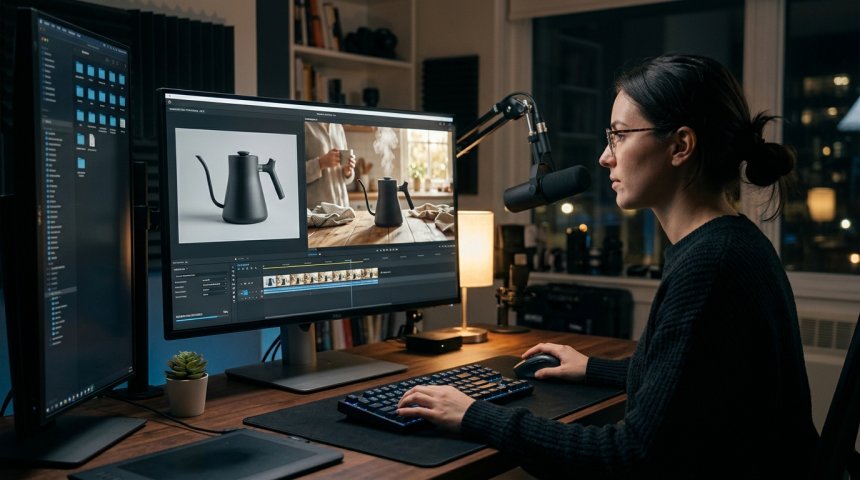
Smart Home Office Accessories for Better Focus & Comfort
Discover smart home office accessories that improve focus, ergonomic comfort, and your work-from-home setup with practical desk upgrades.

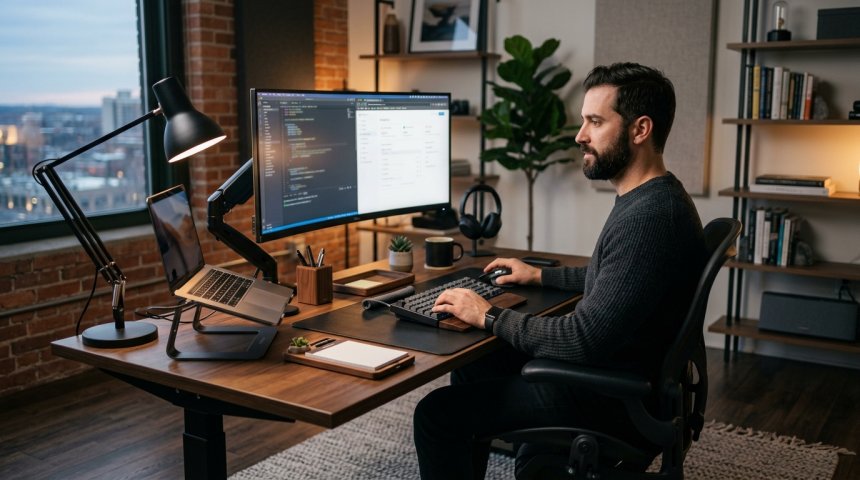
Introduction: Transforming Your Remote Workspace into an Inspiring and Productive Hub
Millions of remote professionals spend over 40 hours every week sitting in the exact same spot, yet many treat their desks like an afterthought. Shifting from a corporate office to a home environment often begins with temporary fixes: a laptop propped on a kitchen counter or a stiff dining chair pulled into the corner of a bedroom. Over time, that novelty wears off. Daily work begins to feel monotonous, uninspired, and physically draining.
Upgrading a home office is not merely about accumulating gadgets. It is about crafting an intentional environment where technology, comfort, and visual style come together seamlessly. When a desk setup looks sharp and supports the human body properly, opening the laptop each morning feels exciting rather than exhausting.
According to workstation safety research from federal agencies, tailoring your immediate environment reduces physical strain and helps you maintain neutral body positions throughout the day. While ergonomics primarily targets health and comfort rather than emotional excitement, eliminating daily neck aches and back stiffness fundamentally changes how you experience your workday. High-end hardware, tactile desktop pieces, and fluid adjustment arms inject energy into an otherwise repetitive routine. Transforming your desk into a curated productivity station allows you to take pride in your environment and stay focused on what matters most.
Ergonomic Essentials: Upgrading Your Foundation with Adjustable Chairs and Posture Aids
The foundation of any great workstation is the chair. Without proper support underneath, even the sleekest desk setup quickly becomes uncomfortable. When you spend hours tackling spreadsheets or joining video conferences, your body requires active support that adapts to small shifts in posture.
       Ideal Desk Ergonomics (Neutral Working Posture)

       [Top of Screen at Eye Level] ──┐
                     │                │ Viewing Distance:
                  ( o o )             │ 20 to 40 Inches
                  /  ▲  \             │
                 |   █   |            │
      [Forearms Parallel to Floor] ───┼── [Keyboards Flat / Wrists Straight]
                 |   █   |            │
      [Lumbar Support in Curve] ──────┤
                 /       \            │
        [Thighs Parallel / 90°] ──────┘
|         |
      [Feet Flat on Floor or Footrest]
Investing in Adjustable Seating
A basic wooden chair or an entry-level task seat might look acceptable, but it rarely accommodates the natural contours of the spine. The Occupational Safety and Health Administration notes that an appropriately adjusted chair must properly support the back, legs, buttocks, and arms. When selecting an ergonomic task chair, look for adjustments that tailor the seat to your exact proportions:
- Pneumatic Seat Height Adjustment: Enables your thighs to rest roughly parallel to the floor, avoiding pressure beneath the knees.
- Adjustable Lumbar Support: Fills the natural inward curve of the lower back to discourage slouching.
- Multi-Directional Armrests: Allows forearms to rest gently with shoulders relaxed, elbows close to the body, and wrists straight.
- Seat Depth Sliders: Prevents the front edge of the seat cushion from pressing against the back of your knees, which can restrict blood flow.
Guidance outlined in the OSHA computer workstations chairs guide emphasizes trying chairs for individual fit before making a final commitment. A chair that fits your body eliminates the constant urge to squirm, recline awkwardly, or tuck a leg underneath your hips.
The Role of Posture Aids and Footrests
Even the finest ergonomic chair cannot solve every alignment issue if your desk height remains fixed. When a work surface cannot be lowered sufficiently to allow proper typing height, workers must raise their chairs. This adjustment often leaves feet dangling in midair, placing unnecessary strain on the lower thighs and lumbar spine.
In its official OSHA computer workstations evaluation checklist, safety specialists advise providing an adjustable footrest whenever a user's feet cannot rest flat on the floor because the desk or keyboard tray cannot move low enough.
A textured or rockable footrest brings immediate comfort:
- It anchors the lower body securely.
- It supports a 90-degree bend at the knees.
- It encourages gentle ankle movement during long sessions to stimulate circulation.
Integrating these foundation pieces shifts the entire tone of your daily routine. Instead of ending the day with tight shoulders and lower back tension, you finish your tasks feeling refreshed and ready to enjoy your evening.
Screen Elevation: Optimizing Visibility with Monitor Risers and Articulating Display Arms
Working directly off a flat laptop screen forces your neck into a steep downward tilt. Over several hours, this posture forces the upper back muscles to work overtime simply to keep your head upright. Elevating your display transforms your workspace from a cramped personal nook into a commanding command center.
Achieving Proper Monitor Alignment
Proper display positioning is necessary for long-term comfort and eye ease. According to the OSHA computer workstations monitors component guidance, your primary screen should sit directly in front of you, with the top of the viewing area at or slightly below eye level. This placement ensures that your neck remains in a balanced, upright posture while you scan documents or read messages.
| Ergonomic Factor | Recommended Specification | Primary Benefit |
|---|---|---|
| Viewing Distance | 20 to 40 inches from the eyes | Reduces visual fatigue and accommodates natural eye focus |
| Vertical Height | Top of display at or below eye level | Prevents constant upward or downward neck tilting |
| Window Orientation | Perpendicular to nearby windows | Eliminates sharp screen reflections and glare |
| Centering | Directly in front of the keyboard | Keeps the spine and neck straight without twisting |
Furthermore, safety standards specify that a viewing distance of roughly 20 to 40 inches away from your eyes creates the most comfortable focal plane for standard office work. Placing your screen perpendicular to windows also dramatically cuts down on distracting glare and harsh reflections that cause squinting and tension headaches.
Monitor Risers vs. Articulating Arms
To lift your screen to the correct height, two main accessories stand out: static monitor risers and adjustable monitor arms.
       Static Riser vs. Articulating Desk Arm

       [ Static Monitor Shelf ]         [ Articulating Gas-Spring Arm ]
       ┌─────────────────────┐                     ┌───┐
       │   Display Screen    │                     │   │ Monitor
       └──────────┬──────────┘                     └───┴─┐
             ┌────┴────┐                                 │ (Full Swivel)
         ====│ Shelf   │====                             │
             └─────────┘                        ═════════╪════════════
           (Fixed Height)                           [Desk Clamp]
-
Monitor Risers (Desktop Shelves): A wooden, bamboo, or anodized aluminum monitor shelf sits directly on the desk surface. These risers lift your screen a fixed 3 to 5 inches while introducing valuable storage real estate underneath. You can slide your keyboard, notebook, or docking hub out of sight when clearing the desk at the end of the day. A well-crafted shelf brings warmth and structural symmetry to a room, serving as an attractive visual anchor for your entire setup.
-
Articulating Monitor Arms: For the ultimate in flexibility and modern aesthetic appeal, gas-spring articulating arms clamp directly to the back edge of the desk. They completely free up the desktop below, giving the impression that your monitor is floating weightlessly.
A mechanical monitor arm lets you pull the display closer for detailed design tasks, push it back for reading, adjust tilt on the fly, or rotate 90 degrees into portrait orientation for coding and document review. The physical act of smoothly gliding a heavy display into the perfect position with a single fingertip adds a satisfying, high-tech touch to your daily workflow.
By pairing an adjustable display mount with proper seating and foundation aids, you eliminate the everyday friction of remote work. The home office transforms from a makeshift corner into an organized, ergonomic environment that makes sitting down to work genuinely enjoyable.
Reliable Connectivity: Laptop Docking Stations and Multi-Port Hubs for Organized Workflows
A common headache in any home office is the daily tangle of cords. Plugging in power bricks, external screens, webcams, and audio gear one by one drains enthusiasm before the workday even starts. Modern laptops prioritize slim profiles, often leaving users with only one or two compact ports. Investing in a dedicated laptop docking station or multi-port hub completely changes this routine, turning a chaotic knot of cables into a neat, unified setup.
Messy Multi-Cable Setup vs. Clean Single-Cable Docking
[ Traditional Setup ]              [ Modern Docking Station ]
 Laptop                             Laptop
  ├── Power Cable                    └── [ Single USB-C / TB Cable ]
  ├── HDMI (Monitor 1)                             │
  ├── DisplayPort (Monitor 2)             ┌────────┴────────┐
  ├── USB-A (Webcam)                      │  Docking Hub    │
  ├── USB-A (Keyboard)                    └──┬──┬──┬──┬──┬──┘
  └── 3.5mm Audio Cable                      │  │  │  │  │
                                            Power Display USB Audio
The Power of Single-Cable Management
According to the OSHA computer workstations purchasing guide, equipping laptops with a separate monitor and a dedicated docking station allows users to position displays at an appropriate height and distance. Beyond ergonomic advantages, high-powered hubs bring practical order to your space.
- Streamlined Transitions: A single cable delivers high-speed data, video signals, and pass-through charging simultaneously. Connecting or disconnecting your laptop takes less than two seconds.
- Expanded Display Options: A reliable dock can power dual or triple external displays, providing ample digital space for complex spreadsheets, design layouts, and research windows.
- Stable Peripheral Support: Dedicated ports supply consistent power to sensitive accessories like condenser microphones and external solid-state drives, avoiding sudden disconnects.
A quality hub keeps messy connection cords tucked neatly behind the desk. By clearing physical clutter, you make room for a clean, motivating workspace that feels orderly and easy to manage.
Tactile Typing and Precision: Premium External Keyboards for Comfort and Efficiency
Relying exclusively on a built-in laptop keyboard forces your arms inward and your wrists into awkward bends. Over time, typing on flat, shallow keys leads to joint stiffness and muscle fatigue. Switching to an external keyboard creates a noticeably better typing experience.
Standard Flat Typing vs. Natural Neutral Typing
[ Flat Laptop Keys ]                  [ Split / Angled Layout ]
  ┌───┐ ┌───┐ ┌───┐                     ┌───┐         ┌───┐
  │ Q │ │ W │ │ E │                     │ Q │         │ P │
  └───┘ └───┘ └───┘                     └───┘         └───┘
  (Wrists bent outward)                 (Wrists straight and aligned)
Ergonomic Alignment and Natural Posture
Workstation specialists outline specific physical parameters for safe, effortless typing. The OSHA computer workstations keyboards component guidance recommends keeping the keyboard directly in front of you, with your shoulders relaxed, elbows close to the body, and wrists straight and aligned with the forearms.
Using an independent keyboard makes meeting these targets simple:
- Variable Placement: You can shift the typing surface closer or farther away without affecting your screen distance.
- Angle Customization: Many external boards include negative-tilt legs to prevent wrists from bending backward toward the ceiling.
- Split Layout Variations: Split keyboards divide keys into two separate halves, allowing your forearms to rest at natural, shoulder-width angles.
Mechanical Keyboards: Engaging Feedback and Personal Style
Mechanical keyboards use individual physical switches under each key cap rather than a uniform rubber membrane. This mechanical design delivers consistent feedback with every keystroke, letting you feel exactly when an action registers.
Mechanical Switch Profiles
┌──────────────────────────────────────────────┐
│ Linear: Smooth, quiet, and consistent travel │
├──────────────────────────────────────────────┤
│ Tactile: Gentle physical bump at actuation   │
├──────────────────────────────────────────────┤
│ Clicky: Audible snap with crisp spring action│
└──────────────────────────────────────────────┘
- Customized Resistance: Switch choices range from light, quiet linear stems to firm tactile switches. You can select an action that matches your personal touch, helping reduce heavy finger strikes.
- Distinct Audio Profiles: High-grade switches produce a muted, steady sound that many workers find calming and satisfying during long drafting tasks.
- Durable Materials: Sturdy keycaps made from dense plastics resist surface wear and greasy shine, preserving a clean look across years of daily use.
A well-crafted keyboard turns everyday typing from a dull chore into an engaging sensory experience.
Ergonomic Pointing Devices: Vertical Mice, Trackballs, and Wrist-Friendly Navigation
Standard computer mice require the palm to rest flat against the desk surface. This orientation twists the forearm bones into an unnatural position called pronation. Holding this angle over an eight-hour shift strains tendons in the wrist and elbow. Exploring alternative pointing gear restores healthy movement patterns and adds variety to your day.
Detailed in the general OSHA computer workstations components guide, selecting and properly placing pointing devices is critical for workstation wellness. Keeping the device close alongside the keyboard ensures you do not overreach with your arm or shoulder.
Forearm Rotation: Traditional vs. Vertical Mouse
[ Flat Mouse: Forearm Pronated ]     [ Vertical Mouse: Neutral Handshake ]
        ┌──────┐                                    │  ▲
        │ Palm │                                    │  │ Thumb Up
    ────┴──────┴──── Desk Surface               ────┴──┴──── Desk Surface
   (Twisted Forearm Bones)                     (Bones Parallel & Relaxed)
Vertical Mice and Neutral Handshake Postures
A vertical mouse tilts the grip upward at an angle between 50 and 70 degrees. This angle places your hand in a neutral, natural "handshake" position:
- Muscle Relaxation: The forearm muscles relax because the wrist bones remain vertically parallel rather than crossed.
- Reduced Friction: The sensitive underside of the wrist stays lifted off the desk, preventing direct compression of the carpal tunnel.
- Whole-Arm Navigation: Navigating comes from larger shoulder and upper-arm movements rather than tiny, repetitive wrist flicks.
Stationary Precision: The Case for Trackballs
Trackball units leave the main body of the mouse stationary while your thumb or fingers roll an exposed sphere to steer the cursor.
| Device Category | Primary Hand Movement | Desk Space Footprint | Key Benefit |
|---|---|---|---|
| Traditional Mouse | Wrist flicks, forearm drag | Medium to Large | Familiar, universal learning curve |
| Vertical Mouse | Full forearm glide | Medium | Handshake angle cuts wrist twist |
| Finger Trackball | Fingertip control on top sphere | Compact, fixed | Keeps hand and wrist fully stationary |
| Thumb Trackball | Thumb sweep on side sphere | Compact, fixed | Natural grip, minimizes arm motion |
Because trackballs remain anchored in one spot, they are practical options for compact desks or slide-out keyboard trays where surface room is limited.
Mindful Use of Wrist and Palm Rests
Many people add soft wrist supports near their keyboard or pointing device. However, safety specialists suggest using these accessories with clear intention. The primary goal is keeping the wrists and forearms aligned. Rest the base of your palms on these pads only between active typing or clicking sessions. Resting your wrists heavily on pads while actively navigating can press on nerves. Used correctly, a firm palm rest offers a welcome resting place between tasks.
Under-Desk Comfort: Ergonomic Footrests to Improve Alignment and Leg Circulation
Setting up a home office often starts with picking the right desk and chair. However, what happens under the work surface matters just as much. When people raise their chairs to reach a fixed desk height, their feet can end up dangling or resting on tiptoes. This awkward setup puts extra stress on the lower back and pinches the backs of the thighs. Adding a supportive footrest bridges the gap, helping you sit in a balanced posture while keeping your work setup lively and comfortable.
Foot Support & Leg Pressure Distribution
[ Feet Dangling / Unsupported ]        [ Feet Supported on Footrest ]
        Chair Edge                             Chair Edge
       ┌───────────┐                          ┌───────────┐
  Thigh│▼ Pressure │                     Thigh│  Relieved │
       └─────┬─────┘                          └─────┬─────┘
             │ Dangles                              │ 90° Angle
             ▼                                      ▼
      (No Floor Support)                     [ Firm Footrest ]
Establishing a Stable Base of Support
Proper posture starts from the ground up. According to the OSHA computer workstations evaluation checklist, workers should provide a footrest if their feet do not rest flat on the floor because the keyboard and monitor heights cannot be adjusted sufficiently.
A footrest creates a steady base that supports your body throughout the day:
- Pressure Relief: Raising your feet slightly takes pressure off the backs of your thighs. This keeps weight distributed across the chair seat instead of concentrating on your legs.
- Pelvic Alignment: Firm footing pushes the lower back naturally against the lumbar support of your adjustable ergonomic chair, cutting down on afternoon slouching.
- Open Joint Angles: A good platform helps maintain hips and knees at comfortable, relaxed angles, preventing tension from creeping into your lower back.
Active Rocking and Motion Support
Static sitting can make any workday feel dull and tiring. Many modern footrests include motion features to keep your body moving even while you sit.
- Rocking Mechanisms: Curved or pivoting footrests allow your ankles to gently rock back and forth. This simple motion engages the calf muscles and encourages healthy blood flow.
- Textured Surfaces: Platforms with raised rubber nodes or ribbed surfaces let you kick off your shoes to stimulate the soles of your feet during long focus blocks.
- Angle Customization: Units with adjustable tilt angles make it easy to switch positions between morning and afternoon tasks, making extended desk sessions feel fresh.
Lighting the Way: Desk Lamps, Monitor Light Bars, and Glare-Reduction Solutions
Lighting directly shapes how you feel in your workspace. Dim rooms force you to squint at documents, while overly bright overhead fixtures create distracting hotspots. A thoughtful lighting setup reduces visual strain and gives your desk a warm, modern look.
Desktop Illumination Comparison
[ Overhead Ceiling Fixture ]      [ Monitor Light Bar + Desk Lamp ]
            │                                     │
       Direct Downward                      Targeted Desktop Beam
      Glare on Screen                       Zero Screen Reflection
            ▼                                     ▼
     ┌─────────────┐                       ┌─────────────┐
     │ ☼ Hotspot   │                       │ Clear Glass │
     └─────────────┘                       └─────────────┘
   (High Eye Strain)                     (High Contrast & Focus)
Controlling Screen Glare and Contrast
Glare is one of the most common causes of midday fatigue. Guidance on the OSHA workstation environment advises arranging lighting to minimize glare from windows, overhead lights, and desk lamps, as excessive or reflected light can contribute to eyestrain or headaches.
To tackle these issues effectively, arrange your light sources with care:
- Perpendicular Layouts: Keep your display perpendicular to windows so natural sunlight does not bounce off the screen glass or shine directly into your eyes.
- Diffused Sources: Choose lamps with frosted covers or wide shades to scatter light evenly over papers and physical accessories.
- Balanced Brightness: Adjust room lighting to match the brightness of your display, avoiding sharp contrast shifts that tire your eyes.
Space-Saving Monitor Light Bars
Monitor light bars mount directly to the top edge of your screen. They shine light forward and downward over your keyboard and papers without reflecting off the screen panel.
| Lighting Accessory | Mounting Style | Glare Risk | Best Use Case |
|---|---|---|---|
| Traditional Desk Lamp | Sits on desk base | Moderate (if placed poorly) | Focused paperwork and warm room accent |
| Monitor Light Bar | Clamps onto screen top | Very Low | Small desks needing clear, dedicated task light |
| Adjustable Swing Arm | Clamps to desk edge | Low to Moderate | Large drafting spaces and flexible reading angles |
These light bars save precious desk space and often include touch controls for color temperature. Shifting from cool white light during focused morning work to warm amber tones in the late afternoon makes your home workspace feel both capable and inviting.
Crystal-Clear Audio: Noise-Canceling Headsets and Microphones for Direct Collaboration
Remote work relies heavily on clear communication. Muffled voices, echo, and household background noise make virtual meetings frustrating. Dedicated audio gear upgrades your presence on calls and creates a distraction-free zone so you can concentrate.
Workday Audio Setups
[ Built-in Laptop Audio ]            [ Headset or Dedicated Mic ]
 ┌─────────────┐                      ┌─────────────┐
 │ Room Echo   │                      │ Direct Voice│
 │ Dog Barking │                      │ Background  │
 │ Muffled Mic │                      │ Canceled    │
 └──────┬──────┘                      └──────┬──────┘
        ▼                                    ▼
 (Strained Calls)                     (Crisp Meetings)
The Postural Benefit of Headsets
Relying on hand-held phones or leaning toward a built-in laptop mic forces your body into awkward positions. The OSHA computer workstations checklist notes that a headset may be needed when using a phone and computer at the same time, helping to keep your head upright and shoulders relaxed.
- Hands-Free Comfort: A headset keeps your neck straight while allowing you to type notes or look up reference materials naturally.
- Active Noise Cancellation (ANC): Modern headsets use microphones to detect outside noise—like street traffic or home appliances—and cancel it out. This quiet bubble helps you stay focused on deep tasks.
- Integrated Sidetone: High-quality headsets play a soft version of your own voice back into the earcups. This prevents you from speaking too loudly on conference calls.
Dedicated Microphones for Voice Clarity
Standalone USB condenser or moving-coil microphones offer richer sound quality than miniature laptop mics. Using a dedicated microphone with a cardioid pickup pattern isolates your voice while ignoring keyboard clicks and room echoes. Pairing this with an adjustable boom arm keeps the microphone close to your mouth and off your desk, clearing space for your writing tools and keyboard. High-quality audio makes virtual teamwork feel natural and clear.
Streamlined Referencing: Ergonomic Document Holders to Eliminate Neck Strain
Working with both physical paperwork and digital screens often leads to awkward postures. Looking down at papers flat on the desk forces the neck to bend forward repeatedly. Over an eight-hour shift, this constant bobbing movement tires the upper back and neck muscles. Integrating a dedicated document holder solves this issue by elevating reading materials into your natural line of sight.
Paperwork Sightlines
[ Paper Flat on Desktop ]           [ Paper on Document Holder ]
        ┌──────┐                            ┌──────┐
        │ Head │ (Tilted Down)              │ Head │ (Level & Neutral)
        └──┬───┘                            └──┬───┘
           ▼                                   │
      (Awkward Bend)                           │ Direct Line of Sight
           ▼                                   ▼
   [ Desk Surface ]                    [ Monitor / Stand ]
Ideal Placement for Comfort
Guidance on OSHA workstation components notes that a document holder placed near the monitor can reduce awkward head and neck postures when using printed materials. Positioning the holder correctly ensures your eyes move across information smoothly without twisting your spine:
- In-Line Holders: Positioned directly between the keyboard and the display, these angled platforms let you glance down with your eyes rather than bending your entire neck.
- Side-Mounted Arms: Clamped to the side of the display, these arms position reference sheets at the exact height and focal distance of your screen.
- Freestanding Easels: Weighted desktop stands can be shifted around easily when alternating between paper-heavy tasks and pure screen work.
Finding the Right Design
Selecting the best style depends on the items you reference throughout the day:
| Holder Type | Best For | Adjustment Type | Space Impact |
|---|---|---|---|
| In-Line Shelf | Books, thick reports, tablets | Fixed or tilt angle | Sits below monitor riser |
| Monitor Arm Clip | Single reference sheets | Articulating arm | Zero desktop footprint |
| Weighted Easel | Spiral notebooks, folders | Manual tilt and ledge | Requires dedicated desk space |
Using an ergonomic holder keeps your head balanced, helping you review paper drafts without physical strain.
Cable Management and Organization: Sleek Trays, Clips, and Mounts for a Clutter-Free Desk
A mess of tangled wires can make even the most stylish home office feel chaotic. Power cables, charging cords, and monitor leads often collect dust and clutter your leg space. Organizing these cords creates a visually calming workspace that feels open and orderly.
Cable Pathway Flow
[ Desktop Devices: Mouse / Lamp / Laptop ]
                 │
                 ▼  (Down via Silicone Clips)
[ Under-Desk Raceway or Wire Mesh Tray ] ────► [ Mounted Surge Protector ]
                 │
                 ▼  (Gathered in Fabric Sleeve)
           [ Wall Outlet ]
Under-Desk Trays and Raceways
The foundation of good wire routing is an under-desk channel. Metal wire baskets or solid steel channels screw directly beneath the desktop, tucking heavy power bricks out of view:
- Wire Mesh Baskets: Allow passive air circulation around warm power adapters while offering multiple tie-off points.
- Hinged Cable Trays: Drop open on one side so you can swap out plugs without crawling underneath your desk.
- Privacy Raceways: Conceal power strips entirely, keeping pets and feet away from electrical connections.
Pairing an under-desk tray with an adjustable setup protects your hardware. As noted in the OSHA purchasing guide, choosing flexible equipment supports adaptable workstations. Securing cables ensures that raising or lowering an adjustable desk never pulls power cords loose.
Precision Desk Surface Control
Keep daily charging cords right where your hands can reach them:
- Silicone Cable Clips: Small peel-and-stick grips along the rear edge of the desk stop phone chargers and tablet cables from sliding onto the floor.
- Magnetic Organizers: Sleek metallic blocks anchor your daily USB cables to a matching baseplate on your desktop.
- Braided Cord Sleeves: Zippered fabric tubes gather loose monitor and power wires into a single clean line running down to the wall.
Aesthetic and Sensory Enhancements: Desk Mats, Ambient Smart Lights, and Temperature-Control Mugs
A functional setup supports your body, but sensory touches make sitting down to work feel satisfying every morning. Thoughtful textures, warm colors, and practical comforts turn an ordinary desk into an inspiring command center.
Desk Mats for Touch and Protection
A wide desk mat ties your workstation together visually while protecting the furniture underneath. It softens the hard surface of wood or laminate, creating a comfortable rest for your wrists and forearms.
- Felt and Wool: Adds soft texture and acoustic dampening to quiet down mechanical keyboard clicks.
- Vegan Leather: Provides a smooth, water-resistant surface that wipes clean quickly after coffee spills.
- Dual-Sided Polyurethane: Delivers varied color options and dependable mouse tracking across the entire desk.
Ambient Smart Backlighting
Gentle background illumination balances bright displays and softens sharp room shadows. Helpful workstation lighting principles highlight how balanced, well-distributed light supports daily visual comfort and focus during indoor work.
- LED Light Strips: Mounted to the back of your desk or display to throw a soft wash of light against the wall, reducing visual contrast in dim rooms.
- Programmable Color Schedules: Automatically shift lighting from energizing daylight tones at 9:00 AM to warm, relaxing ambers by 5:00 PM.
Smart Temperature-Control Mugs
Few things break your flow like taking a sip of lukewarm coffee during a busy morning. Temperature-control mugs use internal heating elements to hold tea or coffee at your exact preferred temperature for hours. Controlled via a simple app or charging coaster, this small luxury keeps your favorite drink warm while you tackle deep projects.
Practical Buying Guide: How to Prioritize Home Office Accessories Based on Your Budget
Upgrading a workspace does not require purchasing every gadget at once. Allocating funds systematically ensures that physical support comes before visual flair.
Upgrade Hierarchy
[ Tier 1: Core Physical Health ] -> Monitor Riser, External Input Devices
             │
             ▼
[ Tier 2: Environmental Comfort ] -> Focused Lighting, Cord Raceways, Footrest
             │
             ▼
[ Tier 3: Aesthetic Flourishes ] -> Felt Desk Mats, Smart Mugs, Ambient LEDs
Tier 1: Core Physical Comfort
First, address physical posture. As outlined in the [OSHA computer workstations guide](https://www.osha.gov/etools/computer-workstations/), foundational tools prevent awkward strain. Begin with an external keyboard, an independent pointing device, and a sturdy monitor riser to place screens at eye level.
Tier 2: Environmental Efficiency
Once basic alignment is secured, invest in workspace efficiency. Add a dedicated desk lamp to control harsh shadows, an under-desk cable tray to reduce clutter, and an ergonomic footrest if your feet do not rest firmly on the floor.
Tier 3: Sensory and Style Accents
Finally, introduce lifestyle elements. Items like custom desk mats, smart accent lighting, and heated beverage mugs add daily personality to an already functional space.
Frequently Asked Questions About Upgrading Your Work-From-Home Setup
What is the first accessory I should buy for a laptop setup?
An external keyboard and separate mouse should be the first additions. Placing a laptop flat on a desk forces users to hunch forward. Adding standalone input devices allows you to elevate the laptop screen on a stand, aligning the display with your natural line of sight.
How do I know if my computer monitor is set at the right height?
According to official [OSHA monitor guidelines](https://www.osha.gov/etools/computer-workstations/components/monitors), the top of your screen should sit at or slightly below eye level. You should be able to view the display comfortably within a 20-to-40-inch distance without tilting your head forward or backward.
Are wrist rests necessary for everyday typing?
Wrist rests are personal comfort accessories rather than required safety tools. In guidance on [workstation components](https://www.osha.gov/etools/computer-workstations/components/), OSHA explains that while rests may enhance comfort, users should maintain straight, neutral wrists rather than resting their palms heavily while active keying occurs.
How can I prevent eye fatigue when working late at my desk?
Position your desk lamp to avoid harsh reflections across your monitor glass. Adding a gentle bias light behind the screen balances room contrast, softening the transition between bright displays and dark surrounding walls.
What should I do if my feet do not reach the floor comfortably?
If your chair cannot be lowered because your desk surface is fixed, add a flat footrest. A firm, stable platform supports your lower limbs and keeps your thighs parallel to the ground, relieving excess pressure behind your knees.
Do desk accessories actually improve daily work routines?
Practical accessories minimize physical distractions like neck strain, screen glare, and scattered cables. While aesthetic tools do not guarantee higher performance, a tidy, comfortable desk creates a predictable and welcoming setting for daily tasks.
Conclusion: Crafting a Work-From-Home Environment That Keeps You Motivated Every Day
Transforming a basic remote corner into an engaging home office is about balance. By combining verified physical fundamentals with thoughtful sensory details, you build a space that respects your body and inspires your focus. Elevating displays, organizing cords, and adding inviting textures turns your desk into a personal command center that makes working from home comfortable day after day.
Share
What's Your Reaction?
 Like
0
Like
0
 Dislike
0
Dislike
0
 Love
0
Love
0
 Funny
0
Funny
0
 Angry
0
Angry
0
 Sad
0
Sad
0
 Wow
0
Wow
0