Transformative 2026 Guide: The Evolution of Travel Beauty Care
The evolution of travel-friendly beauty and personal care in 2026. Discover compact products, smart packaging, and trends shaping beauty on the go.

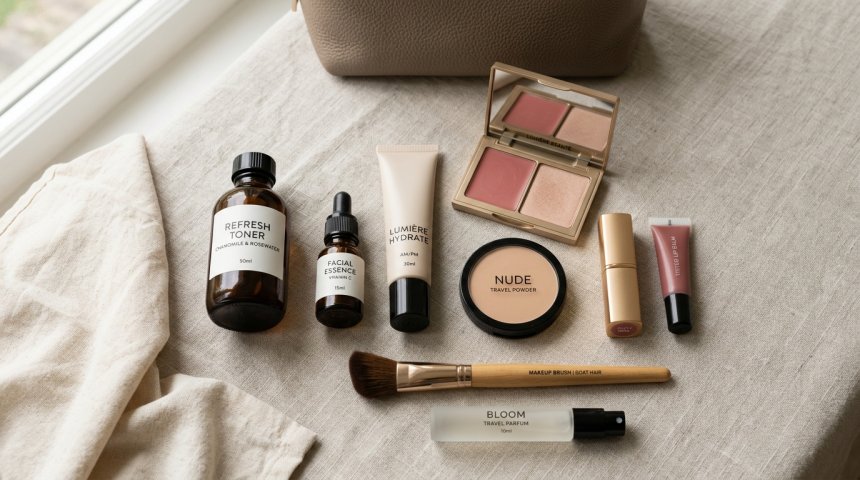
By the close of 2023, the United States beauty-supply, cosmetics, and perfume retail industry reached a revenue of approximately $45.2 billion, spread across more than 184,000 establishments. This market spans multiple subcategories, including 37.9% cosmetics, 27.1% haircare, 20.9% skincare, and 14.1% nail products, deodorants, and other personal care items, according to data from a Congressional Research Service report available at Congress.gov. Within this retail market, a specialized niche provides travel-friendly beauty and personal care ecommerce. Shoppers rely on digital storefronts offering curated kits, miniature formats, and leak-proof packaging solutions designed for consumers on the move.
Navigating the logistics of travel requires understanding regulatory frameworks, supply chain constraints, and consumer demands. Whether an ecommerce brand sells solid shampoo bars, multi-use cosmetic sticks, or TSA-compliant transparent pouches, success depends on meeting aviation safety laws and consumer expectations. Online platforms must balance product formulation, container sizing, shipping regulations, and compliance standards. This examination explores how the travel-friendly beauty and personal care ecommerce sector operates, detailing the rules that govern it, the product innovations driving it, and the marketplace regulations shaping its future.
Understanding Aviation Constraints and Liquid Limits
The foundation of travel-friendly beauty ecommerce rests on strict aviation safety rules that govern what passengers can bring into aircraft cabins. The Transportation Security Administration enforces the well-known 3-1-1 rule for carry-on luggage. Under this standard, liquids, aerosols, gels, creams, and pastes must be stored in containers holding no more than 3.4 oz (100 mL) each. All such containers must fit comfortably inside a single quart-sized, clear, resealable plastic bag, with strictly one bag allowed per passenger. Detailed guidelines on these parameters can be reviewed directly on the TSA Travel Tips Fact Sheet.
International travel introduces additional layers of complexity. The International Air Transport Association notes that many countries apply a similar 100-mL container limit alongside a 1-liter transparent resealable bag policy, though individual airport security checkpoints can enforce localized variations. Detailed information regarding these global standards is maintained by the International Air Transport Association on the IATA Passenger Baggage Rules Page.
For ecommerce brands operating in the beauty and personal care space, these limitations dictate product development. Items such as perfume, hairspray, nail polish, shaving cream, sunscreen, and rubbing alcohol fall directly under Federal Aviation Administration guidelines governing medicinal and toiletry articles in passenger baggage, as outlined by the FAA PackSafe Guidance. When brands design miniature formats or travel-sized SKUs, they must ensure container volumes clearly display capacities under the 100-mL threshold to prevent confiscation at security checkpoints.
Product Innovation in Portable Personal Care
To overcome the volume restrictions of air travel, beauty brands have innovated extensively across multiple product categories. Traditional liquid formulations often require bulky plastic bottles that quickly exceed weight and space allowances. In response, ecommerce merchants have championed alternative formats that deliver the same cosmetic and cleansing benefits without the liquid baggage penalties.
Solid cosmetics and cleansers represent a major shift in portable personal care. Solid shampoo bars, conditioner blocks, solid lotion bars, and facial cleansing balms eliminate water weight entirely, converting liquid routines into compact, durable solids. Because these items are not classified as liquids, aerosols, or gels in their solid states, they bypass the 3.4-ounce carry-on container limit entirely. This formulation shift not only simplifies packing for consumers but also reduces shipping weights for ecommerce brands, lowering overall transit emissions and logistical costs.
Multi-use makeup sticks have also gained traction across digital marketplaces. Lip-and-cheek tints, concealer sticks, and multi-purpose highlighting balms allow travelers to reduce the total number of individual items packed in their toiletry bags. By consolidating a complex makeup routine into three or four versatile solid sticks, consumers minimize clutter and stay safely within carry-on limits.
Powder cosmetics represent another key pillar of travel-friendly retail. Mineral foundations, powder sunscreens, and dry shampoos offer long shelf lives and spill-proof application methods. Unlike liquid foundations or spray sunscreens, which risk leaking under cabin pressure changes, powder products remain stable and secure inside cosmetic bags. Ecommerce merchants frequently bundle these items into coordinated travel kits, providing consumers with turnkey solutions for trips of varying lengths.
Regulatory Compliance for Cosmetic Formulations
Selling beauty and personal care products online involves adherence to federal and international laws. In the United States, the regulatory framework transformed with the enactment of the Modernization of Cosmetics Regulation Act. This legislation introduced federal requirements for cosmetic manufacturers and processors, including mandatory adverse-event reporting systems and designated responsible-person contact information on product labels. The labeling provisions of this framework took effect on December 29, 2024, altering how brands present manufacturing and contact details to online buyers. The legislative text is preserved on the USC Title 21 Section 364e Page.
For ecommerce businesses importing beauty items from overseas manufacturers, compliance requirements are rigorous. The U.S. Food and Drug Administration enforces rules stating that imported cosmetics must meet the exact same legal standards as domestically produced items. According to official FDA Importing Cosmetics Guidance, the agency defines cosmetics broadly as articles intended to be rubbed, poured, sprinkled, or sprayed on, introduced into, or otherwise applied to the human body for cleansing, beautifying, promoting attractiveness, or altering the appearance. This definition excludes traditional soap, which is regulated under separate statutory provisions.
Ecommerce founders must verify that their manufacturing partners maintain proper Good Manufacturing Practices (GMP) and provide accurate ingredient disclosures. Online shoppers increasingly demand transparency, reviewing full ingredient decks before making purchases. Brands that fail to comply with FDA labeling standards or safety substantiation requirements face severe penalties, including import detentions and product seizures at ports of entry.
Marketplace Integrity and Consumer Trust
The rapid growth of online beauty retail has necessitated stronger marketplace protections. As third-party sellers proliferate across major digital shopping platforms, lawmakers and regulatory agencies have stepped in to safeguard consumers from counterfeit cosmetics, expired stock, and unsafe formulations.
The Federal Trade Commission enforces regulations such as the INFORM Consumers Act, which requires online marketplaces to collect, verify, and disclose specific authentication information regarding high-volume third-party sellers. These platforms must also supply transparent reporting mechanisms allowing consumers to flag suspicious listings or unauthorized product resellers. Further details on these marketplace rules are outlined by the FTC Guidance on the INFORM Consumers Act.
Counterfeiting remains a major challenge in the online beauty sector. High-end skincare lines, luxury perfumes, and popular travel-sized cosmetic kits are frequently targeted by unauthorized replicators. When consumers purchase counterfeit travel minis from unvetted online vendors, they risk exposure to contaminated ingredients, heavy metal impurities, and unstable formulations that can cause severe skin irritation or allergic reactions. Trusted ecommerce platforms combat this by implementing rigorous seller vetting procedures, batch-code tracking, and direct brand-authorized distribution channels.
For independent direct-to-consumer beauty brands, building trust requires clear communication about sourcing, manufacturing locations, and travel compliance. Displaying TSA-compliant icons, exact container measurements in milliliters and ounces, and explicit leak-proof packaging guarantees helps alleviate consumer anxiety when shopping for trips.
Packaging and Logistics for Fragile Travel Goods
Shipping travel-friendly beauty products presents operational hurdles. Miniature containers, glass dropper bottles, and delicate solid balms require packaging to survive parcel delivery networks. Unlike bulky full-size bottles that remain stationary in home bathrooms, travel items are engineered for mobility, meaning their outer packaging must endure frequent handling, compression, and environmental temperature shifts.
Fulfillment centers handling beauty ecommerce must manage inventory carefully for items sensitive to extreme heat or cold. Gel-based moisturizers, natural oil serums, and cream foundations can separate or melt when subjected to high temperatures during transit in unclimate-controlled delivery vehicles. Logistics providers employ specialized packaging materials, such as thermal insulated mailers or protective bubble cushioning, to ensure products arrive in pristine condition.
Leak prevention is another logistical priority. Because travel-sized items often feature spray pumps, screw caps, or flip-top lids, improper sealing can result in transit leaks that damage customer orders. Leading ecommerce operations use induction-seal liners, shrink-band neck wrappers, and pressure-tested closures to guarantee container integrity. Brands package these items inside clear, reusable PVC or silicone zip pouches that double as TSA-approved carry-on bags for the end consumer, adding value while serving a functional purpose.
Marketing Strategies for Travel-First Beauty Brands
Marketing beauty and personal care products for travel requires a strategic approach compared to marketing everyday home-use regimens. Digital campaigns in this sector focus on convenience, space-saving efficiency, and airport security experiences. Content marketing highlights real-world travel scenarios, such as packing light for a weekend getaway, surviving long-haul flights with skin hydration intact, or transitioning a beauty routine from a carry-on bag to a boardroom meeting.
Visual storytelling plays a central role in converting online browsers into buyers. High-performing ecommerce stores utilize short-form video content demonstrating how mini containers fit inside quart-sized transparent bags or showing the durability of solid shampoo bars during transit. Influencer partnerships with travel creators, flight attendants, and digital nomads provide authentic social proof, showcasing how these products perform under actual travel conditions.
Pricing psychology also differs in the travel-friendly category. Consumers often expect miniaturized items to be priced lower than full-size versions, yet manufacturing miniature packaging can sometimes incur higher unit costs due to specialized tooling and smaller production runs. Successful brands address this by bundling minis into curated kits or travel subscriptions, offering better perceived value while encouraging customers to sample multiple SKUs at once. This discovery model often serves as an effective customer acquisition funnel, leading repeat buyers to eventually purchase full-size versions of their favorite items for home use.
Global Supply Chain Dynamics and Sourcing
The supply chain supporting travel-friendly beauty ecommerce spans the globe, involving raw material suppliers, specialized packaging manufacturers, contract formulators, and third-party logistics providers. Sourcing components that meet both aesthetic standards and strict travel regulations requires careful coordination across international borders.
Packaging suppliers must engineer miniature containers that comply with international recycling mandates and post-consumer recycled content requirements. As consumers increasingly reject single-use plastics, travel-friendly beauty brands face mounting pressure to offer refillable travel containers, biodegradable pods, and paper-based packaging for solid cosmetic bars. Balancing these sustainability goals with the durability required for travel is a constant engineering challenge.
Customs clearance and import regulations complicate the supply chain. When beauty brands import finished goods or packaging components from overseas factories, shipments are subject to inspection by customs and border protection authorities. Importers must provide documentation, including safety data sheets, certificate of analysis reports, and accurate tariff classifications. Delays at ports of entry affect promotional calendars and inventory levels, making supply chain visibility important for ecommerce success.
Sustainable Travel Beauty: Balancing Convenience and Eco-Consciousness
The intersection of travel convenience and environmental sustainability represents a major focus in beauty ecommerce. Historically, travel-sized toiletries were synonymous with single-use plastic waste. Mini shampoo bottles, disposable razors, and foil-packet face masks contributed to landfill accumulation, clashing with the eco-conscious values of consumers.
In response, sustainable beauty brands have introduced zero-waste travel solutions. Solid shampoo and conditioner bars wrapped in biodegradable paper eliminate the need for plastic bottles. Refillable aluminum travel tubes allow consumers to decant full-size products into durable, recyclable vessels for every trip. Waterless beauty formulations reduce shipping carbon footprints by eliminating heavy water content from transit loads.
Ecommerce platforms play a role in this sustainability shift by offering eco-friendly filtering options. Shoppers can filter digital product catalogs by attributes such as plastic-free, cruelty-free, vegan, reef-safe, and zero-waste. Brands that communicate their environmental impact and packaging lifecycle credentials build loyalty with travelers who maintain eco-friendly ethics while on the road.
The Future of Portable Personal Care Retail
As global tourism continues to rebound and expand, the demand for streamlined travel solutions will only intensify. Technological advancements in cosmetic formulation, smart packaging, and digital commerce platforms will continue to reshape how consumers discover, purchase, and pack their personal care items.
Personalization is emerging as a major trend in travel ecommerce. Digital platforms now utilize interactive quizzes to analyze a user's skin type, climate destination, trip duration, and airline baggage restrictions, automatically generating a customized, TSA-compliant travel kit tailored to their exact itinerary. This high level of customization enhances the user experience and reduces purchase hesitation.
Regulatory oversight will tighten, requiring brands to maintain compliance standards across labeling, safety substantiation, and environmental claims. Companies that invest in transparent labeling, supply chain audits, and solid or refillable product formats capture market share. The travel-friendly beauty and personal care ecommerce sector has evolved from a novelty corner of retail into a regulated and popular part of the broader beauty economy.
Frequently Asked Questions
What is the maximum liquid container size allowed in carry-on luggage?
The standard TSA limit for carry-on liquids, aerosols, gels, creams, and pastes is 3.4 oz (100 mL) per container. All containers must fit inside a single quart-sized clear plastic bag.
Are solid cosmetics subject to airline liquid limits?
Solid items such as shampoo bars, solid lotion blocks, and traditional powder makeup are generally not classified as liquids, aerosols, or gels. They are exempt from the 3.4-ounce volume restriction.
Do international airports enforce different liquid rules?
While many international aviation authorities align with the 100-mL container standard and transparent bag policy, individual airports can implement localized security variations and screening procedures.
What regulations govern imported cosmetics sold online?
Imported cosmetics must comply with all applicable FDA laws and regulations governing domestic cosmetics, including safety substantiation, proper manufacturing practices, and accurate labeling requirements.
How does the INFORM Consumers Act impact online beauty marketplaces?
The INFORM Consumers Act requires digital marketplaces to verify, collect, and disclose specific identifying information regarding high-volume third-party sellers, while providing clear mechanisms for consumers to report suspicious activity.
What percentage of the U.S. beauty retail market is represented by skincare?
According to Congressional Research Service data covering retail industry performance, skincare accounts for approximately 20.9% of total U.S. beauty-supply, cosmetics, and perfume retail sales.
As consumer preferences shift toward experiential travel and efficient packing routines, digital storefronts adapt their technological architecture and product curation strategies. The modern beauty shopper expects a digital experience that bridges the gap between logistical restrictions and personal grooming aspirations. To maintain a competitive edge, online beauty retailers invest in user-experience updates, data analytics, and omnichannel fulfillment strategies designed to capture high-intent travelers during trip planning.
Digital Innovation and Augmented Reality in Travel Retail
The inability to test miniature or solid beauty products physically before purchase has historically presented a barrier in online retail. To overcome this digital limitation, leading travel-friendly beauty platforms are deploying advanced augmented reality (AR) and artificial intelligence (AI) tools. Virtual shade-matching applications allow consumers to test foundation undertones, lipstick hues, and eyeshadow palettes specifically under various lighting conditions, such as bright resort sun or dim airplane cabin illumination.
AI-powered skin diagnostic tools streamline the purchasing process by analyzing a user selfie, assessing skin barrier health, and recommending travel regimens. For instance, a customer embarking on a high-altitude mountain trek receives recommendations for barrier creams in 15-mL tubes, while a traveler heading to a tropical beach is steered toward lightweight, oil-free gel hydrators and reef-safe sunscreens. This curation reduces cart abandonment and minimizes product returns, which are complex and costly to process in the beauty sector.
Product bundling algorithms have changed how travel kits are merchandised. Instead of offering static pre-made sets, advanced ecommerce sites enable customers to build custom TSA-compliant clear pouches by selecting a base cleanser, toner, moisturizer, and body wash from a menu of mini SKUs. This personalization engine increases average order values while empowering consumers to tailor portable routines to their skincare needs.
Omnichannel Strategies: Bridging Airports and Digital Curation
The boundary between digital ecommerce and physical travel retail has blurred. Major beauty brands and multi-brand marketplaces establish retail footprints in travel hubs, including international airports, upscale hotel lobbies, and cruise terminals. These physical touchpoints serve as acquisition channels for online ecosystems.
Travelers experience personal care needs on the go—whether due to confiscated liquids at security checkpoints, luggage delays, or climate shock upon arrival. Omnichannel beauty retailers use click-and-collect models or geo-targeted mobile applications that allow passengers to purchase travel-sized essentials online while in transit and pick them up at a designated airport locker or terminal boutique.
QR codes printed on boarding passes, airline magazine ads, and in-flight entertainment screens direct passengers to mobile-optimized landing pages featuring emergency travel kits. Once the customer completes the transaction, the brand captures first-party data, enabling automated post-trip email sequences that offer full-size versions of the travel items used on their trip. This loop between physical travel and digital retention creates a lifetime customer value cycle unique to the portable personal care market.
Regulatory Realities and Cross-Border Compliance
As global ecommerce expands, brands selling travel-friendly beauty items across international borders navigate legal frameworks. While domestic regulations govern local manufacturing, international shipments face scrutiny from customs authorities and health agencies.
For instance, the U.S. Food and Drug Administration maintains strict guidelines regarding imported goods, requiring all foreign cosmetics to meet identical safety and labeling standards as domestically manufactured items. Importers must ensure that their foreign manufacturing partners adhere to rigorous quality controls and that product labels clearly display required responsible-person contact details and precise ingredient decks. Detailed guidelines on these statutory obligations can be reviewed directly through official federal resources such as the FDA Importing Cosmetics Guidance.
International aviation bodies and trade agencies update security directives. The International Air Transport Association provides reference frameworks for passenger baggage rules, which help brands design packaging that aligns with global security standards. Retailers can consult the IATA Passenger Baggage Rules to ensure their product dimensions and packaging descriptions remain accurate across international markets.
Failure to monitor cross-border protocols can result in logistical setbacks. Shipments detained at ports of entry due to improper documentation or missing safety data sheets can stall product launches and damage brand reputation. Leading ecommerce operators employ automated compliance software that cross-references product formulations and container volumes against destination-country regulations prior to dispatch.
Managing Reverse Logistics and Returns in Beauty Ecommerce
Reverse logistics remains one of the most operationally challenging aspects of beauty and personal care ecommerce, particularly for travel-sized goods. Due to strict hygiene regulations and safety protocols, many retailers cannot restell opened or tested skincare and cosmetic items.
When consumers purchase travel minis that fail to meet their expectations or leak during transit, processing these returns requires specialized handling. Fulfillment centers must maintain separate quarantine zones for returned beauty products to prevent cross-contamination. Brands must implement clear, customer-friendly return policies that account for transit damage while protecting the business from fraudulent claims.
To mitigate return rates, travel beauty brands invest in pre-purchase education. Detailed product descriptions specify container dimensions down to the millimeter, clarify whether a pump is lockable to prevent accidental discharge in luggage, and provide video demonstrations of how the product behaves in travel conditions. By setting accurate consumer expectations upfront, brands protect their profit margins and foster brand loyalty.
Conclusion: The Horizon of Portable Personal Care
The convergence of global travel recovery, aviation security frameworks, and digital retail technologies has elevated travel-friendly beauty and personal care into a staple of the modern cosmetic economy. What began as a secondary market of afterthought hotel toiletries has transformed into an innovation lab for sustainable packaging, waterless formulations, and personalized digital commerce.
Brands and ecommerce operators that succeed in this competitive landscape master the balance between regulatory compliance, operational resilience, and consumer-centric design. By prioritizing transparent ingredient sourcing, leak-proof packaging, omnichannel integration, and adherence to international transit standards, digital beauty brands capture the attention of globetrotters. As travel trends evolve, the future of personal care retail will be shaped by those who make portability feel effortless and sustainable.
Share
What's Your Reaction?
 Like
0
Like
0
 Dislike
0
Dislike
0
 Love
0
Love
0
 Funny
0
Funny
0
 Angry
0
Angry
0
 Sad
0
Sad
0
 Wow
0
Wow
0