Amazing Albuquerque, New Mexico: Culture, Balloons & Desert Views
Discover Albuquerque, New Mexico’s vibrant culture, famous balloon fiesta, and stunning desert views. Plan your perfect Southwest adventure.


Albuquerque, New Mexico, a city where the ancient past meets a vibrant present, offers a unique tapestry woven from rich cultural heritage, the breathtaking spectacle of hot air balloons, and the stark, captivating beauty of the desert landscape. Nestled in the heart of the Rio Grande Valley, with the majestic Sandia Mountains as a dramatic backdrop, this southwestern gem is more than just a city; it's an experience. Did you know that Albuquerque is home to the largest hot air balloon festival in the world? The International Balloon Fiesta draws hundreds of thousands of visitors each year, transforming the autumn sky into a kaleidoscope of color. But the magic of Albuquerque extends far beyond this iconic event, encompassing a deep-rooted history, a thriving arts scene, and a distinct cultural identity shaped by Native American, Hispanic, and Anglo influences.
A Rich Tapestry of History and Heritage
Albuquerque's story begins long before its official founding in 1607 by the Spanish conquistador Don Juan de Oñate. The area has been inhabited for thousands of years by indigenous peoples, whose legacy is still palpable today. The ancestral Pueblo people left behind remarkable archaeological sites, offering glimpses into their sophisticated societies and deep connection to the land. Later, the Pueblo tribes, such as the Isleta and Sandia Pueblos, established communities along the Rio Grande, developing agricultural practices and unique cultural traditions that continue to thrive.
The arrival of the Spanish in the 16th century marked a significant turning point. They introduced new technologies, languages, and religious practices, fundamentally altering the region's cultural landscape. Albuquerque, named in honor of the Duke of Albuquerque, Francisco Fernández de la Cueva Enríquez, became an important stop along the historic El Camino Real de Tierra Adentro, a vital trade route connecting Mexico City to Santa Fe and beyond. This route facilitated the exchange of goods, ideas, and people, fostering a unique blend of cultures that defines New Mexico.
Throughout the centuries, Albuquerque has seen periods of Spanish colonial rule, Mexican governance, and eventual incorporation into the United States following the Mexican-American War in 1848. Each era left its indelible mark, contributing to the city's complex identity. The Old Town Plaza, a historic heart of Albuquerque, still echoes with the whispers of its past, with adobe buildings, a beautiful mission church, and charming courtyards that transport visitors back in time. Exploring Old Town is like stepping into a living history book, where every corner tells a story of resilience, adaptation, and cultural fusion.
The Hispanic influence is particularly strong, evident in the language, cuisine, and traditions that permeate daily life. Many residents speak Spanish, and the vibrant festivals, religious processions, and family gatherings are a testament to the enduring strength of this heritage. The National Hispanic Cultural Center in Albuquerque is a vital institution dedicated to preserving and celebrating this rich legacy, offering exhibitions, performances, and educational programs that showcase the diverse expressions of Hispanic and Latino culture.
The Unrivaled Spectacle of Hot Air Balloons
When people think of Albuquerque, the image of colorful hot air balloons dotting the sky often comes to mind. This association is thanks to the world-renowned Albuquerque International Balloon Fiesta, an annual event that has captured the imagination of people worldwide. Held every October, this nine-day festival is the largest hot air ballooning event on Earth, attracting over 600 balloons and more than 750,000 spectators.
The Balloon Fiesta is more than just a visual feast; it's a celebration of human ingenuity, a testament to the joy of flight, and a unique community gathering. The event kicks off with a spectacular Opening Ceremony and features iconic mass ascensions, where hundreds of balloons lift off simultaneously, creating a breathtaking panorama against the backdrop of the Sandia Mountains. Other popular events include the Special Shape Rodeo, where whimsical and uniquely shaped balloons take to the sky, and the Night Glow, where balloons are tethered and inflated, their burners illuminating the night in a magical display.
The science and artistry behind hot air ballooning are fascinating. A hot air balloon operates on the principle of buoyancy. The air inside the balloon is heated by a propane burner, making it less dense than the cooler air outside. This difference in density creates an upward force, or lift, that causes the balloon to ascend. Pilots meticulously control the altitude by adjusting the heat of the air inside the envelope. The intricate designs and vibrant colors of the balloons are often the result of skilled craftsmanship and artistic vision, turning each balloon into a unique work of art.
The Balloon Fiesta also offers a glimpse into the world of balloon pilots and their passion for flight. Many pilots travel from across the globe to participate, sharing their expertise and camaraderie. The event provides opportunities for the public to interact with pilots, learn about the mechanics of ballooning, and even experience a ride firsthand. For those seeking an unforgettable adventure, a hot air balloon ride over Albuquerque at dawn or dusk offers unparalleled views of the city, the surrounding desert, and the majestic mountains.
Beyond the main festival, Albuquerque has a thriving ballooning community. Several companies offer year-round balloon rides, providing a magical way to see the city from a different perspective. The consistent, gentle winds and clear skies common in the region make it an ideal location for ballooning. This passion for flight has firmly cemented Albuquerque's reputation as the "Hot Air Balloon Capital of the World."
The Captivating Allure of Desert Landscapes
Albuquerque's natural setting is one of its most defining characteristics. Situated at an elevation of over 5,300 feet, the city is surrounded by the stark and beautiful Chihuahuan Desert ecosystem. This arid landscape, often misunderstood as barren, is in fact teeming with life and possesses a unique, captivating beauty.
The Sandia Mountains, whose name means "watermelon" in Spanish, form a dramatic eastern boundary. Their distinctive pink and red hues, especially at sunrise and sunset, are a constant source of awe. The mountains offer numerous hiking and biking trails, providing opportunities to explore the diverse flora and fauna of the high desert. From juniper and piñon pine forests to rugged canyons and alpine meadows at higher elevations, the Sandia Mountains offer a surprising variety of environments. The Sandia Peak Tramway, one of the longest aerial tramways in the world, offers a breathtaking journey to the summit, providing panoramic views of the city and the vast New Mexico landscape.
The Rio Grande, a vital artery flowing through the valley, has shaped the region's history and ecology. The river supports a riparian ecosystem, providing a crucial habitat for a variety of wildlife, including birds, fish, and mammals. The Rio Grande Nature Center State Park offers a sanctuary for these species and a place for visitors to observe them in their natural habitat. The river has also been central to agriculture in the region for millennia, with ancient irrigation systems still visible in some areas.
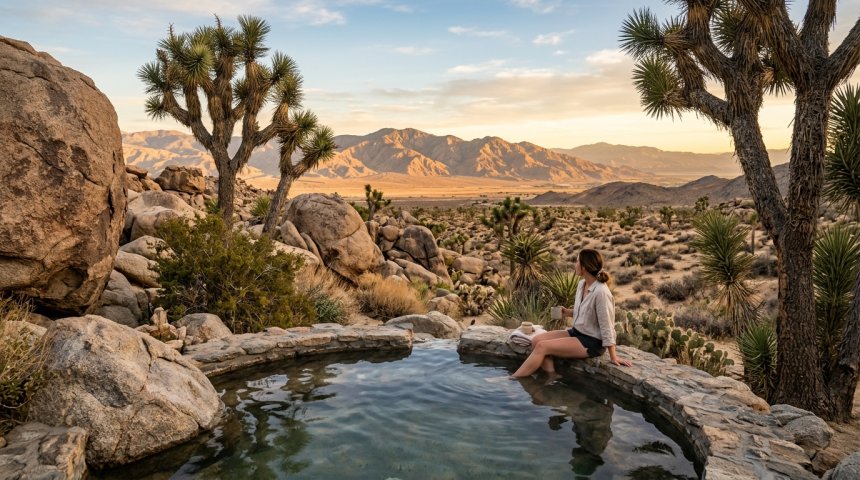
The desert itself possesses a subtle but profound beauty. The subtle colors of the sand, the resilient cacti and succulents, and the vast, open skies create a sense of peace and wonder. The quality of light in the desert is extraordinary, casting long shadows and illuminating the landscape with a golden glow, particularly during the "magic hours" of dawn and dusk. This unique light has inspired countless artists and photographers.
Albuquerque's desert environment also influences its lifestyle and architecture. Many homes feature adobe construction, a traditional building material made from sun-dried mud bricks, which is well-suited to the arid climate. The city's numerous parks and open spaces provide residents with opportunities to connect with nature and enjoy the outdoors. Activities like hiking, mountain biking, and stargazing are popular pastimes, taking advantage of the natural beauty that surrounds the city.
The Petroglyph National Monument, located on the west side of Albuquerque, preserves one of the largest petroglyph sites in North America. For thousands of years, Native Americans and early Spanish settlers carved images into the volcanic rocks, creating a rich record of cultural beliefs, practices, and daily life. Walking among these ancient carvings offers a powerful connection to the past and a deeper understanding of the land's cultural significance.
A Thriving Arts and Culinary Scene
Beyond its natural wonders and historical roots, Albuquerque boasts a vibrant and dynamic arts and culinary scene, reflecting the diverse influences that have shaped the city. The Downtown Arts District is a hub of creativity, featuring numerous galleries, studios, and performance spaces. From contemporary art to traditional Southwestern crafts, the district offers a diverse range of artistic expressions. The monthly "¡Incite!" Art Walk brings the community together to celebrate local artists and engage with the vibrant arts scene.
The city's museums also play a significant role in its cultural landscape. The Albuquerque Museum of Art and History showcases the region's artistic heritage, while the Indian Pueblo Cultural Center offers an immersive experience into the history and culture of the 19 Pueblos of New Mexico. For those interested in science and innovation, the Explora Science Center and Children's Museum provides interactive exhibits that spark curiosity and learning.
Albuquerque's culinary landscape is a delicious reflection of its cultural fusion. New Mexican cuisine is renowned for its bold flavors, unique ingredients, and the ubiquitous presence of red and green chile. These chile peppers, grown locally and prepared in countless ways, are an integral part of the state's identity. Visitors can enjoy everything from savory enchiladas and hearty stews to spicy salsas and sweet biscochitos, the official state cookie. The debate over whether to order "red," "green," or "Christmas" (a mix of both) is a quintessential Albuquerque experience.
The city's food scene extends far beyond traditional New Mexican fare. You'll find a diverse array of restaurants offering international cuisine, farm-to-table dining, and innovative culinary creations. The burgeoning craft brewery scene also adds to the city's appeal, with numerous breweries offering locally brewed beers that complement the region's flavors.
The performing arts are also well-represented in Albuquerque. The Popejoy Hall at the University of New Mexico hosts a variety of Broadway shows, concerts, and cultural performances. Local theaters and music venues provide platforms for emerging artists and a diverse range of entertainment options.
Embracing the Future
While deeply rooted in its history and traditions, Albuquerque is also a forward-looking city. It is a center for research and innovation, particularly in fields such as technology, aerospace, and renewable energy. The presence of institutions like the Sandia National Laboratories and the University of New Mexico fosters a climate of scientific advancement and economic development.
The city is actively working to promote sustainability and environmental stewardship, recognizing the importance of preserving its unique desert environment for future generations. Efforts are underway to promote renewable energy sources, conserve water, and protect natural habitats.
Albuquerque's welcoming spirit and vibrant atmosphere continue to draw people from all walks of life. It's a city where you can explore ancient ruins in the morning, soar above the desert in a hot air balloon in the afternoon, and savor world-class cuisine in the evening. The blend of natural beauty, rich cultural heritage, and a dynamic modern spirit makes Albuquerque a truly unforgettable destination. Whether you're drawn by the allure of the Balloon Fiesta, the mystique of the desert, or the warmth of its people, Albuquerque offers an experience that will linger long after you've departed.
Frequently Asked Questions
What is the best time of year to visit Albuquerque?
The most popular time to visit Albuquerque is during the Albuquerque International Balloon Fiesta, which takes place for nine days in early October. The weather is typically pleasant during this time, with crisp autumn air and clear skies, perfect for ballooning and outdoor activities. However, Albuquerque offers attractions year-round. Spring (April-May) and Fall (September-October) generally offer mild temperatures ideal for exploring the city and surrounding landscapes. Summer (June-August) can be hot, but the evenings are usually pleasant, and many outdoor events take place. Winter (December-February) is generally mild and sunny, though occasional snow can occur, especially in the Sandia Mountains.
What are the must-see attractions in Albuquerque?
Key attractions include Old Town Plaza, the historic heart of the city with its adobe buildings and shops; the Indian Pueblo Cultural Center, showcasing the history and culture of the 19 Pueblos of New Mexico; the National Hispanic Cultural Center, celebrating Hispanic arts and culture; the Sandia Peak Tramway, offering spectacular views from the Sandia Mountains; and the Petroglyph National Monument, featuring thousands of ancient rock carvings. Of course, the Albuquerque International Balloon Fiesta is a major draw if visiting in October. For science enthusiasts, Explora Science Center and Children's Museum is a great option.
What is New Mexican cuisine?
New Mexican cuisine is a distinct culinary tradition that blends Native American, Spanish, and Mexican influences. Its defining characteristic is the use of red and green chile peppers, which are grown locally and are central to many dishes. Popular New Mexican dishes include enchiladas, tamales, chile rellenos, posole, and carne adovada. The "Christmas" style refers to ordering both red and green chile. The cuisine is known for its rich, earthy flavors and often a pleasant level of spice. You'll find many restaurants serving authentic New Mexican food throughout Albuquerque.
Is Albuquerque safe for tourists?
Like any major city, Albuquerque has areas with higher and lower crime rates. However, most tourist areas, such as Old Town, the Downtown Arts District, and popular attractions, are generally safe, especially during the day. It's always advisable for visitors to exercise common sense precautions: be aware of your surroundings, avoid walking alone in poorly lit areas at night, and secure your valuables. The city's tourism board and local authorities work to ensure the safety of visitors, and most tourists have a safe and enjoyable experience. Resources like the Albuquerque Police Department website can provide local crime statistics and safety tips.
What are some outdoor activities to do in Albuquerque?
Albuquerque offers a wealth of outdoor activities. Hiking and biking trails are abundant in the Sandia Mountains, with options for all skill levels. The Rio Grande Nature Center State Park is ideal for birdwatching and enjoying the riparian ecosystem. Petroglyph National Monument offers trails where you can view ancient rock art. You can also enjoy hot air balloon rides year-round, explore the city's numerous parks, or try disc golf. The dry climate and abundant sunshine make it a great destination for active exploration.
Can you visit the Pueblos around Albuquerque?
Yes, many of the 19 Pueblos of New Mexico are located near Albuquerque and welcome visitors. However, it's important to be respectful of their traditions and cultural practices. Each Pueblo has its own rules regarding photography, visiting hours, and the sale of native crafts. It's advisable to check the specific Pueblo's website or contact them in advance for visitation guidelines. The Indian Pueblo Cultural Center in Albuquerque serves as an excellent starting point for learning about Pueblo culture and history before visiting individual Pueblos. Remember that these are sovereign nations with deeply held traditions.
Conclusion
Albuquerque, New Mexico, is a city that defies simple categorization. It is a place where the vibrant hues of a desert sunset blend seamlessly with the kaleidoscope of colors ascending into the sky during the Balloon Fiesta. It's a city where ancient traditions are not just preserved but actively celebrated, from the adobe architecture of Old Town to the rich flavors of New Mexican cuisine. The stark beauty of the surrounding desert landscape provides a constant, awe-inspiring backdrop, inviting exploration and reflection. Whether you are captivated by the history etched into ancient petroglyphs, the thrill of a hot air balloon ride, or the warmth of its diverse cultural tapestry, Albuquerque offers a uniquely American experience that is both deeply rooted and vibrantly alive. Its spirit of innovation and its commitment to preserving its heritage ensure that this captivating desert city will continue to charm and inspire visitors for generations to come. For more information on visiting New Mexico, the official New Mexico Tourism Department website is an excellent resource.
Share
What's Your Reaction?
 Like
0
Like
0
 Dislike
0
Dislike
0
 Love
0
Love
0
 Funny
0
Funny
0
 Angry
0
Angry
0
 Sad
0
Sad
0
 Wow
0
Wow
0