Amazing Estes Park: The Gateway to Rocky Mountain National Park
Discover Estes Park: the gateway to Rocky Mountain National Park. Enjoy easy access to trails, wildlife, and stunning alpine scenery.


Did you know that Rocky Mountain National Park (RMNP) is one of the most visited national parks in the United States, drawing over 4.5 million visitors annually?. Nestled at the eastern entrance to this natural wonderland lies Estes Park, a vibrant and picturesque mountain town that serves as the primary gateway to the park’s breathtaking alpine scenery, abundant wildlife, and unparalleled recreational opportunities. More than just a place to refuel and restock, Estes Park is a destination in its own right, offering a unique blend of outdoor adventure, charming local businesses, and a rich history that captivates visitors from around the globe.
A Town Steeped in History and Natural Beauty
Estes Park’s story is deeply intertwined with the very mountains that surround it. The area was first inhabited by Native American tribes, including the Arapaho, who used the high mountain meadows for hunting and gathering during the warmer months. European-American settlement began in the late 19th century, with figures like Joel Estes, who established a ranch in the valley that now bears his name. However, it was Freelan Oscar (F.O.) Stanley, inventor of the Stanley Steamer automobile, who truly put Estes Park on the map. After visiting the area seeking relief from tuberculosis, Stanley fell in love with the Estes Valley and purchased the Estes Park Hotel in 1908. He went on to develop the town, build the iconic Stanley Hotel, and champion the creation of a national park to preserve the surrounding wilderness. His influence is still palpable today, with his legacy woven into the fabric of the town.
The town’s location is its greatest asset. Situated at an elevation of 7,522 feet, Estes Park sits at the confluence of the Big Thompson River and Fall River, surrounded by towering peaks that form the dramatic backdrop of Rocky Mountain National Park. This proximity means that a short drive from downtown Estes Park can take you into a world of alpine lakes, rugged mountains, and vast forests teeming with wildlife. The iconic Trail Ridge Road, the highest continuous paved road in North America, begins its ascent just outside of town, offering access to the park’s alpine tundra and spectacular panoramic views.
Experiencing Rocky Mountain National Park from Estes Park
As the primary gateway, Estes Park offers unparalleled access to the wonders of RMNP. Visitors can easily enter the park from the Beaver Meadows Entrance or the Fall River Entrance, both conveniently located near town. Once inside, the possibilities for exploration are nearly endless.
Hiking and Trail Exploration
RMNP boasts over 355 miles of hiking trails, catering to every fitness level and interest. From gentle strolls around Sprague Lake to challenging climbs up Longs Peak, there’s a trail for everyone. Popular hikes easily accessible from Estes Park include:
- Bear Lake Loop: A short, paved, and accessible trail offering stunning views of Bear Lake, Hallett Peak, and Hallett Glacier. It’s a perfect introduction for families and those seeking an easy walk.
- Emerald Lake Trail: This moderate hike takes you past Nymph Lake and Dream Lake before arriving at the picturesque Emerald Lake, nestled beneath towering granite cliffs.
- Sky Pond Trail: A more strenuous but incredibly rewarding hike that passes Alberta Falls, Loch Vale, and Lake of Glass before reaching the dramatic Sky Pond.
- Alberta Falls Trail: A relatively easy hike to a beautiful waterfall, perfect for a shorter outing.
For those seeking a more adventurous experience, Estes Park is also a launching point for multi-day backpacking trips into the park’s backcountry. Permits are required for overnight stays, and it’s advisable to plan well in advance.
Wildlife Viewing
Rocky Mountain National Park is renowned for its abundant and diverse wildlife. Estes Park provides excellent opportunities to spot some of the park’s most iconic inhabitants. Keep your eyes peeled for:
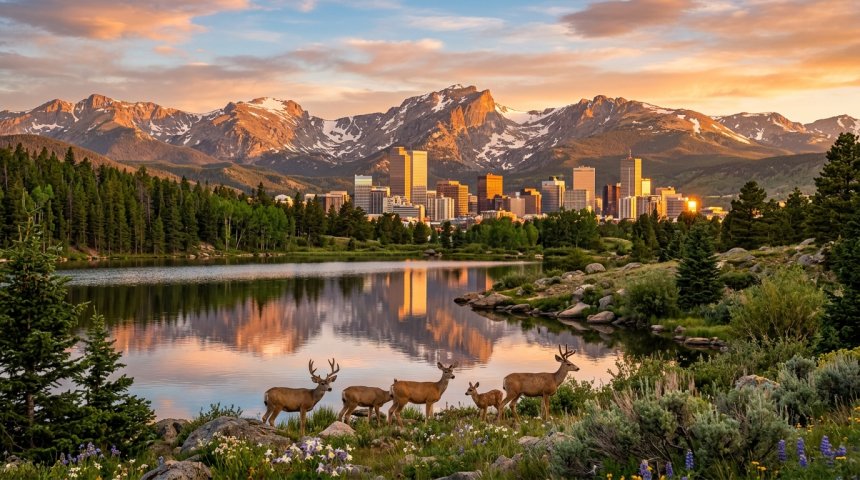
- Elk: Especially during the fall rutting season, large herds of elk can be seen grazing in meadows throughout the park, particularly in Moraine Park and Horseshoe Park. Estes Park itself is often visited by elk, especially in the early mornings and evenings.
- Mule Deer: Frequently seen along roadsides and in open areas.
- Bighorn Sheep: Often spotted on rocky slopes and cliffs, particularly along Trail Ridge Road.
- Moose: While more elusive, moose can be found in marshy areas and near willow thickets, especially in the Kawuneeche Valley on the park's west side.
- Smaller Mammals: Marmots, pikas, chipmunks, and various squirrel species are common sights.
- Birds: The park is a haven for birdwatchers, with species like Steller's jays, Clark's nutcrackers, mountain chickadees, and various raptors.
Remember to always maintain a safe and respectful distance from wildlife, never feed them, and use binoculars or a telephoto lens for closer views. The National Park Service provides detailed guidelines for responsible wildlife viewing.
Scenic Drives and Overlooks
Trail Ridge Road is the crown jewel of RMNP’s scenic drives. This engineering marvel climbs to over 12,000 feet, offering breathtaking vistas at every turn. Key overlooks include:
- Many Parks Curve: Provides a sweeping panorama of the Estes Valley and surrounding peaks.
- Forest Canyon Overlook: Offers dramatic views into Forest Canyon and the Continental Divide.
- Lava Cliffs: Showcases unique geological formations.
- Alpine Visitor Center: The highest visitor center in the National Park Service, located at 11,796 feet, offering 360-degree views and interpretive exhibits.
Driving Trail Ridge Road is an experience in itself, with the landscape dramatically changing from montane forests to subalpine meadows and finally to the stark, windswept alpine tundra. Be prepared for changing weather conditions, even in summer, and be aware of potential altitude sickness.
Beyond the Park: Exploring Estes Park's Charm
While RMNP is the main draw, Estes Park offers a wealth of activities and attractions that make it a delightful place to stay and explore.
The Historic Stanley Hotel
No visit to Estes Park is complete without experiencing the grandeur of The Stanley Hotel. This iconic historic hotel, opened in 1909, is famous not only for its architectural beauty and stunning mountain views but also for its alleged hauntings, famously inspiring Stephen King’s novel The Shining. Visitors can take guided historical or ghost tours, enjoy fine dining, or simply stroll through its elegant grounds. The hotel offers a glimpse into the golden age of mountain resorts and the entrepreneurial spirit of F.O. Stanley.
Downtown Estes Park
The heart of the town is its charming downtown area, a vibrant hub of activity along Elkhorn Avenue. Here, you’ll find:
- Unique Boutiques and Gift Shops: Perfect for finding souvenirs, local crafts, and outdoor gear.
- Art Galleries: Showcasing the work of talented local and regional artists inspired by the mountain landscape.
- Delicious Dining Options: From casual cafes and breweries to upscale restaurants, Estes Park offers a diverse culinary scene. Don't miss trying some local specialties like Rocky Mountain Oysters (if you're adventurous!) or enjoying fresh trout.
- Sweet Treats: Numerous candy shops and ice cream parlors provide a welcome indulgence after a day of exploring.
- The Riverwalk: A scenic pathway along the Big Thompson River, perfect for a leisurely stroll, offering beautiful views and access to shops and restaurants.
Outdoor Activities in and Around Town
Beyond RMNP, the Estes Park area offers numerous opportunities for outdoor recreation:
- Lake Estes: A large reservoir perfect for boating, fishing, kayaking, and paddleboarding. The paved trail around the lake is popular for walking, jogging, and biking.
- Horseback Riding: Several stables offer guided trail rides through scenic meadows and forests, providing a classic Western experience.
- Rock Climbing and Bouldering: The surrounding cliffs and rock formations offer challenging climbs for experienced climbers.
- Fishing: The Big Thompson River and various lakes in the area are popular spots for fly fishing and spin casting.
- Ziplining and Adventure Parks: For thrill-seekers, ziplining tours offer a unique perspective of the mountain terrain.
Local Events and Festivals
Estes Park hosts a variety of events throughout the year, adding to its lively atmosphere. Depending on the season, you might encounter:
- Rooftop Rodeo: A popular summer event featuring professional rodeo competitions.
- Estes Park Film Festival: Showcasing independent films.
- Oktoberfest: Celebrating German heritage with food, music, and beer.
- Christmas Tree Lighting and Winter Festival: Bringing holiday cheer to the mountains.
- Fourth of July Parade: A traditional small-town celebration.
Check the local Estes Park event calendar for up-to-date information on festivals and happenings during your visit.
Planning Your Visit to Estes Park and RMNP
A successful trip to Estes Park and Rocky Mountain National Park requires some planning, especially given the park’s popularity.
Best Time to Visit
- Summer (June-August): The most popular time to visit, offering warm weather and full access to all park areas, including Trail Ridge Road. Expect crowds and book accommodations well in advance.
- Fall (September-October): A spectacular time with vibrant autumn colors, cooler temperatures, and the dramatic elk rutting season. Trail Ridge Road typically closes sometime in October due to snow.
- Spring (April-May): A transition season with melting snow, potential for late-season snowstorms, and fewer crowds. Some higher elevation trails may still be snow-covered, and Trail Ridge Road is usually closed until Memorial Day weekend. Wildlife is active, and newborn animals may be spotted.
- Winter (November-March): A quieter time with stunning snow-covered landscapes. Access is limited, with Trail Ridge Road closed. It's ideal for snowshoeing, cross-country skiing, and enjoying the peaceful beauty of the mountains.
Timed Entry Permit System
Due to high visitation, Rocky Mountain National Park often implements a timed entry permit system during peak season (typically May through October). This system requires visitors to obtain a permit online in advance for specific entry times and areas of the park. It’s crucial to check the RMNP official website for the most current information on permit requirements, reservation windows, and fees. Failure to secure a permit can result in being denied entry.
Accommodations
Estes Park offers a wide range of lodging options:
- Hotels and Motels: From historic inns like The Stanley Hotel to modern chain hotels, there are options for various budgets.
- Cabins and Vacation Rentals: Ideal for families or groups seeking more space and privacy. Many offer stunning mountain views.
- Campgrounds: Several campgrounds are located within RMNP and in the surrounding Roosevelt National Forest. Reservations are highly recommended, especially during peak season.
Getting Around
Estes Park is a walkable town, particularly the downtown area. However, to explore RMNP and its various trailheads and viewpoints, a personal vehicle is generally necessary. Parking within the park can be challenging during peak hours, so arriving early is advised. The park also offers a free shuttle system during the summer months, which can help alleviate parking issues and provide access to popular areas like the Bear Lake Road corridor. Check the RMNP website for current shuttle information.
What to Pack
Given the mountain environment, packing layers is essential. Be prepared for:
- Sun Protection: Hat, sunglasses, and sunscreen are crucial due to the high altitude and intense sun.
- Rain Gear: Unexpected afternoon thunderstorms are common, especially in summer.
- Warm Layers: Fleece jacket, thermal underwear, and a warm hat are necessary, even in summer, as temperatures can drop significantly at higher elevations.
- Sturdy Hiking Boots: Essential for navigating trails comfortably and safely.
- Water Bottle: Staying hydrated is vital at altitude.
- Snacks: Especially if you plan on hiking or driving scenic routes where services are limited.
- Binoculars: For wildlife viewing.
- Camera: To capture the breathtaking scenery.
The Enduring Appeal of Estes Park
Estes Park is more than just a stopover; it’s a destination that captures the spirit of the American West. Its unique combination of accessibility to one of the nation's most beloved national parks, a rich historical tapestry, and a charming, welcoming atmosphere makes it an unforgettable place. Whether you're an avid hiker eager to conquer mountain peaks, a wildlife enthusiast hoping for a glimpse of a majestic elk, or simply seeking a peaceful escape amidst stunning natural beauty, Estes Park offers a gateway to adventure and a reminder of the wild grandeur that awaits. The town’s ability to balance its role as a bustling gateway with its own distinct character ensures that visitors leave with memories of both the incredible landscapes of Rocky Mountain National Park and the warm hospitality of its iconic mountain village.
Frequently Asked Questions about Estes Park
What is the best time of year to visit Estes Park?
The best time to visit Estes Park depends on your priorities. Summer (June-August) offers the warmest weather and full access to all park areas, but it's also the most crowded. Fall (September-October) is ideal for autumn colors and wildlife viewing, especially the elk rut. Spring (April-May) sees fewer crowds but can have unpredictable weather and snow at higher elevations. Winter (November-March) is quiet and beautiful for snow activities, but access to RMNP is limited.
Do I need a permit to enter Rocky Mountain National Park?
Yes, during peak season (typically late May through mid-October), Rocky Mountain National Park often requires a timed entry permit in addition to the park entrance fee. This permit allows you to enter specific areas of the park during designated time windows. It is essential to check the official RMNP website for the most current information on permit requirements, reservation availability, and fees before your visit, as these can change annually.
What are the must-see attractions in Estes Park?
Beyond Rocky Mountain National Park itself, key attractions in Estes Park include the historic Stanley Hotel, the charming downtown area with its shops and restaurants along Elkhorn Avenue, and the scenic Riverwalk. Outdoor activities like boating or walking around Lake Estes and horseback riding are also popular. Within the park, driving Trail Ridge Road, hiking to popular lakes like Bear Lake or Emerald Lake, and wildlife viewing are essential experiences.
How can I see wildlife in Rocky Mountain National Park?
The best times for wildlife viewing are typically early morning and late evening. Look for elk in meadows like Moraine Park and Horseshoe Park, and keep an eye out for mule deer along roadsides. Bighorn sheep are often seen on rocky slopes. Moose are more elusive but can be found in marshy areas. Always maintain a safe and respectful distance from all wildlife and never feed them. Binoculars or a telephoto lens are highly recommended.
Is Estes Park at a high altitude?
Yes, Estes Park is situated at a high elevation of approximately 7,522 feet (2,293 meters) above sea level. Rocky Mountain National Park extends much higher, with Trail Ridge Road reaching over 12,000 feet. Visitors should be aware of the potential effects of altitude sickness, such as headaches, nausea, and fatigue. It's recommended to stay hydrated, avoid strenuous activity upon arrival, limit alcohol consumption, and allow your body time to acclimatize.
What are some family-friendly activities in Estes Park?
Estes Park offers many family-friendly options. Within RMNP, easy hikes like the Bear Lake Loop and Sprague Lake Loop are perfect for young children. Scenic drives like Trail Ridge Road (weather permitting) offer incredible views without strenuous activity. In town, activities like visiting the candy shops, enjoying ice cream, taking a stroll along the Riverwalk, or renting paddle boats on Lake Estes are always a hit. Many local stables also offer gentle horseback rides suitable for families.
Is Estes Park expensive?
The cost of visiting Estes Park can vary significantly depending on the time of year, your accommodation choices, and your dining preferences. During peak summer months, lodging and other services tend to be more expensive due to high demand. However, there are options to fit various budgets, from camping and more affordable motels to luxury hotels and fine dining. Visiting during the shoulder seasons (spring or fall) can offer cost savings. Remember that the primary expense for entering Rocky Mountain National Park is the entrance fee or the timed entry permit, which are generally reasonable compared to other major attractions.
The town’s proximity to the vast wilderness of Rocky Mountain National Park makes it a prime location for outdoor enthusiasts. With over 355 miles of hiking trails, the park offers everything from gentle lakeside strolls to challenging alpine ascents. Popular spots like Bear Lake, Sprague Lake, and the iconic Trail Ridge Road, the highest continuous paved road in North America, are easily accessible from Estes Park. These areas provide breathtaking views of snow-capped peaks, alpine meadows bursting with wildflowers in the summer, and opportunities to witness the park’s abundant wildlife.
Wildlife viewing is a major draw, and Estes Park serves as an excellent base for spotting elk, mule deer, bighorn sheep, and even moose. The park’s diverse ecosystems, ranging from montane forests to windswept alpine tundra, support a rich variety of fauna. Visitors often report seeing large herds of elk grazing in meadows, especially during the fall rutting season, a truly spectacular sight. Responsible wildlife viewing is encouraged, emphasizing maintaining safe distances and never feeding the animals. The National Park Service provides comprehensive guidelines to ensure the safety of both visitors and wildlife.
Beyond the natural wonders of the park, Estes Park itself is a destination filled with charm and history. The town’s most famous landmark is the historic Stanley Hotel, an elegant establishment that inspired Stephen King’s novel The Shining. Visitors can take guided tours, learn about its storied past, and perhaps even experience its rumored paranormal activity. The downtown area, centered on Elkhorn Avenue, offers a delightful array of unique shops, art galleries, and restaurants. Strolling along the Riverwalk, a scenic pathway beside the Big Thompson River, provides a relaxing way to soak in the town’s atmosphere, browse local crafts, and enjoy diverse culinary offerings.
For those seeking adventure, Estes Park provides ample opportunities. Horseback riding through mountain trails, fishing in pristine rivers and lakes, kayaking or paddleboarding on Lake Estes, and even ziplining adventures are readily available. The town’s location at the confluence of the Big Thompson and Fall Rivers also makes it a hub for water activities and fishing. The surrounding Roosevelt National Forest offers additional hiking and exploration options for those looking to venture further afield.
Planning a visit to Estes Park and Rocky Mountain National Park requires some preparation, especially during the busy summer months. The park’s popularity has led to the implementation of a timed entry permit system during peak season, requiring visitors to reserve entry slots in advance. It is crucial to consult the official RMNP website for the latest information on these requirements, as well as for details on road closures (particularly Trail Ridge Road, which is typically closed from October to May due to snow). Accommodation options in Estes Park range from historic hotels and cozy cabins to modern resorts and campgrounds, catering to various preferences and budgets. Booking well in advance is highly recommended, particularly for summer and fall visits.
The town’s elevation of 7,522 feet means visitors should be mindful of altitude sickness. Staying hydrated, pacing oneself upon arrival, and limiting strenuous activity initially can help with acclimatization. The weather in the mountains can change rapidly, so packing layers, including rain gear and warm clothing, is essential regardless of the season.
Estes Park’s appeal lies in its ability to seamlessly blend the grandeur of a national park with the charm of a mountain town. It offers a gateway to incredible natural beauty, a dose of history and local culture, and a wide range of activities for every type of traveler. Whether you're drawn by the call of the mountains, the allure of wildlife, or the simple pleasure of a picturesque small town, Estes Park provides an unforgettable experience at the doorstep of the majestic Rocky Mountains. The town's vibrant spirit, combined with the awe-inspiring landscapes of RMNP, solidifies its reputation as a premier destination for outdoor adventure and mountain relaxation. It’s a place where memories are made, from summit sunrises to elk bugles echoing through the valley.
Share
What's Your Reaction?
 Like
0
Like
0
 Dislike
0
Dislike
0
 Love
0
Love
0
 Funny
0
Funny
0
 Angry
0
Angry
0
 Sad
0
Sad
0
 Wow
0
Wow
0